 01635 581 811

The concept of sorting through a lifetime’s possessions before you pass away might sound morbid, but Swedish death cleaning UK transforms this inevitable task into something remarkably practical and even liberating. Known as döstädning in Sweden, this approach has gained significant traction across the UK as people recognise the emotional burden they might leave behind if they do not address their accumulated belongings.
Unlike the decluttering trends that promise minimalist aesthetics or Instagram-worthy wardrobes, Swedish death cleaning UK operates from a fundamentally different motivation. It asks you to consider what happens to your possessions after you are gone and whether you are comfortable leaving that sorting burden to grieving family members.
What Is Swedish Death Cleaning?
Swedish death cleaning UK emerged from a culture that values practicality and consideration for others. The term döstädning combines “dö” (death) and “städning” (cleaning), creating a straightforward description of its purpose. Artist Margareta Magnusson brought the concept to international attention through her book, but the practice has existed in Swedish culture for generations.
The fundamental difference between this method and typical decluttering lies in perspective. Marie Kondo asks if something sparks joy. Swedish death cleaning asks whether you want your children to find it after you have died. That shift in viewpoint changes everything about how you evaluate possessions. This approach resonates particularly well with UK homeowners over 50 who have accumulated decades of belongings.
The Emotional Weight of Possessions
Every item you own carries a decision that someone must eventually make. When you make those decisions yourself, you spare your family from guessing what mattered to you, what has value, and what they can discard without guilt.
I worked with a client last year whose mother had passed suddenly at 68. She spent four months sorting through a three-bedroom house filled with 40 years of accumulated possessions. The process was not just physically exhausting. Every drawer held potential treasures mixed with obvious rubbish, and she agonised over each decision, terrified of discarding something her mother had valued. The grief had been complicated by resentment, exhaustion, and guilt. That experience could have been entirely different if her mother had practised Swedish death cleaning UK principles. The process gives you control over your narrative, allowing you to share stories about meaningful items whilst you are here to tell them.
How Swedish Death Cleaning Works in Practice
Swedish death cleaning UK follows a logical progression that makes the process manageable rather than overwhelming. You begin with the easiest categories: items with no emotional attachment that simply serve functional purposes. Old kitchen gadgets you never use, duplicate tools in the garage, clothes that no longer fit. These create quick wins that build momentum.
The method specifically advises against starting with photographs or deeply sentimental items. Those require the most emotional energy and decision-making capacity. The decision-making framework centres on honest questions. Will anyone want this? Does it serve a current purpose in my life? Would finding this bring my family comfort or confusion? These questions cut through the justifications we typically use to keep unnecessary items.
What to Keep, What to Let Go
Genuine heirlooms with family history deserve keeping, particularly when you can attach stories and context to them. A grandfather’s war medals mean something. Forty years of National Geographic magazines likely do not, regardless of how much you paid for them originally. The trickiest category involves items that hold memories but serve no practical function: your children’s artwork, holiday souvenirs, gifts from people you cared about. These items often burden rather than benefit because they generate guilt without being used.
Involve family members thoughtfully. Ask adult children if they actually want specific items rather than assuming they do. These conversations can be surprisingly revealing. Often, the china set you have carefully preserved holds no interest for children with different lifestyles and tastes.
The Storage Solution for Meaningful Items
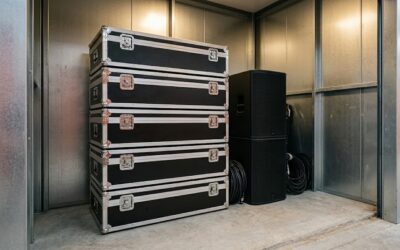
This is precisely where lifetime storage solutions provide a middle path between keeping everything and losing important pieces of your history. Some items genuinely matter but do not need to occupy your daily living space. Creating physical distance from these possessions whilst maintaining access to them offers remarkable psychological relief.
Newbury Self Store works with families navigating this exact challenge. The goal is not simply renting space but creating a curated archive of meaningful possessions that your family can access and appreciate without those items cluttering your home or theirs. Think of storage as a bridge between past and future. You are not abandoning your history; you are organising it in a way that respects both its significance and your current living needs.
Categories That Benefit from Storage
Family photograph collections represent perhaps the most common category benefiting from organised storage. Boxes of unsorted photos create enormous burdens for grieving families. Taking time to organise, label, and properly store these archives transforms them from overwhelming projects into treasured resources.
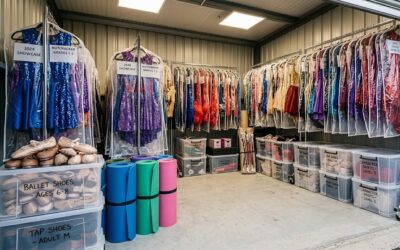
Seasonal container storage offers drive-up access that makes rotating occasional-use possessions practical rather than burdensome. Important documents and curated business archives demand secure storage but do not belong in your living room. Furniture and household items of genuine value but not suited to your current needs deserve better than deteriorating in a damp garage, particularly when future recipients may eventually want them.
Practical Steps to Begin Your Own Death Cleaning
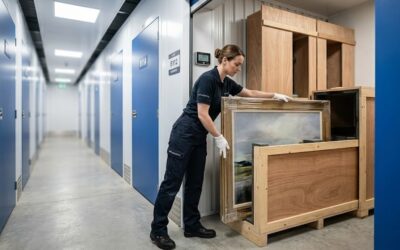
Start with a single category rather than attempting to tackle your entire home. For items you are keeping, whether in your home or secure storage, invest in proper materials. Heirloom packing materials designed for long-term preservation protect photographs, textiles, and fragile possessions far better than old cardboard boxes and bin bags.
Create an inventory of stored items with locations noted. This simple step prevents your storage unit from becoming another black hole of forgotten possessions. Your family will thank you for clear documentation of what exists and where to find it.
The Long-Term Benefits
The psychological relief of Swedish death cleaning UK often surprises people. Knowing you have addressed this responsibility rather than leaving it for others creates genuine peace of mind. For your family, the benefits compound over time. They inherit a manageable number of meaningful items with context and stories attached rather than rooms full of mystery boxes requiring difficult decisions during an already painful time.
Swedish death cleaning UK operates like a museum curator’s approach to collections. Museums do not keep everything donated to them. They select pieces that tell important stories, maintain them properly, and make them accessible. Your personal archive deserves the same thoughtful curation. The dostadning decluttering method applied with intention creates a legacy of consideration rather than a burden of obligation.
The process transforms the inevitable task of dealing with a lifetime’s accumulation into something you control. Rather than leaving your family to guess what mattered, you are making those decisions yourself and potentially sharing the stories behind meaningful items whilst you are here to tell them. The dostadning decluttering method is not a one-weekend project but a gradual, considered process that most people find energising rather than depressing.
Call 01635 581 811 or contact us to discuss storage solutions that support your Swedish death cleaning journey.