
 01635 581 811
Furniture damage during storage happens faster than most people expect. A single scratch on a dining table, moisture seeping into a fabric sofa, or pressure marks on a leather chair can diminish both value and usability in ways that become apparent only when you retrieve items. The right furniture wrapping tips create barriers against dust, moisture, temperature fluctuations, and the inevitable bumps that occur during transport and storage throughout any rental period.
Protection is not just about avoiding visible damage. Proper wrapping preserves both the function and the memories invested in furniture pieces that often hold significant sentimental value alongside their financial worth.
Understanding Furniture Vulnerabilities
Different furniture materials face distinct threats in storage environments. Wood expands and contracts with humidity changes, making it susceptible to warping and cracking. Upholstered pieces attract dust and moisture, creating conditions for mould growth that can render a sofa or armchair permanently damaged. Glass and mirrors risk shattering from even minor impacts, whilst metal components can develop rust in damp conditions without proper protection.
The most common damage occurs at contact points: corners, edges, and surfaces that touch other items or storage unit walls. Pressure marks develop when heavy items rest against softer materials for extended periods. Scratches appear when unprotected surfaces rub together during movement or settling throughout the storage period.
One client stored an antique sideboard wrapped only in old bedsheets. After six months, she discovered deep scratches where the fabric had shifted and moisture stains from condensation that penetrated the thin cotton. The repair costs exceeded what proper furniture wrapping tips implemented from the start would have cost by a factor of ten. This scenario repeats itself countless times because people underestimate how active a storage environment truly is.
Essential Wrapping Materials for Different Furniture Types
Bubble wrap serves as your first line of defence for fragile surfaces and any furniture with glass components. The air-filled cushions absorb impacts and create spacing between vulnerable surfaces and potential hazards. Large bubble wrap works best for bigger items, whilst smaller bubbles provide better conformity around intricate details and hardware.
Furniture blankets, also called moving blankets, offer thick padding for substantial pieces like wardrobes, dressers, and dining tables. These quilted covers protect against scratches, dents, and minor impacts whilst allowing wood to breathe, preventing moisture buildup that would occur under sealed plastic. Quality blankets feature a woven exterior that resists tearing and provides multiple uses across different storage needs.
Shrink wrap excels at protecting upholstered furniture because it creates an airtight seal that blocks dust, moisture, and pests. This plastic film clings tightly to sofas, chairs, and mattresses without requiring tape on the fabric. However, one of the most critical furniture wrapping tips is that shrink wrap should never be applied directly to finished wood surfaces, as trapped moisture can damage varnish and stain permanently.
Corner Protectors and Edge Guards
Corner protectors and edge guards prevent damage to the most vulnerable parts of any furniture piece. These foam or cardboard guards slip over table corners, cabinet edges, and frame joints, distributing pressure and preventing punctures through wrapping materials during any movement or access visit.
Think of corner protectors as bumpers that absorb the impact that would otherwise transfer directly to your furniture through even quality wrapping materials. A dining table corner that catches on a storage unit door frame during retrieval will chip through bubble wrap and blankets without corner protection in place throughout the storage period.
Apply corner protectors as the very first step before any other wrapping material, ensuring they are positioned correctly before being secured by the layers of blankets and wrapping that go over them. This sequencing is one of the most practical furniture wrapping tips for protecting the edges that most commonly sustain damage during handling.
Preparing Furniture Before Wrapping
Clean every surface thoroughly before applying any wrapping material. Dirt and debris trapped against furniture act like sandpaper, creating scratches during any movement or settling. Use appropriate cleaners for each material type: wood polish for timber, fabric cleaner for upholstery, and glass cleaner for mirrors and tabletops. Allow everything to dry completely, as wrapping damp furniture guarantees mould and mildew problems.
Disassemble furniture whenever practical before applying furniture wrapping tips in earnest. Removing legs from tables, taking drawers out of dressers, and separating bed frames reduces both size and vulnerability. Wrap hardware in small bags and tape them to the corresponding furniture piece so nothing gets lost during the storage period. Label each component clearly, making reassembly straightforward when you retrieve your items.
Remove or secure any loose elements: cushions, shelf supports, mirror clips, and decorative handles. These components can shift during transport, puncturing wrapping materials or damaging the furniture itself. Store small parts in clearly labelled bags, and photograph complex assemblies before disassembly to guide future reconstruction months later.
Step-by-Step Wrapping Techniques
Wooden furniture requires a systematic approach protecting both flat surfaces and vulnerable edges. Start by wrapping corner protectors around all edges and corners. Then drape furniture blankets over the entire piece, securing them with packing tape (never apply tape directly to wood finishes as it damages varnish on removal). For extra protection on valuable antiques, add a layer of bubble wrap between the wood and the blanket.
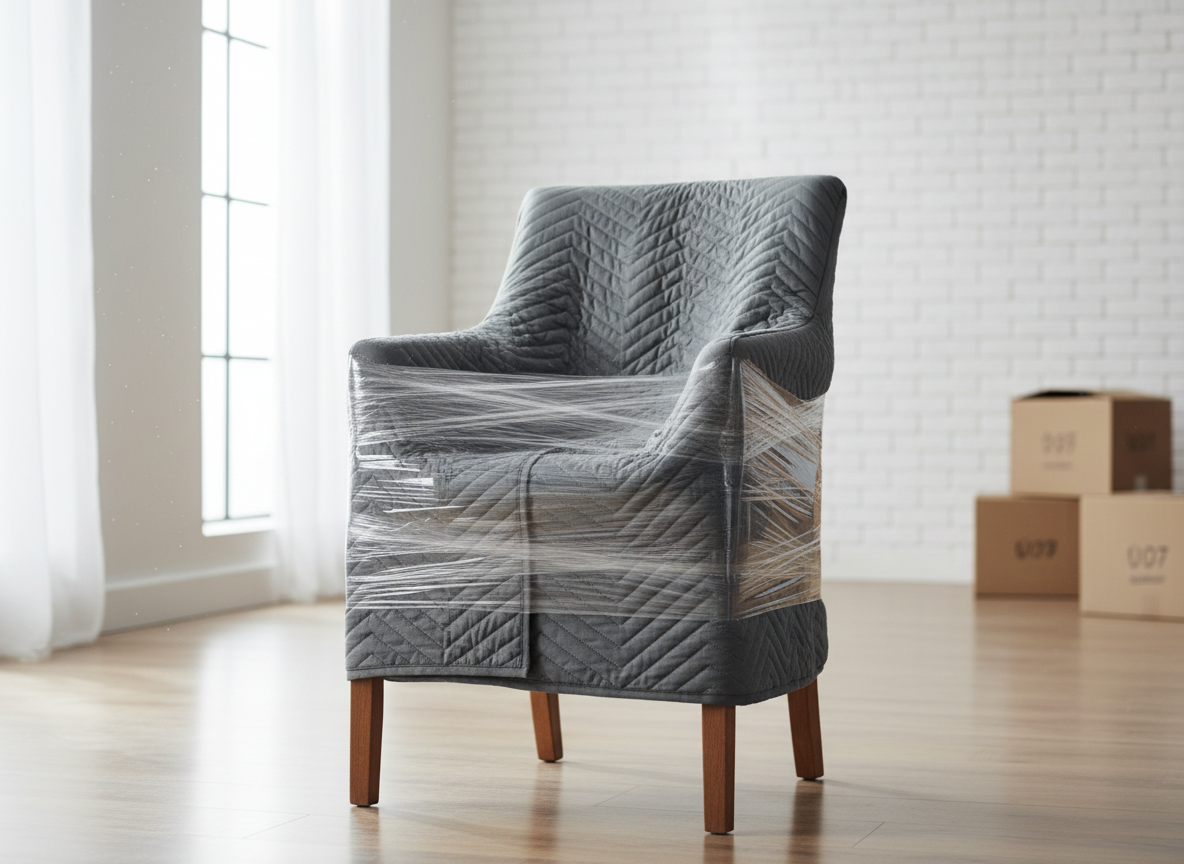
Upholstered pieces need protection from dust and moisture whilst allowing some air circulation to prevent mustiness. Wrap sofas and chairs in furniture blankets first, tucking material into crevices and securing loosely. Then apply shrink wrap over the blankets, creating a sealed protective outer layer. This dual-layer approach combines breathability with moisture protection in a way that either material alone cannot achieve.
Glass and mirrors demand careful attention using specific furniture wrapping tips for fragile items. Apply painter’s tape in an X pattern across the glass surface, which helps contain shards if breakage occurs. Wrap the entire piece in bubble wrap with bubbles facing inward, using at least two layers. Place cardboard corner protectors on all edges, then wrap again with furniture blankets. Mark these packages clearly as fragile and store them vertically, never flat where weight can accumulate.
Newbury Self Store and Furniture Protection
Newbury Self Store facilities maintain optimal conditions that complement proper furniture wrapping tips and techniques. Even in climate-controlled environments, unwrapped furniture accumulates dust, suffers scratches from neighbouring items, and develops pressure marks from stacking. The quality of your packing materials determines how well furniture survives regardless of the storage conditions provided.
Proper protective packaging materials for furniture create comprehensive protection when applied correctly. Professional-grade furniture blankets feature reinforced stitching and thicker padding that withstands repeated use and provides superior impact absorption compared to consumer alternatives. Access to packaging materials designed specifically for storage ensures you have appropriate options for every furniture type and protection level.
Think of furniture wrapping like insulating a house. You would not use a single thin layer and expect it to regulate temperature effectively. Multiple materials working together create comprehensive protection, just as insulation, vapour barriers, and cladding combine to protect a building from all weather conditions simultaneously. Each layer of furniture wrapping tips addresses specific threats, and together they create a system that far exceeds what any single material achieves.
Storage-Specific Considerations
Climate-controlled storage environments allow more flexibility in material choices. In non-climate-controlled units, moisture barriers become critical. Heavy-duty plastic sheeting or multiple layers of shrink wrap provide essential protection against humidity fluctuations that cause wood warping and metal corrosion throughout any British storage season.
Stacking wrapped furniture requires strategic planning to prevent damage from weight distribution. Place heaviest items at the bottom, ensuring they have stable, flat bases. Position lighter, more fragile pieces on top, never stacking so high that the arrangement becomes unstable. Leave wrapped items slightly separated when possible, preventing prolonged pressure contact that creates indentations even through quality protective materials.
Long-term storage demands higher-quality materials than short-term needs. Thin plastic sheeting deteriorates over months, exposing furniture to dust and moisture. Cheap bubble wrap loses its cushioning as air escapes from the bubbles. Invest in heavy-duty furniture blankets, thick bubble wrap, and commercial-grade shrink wrap for storage periods exceeding three months, as this investment eliminates the repair and replacement costs that inferior materials inevitably create.
Container Storage and Furniture Protection
Container storage works particularly well for furniture because ground-level access minimises handling and reduces impact risks significantly during loading and retrieval. The full-width double doors allow furniture to enter and exit without the corner-catching that narrow corridors create in building-based storage facilities.
However, even drive-up convenience does not eliminate the need for proper wrapping: packing furniture safely begins with materials, not just storage location. Large furniture pieces load more easily into containers, but still require complete wrapping before loading to protect against the environmental variations that container storage environments experience across seasonal cycles.
For personal storage during house moves or renovations, applying furniture wrapping tips consistently from the beginning of loading ensures items arrive at their destination in the same condition they left your home, regardless of how long the storage period lasts.
For business storage of office furniture, retail displays, or event equipment, professional-grade protection maintains asset value and ensures items remain ready for immediate use when retrieved rather than requiring cleaning, repair, or replacement before they can be deployed again.
Protecting Your Furniture Investment
Furniture represents significant financial and often sentimental investment. A dining table that hosted family gatherings, a desk where you built your business, or a bedroom set passed down through generations deserves protection that preserves both function and memories throughout any storage period.
The furniture wrapping tips outlined here reflect years of experience protecting everything from student bedroom furniture to valuable antiques. The principles remain consistent: understand your furniture’s vulnerabilities, choose materials that address those specific threats, apply them systematically, and verify complete coverage before storage. This approach prevents the disappointment and expense of discovering damage when you retrieve your belongings after trusting that good intentions were sufficient protection.
For expert guidance on packing furniture safely and access to professional-grade wrapping supplies, call 01635 581 811 or consult our storage team to discuss your specific storage and furniture protection needs.