 01635 581 811

Retail businesses across Newbury face a persistent challenge that directly impacts their bottom line: where to store overflow stock without sacrificing valuable shop floor space or breaking the budget. The difference between profitable inventory management and costly inefficiency often comes down to one decision: how you handle excess stock during peak seasons, promotional periods, and product transitions.
Last year, a homeware retailer in the town centre calculated they were losing £18,000 annually by keeping their stock room crammed with overflow inventory. The space could have displayed higher-margin products, but instead it housed summer furniture in December and Christmas decorations in July. That calculation changed their entire approach to retail overflow storage and inventory management.
The True Cost of Stock Overflow in Retail Operations
Stock overflow creates a ripple effect of hidden costs that many businesses only recognise when they add up the numbers properly. The most obvious expense is wasted retail space. Every square metre dedicated to storage rather than display represents lost revenue potential, particularly in high-street locations where rent can exceed £40 per square foot annually.
Beyond the direct costs, retail overflow storage done badly ties up working capital that could fuel business growth. Products sitting in back rooms or blocking corridors are depreciating assets that occupy space you are paying for whilst contributing nothing to your cash flow. They are the financial equivalent of parking an investment in neutral with the engine running.
The operational inefficiencies compound these financial drains. Staff spend excessive time navigating cluttered storage areas, searching for specific items, and moving stock around to access what they need. A typical retail employee wastes approximately 30 minutes per shift managing poorly organised overflow stock, which translates to nearly 200 hours of lost productivity annually per staff member when accumulated across a full trading year.
Why Traditional On-Site Solutions Fall Short
Most retail premises were designed with minimal back-of-house storage, operating on the assumption that stock would turn over quickly and replenishment would arrive in manageable quantities. This model collapses when businesses scale up, diversify their product ranges, or capitalise on bulk purchasing discounts that require holding more inventory than the premises were designed to accommodate.
Think of on-site storage like trying to fit a week’s worth of groceries into a mini-fridge. You can make it work temporarily by cramming items into every gap, but you will struggle to find anything, products will get damaged, and you will waste more time than the arrangement saves. One fashion boutique owner described her back room as “a game of Tetris where everyone loses” because nothing could be retrieved without moving multiple other items first.
Commercial rent pressures in Newbury’s retail districts make this inefficiency even more painful. When you are paying premium rates for town centre locations, dedicating 30 percent of your floor space to retail overflow storage represents a substantial opportunity cost that competitors using external storage solutions do not bear.
How Seasonal Retailers Manage Peak Inventory Cycles
Seasonal businesses face the most dramatic stock fluctuations, with inventory requirements that can triple or quadruple during peak periods. Garden centres exemplify this challenge perfectly. They need massive stock volumes from March through June, yet maintaining year-round storage capacity for this peak season inventory makes no financial sense when the premises sit half-empty through winter.
The smart approach involves scaling retail overflow storage capacity to match demand cycles. During winter months, a garden centre might maintain minimal on-site stock whilst keeping spring inventory in secure storage that can be accessed as needed. As spring approaches, they gradually rotate stock back onto the premises, matching supply precisely to customer demand rather than holding everything on-site simultaneously.
Christmas retailers face similar dynamics but with even tighter timeframes. The period from November through December can represent 40 percent of annual revenue, requiring stock levels that would overwhelm their premises if held year-round. Starting in September, these businesses begin rotating seasonal inventory from external storage, building in-store displays whilst maintaining backup stock accessible within hours of receiving a customer order.
E-Commerce Businesses and the Fulfilment Challenge
Online retailers in Newbury operate under different constraints than traditional shops, but retail overflow storage challenges remain equally pressing. The growth of e-commerce has created a new category of businesses that need flexible storage solutions without the overhead of permanent warehouse facilities that only justify themselves at significant scale.
Buffer stock represents a critical component of successful online retail. Customers expect rapid fulfilment, which means maintaining inventory levels that can absorb demand spikes without stockouts. One Newbury-based online clothing retailer keeps their fast-moving items and current season stock at their packing facility whilst storing backup inventory and slower-moving sizes off-site, enabling 95 percent of orders to be fulfilled from their primary location.
Returns management adds another layer of complexity requiring dedicated online seller storage space. Products returned by customers need inspection, repackaging, and temporary storage before they can be relisted. Creating a dedicated space for returns processing, separate from primary inventory, improves efficiency and reduces the risk of shipping damaged or incomplete items that generate further returns.
Container Storage for High-Volume Stock Rotation
Businesses managing substantial inventory volumes need retail overflow storage solutions that match the scale of their operations. Drive-in storage units provide the capacity and accessibility that high-turnover retail operations require, particularly when stock rotation happens frequently throughout the trading week.
Drive-up access transforms the logistics of moving inventory. Instead of navigating internal corridors with trolleys or making multiple trips through security doors, staff can reverse vehicles directly to their storage unit. Loading and unloading efficiency directly impacts labour costs: a task that might take three hours using traditional storage can often be completed in under an hour with proper drive-up access.
Bulk storage solutions also accommodate the palletised inventory that many retailers receive from wholesalers and manufacturers. Rather than breaking down pallets prematurely to fit stock into cramped spaces, businesses can store full pallets and access them as needed, maintaining the organisational systems that their suppliers use and making stock counting significantly more accurate.
Newbury Self Store and Retail Overflow Storage
Newbury Self Store works with retailers to develop retail overflow storage systems that match their specific operational patterns, whether that involves frequent access for fast-moving inventory or longer-term storage for seasonal items that only rotate twice yearly.
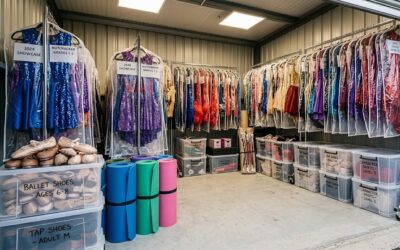
Different product types demand different storage conditions, and understanding these requirements prevents costly stock damage. Fashion and textile retailers face particular challenges with moisture and pests. Clothing stored in damp conditions develops mildew and odours that render it unsaleable. Proper storage facilities with adequate ventilation and climate control protect these vulnerable inventory categories throughout extended storage periods.
Insurance and liability become crucial when storing significant inventory values off-site. Most business insurance policies cover stock stored at declared locations, but you need to verify coverage and ensure your retail overflow storage facility meets the security standards your insurer requires. Access control matters for both security and operational efficiency, balancing the flexibility staff need with the monitoring that protects against loss.
Creating an Effective Overflow Stock System
Random storage creates chaos, but systematic approaches to overflow inventory transform it from a burden into a strategic advantage. The first step involves categorising stock by turnover rate, seasonality, and value. High-turnover items need easy access, whilst seasonal stock can occupy less accessible locations during off-peak periods when demand is predictably low.
Inventory rotation schedules prevent the common problem of forgotten stock gathering dust whilst businesses reorder the same items. A fashion retailer might establish a monthly rotation where they review stored inventory, identify items returning to relevance, and swap them with current stock that is moving slowly. This discipline ensures online seller storage remains actively managed rather than becoming a passive accumulation of forgotten stock.
Integration with business operations means your retail overflow storage solution works with your existing systems rather than against them. This might involve maintaining digital inventory lists that track which products are in which location, establishing regular collection schedules that align with your restocking routines, or creating protocols ensuring staff know exactly how to access stored items when demand spikes unexpectedly.
E-Commerce Packaging and Bulk Supply Storage
The buy moving boxes and packaging materials required for e-commerce operations demand significant storage space. Cardboard boxes, bubble wrap, tape, and protective materials accumulate quickly, and buying in bulk delivers significant cost savings per unit that directly improve margin on every order fulfilled.
External retail overflow storage allows businesses to capitalise on volume discounts without cluttering their packing areas with pallets of materials that hinder daily operations. Having packaging supplies accessible but not on-site keeps operational areas clear and functional whilst maintaining the cost-effective supply levels that bulk purchasing enables.
Store home contents alongside business stock separately where businesses manage both personal and commercial inventory, maintaining the clear distinction between personal and business assets that simplifies both accounting and insurance coverage.
Retail overflow storage represents far more than a space problem. It is a strategic business decision that impacts profitability, operational efficiency, and growth potential. Newbury’s retail and e-commerce businesses that master overflow stock management gain competitive advantages through reduced costs, improved cash flow, and the flexibility to capitalise on opportunities without space constraints forcing them to turn down revenue.
For expert guidance on retail overflow storage solutions tailored to your business requirements, call 01635 581 811 or get in touch with our retail storage team to discuss your specific needs.