 01635 581 811
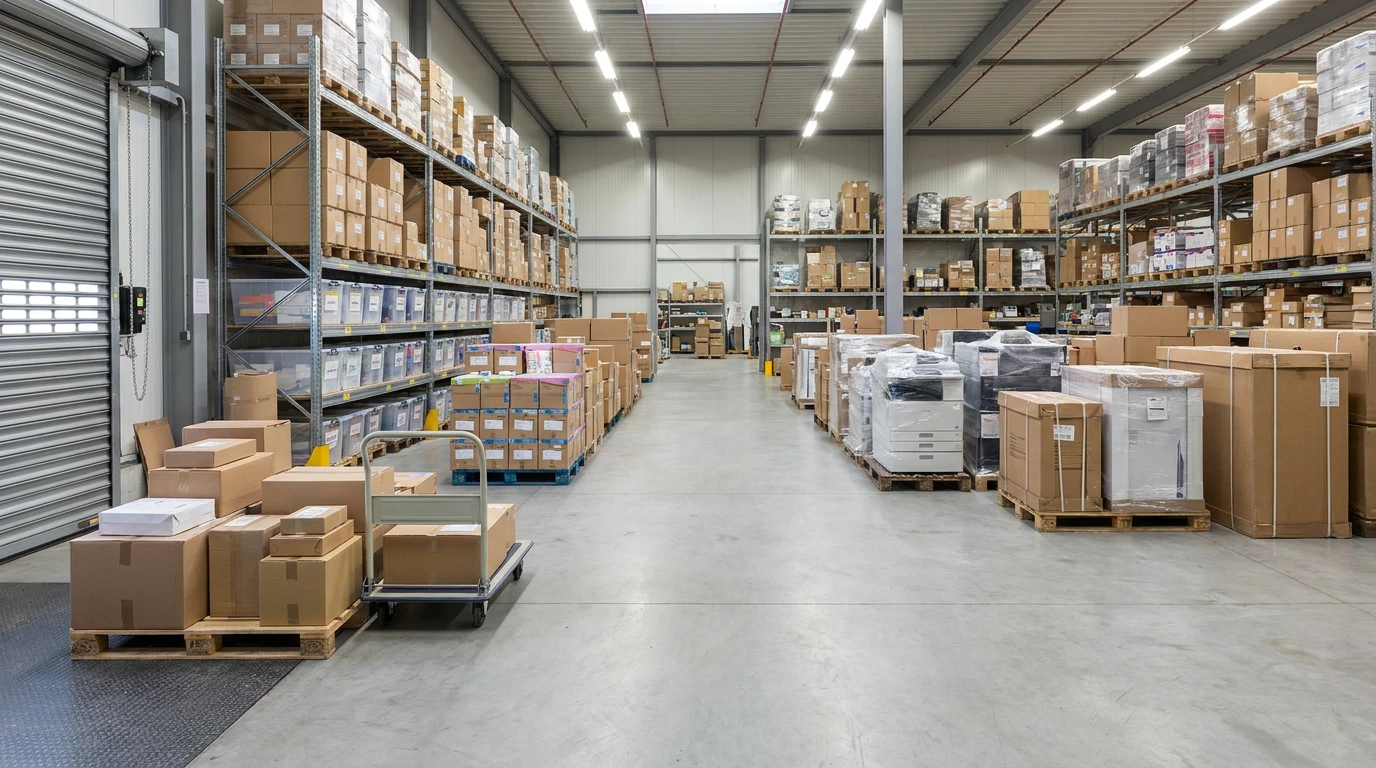
Missed deliveries are a quiet drain on a small team. One person leaves a job to meet a courier, another rearranges the stock room to make space, and someone else loses time searching for the parcel later. For many local firms, business storage with delivery acceptance is less about gaining extra space and more about removing friction from the working day.
The idea is simple: goods arrive at the storage facility during opening hours, then the business collects, sorts or moves them when it fits the schedule. That can be useful for companies that do not have a staffed reception, a large office, a loading bay or spare floor space for incoming stock. It also helps when deliveries arrive in batches rather than neatly on the day they are needed.
Delivery Acceptance Helps When Premises Are Too Busy
A shop, studio, trade office or ecommerce business can quickly become awkward when deliveries arrive at the wrong time. Boxes block walkways, promotional stock sits beside desks, and everyday work has to bend around temporary piles of goods. The cost is not just space. It is attention.
Parcel receiving storage Newbury searches often come from businesses that are not looking for a warehouse. They need a practical holding point close enough to use, but separate enough to stop deliveries taking over their workplace. The right arrangement can turn unpredictable courier times into a calmer weekly collection routine.
This is particularly useful when suppliers use different delivery windows. A team may be able to collect from storage once or twice a week instead of reacting to every van at the door. That rhythm makes ordering easier and reduces the chance that urgent work is interrupted by a non-urgent delivery.
The Best Fit Is Usually Stock That Moves In Batches
Business storage with delivery acceptance works best where items arrive in bulk, wait briefly, then move onwards. It suits firms that need a buffer between supplier delivery and final use. It is less suitable if every parcel needs immediate opening, inspection and dispatch within minutes.
Common examples include:
- Seasonal stock that arrives before display space is ready
- Printed brochures, stationery or point of sale materials
- Tools, fittings or parts for scheduled jobs
- Office furniture, branded stands and equipment
- Archive boxes being moved out of a cramped workplace
The common thread is timing. If goods do not need to sit beside the people using them every hour, storing them off site can protect both space and concentration.
Put A Simple Intake System In Place First
Delivery acceptance is most effective when the business has clear habits before the first pallet or carton arrives. A storage unit should not become a mystery cupboard. Every incoming delivery needs enough information for a colleague to identify it later without opening half the boxes.
Start with supplier names, expected delivery dates, order numbers and a named person responsible for collection. If several people order goods, use one shared log. It can be as simple as a spreadsheet with columns for supplier, contents, quantity, date expected, date collected and any notes.
Labels matter too. Mark boxes on more than one side, especially if they may be stacked. Use plain descriptions such as “March brochures”, “LED display cables” or “invoice archive 2025”, not private shorthand that only one person understands.
A Storage Unit Should Be Laid Out For Retrieval
The moment deliveries start arriving, layout becomes more important than total floor area. A unit packed like a cupboard may hold a lot, but it slows every collection. A unit laid out like a small stockroom gives back time.
Keep the newest incoming goods in a defined intake zone near the front. Leave an aisle if stock will be accessed regularly. Put heavier items lower, fragile items away from traffic, and frequently collected items in the easiest position.
Think of the unit like a small back office stock area rather than a box pile. The aim is to make the next visit predictable. Someone should be able to walk in, identify the right delivery, take it out and leave without reshuffling everything.
When Indoor Business Storage Makes Sense
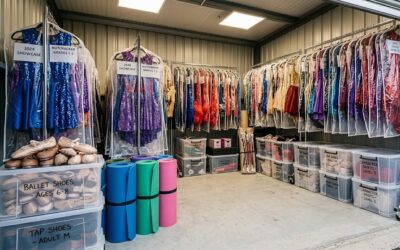
For many commercial deliveries, indoor storage is the natural fit. Newbury Self Store’s business storage options are described for uses such as archives, excess stock, equipment, furniture, brochures and stationery. Newbury Self Store also notes that deliveries can be accepted during opening hours, which is the key point for teams trying to smooth out supplier timing.
The facility is described as modern, purpose-built, dry and secure, with CCTV, a monitored alarm and reinforced steel entrance shutters. Those details matter, but they should be understood sensibly. Security measures reduce risk and support good storage practice; they are not a substitute for careful stock control or business insurance checks.
Indoor storage can suit boxed stock, printed materials and records that need to stay clean and orderly. If racking is available, it may make the unit easier to manage, but availability should always be checked before planning a layout around it.
Larger Loads May Need Ground Level Access
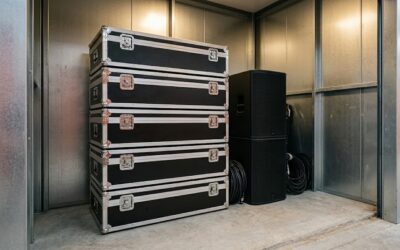
Some deliveries are awkward because of their size rather than their quantity. Event structures, bulky furniture, trade equipment or large crates may be easier to handle at ground level. In that case, 20-foot container storage can be worth considering because the official details describe standard containers of 160 sq ft with access 24 hours a day, seven days a week.
That type of space is not the same as a staffed delivery desk. It is better understood as a practical option for large items that need direct loading and flexible access. For delivery acceptance during opening hours, the business storage arrangement is the relevant route to discuss.
Choosing between indoor storage and container storage should come down to handling. If items are boxed, labelled and collected in smaller batches, indoor space may be easier to organise. If items are bulky and moved by vehicle, ground level access may matter more.
Packaging Choices Affect How Fast Collections Feel
Good packaging saves time long after delivery day. Weak cartons collapse, mixed boxes create confusion, and loose items turn a five minute collection into a careful unpacking exercise. If supplier packaging is not strong enough for storage, it is worth repacking before the unit fills.
Use consistent box sizes where possible, because they stack more neatly. Keep labels visible, tape boxes firmly, and wrap delicate items so they can be moved without hesitation. For businesses preparing stock or materials before storage, the available boxes and protective packing supplies include items such as boxes, bubble wrap, tape, covers, wrapping paper, labels, transit blankets and padlocks.
Packaging is part of the operating system. It helps the person collecting the goods trust what they are picking up, especially when the order was placed by someone else.
Delivery Acceptance Works Best With Clear Team Rules
A small business does not need a warehouse manual, but it does need a few shared rules. Without them, the storage unit can become a place where everyone drops things and nobody knows what is current.
Set rules for:
- Who can authorise supplier deliveries to the unit
- Who checks the delivery log each week
- How long goods can remain in the intake zone
- Which items must be photographed or counted
- When old stock, old print or obsolete kit should be removed
These rules are most useful when they are ordinary and repeatable. If they require too much effort, people will bypass them. A tidy storage routine should make the day easier, not create another admin burden.
The Time Saving Is Often In The Margins
The value of business storage with delivery acceptance is not always dramatic at first glance. It appears in smaller gains: fewer interrupted meetings, fewer blocked corners, fewer urgent rearrangements, fewer courier calls while someone is on site with a customer.
For a growing Newbury business, those margins matter. A team can keep its main premises focused on serving customers, making products or doing the work that earns revenue. Storage becomes a pressure valve, taking the bulk and timing problem away from the working floor.
Newbury Self Store is positioned for local businesses that need that kind of practical support in Newbury, Thatcham, Hungerford and surrounding West Berkshire. The most useful conversation is usually about what arrives, how often it arrives, who collects it and whether the goods are better suited to indoor business storage or a larger container arrangement.
Know When To Keep Deliveries On Site
Not every delivery belongs in storage. Items needed the same day, goods that require immediate quality checks, or materials with strict handling requirements may be better received directly by the business. Storage should simplify movement, not add an extra step where one is not needed.
It is also important to avoid vague plans such as “put the overflow somewhere”. A better test is whether the business can name the goods, the collection pattern and the person responsible. If those answers are clear, parcel receiving storage Newbury businesses use can become a dependable part of daily operations.
For teams that are short on time, space or both, a well planned storage arrangement can make supplier deliveries feel less disruptive. To talk through delivery patterns and practical storage options, call 01635 581 811 or speak with the team.