 01635 581 811
Most people discover the single vs double wall difference the hard way. They pack everything into whatever boxes they can find, stack them neatly in their storage unit, and return weeks later to find the bottom boxes crushed and their belongings damaged. Understanding box construction before you pack saves money, protects your items, and prevents the frustration of repacking everything halfway through your storage period.
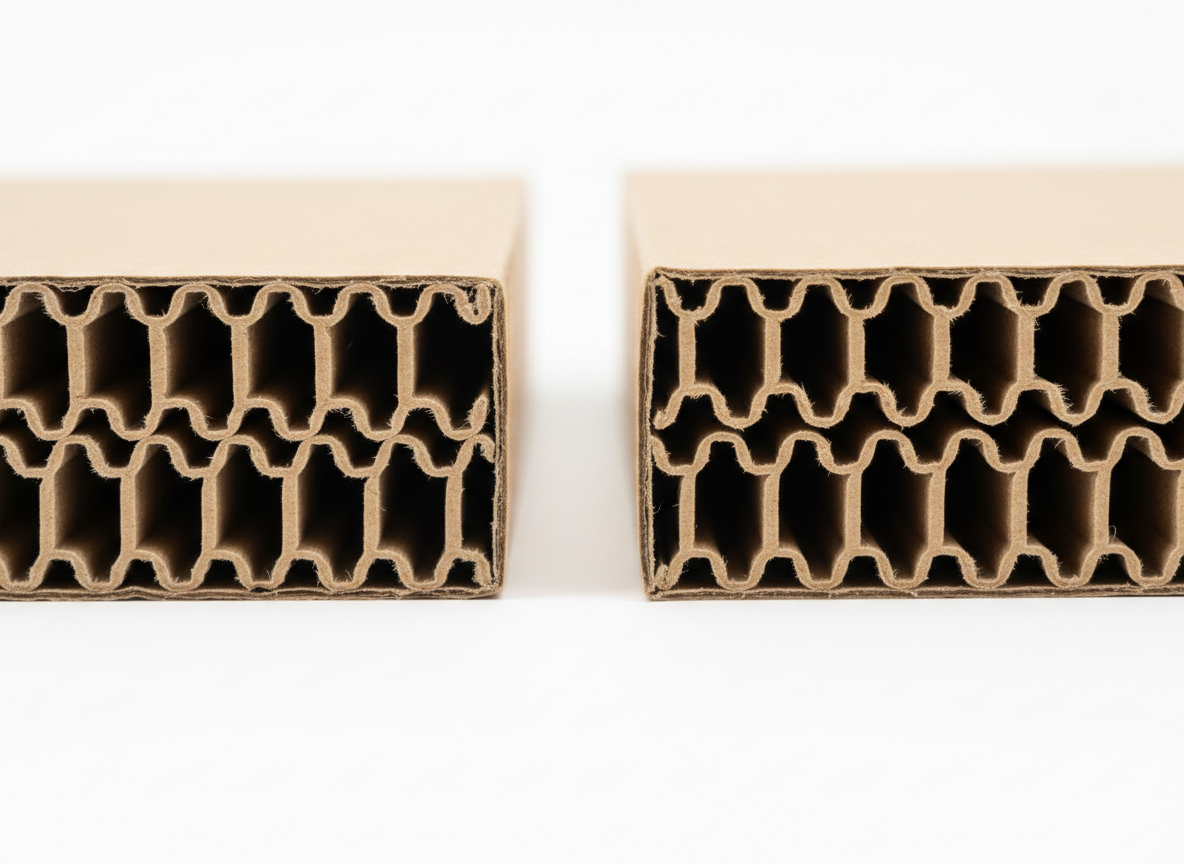
The distinction between these two box types comes down to construction layers and weight capacity. Single wall boxes feature three layers of material (one flute sandwiched between two sheets of cardboard), whilst double wall boxes contain five layers (two flutes with three cardboard sheets). This structural difference creates dramatically different performance characteristics that matter enormously when you are storing items for months or years.
Understanding Box Wall Construction
Single wall boxes represent the standard option you will find in most retail situations. The construction uses one layer of corrugated fluting between two flat linerboards, creating a lightweight yet reasonably sturdy container. These boxes typically handle items weighing up to 20 kilograms comfortably, making them suitable for a substantial range of household goods.
Double wall boxes take protection to another level entirely in the single vs double wall comparison. With two layers of fluting separated by a central linerboard, these boxes resist crushing forces far more effectively. They comfortably support items weighing 40 to 60 kilograms depending on the specific grade.
Think of the single vs double wall difference like comparing a paperback book to a hardcover. Both protect the pages inside, but the hardcover withstands considerably more abuse during transport and storage. The same principle applies to box construction, where additional layers translate directly into enhanced protection under sustained weight and pressure.
When Single Wall Boxes Work Best
Single wall boxes excel in situations where weight and stacking pressure remain moderate. Clothing storage represents an ideal use case. Folded garments, even when you pack a box completely full, rarely exceed the weight capacity of single wall construction. The boxes protect items from dust whilst allowing some air circulation, and the lower cost makes financial sense for items that do not require maximum protection.
Books and documents fit well in single wall boxes, provided you do not overfill them. A common mistake involves packing books until the box becomes too heavy to lift safely. When you limit book boxes to half or two-thirds full in the single vs double wall decision, single wall construction handles the weight perfectly whilst keeping the box light enough for one person to move comfortably.
The cost advantage of single wall boxes becomes significant when you are packing an entire household. If you need 30 boxes for a storage project, choosing single wall options for appropriate items might save you £60 to £90 compared to using double wall boxes throughout. That money often covers several months of additional storage costs or quality protective materials.
Situations That Demand Double Wall Protection
Heavy items require double wall boxes without exception in any single vs double wall assessment. Kitchen appliances, small electronics, tools, and dense household goods all benefit from the additional structural support. A coffee machine, toaster, and food processor packed together in a single wall box creates a recipe for bottom failure, especially if other boxes sit on top throughout storage.
Long-term storage scenarios favour double wall boxes because cardboard degrades slowly over time. Humidity fluctuations, even in climate-controlled facilities, gradually weaken cardboard fibres. Double wall boxes maintain their structural integrity far longer, making them essential for items you will not access for a year or more.
One customer learned the importance of this single vs double wall decision after storing archive boxes in single wall containers. After eight months, the bottom boxes in each stack had compressed by several centimetres, making retrieval difficult and damaging some files that could not be replaced. Switching to double wall boxes for the remaining archives prevented any further problems throughout the storage period.
The Stacking Factor in Storage Units
Stacking dynamics change everything about box selection in the single vs double wall comparison. A single wall box sitting alone on a shelf performs perfectly well within its weight rating. That same box positioned at the bottom of a stack supporting three other boxes faces entirely different forces that exceed its design parameters.
Weight accumulates rapidly when you stack boxes. Four boxes each weighing 15 kilograms create 60 kilograms of downward force on the bottom box. Single wall construction handles this pressure poorly over time. The walls gradually bow outward, the corners weaken, and eventually the box fails in a way that damages not just its own contents but the boxes above it too.
Professional storage managers recommend mixing box types strategically for exactly this reason. Use double wall boxes for the bottom layer of stacks and for any boxes containing heavy items. Single wall boxes work perfectly well for lighter items positioned on top of stacks or stored on shelving units where they will not bear additional weight from above.
Cost Analysis and Smart Buying Decisions
Single wall boxes typically cost £1.50 to £3.00 each in standard sizes, whilst comparable double wall boxes range from £3.00 to £5.00. This price difference seems substantial until you consider the cost of damaged belongings or the expense of replacing failed boxes and repacking everything when the single vs double wall decision goes wrong.
A crushed box does not just damage its own contents. When a bottom box fails in a stack, boxes above it shift and potentially fall, creating a cascade effect. I have witnessed situations where a single failed box caused damage to items in five or six surrounding boxes. The £2.00 saved on a cheaper box cost the customer hundreds in damaged belongings and hours of repacking time.
Smart buying involves matching box strength to specific needs. Create an inventory of what you are storing before purchasing boxes. Group items by weight and fragility, then calculate how many boxes of each type you need. This approach prevents both overspending on unnecessary double wall boxes and the false economy of using single wall boxes where they will fail under the actual loads placed on them.
Newbury Self Store and Professional Guidance
Box selection represents just one element of proper storage preparation. Quality packaging supplies including bubble wrap, packing paper, and proper tape dramatically improve protection regardless of which box type you choose in the single vs double wall comparison. Single wall boxes packed expertly with appropriate internal cushioning often outperform poorly packed double wall boxes in real storage situations.
Newbury Self Store approaches box selection as part of comprehensive storage planning. The type of unit you choose, the duration of storage, and your access requirements all influence which boxes work best for your specific situation. Professional guidance prevents expensive mistakes by identifying which items need moving box strength beyond basic single wall construction.
Quality packing supplies including the right tape and protective materials work in concert with your box choices to create comprehensive protection. The right boxes poorly packed still fail, whilst quality packing in appropriate boxes provides years of reliable protection throughout extended storage periods.
Integrating Box Choice With Storage Strategy
Your storage unit layout should reflect box strength distribution. Position double wall boxes containing heavy items near the unit entrance where you can access them without moving other boxes. This placement also allows these sturdy boxes to serve as anchors for your storage configuration throughout the rental period.
For business storage situations, double wall boxes for archived documents and commercial inventory maintain their integrity through multiple access cycles and extended periods between visits. The professional appearance of well-maintained double wall boxes also matters in business contexts where clients or auditors may visit storage facilities.
For personal storage during house moves or life transitions, the single vs double wall decision at the packing stage determines the condition of your belongings throughout the storage period. Items packed correctly in appropriate boxes from the beginning avoid the repacking and damage that poor initial decisions create.
Business Applications and Bulk Storage
Business storage requirements typically favour double wall boxes almost exclusively. Archive boxes containing important documents must maintain their integrity for years, often whilst stacked in high-density configurations that would crush single wall alternatives within months of loading.
For container storage applications involving large-scale moves or substantial business inventory, double wall boxes resist the environmental variations that containers experience across seasonal cycles. Ground-level access reduces the handling stress on boxes during loading and retrieval, but the sustained weight of long-term stacking remains the critical factor that favours double wall construction throughout.
Quality double wall boxes last through multiple storage cycles, reducing per-use costs below single wall alternatives that need replacing regularly. This durability simplifies inventory management since boxes maintain consistent dimensions rather than gradually compressing into shapes that prevent efficient stacking.
Making Your Final Decision
Assess each category of items you are storing individually. Kitchen items split naturally into heavy (appliances, cookware) requiring double wall boxes and light (plastic containers, utensils) suitable for single wall. Clothing almost always works in single wall boxes in the single vs double wall comparison, unless you are storing heavy winter coats or shoes that bring total weight close to limits.
Consider your timeline carefully. Storage lasting less than three months might allow single wall boxes in situations where longer storage demands double wall construction. The cardboard degradation factor becomes significant beyond the three-month mark, particularly in stacks or high-density storage configurations common in storage units.
Calculate total project costs including potential damage, not just box purchase prices. A storage project protecting £5,000 worth of belongings deserves appropriate investment in quality boxes. Spending an extra £50 on double wall boxes where needed provides enormous value compared to risking damage to items worth thousands throughout an extended storage period.
Ready to get started with the right moving box strength and storage solution for your needs? Call 01635 581 811 or contact our packaging team for expert guidance on box selection and storage options.