
 01635 581 811
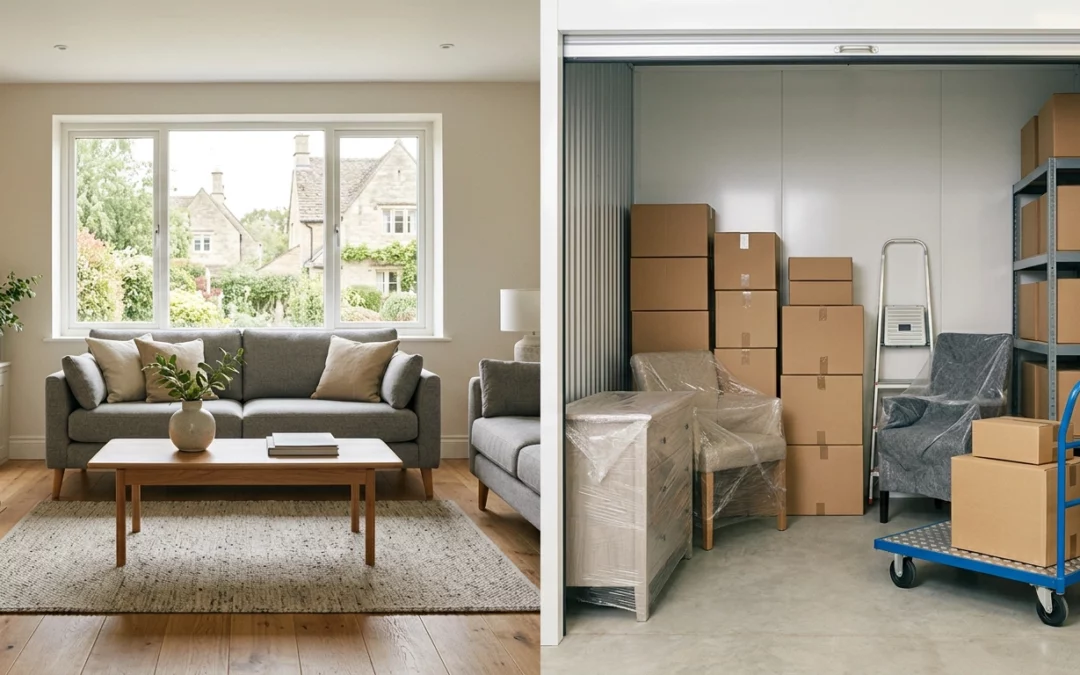
Your home should feel spacious enough to breathe, yet many homeowners find themselves tripping over boxes, squeezing past furniture, and wondering when their living room became a storage unit. The instinct is often to move house, but relocating comes with enormous costs: estate agent fees, solicitor charges, stamp duty, and the sheer disruption of packing up your entire life.
A personal storage solution offers a practical way to create extra home space without the upheaval of moving. By temporarily relocating items you need but do not use daily, you can transform cramped rooms into functional spaces that actually serve your lifestyle. This approach has helped thousands of homeowners rediscover their homes without changing their postcode.
Why Homes Feel Smaller Than They Are
Most properties do not shrink over time, but they certainly feel like they do. The culprit is not the walls closing in but rather the steady accumulation of possessions that gradually consume every available surface and cupboard.
Families grow and children accumulate toys, sports equipment, and school projects. Home workers suddenly need dedicated office space that did not exist in the original floor plan. Hobbies evolve, bringing specialist equipment that seemed essential at the time but now sits unused for months. Sentimental items from parents or grandparents arrive with emotional weight that makes disposal unthinkable.
The psychological impact of clutter extends beyond aesthetics. Research consistently shows that crowded living spaces increase stress levels, reduce productivity, and even affect sleep quality. When you cannot find what you need or feel embarrassed to invite guests over, your home stops being a sanctuary and becomes a source of anxiety.
Identifying What Deserves Prime Real Estate
Not everything in your home earns its place through daily use. The key to creating extra home space lies in honestly assessing which items genuinely need to occupy your immediate living area.
Start by categorising your possessions into three groups: daily essentials, seasonal items, and occasional-use belongings. Daily essentials are straightforward: things you touch at least weekly. Seasonal items include Christmas decorations, summer garden furniture, winter sports gear, and camping equipment. Occasional-use belongings represent the trickiest category because they are genuinely useful but might only see action once or twice yearly.
Think of your home like a computer’s active memory. You would not keep every file open simultaneously because it slows everything down. The same principle applies to physical space. That wedding dress, your children’s baby clothes, archived business documents, and spare furniture all have value without needing to consume your living space 365 days a year.
How Offsite Storage Functions as a Home Extension
A personal storage solution works like adding a room to your house without the building costs or planning permission. You gain secure, accessible space that holds everything you want to keep but do not need cluttering your daily environment.
I worked with a family last year who had been considering a house move purely because their three-bedroom semi felt impossibly cramped. After a systematic review, we identified two categories consuming disproportionate space: the father’s extensive tool collection used for weekend projects, and boxes of children’s artwork and school memories. Neither category needed daily access. Within a weekend, they had relocated these items into storage, and suddenly their home felt as though it had gained an entire room. Six months later, they had completely abandoned moving plans and redirected that budget towards a kitchen renovation instead.
Unlike shoving boxes into a damp garage or overcrowded loft, proper storage units provide clean, dry, secure environments that actually preserve your belongings. The process is remarkably straightforward: identify items for storage, pack them properly using affordable packing supplies, transport them to a facility, and access them whenever needed.
Room-by-Room Strategy for Reclaiming Space
Creating extra home space requires a methodical approach rather than random decluttering. Start with the room causing the most frustration, typically the living room, spare bedroom, or garage.
Living areas benefit from removing seasonal decorations, occasional-use electronics, excess books, and furniture pieces awaiting repair or future use. Keep only what serves your current daily routine. Bedrooms gain immediately from rotating seasonal wardrobes rather than cramming every coat and dress into overstuffed closets. Store out-of-season clothing, spare bedding sets, and luggage that only emerges for holidays.
Home offices benefit from archiving completed project files, old tax documents, and reference materials now available digitally. Garages and sheds often become dumping grounds for everything homeless. Store garden furniture during winter, camping gear between trips, and sports equipment for activities not currently in season. Create a detailed inventory as you pack, photographing items and listing contents on box labels.
Professional Storage: Security and Accessibility
The quality of your storage solution directly impacts its effectiveness. Damp garden sheds and cluttered loft spaces often damage belongings and remain so inconvenient that you never actually access stored items when you need them.
Professional facilities offer climate-controlled environments that prevent moisture damage, mould growth, and temperature-related deterioration. Security systems including CCTV, individual unit alarms, and controlled access mean your possessions often enjoy better protection than they would at home.
Newbury Self Store provides flexible access arrangements that let you retrieve items on your schedule, not theirs. This convenience transforms storage from a last resort into a practical lifestyle tool for creating and maintaining extra home space throughout every season.
Cost Analysis: Storage Versus Moving
The financial comparison between storage and moving reveals why smart homeowners choose the former. Consider the typical costs of relocating to gain one additional bedroom.
Moving expenses include estate agent fees (1 to 3 percent of property value), solicitor fees (£850 to £1,500), stamp duty (potentially thousands depending on property value), removal costs (£400 to £1,200), and the hidden costs of time off work, redirected mail, and inevitable repairs in a new property. For a modest upgrade, you are easily looking at £15,000 to £25,000 in total costs.
Compare this to storage costs. A medium-sized unit typically runs £80 to £150 monthly. Even over several years, storage represents a fraction of moving costs whilst delivering immediate space benefits. You avoid disruption, maintain your established neighbourhood connections, keep children in their schools, and preserve your commute arrangements.
Seasonal Rotation Systems
One of the most effective applications of a personal storage solution involves seasonal rotation. This approach treats your storage unit like a wardrobe, swapping items based on current needs rather than keeping everything accessible simultaneously.
Winter storage might include garden furniture, barbecue equipment, summer sports gear, and lightweight clothing. Come spring, you swap these for winter coats, snow equipment, heavy blankets, and seasonal decorations. This rotation keeps your home optimised for current activities whilst ensuring nothing gets permanently lost or forgotten.
Set calendar reminders for rotation days, typically at season changes. Make it a family activity where everyone participates in the swap. This regularity prevents storage becoming a dumping ground and ensures you are actively using the extra home space you have created through strategic relocation of seasonal items.
Storage Solutions for Different Life Situations
Growing families benefit enormously from a personal storage solution. Baby equipment including cots, prams, and high chairs represents significant investment worth keeping for future children but consumes enormous space between uses. Store outgrown items rather than cluttering your home with equipment for a child who has not yet arrived.
Home workers can convert spare room corners into proper workspace by relocating leisure items and seasonal belongings. Monthly business storage also accommodates archived documents and equipment for self-employed professionals whose work has grown beyond available home office space.
Downsizers choosing smaller properties for financial or lifestyle reasons can preserve cherished possessions through storage, bridging the gap between the home they want to live in and the belongings they are not yet ready to part with permanently.
Maximising Your Storage Investment
Smart storage use extends beyond simply moving boxes offsite. Proper organisation within your unit ensures you can actually find and access items when needed. Place frequently accessed items near the unit entrance. Stack boxes strategically with heavier items at the bottom and clearly labelled sides facing outward.
For larger seasonal items or whole-room clearances, accessible container storage provides drive-up access that simplifies loading significantly. Driving directly to your unit eliminates the need to carry heavy garden furniture, appliances, or sports equipment through corridors.
Label everything extensively. “Kitchen stuff” tells you nothing six months later, whilst “Kitchen: Christmas serving dishes, red tablecloths, festive napkins” provides actionable information. Take photographs of box contents before sealing them and store these images in a dedicated folder on your phone.
When to Review Storage Contents
Storage should not become a permanent holding pattern for items you will never use again. Schedule annual reviews to assess whether stored belongings still serve a purpose.
Ask yourself honestly: Have I needed this item in the past year? Does it still fit my lifestyle? Would I buy it again today? Does it hold genuine sentimental value? Some items naturally leave storage as circumstances change. Children’s baby clothes go to friends with new babies. Completed project materials become unnecessary. Selling, donating, or disposing of these items reduces storage costs and ensures you are only paying for genuinely useful extra home space.
This review process also identifies items ready to return home. Perhaps you have reorganised and now have room for that piece of furniture. Maybe a hobby has reignited and the equipment deserves accessible placement. A personal storage solution provides flexibility to adapt as your life evolves rather than locking you into fixed arrangements.
Making the Transition to Smart Storage
Starting with storage feels daunting, but breaking the process into manageable steps makes it achievable. Begin with one room or category rather than attempting whole-house organisation overnight.
Gather proper packing materials before you start. Sturdy boxes, protective wrapping, and quality tape prevent damage and frustration. Set realistic timeframes: allocating a weekend to sort one room thoroughly beats rushing through your entire house in a day and making poor decisions. Involve family members in decisions about shared items to prevent future conflicts about relocated belongings.
The psychological benefits extend beyond the practical advantages. Clear spaces promote clear thinking. When your environment feels organised and manageable, stress levels drop noticeably. Creating extra home space through strategic storage often delivers improvements in daily mood and mental clarity that homeowners did not anticipate when they first considered the option.
To discuss the perfect personal storage solution for your specific situation, call 01635 581 811 or contact our team for expert guidance on reclaiming your living space today.