
 01635 581 811
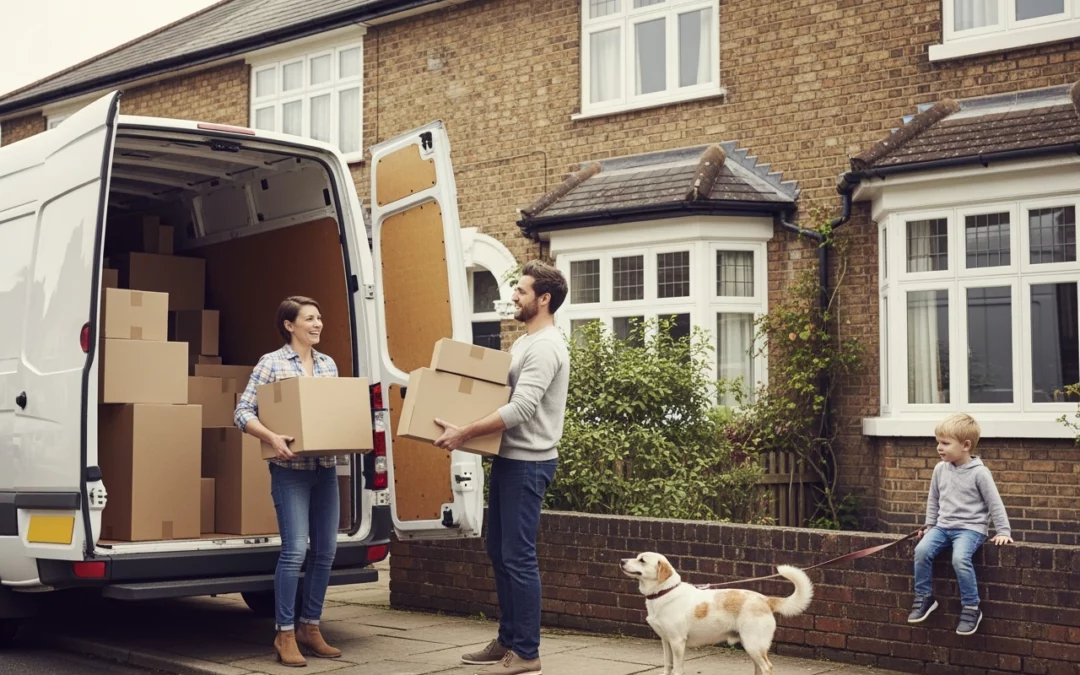
Moving house ranks among life’s most stressful events, and adding children and pets to the equation multiplies the complexity tenfold. The day itself becomes a juggling act between supervising toddlers, calming anxious pets, directing removal teams, and somehow keeping track of which boxes contain essentials. Moving house with children storage is not just a convenience; it is a fundamental rethinking of how families approach one of life’s major transitions.
The traditional approach treats moving as a one-day operation: pack everything, load the lorry, unload at the new property, and somehow settle in immediately. This model might work for a single person with minimal belongings, but it fails spectacularly when you are responsible for young children who need attention, pets who require reassurance, and a household full of accumulated possessions. The pressure to complete everything at once leaves families exhausted, stressed, and often dealing with the consequences for weeks afterwards.
Why Moving Day Overwhelms Families
The average family move involves coordinating dozens of competing demands within a narrow timeframe. You are managing removal teams, completing final property checks, keeping children occupied and away from hazards, ensuring pets do not escape through constantly open doors, and making countless split-second decisions about where items should go. Each responsibility demands your full attention, yet you are forced to divide your focus across all of them simultaneously.
Children experience moving day as a disruption to everything familiar. Their routine vanishes, their belongings disappear into boxes, and the adults around them radiate stress. Young children struggle to understand why their home is being dismantled, whilst older children may feel anxious about leaving friends and familiar surroundings.
Pets face their own challenges during moves. Dogs and cats sense the disruption and often respond with anxiety, hiding, or attempts to escape. The constant movement of strangers carrying furniture, open doors providing escape routes, and the disappearance of familiar scents create a genuinely stressful environment. Many pets require supervision throughout the day, adding another layer of responsibility to an already overwhelming situation.
The Storage Solution: Creating Space and Time
Moving house with children storage breaks a traditionally overwhelming single day into three manageable phases: pre-move preparation, the actual moving day, and post-move settling. Each phase has distinct objectives, and none requires you to sacrifice your children’s wellbeing or your pets’ safety for the sake of logistics.
The psychological benefit extends beyond practical logistics. Knowing you have secure storage available removes the pressure to make immediate decisions about every possession. You can focus on setting up essential rooms first, creating a functional living space for your family, and then gradually integrating remaining belongings as you settle in.
I worked with a family last spring who exemplified this approach perfectly. They moved their two young children and an elderly Labrador to a property requiring significant decorating work. Rather than attempting to live amongst paint fumes and building materials, they stored most of their belongings and moved in with just essentials. The children adapted quickly because their immediate environment remained calm and organised, whilst the dog had space to explore without navigating around stacked boxes. Within six weeks, they had completed the decorating and gradually retrieved items from storage, creating a home rather than simply filling a house.
Phase One: Pre-Move Decluttering and Packing
Starting the storage process weeks before moving day transforms the entire experience. Begin by identifying items you will not need during the transition period: seasonal decorations, excess furniture, archived documents, and collections requiring careful handling. These items can move to flexible personal solutions personal storage well before moving day, immediately reducing the volume you are managing.
Involving children in this process requires age-appropriate approaches. Younger children can help pack their toys, choosing special items to keep accessible whilst others go into storage temporarily. Frame it as their belongings going on an adventure and coming back later. Older children can take responsibility for packing their own rooms, making decisions about what they need immediately versus what can wait. This involvement gives them some control during an otherwise disruptive period.
The physical act of removing boxes to storage creates visible progress and a calmer home environment. Each trip to storage means fewer obstacles to navigate, less visual clutter, and reduced anxiety for everyone. Children notice the difference, and pets benefit from the gradual reduction in disruption rather than experiencing everything changing overnight.
Phase Two: Moving Day Strategy
With non-essential items already in storage, moving day focuses on core belongings and maintaining family wellbeing. Consider designating a safe room for young children during the move, equipped with familiar toys, snacks, and entertainment. This space remains off-limits to removal teams, providing a calm refuge where children can play under supervision whilst chaos unfolds elsewhere.
Similarly, pets benefit from being confined to a quiet room with their beds, toys, and water, preventing escape attempts and reducing their stress levels. The staged approach means you are only moving items needed immediately at the new property. Beds, essential kitchen equipment, toiletries, a few days’ clothing, and items that help children and pets feel secure take priority. Everything else follows later from storage once you have established basic functionality.
This is the core benefit of moving house with children storage done properly: you are not trying to move an entire household in eight hours whilst simultaneously being a reassuring parent and a responsible pet owner. You have already moved most of it.
Phase Three: Settling In Without Chaos
The period after moving day determines how quickly your family adjusts to the new home. Focus first on establishing essential routines. Set up bedrooms so everyone sleeps comfortably, organise the kitchen for daily meals, and create functional bathroom space. These foundations help children and pets adjust because their basic needs are met in familiar ways.
Children adapt more successfully when they see progress rather than chaos. Unpacking their room completely, arranging their belongings, and creating their personal space provides security and ownership. Pets similarly benefit from gradual adjustment. Once essential furniture is positioned, they can explore their new territory without navigating obstacle courses of boxes.
Retrieving items from storage becomes a manageable weekend task. You might collect seasonal items as weather changes, retrieve archived documents when you have organised your home office, or bring back furniture once you have decided on room arrangements. Each retrieval is planned and purposeful rather than desperate and chaotic.
What to Store During a Family Move
Seasonal items top the list of belongings that benefit from temporary storage during moves. Excess furniture often becomes apparent during moves too. Rather than making immediate decisions or cluttering rooms with unnecessary furniture, storage provides time to consider options. Flexible business units work well for working parents who need to keep home office equipment, archives, and business inventory separate from household items during the transition.
Sentimental belongings require protection during the chaos of moving and settling in. Family photographs, inherited items, children’s memory boxes, and irreplaceable possessions deserve secure storage rather than being stacked in garages or spare rooms. Accessible container options with drive-up access work particularly well for families with substantial belongings requiring accessible yet secure storage during transition periods.
Moving boxes ready quality protective materials are essential throughout a family move. Proper boxes that children can help load safely, clear labels they can read, and wrapping that protects fragile items all contribute to a process that feels organised rather than frantic.
Newbury Self Store: Flexibility for Family Timelines
Newbury Self Store provides the flexibility families need during this transition, with access available when it suits your schedule rather than forcing everything into a single day. You might move items to storage over several weekends, then gradually retrieve them as your new home becomes ready. This flexibility removes the artificial pressure that makes moving day with children and pets so stressful.
Moving house with children storage is not a luxury for families who cannot cope; it is a logical approach for any family that wants to prioritise their children’s wellbeing and pets’ security over the arbitrary goal of completing everything in 24 hours.
Practical Storage Tips for Moving Families
Labelling systems make the difference between organised storage and future headaches. Use clear, detailed labels identifying contents and intended room in the new house. Keep essential items separate from storage. Pack a first week box for each family member containing clothing, toiletries, medications, and comfort items. Children should have favourite toys and books accessible, whilst pets need their regular food, bowls, and familiar bedding.
One analogy I find useful is comparing storage during moves to scaffolding during building work. Nobody suggests scaffolding is a permanent feature, but it is essential for safely completing the project. Similarly, storage is not a permanent solution but temporary infrastructure supporting your transition. Think of moving house with children storage like conducting an orchestra rather than running a race: every section plays its part at the appropriate time, creating harmony rather than noise.
The families who manage moves most successfully recognise that speed is not the objective. Creating a stable, safe environment where children adjust comfortably and pets feel secure matters far more than unpacking every box within 48 hours.
Call 01635 581 811 or contact us to discuss storage solutions that protect what matters most during your family’s transition.