
 01635 581 811
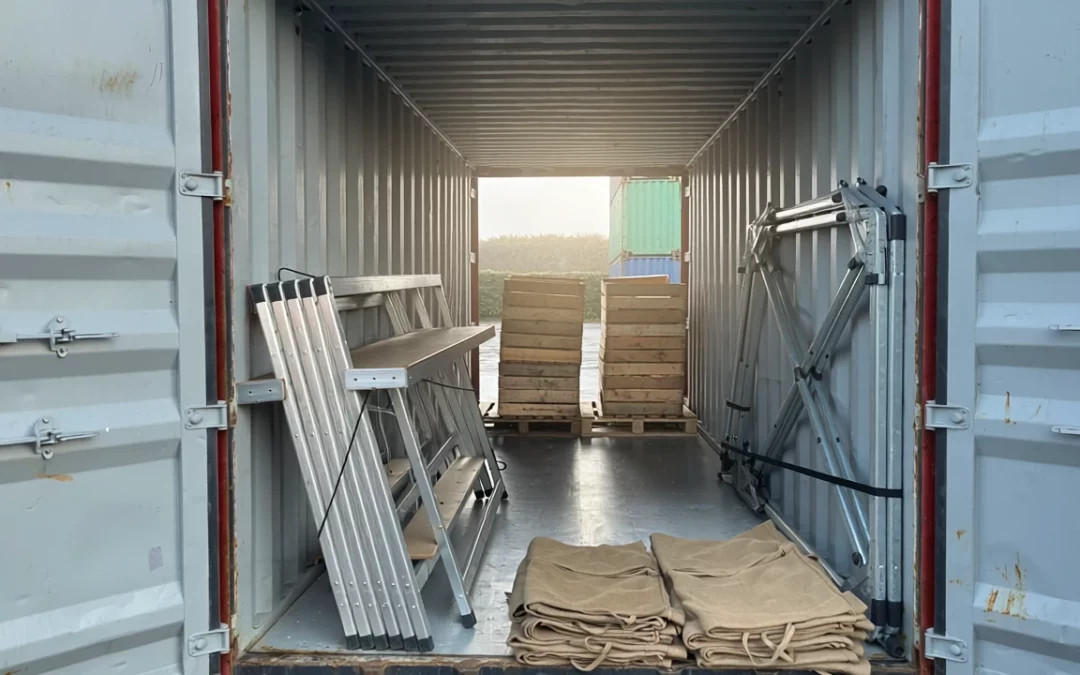
Picture this: it’s 5am, your market starts in two hours, and you’re standing in your garage trying to wrestle a damp gazebo out from behind three folding tables and a box of signage that somehow ended up at the very back. Sound familiar? For most market traders, the chaos of storing and retrieving equipment is just as exhausting as the trading day itself. The kit that earns your living, gazebos, display units, electrical equipment, packaging supplies, deserves better than a cluttered corner of your home. Farmers market storage Newbury brings order to the chaos, protects gear that costs real money to replace, and gives you back time and energy on the mornings that matter most.
The Reality of Market Trading Logistics
The Physical Demands of Setting Up and Packing Down
Moving heavy equipment twice a week takes a real toll. Most market traders build up hundreds of pounds of kit over time: folding tables, weighted gazebo legs, display units, signage, and all the smaller items that make a professional pitch work. That gear deserves better than being hastily stacked in the back of a van between markets.
Why Home Storage Fails Market Traders
Keeping everything at home creates clutter and causes damage. A damp garage or exposed garden shed offers neither the security nor the stable environment that market equipment needs. Over time, deteriorating kit quietly eats into margins that are already under pressure.
The Unique Storage Needs of Market Traders
Security Risks and Equipment Values
The value of market kit adds up faster than most traders expect. A quality gazebo costs £300 to £800, professional display units run £200 to £500, and signage, weights, and accessories can easily push the total into four figures. Theft from domestic outbuildings is common, particularly in rural areas where many market traders are based.
How Temperature and Humidity Damage Trading Gear
Environmental conditions do quiet, consistent damage. Wooden display stands warp in damp conditions. Fabric canopies develop mildew. Electronics corrode when moisture gets in. Stable, dry storage solutions extend equipment life significantly and cut down on the replacement costs that chip away at trading income.
Protecting Your Market Equipment
Gazebos and Fabric Canopies
A gazebo is usually the biggest single investment for any market trader. It needs to be stored flat or properly supported to prevent frame distortion, and the canopy must be completely dry before packing away to stop mould taking hold. One trader I worked with lost a £600 gazebo to mildew after storing it damp just three times. The fabric deteriorated beyond repair within six months.
Display Furniture and Accessories
Damp conditions are hard on display furniture. Folding tables develop weak joints, metal frames rust, and wooden surfaces warp or split. Stacking market equipment with proper air circulation prevents the kind of damage that makes your pitch look tired and unprofessional. Tatty equipment sends the wrong message to customers before they’ve even looked at your products.
Electrical Equipment and Card Terminals
Card terminals, lighting rigs, and phone chargers all contain sensitive components. Moisture causes corrosion that leads to faults or outright failure, often at the worst possible moment. Keeping trading equipment of this kind in sealed containers within a dry, secure unit is the simplest way to protect kit that your trading day depends on.
Organising Supplies for Quick Turnaround
Creating an Efficient Loading Sequence
Good organisation makes a real difference on early market mornings. Think of your storage space like a pit crew garage: everything positioned for rapid deployment. Items you need first sit closest to the door. Heavy bases and weights stay at floor level, with lighter items like signage and tablecloths stacked above.
A solid loading sequence saves time and frustration. Load your vehicle in reverse order of setup: gazebo last in, first out. Display stands follow, then stock, then the smaller accessories. This approach stops you unpacking half the van to reach something buried at the back.
Storing Packaging Materials and Consumables
Keep a dedicated spot in your storage unit for consumables. Boxes, paper bags, tissue paper, and spare containers accumulate quickly, and damp ruins them fast. Wet cardboard loses its structural strength and looks unprofessional. Mouldy packaging is simply unusable. When supplies run low between markets, you can stock up on boxes and packing supplies directly at Newbury Self Store at competitive prices.
Climate Control for Sensitive Items
Electronics and Moisture Risk
Electronics benefit enormously from a stable, dry environment. Card readers, battery packs, and portable speakers all contain components that moisture attacks over time. Storing trading equipment of this kind in a dry, secure unit extends its working life considerably. Replacing a card reader costs £100 to £300, an expense that proper equipment protection easily prevents.
Fabric Items and Mildew Prevention
Fabric needs dry storage with decent air circulation. Mildew sets in quickly in damp conditions, leaving stains that rarely disappear fully and weakening the fabric fibres over time. A single season of poor storage can write off market equipment that should easily last five years or more.
How Newbury Self Store Supports Market Traders
Open 7 Days a Week for Flexible Access
Newbury Self Store is open seven days a week, including weekends, which suits traders preparing for Saturday and Sunday markets. The facility is always staffed during opening hours, so there is someone on hand if you need assistance. For traders who need access outside standard hours, outdoor container storage is available around the clock.
Unit Options and Security Features
You can explore business storage units in Newbury with a range of sizes to suit different trading setups, whether you run a small craft stall or a full produce pitch with a commercial gazebo. Security at the facility includes CCTV, a monitored alarm system, and reinforced steel shutters, keeping your trading equipment protected between trading days. That peace of mind frees you up to focus on your products and your customers.
Practical Loading and Access Strategies
Drive-Up Access for Heavy Equipment
When you are moving a gazebo, weighted bases, and multiple display units, every bit of convenience matters. With the option to access outdoor container storage 24/7, you can load up the night before a market or arrive at whatever hour your pitch requires. The containers sit at ground level, so large and heavy items transfer directly from your vehicle without the need for lifts or long corridors.
Zoning Your Storage Space
Treat your storage unit the same way you would treat your market pitch: organised by zone. Keep gazebo and structural items together, display furniture in its own area, and stock and supplies in a separate section. Small accessories go in clearly labelled boxes. With this setup, you can find anything quickly, even when you are loading early in the morning.
Cost Management for Market Traders
Equipment Protection Versus Replacement Costs
It is worth thinking about what home storage actually costs you. A spare bedroom, garage, or shed occupied by market kit is space you cannot use for anything else. Beyond that, poorly stored equipment wears out faster. A gazebo that lasts seven years instead of three saves you two full replacements, and consistent equipment protection often outweighs storage costs within a season or two.
Storage as a Tax-Deductible Business Expense
If you are just starting out, it makes sense to find a flexible personal storage unit that keeps initial overheads manageable while your business builds. As your trading income grows, you can move into a larger unit that fits your full setup comfortably. These storage solutions also qualify as tax-deductible business expenses for most regular traders. Your accountant can confirm the specifics, but keeping proper records from the start makes the process straightforward.
Equipment Maintenance Between Markets
Routine Checks and Cleaning During Storage Visits
Storage visits are a good opportunity to stay on top of maintenance. Check gazebo frames for stress cracks, tighten any loose bolts, and treat minor rust spots before they develop into bigger problems. A gazebo leg that fails mid-setup ruins your entire day. Catching it during a quick midweek visit costs ten minutes and saves hundreds of pounds.
Cleaning equipment between markets also helps. Wiping down display stands removes moisture that leads to rust. Brushing dried mud off gazebo feet stops corrosion taking hold. Keeping tablecloths and fabric items clean between uses maintains a sharp, professional look at your pitch.
Inventory Management to Avoid Market Day Surprises
Checking your stock levels during storage visits gives you breathing room. Spotting that you are low on paper bags or change float while you are at your unit means you have time to sort it out. Discovering the same thing at 6am on market day is a very different experience. Regular inventory checks turn your farmers market storage Newbury unit into a proper operational base, not just somewhere to dump equipment.
Growing Your Market Business
Scaling Storage as Your Trading Operation Expands
Growth happens fast once trading picks up. One market a week might fit in your garage. Add a second market or upgrade to a larger pitch, and domestic storage quickly runs out of space. Building the right storage solutions into your growth plan from the start prevents equipment damage and keeps your home liveable.
Managing Equipment for Multiple Market Days
Running multiple markets takes careful organisation. Saturday gear needs to be separate from Sunday gear, or at least clearly labelled and easy to access. Some traders maintain entirely separate setups for each market, whilst others work from a shared core kit with market-specific additions. Either way, proper equipment protection and organised storage makes the difference between a smooth week and a chaotic one.
Conclusion
Good farmers market storage Newbury changes how you approach every trading day. It protects your equipment, keeps your pitch looking sharp, and cuts down on replacement costs that build up over the seasons. Done right, it pays for itself.
To find out how we can support your trading setup, call 01635 581 811 or get in touch with our team for a no-obligation conversation.