
 01635 581 811
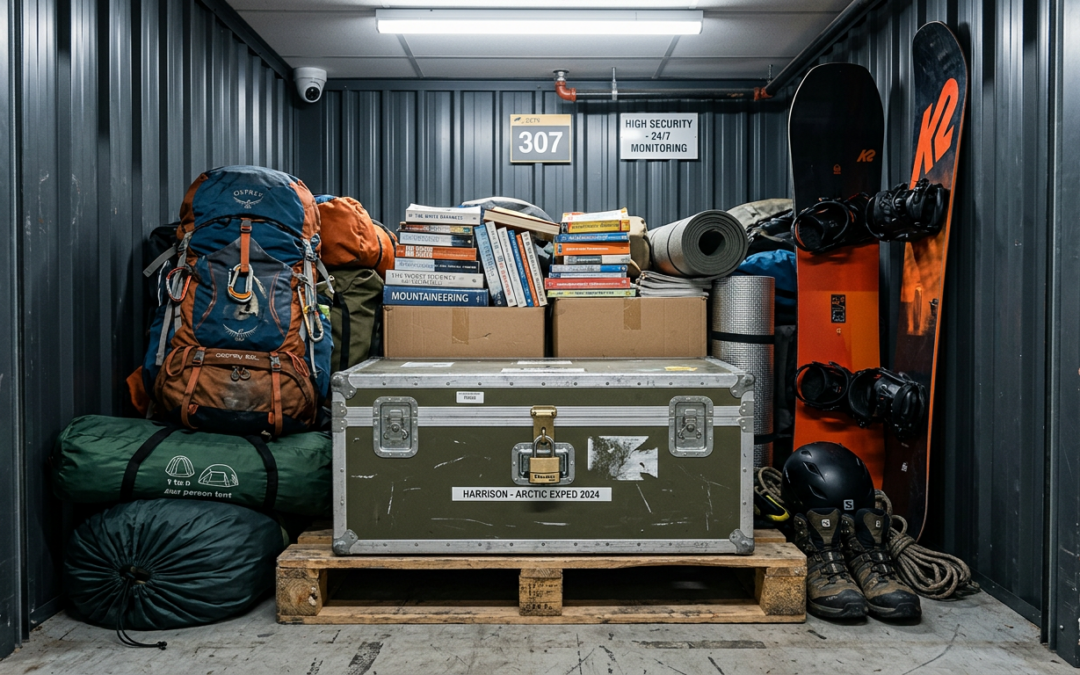
Taking a gap year represents one of life’s most exciting transitions, but the logistics of storing belongings while exploring distant shores can feel overwhelming. Whether the destination is teaching English in Thailand, volunteering in South America, or backpacking through Europe, the last thing anyone wants cluttering their mind is worry about possessions back home in West Berkshire.
The average gap year traveller from this region faces a unique challenge: what to do with everything from university textbooks and winter clothing to musical instruments and cherished mementos when family homes might not have the space, or when parents are downsizing just as the journey begins. Gap year storage UK providers offer gives travellers a practical solution that keeps belongings safe, accessible, and organised while the focus shifts to collecting passport stamps and life experiences.
Understanding Your Gap Year Storage Needs
Before choosing storage options, taking stock of what actually needs storing makes all the difference. Most gap year travellers from West Berkshire fall into three categories: recent graduates storing university belongings, young professionals taking career breaks, or students deferring their studies. Each situation demands different storage considerations.
Start by creating a comprehensive inventory. This isn’t just about listing items; it’s about understanding the volume and nature of what’s being stored. A typical university student might need space for books and study materials (often 3 to 4 boxes worth), seasonal clothing including winter coats and formal wear, electronics like desktop computers and monitors, sports equipment such as bikes and skis, any furniture from student accommodation, and sentimental items including photos, awards, and collections.
Young professionals taking career breaks often add professional wardrobes, home office equipment, and potentially larger furniture pieces. The key is distinguishing between items definitely needed upon return versus things being kept “just in case.”
Calculating The Right Storage Unit Size
Choosing the correct unit size is like selecting the right backpack for travels; too small and everything gets crammed in uncomfortably, too large and money goes toward wasted space. Most gap year storage UK travellers need falls within the 25 to 50 square foot range, though this varies significantly.
A 25 square foot unit (roughly 5×5 feet) typically accommodates the contents of a single university room or studio flat. Think of it as a large walk-in wardrobe. This size works for 10 to 15 medium boxes, a bicycle, several suitcases, and small furniture items like a desk chair or bedside table.
For the contents of a shared house room or one-bedroom flat, a 50 square foot unit (approximately 5×10 feet) provides breathing room. This allows for proper organisation and easier access if family members need to retrieve specific items during the trip.
The golden rule is having slightly more space than the minimum. The extra cost of a marginally larger unit often pays for itself in reduced stress and better protection.
Preparing Your Belongings For Long-Term Storage
Gap year storage UK travellers arrange differs from short-term solutions because items might sit untouched for 6 to 12 months or longer. This extended timeframe demands extra attention to preparation.
Clothing requires special consideration. Clean everything thoroughly before storage; even items that seem clean can develop musty odours or attract pests if stored with invisible stains or body oils. Vacuum-sealed bags work brilliantly for bulky items like winter coats and duvets, reducing volume by up to 75%. However, natural fibres like wool and silk need to breathe, so cotton garment bags or clean pillowcases suit these better.
Electronics pose unique challenges. Remove all batteries to prevent corrosion, and store devices in their original packaging when possible. If the boxes have been discarded, anti-static bubble wrap and clear labelling protects everything. Photographing serial numbers and creating a digital inventory proves invaluable for insurance purposes.
Books and documents need protection from moisture and pests. Pack them spine-down in small, sturdy boxes (large boxes of books become impossibly heavy). Add silica gel packets to absorb moisture, and avoid newspaper for wrapping as the ink transfers over time.
Essential Packing Supplies And Techniques
Investing in quality packaging supplies designed for long-term protection might seem like an unnecessary expense when budgeting for travels, but proper protection prevents heartbreak upon return. Strong, uniform boxes stack better and maximise space. Bubble wrap protects fragile items. Heavy-duty tape and permanent markers for labelling complete the essentials.
Create a master inventory while packing. Number each box and maintain a corresponding list detailing contents. This system proves invaluable if someone needs to retrieve something specific while the traveller is trekking through Nepal without reliable internet access. Consider sharing this inventory with a trusted family member who might need to access the unit in an emergency.
Security Considerations For Gap Year Storage
Leaving possessions unattended for months naturally raises security concerns. Modern self-storage facilities address these worries through multiple security layers.
Look for facilities offering 24/7 CCTV coverage with recording capabilities, individual unit alarms, restricted access systems using key codes or cards, on-site staff during business hours, and perimeter fencing with adequate lighting.
Beyond facility security, personal measures add another layer. Invest in a high-quality disc lock rather than relying on standard padlocks. A disc lock is harder to cut than standard models and sends a clear deterrent signal. Position valuable items towards the back of the unit, with less valuable boxes creating a barrier at the front. Document everything with photographs for both insurance purposes and as a memory aid upon return.
Climate Control: Protecting Against West Berkshire Weather
West Berkshire’s climate presents specific challenges for long-term storage. Damp winters and occasionally humid summers can affect stored items without proper climate control. While not every item requires climate-controlled storage, certain possessions absolutely benefit from stable temperature and humidity levels.
Items that particularly benefit include musical instruments (wood expands and contracts with temperature changes), artwork and photographs, electronics and computer equipment, leather goods including furniture and clothing, important documents, and vinyl records. Adding silica gel packets inside boxes containing electronics or documents provides an extra layer of moisture protection even within climate-controlled environments.
Climate-controlled units typically maintain temperatures between 15 to 25°C and humidity levels around 55%. This consistency prevents mould growth, rust formation, and material degradation. At Newbury Self Store, climate-controlled options provide the stable environment gap year belongings need during 6 to 12 months of absence. The additional cost (usually 20 to 30% more than standard units) often proves worthwhile for that peace of mind.
Managing Storage Remotely
One unique aspect of gap year storage involves managing a unit from potentially thousands of miles away. Setting up systems before departure saves considerable hassle later.
Authorise a trusted contact to access the unit if needed. Personal storage facilities can add authorised users to accounts, allowing parents or siblings to retrieve items without compromising security. Provide clear instructions about what they might need to access and where to find it.
Arrange automatic payments to avoid any risk of missing monthly fees while in areas with limited banking access. Most facilities offer direct debit options, eliminating worries about payment deadlines coinciding with treks through remote areas.
Digital documentation proves invaluable. Photograph the storage unit’s contents and layout before closing the door. Upload these images to cloud storage along with the inventory list, insurance documents, and facility contact information. This digital backup remains accessible from any internet connection worldwide.
Insurance: Protecting Your Stored Belongings
Standard home insurance policies rarely cover items in self-storage, particularly for extended periods. While parents’ policies might offer some protection, gaps in coverage often exist.
Storage facilities typically offer insurance options ranging from basic coverage to comprehensive protection. Basic policies might cover fire and flood damage but exclude theft. Comprehensive coverage includes theft, damage during access, and sometimes even mysterious disappearance.
When evaluating insurance, calculate replacement values realistically (a three-year-old laptop isn’t worth its original price), document high-value items with photos and receipts, understand exclusions (often including cash, jewellery, and perishables), and consider excess levels versus monthly premiums.
Maximising Space And Organisation
Efficient packing maximises the storage investment and simplifies retrieval. Think of the storage unit as a 3D puzzle where strategic placement makes everything accessible.
Create an aisle down the centre of larger units. This might seem like wasted space, but accessibility trumps cramming when something specific needs retrieving. Store items likely to be needed (seasonal clothing, important documents) near the front.
Stack strategically with heavy, sturdy boxes forming the base and lighter items on top. Avoid towers higher than can be safely managed. Keep electronics wrapped in anti-static bubble wrap away from heavy items that might shift. Use shelving units to maximise vertical space; inexpensive metal shelving transforms a storage unit’s functionality, keeping boxes off the floor and creating distinct zones. Hang garment bags containing formal wear from shelving uprights rather than folding them into boxes.
Pre-Departure Checklist And Common Mistakes
The most frequent gap year storage UK mistakes include underestimating preparation time (start at least three weeks before departure), storing prohibited items (food, flammable materials), poor labelling systems (“Miscellaneous” proves frustrating months later), and forgetting about seasonal needs (a winter coat stored at the back might be needed by family for a trip).
Start at least three weeks before departure to allow proper preparation time. Avoid storing prohibited items (food, flammable materials). Detailed labelling prevents frustration months later (“Miscellaneous” tells nobody anything useful), and consider accessibility for seasonal needs (a winter coat stored at the back might be needed by family).
The week before departure should include finalising the inventory, completing packing, arranging insurance, setting up automatic payments, photographing packed items, transporting belongings to storage, documenting the final layout, securing the unit, confirming authorised access for trusted contacts, and emailing all documentation to a personal account.
The Return: Retrieving Your Belongings
Planning for the return while preparing for departure might seem premature, but future priorities often shift after months of travel. Many travellers return with different perspectives about what possessions truly matter.
Consider scheduling storage unit access for a few days after returning. This buffer allows recovery from jet lag and preparation of living space before dealing with stored items. Months of living from a backpack often clarifies what’s genuinely needed.
Some returning travellers choose to maintain their storage unit temporarily while readjusting. This staged approach to reintegration prevents overwhelming a new living space and allows thoughtful decisions about what to keep, donate, or pass along.
Gap year storage UK travellers choose represents an investment in the experience itself. The peace of mind of knowing belongings are secure allows full immersion in travels without nagging worries. Compared to alternatives like repeatedly shipping items internationally or burdening family, professional storage almost always emerges as the most economical and stress-free solution.
For business storage needs related to career-break inventory or larger collections requiring drive-up container access, flexible options adapt to any gap year situation.
Ready to secure your belongings before setting off? Call 01635 581 811 now to book your gap year storage unit and travel with complete peace of mind.