
 01635 581 811
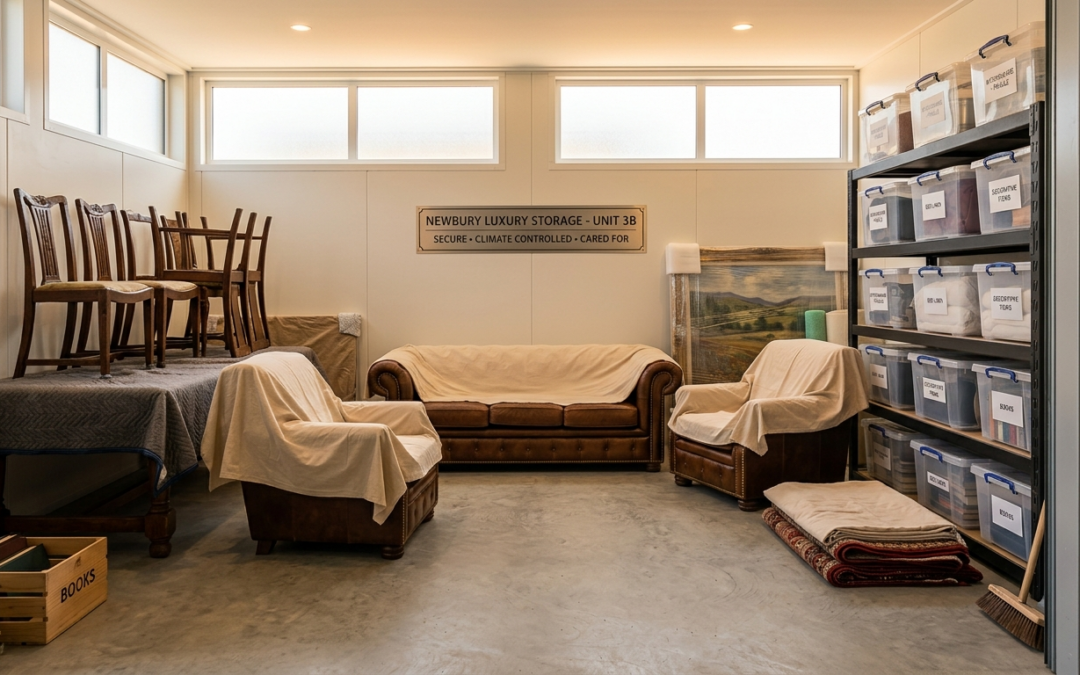
Wash Common stands apart from Newbury’s other residential areas with its tree-lined avenues, period properties, and proximity to excellent schools. The suburb’s character attracts families who value space, but even the most generous Victorian or Edwardian homes can feel cramped when life changes arrive unexpectedly.
Storage Wash Common residents need doesn’t stem from inadequate housing. It emerges during specific life transitions: adult children returning between jobs, elderly parents moving in, business ventures launched from spare rooms, or simply the accumulation that comes with staying in a beloved home for decades. The difference between managing these situations well and feeling overwhelmed often comes down to having the right storage strategy.
Why Wash Common Properties Have Unique Storage Needs
The housing stock in Wash Common creates particular challenges. Many homes feature original architectural details worth preserving, which means homeowners hesitate to install modern built-in storage that might damage period features. High ceilings and generous room proportions can paradoxically make clutter more visible rather than easier to hide.
Families who’ve invested in premium properties naturally want to maintain their homes’ presentation standards. When a dining room becomes a temporary office or a spare bedroom fills with sports equipment, it affects not just daily living but property value. Estate agents consistently note that well-maintained period properties in Wash Common command premium prices, but only when they showcase their original character rather than appearing cluttered or repurposed.
The suburb’s demographic also drives storage demand. Professional couples often keep career wardrobes for multiple seasons, sports equipment for various activities, and collections built over years of comfortable income. Families with children at nearby independent schools accumulate uniforms, musical instruments, sports gear, and academic materials that need organised storage between terms. For many, off-site storage Wash Common families can access quickly becomes the practical answer.
Short-Term Storage During Home Improvements
Period properties require regular maintenance, and Wash Common residents frequently undertake sympathetic renovations to preserve their homes’ character. These projects create immediate storage challenges that temporary solutions can’t adequately address.
When contractors arrive to restore original features, homeowners face a choice: pile furniture into already-occupied rooms or find proper storage. The first option disrupts family life for weeks or months. The second preserves normalcy and protects valuable furnishings from dust, damage, and the chaos of building work.
Think of renovation storage like sending children to stay with relatives during building work. Belongings aren’t being abandoned; they’re being protected while contractors get proper working space. A personal storage unit becomes an extension of the home during this period, keeping furniture, artwork, and decorative items safe until newly restored rooms are ready.
I worked with a Wash Common family who moved their entire drawing room contents during a six-month project to restore original cornicing and repair sash windows. They didn’t want builders working around antique furniture, and they certainly didn’t want dust settling into upholstered pieces. The unit gave them peace of mind and let contractors work efficiently without obstacles. By the time the project finished, every piece came back in exactly the condition it left.
Seasonal Storage For Active Families
Wash Common families tend to pursue varied interests throughout the year. Winter ski equipment, summer camping gear, tennis rackets, cricket bats, bicycles, and water sports equipment all demand space. Storing these items at home means dedicating valuable square footage to things used only weeks per year.
Garden furniture presents another seasonal challenge. Quality outdoor pieces worth protecting over winter can dominate garages or garden sheds, leaving no room for cars or tools. Moving seasonal items to storage frees up space exactly when it’s needed most, whether that’s parking space in winter or garden storage in summer.
The calculation becomes straightforward: dedicate a spare bedroom or large garage space to items used occasionally, or reclaim that space for daily living? Many residents discover that modest monthly storage costs prove far more economical than the effective “rent” paid by tying up valuable home space.
Supporting Adult Children Through Transitions
Wash Common’s excellent transport links and proximity to Reading, London, and Oxford mean many families see adult children return between university terms, gap years, or early career moves. These transitions create storage challenges that temporary bedroom occupation doesn’t solve well.
University students accumulate substantial possessions over three or four years: textbooks, kitchen equipment for shared houses, sports gear, electronics, and clothing for different seasons. When they return home for summers or between tenancies, their belongings can overwhelm bedrooms that parents may have already repurposed as offices or guest rooms.
Storage units offer a practical middle ground. Students keep their independence and possessions organised without converting family homes back into full-time accommodation. Parents maintain the living arrangements they’ve established, and everyone avoids the friction that comes from cramped, cluttered spaces.
This approach works equally well for adult children between jobs or housing situations. Rather than asking them to dispose of furniture and belongings accumulated during independent living, storage preserves their possessions until their next permanent home. It’s a small investment that maintains family harmony during potentially stressful transitions.
Business Storage For Home-Based Professionals
Wash Common’s desirable residential character makes it popular with professionals who work from home, whether as consultants, creative practitioners, or small business owners. These arrangements work beautifully until stock, equipment, or archives begin encroaching on living space.
E-commerce businesses face particular challenges. What starts as a few boxes of inventory quickly expands to fill spare rooms, garages, and even dining areas during busy seasons. Business storage separates commercial activities from home life, maintaining the residential character that makes Wash Common attractive in the first place.
Professional storage also solves practical problems. Accountants and solicitors must retain client files for years, but dedicating home space to archive boxes makes little sense. Photographers, designers, and other creative professionals accumulate equipment and samples that need organised storage but don’t belong in living areas.
The arrangement protects both business and home environment. Clients visiting for consultations see professional spaces rather than makeshift offices surrounded by stock boxes. Family members reclaim shared spaces. Clear boundaries between work and home life benefit everyone.
Downsizing Parents Without Rushing Decisions
Many Wash Common residents face the challenge of helping elderly parents downsize from larger family homes into more manageable accommodation. This transition carries emotional weight that rushed decisions only intensify.
Storage provides breathing room during difficult transitions. Rather than forcing immediate decisions about possessions accumulated over decades, families can move items to storage while parents settle into new homes. This approach respects the emotional difficulty of downsizing while still achieving the practical goal of reducing household size.
The strategy works because it separates urgent decisions from important ones. Parents must decide what they need in their new home immediately, but they can take months to thoughtfully sort through stored items, keeping what matters and passing along or disposing of the rest at a comfortable pace.
One Wash Common family moved their mother from a four-bedroom house to a two-bedroom flat, storing furniture, books, and personal items she couldn’t immediately accommodate. Over six months, she gradually sorted through stored belongings, keeping pieces with genuine significance and letting go of the rest without pressure. That breathing room made a difficult transition manageable.
Preparing Properties For Sale
Wash Common’s property market rewards well-presented homes that showcase original features and generous proportions. Estate agents consistently advise that decluttered, spacious-feeling properties sell faster and achieve better prices than cluttered ones, regardless of actual square footage.
Preparing a property for sale means removing personal items, excess furniture, and everyday clutter that prevents buyers from envisioning themselves in the space. This doesn’t mean emptying the home entirely, but it does require reducing contents to levels that highlight architectural features and room sizes.
Storage Wash Common homeowners use during the sales process makes this preparation possible while continuing to live in the property. Move excess furniture, personal collections, garden furniture taking up garage space, and everyday items that create visual clutter to a storage unit. What remains should showcase the home’s best features without the accumulated possessions of years or decades of family life.
The investment typically pays for itself many times over. Properties that show well attract more viewings, generate stronger offers, and sell faster. A few months of storage costs pale beside the potential price difference between a cluttered property and one that presents beautifully.
Choosing The Right Storage Approach
Not all storage needs require the same solution. Wash Common residents benefit from understanding their options and matching storage approaches to specific situations.
Unit size matters more than most people initially realise. Underestimating space requirements leads to cramped units where items can’t be accessed easily. Overestimating wastes money on unused space. The right size allows belongings to be organised logically with clear access paths to everything stored.
Think about storage units like choosing luggage for a trip. Too small and items are crammed in without organisation. Too large and the cost covers empty space. The right size accommodates everything comfortably with room to arrange things sensibly.
At Newbury Self Store, the team helps Wash Common residents match unit sizes to specific needs, whether that’s a renovation, seasonal rotation, or long-term solution. Access frequency should guide choices too: items needed regularly deserve different solutions than long-term storage of seasonal or archived possessions. Container storage works brilliantly for large-scale, long-term needs, while smaller units suit situations requiring regular access.
Proper packing protects the investment. Period furniture, artwork, and valuable possessions deserve protection beyond cardboard boxes and old newspapers. Quality packaging materials prevent damage that could cost far more than the modest investment in proper supplies.
Practical Packing Strategies
How items are packed determines whether stored belongings emerge in the same condition they entered. Poor packing leads to damaged furniture, musty textiles, and frustrating searches for specific items buried in unmarked boxes.
Start with an inventory. Photograph valuable items before packing and maintain a detailed list of box contents. This documentation serves multiple purposes: insurance records, easy location of specific items, and peace of mind knowing exactly what’s been stored.
Disassemble furniture properly. Remove table legs, bed frames, and other components that separate easily. Keep all hardware in labelled bags taped to the relevant furniture piece. This approach saves space and prevents damage during storage and later reassembly.
Protect upholstered furniture and mattresses. Fabric attracts dust and potential moisture even in climate-controlled storage. Proper covers designed for furniture storage provide essential protection that sheets or plastic tarps can’t match.
Store items strategically within the unit. Place frequently needed items near the front. Create aisles that allow access to everything without moving multiple boxes. Stack heavier items and archive boxes on the bottom, lighter ones on top. These simple organisational steps save enormous frustration later.
Making Storage Work For Your Situation
The best storage solutions fade into the background of life, solving problems without creating new complications. That means choosing facilities that match practical needs rather than simply selecting the cheapest option.
Location matters for Wash Common residents. The storage Wash Common families rely on should be close enough to access without significant travel time. Convenient locations make the difference between storage that genuinely solves problems and storage that creates new frustrations.
Security deserves serious consideration when storing valuable possessions. Quality facilities provide multiple security layers: perimeter fencing, individual unit alarms, CCTV coverage, and controlled access. These features protect belongings worth far more than any storage cost savings from less secure alternatives.
Flexibility benefits most storage users. Life changes rarely follow predicted timelines. Facilities that accommodate changing needs without penalties or complications adapt to the situation rather than forcing adaptation to their restrictions.
Protecting What Matters Most
Wash Common residents have invested significantly in their homes, possessions, and quality of life. Storage shouldn’t feel like a compromise or a problem to solve. Done properly, it becomes a practical tool that enhances living situations by creating space exactly where and when it’s needed.
The question isn’t whether there’s enough space at home. It’s whether that space is being used in ways that support current life situations. When spare bedrooms become storage rooms, when garages can’t accommodate cars, or when valuable possessions crowd living areas, storage Wash Common residents can access locally offers a straightforward solution.
The pattern remains consistent across hundreds of Newbury families: proper storage, thoughtfully implemented, transforms cluttered, compromised living situations into organised, functional homes that work for current needs rather than past circumstances. The right storage approach doesn’t just create physical space. It creates mental space by resolving the ongoing frustration of inadequate storage, the visual stress of clutter, and the practical limitations of homes overwhelmed by possessions.
To discuss storage options that suit premium residential needs in Wash Common, call 01635 581 811 or speak to the team for tailored advice.