
 01635 581 811

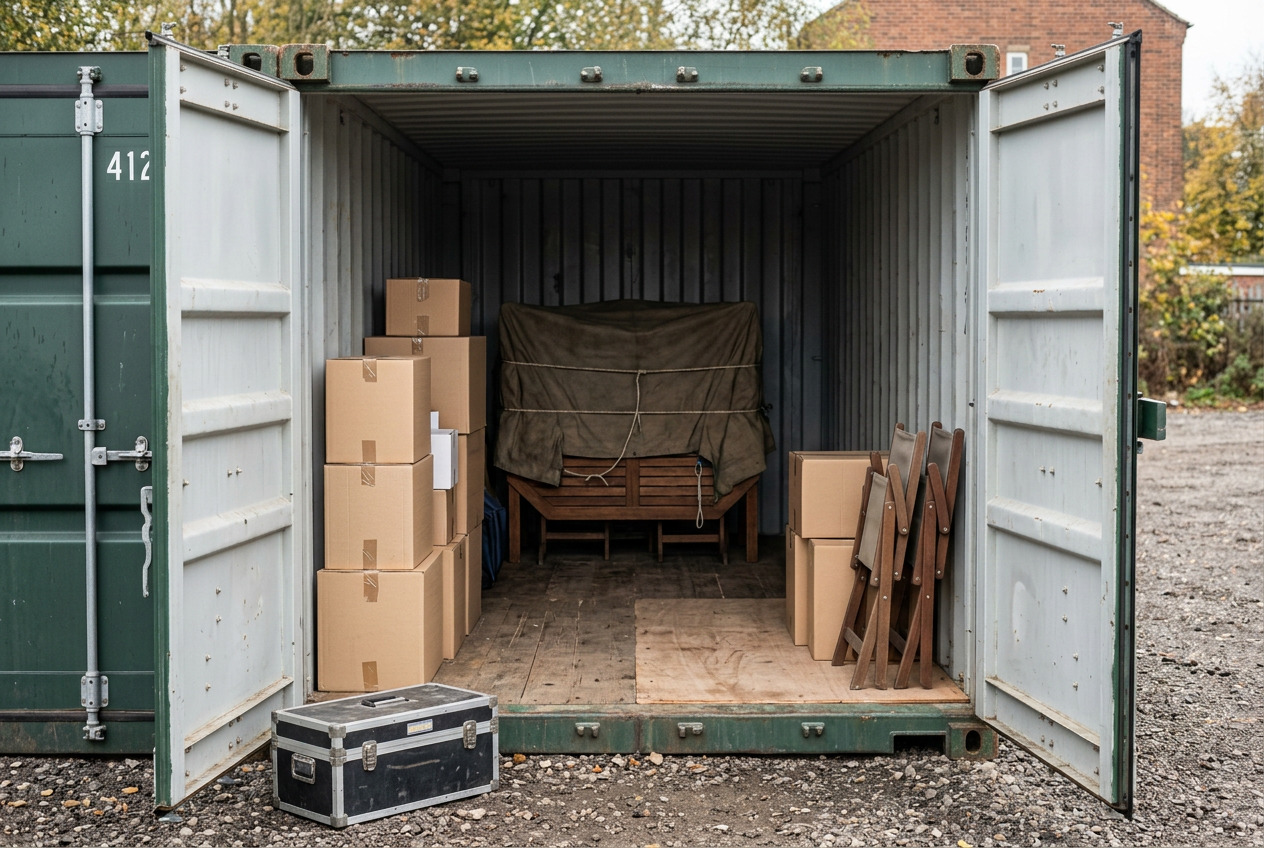
A container can still hold everything on its list and no longer work for the people using it. A table’s collection date changes, someone returns chairs to a convenient gap, and the next visitor cannot reach the item they came for. The problem is not necessarily a poor original plan. It is a plan that no longer describes what happens inside.
For long term container storage, we recommend treating that failed visit as a reason to pause and resolve the change, rather than squeezing another item into the remaining space. The task is to restore a usable arrangement in an occupied container without casually shifting heavy belongings or sending the next collector outdated instructions.
Start With The Visit That Failed
Use a specific retrieval problem as your starting point. Perhaps the toolbox is visible but the dining table now blocks its removal, or the summer chairs have returned to a position needed for an upcoming collection. Write down what you tried to collect, what prevented it and whether anything was moved during the attempt. Leave awkward loads alone until there is a suitable plan for them.
Keep the existing dining-table, garden-chair and toolbox example in mind. The table was meant to return home when building work finished, the chairs left for summer, and the toolbox stayed available for weekend jobs. Now building work is delayed, the toolbox is needed daily, and someone has put additional belongings where the chairs used to stand. Simply putting the chairs back near the doors would create another obstruction.
Separate a wrong record from a physical blockage. If the toolbox has already gone home, the answer is to correct its status, not search behind the table. If it is still there but inaccessible, the answer needs a change to the arrangement. These two faults can occur together, so establish what is actually present before promising a collection time.
Compare The Record With What You Can See
Take the current list and layout photograph to the container. From accessible positions, compare the goods you can identify with those records. Ask other users about recent collections and returns. Do not climb over boxes or pull out supporting items merely to complete the check. Mark an obscured location as unconfirmed until it can be examined appropriately.
Record the differences that affect the failed collection: the returned object, the occupied space, the blocked approach and any item whose purpose has changed. A new catalogue of every small possession is unnecessary if the existing inventory is otherwise sound. What matters here is identifying the change that made the old retrieval instructions unreliable.
Distinguish observation from intention. “Chairs standing beside the doorway” describes the present arrangement; “chairs to move after the table leaves” describes a proposed action. Keeping those statements separate prevents another user from following a plan that has not yet happened. Until the change is complete, tell anyone due to visit that the old photograph is no longer a reliable guide.
Resolve The Delayed Table Before Moving Anything
The table’s delayed release changes how long it must remain, but it does not automatically mean the whole container needs repacking. Ask what date or event will now make its destination ready and whether that answer is firm enough to arrange collection. If the building schedule is still uncertain, record the next decision point rather than inventing a departure date.
Consider what the table prevents other people from doing while it stays. If the weekend toolbox now needs daily use, taking that toolbox home may remove the recurring access problem without relocating the table. That is a different decision from moving every frequently used object closer to the doors. Some items no longer belong in storage at all.
Where the table genuinely must change position, identify the goods that block that movement and where each would go. A proposed temporary space is not useful if it occupies the route needed for the table itself. Ask a competent mover to assess heavy or awkward repositioning before anyone starts; an apparently small adjustment can involve more handling than the original collection.
Handle A Return As A New Decision
The garden chairs should not return automatically to their former position if it is now occupied. Before bringing them back, check whether they are still needed for a future season, whether home now has room for them, and whether their planned storage position remains usable. Tell whoever is returning them which answer has been agreed.
If they still belong in the container, resolve the occupied position before unloading. Identify whether the belongings now there can leave, whether another suitable position exists, or whether the return should be postponed. Avoid creating a temporary pile at the entrance while somebody else makes that decision later. That transfers the problem to the next visitor rather than resolving it.
Keep any removable cushions with the chairs in a labelled package, and note both locations if they must be separated. If the cushions have remained at home, make that clear to a different collector. The instruction needs to describe the actual collection, not suggest searching for a package that is no longer in the container.
Agree The Smallest Workable Change
Choose a change that resolves the observed problem and preserves the next planned collection. In the example, that could mean taking the toolbox home, retaining the table until the revised building milestone and giving the returning chairs a confirmed position. It need not mean emptying the container or adopting an entirely new system.
Before agreeing the work, ask what else must move, who can do it and what equipment is needed. HSE guidance on control measures for lifting tasks supports minimising repeated handling and keeping access routes open. A review visit should not turn into an unplanned solo lifting session. If a load cannot be moved appropriately with the people and equipment arranged, stop at the planning stage.
We have pallet trucks, flatbed trolleys and wheeled steps available. Check equipment availability and suitability before planning a heavy load, especially for an out-of-hours visit. Our outdoor containers provide 24-hour access, but that does not remove the need to arrange the handling work. Choose a time when the required help and conditions match the task.
Check The Result Before Calling The Change Finished
After the agreed work, compare the actual arrangement with the proposed change. Confirm that the toolbox has left if that was the decision, the table remains where expected, and the chairs are in their agreed position. If the move could not be completed, record the remaining obstruction rather than marking the whole task finished.
Check the next collection against the new arrangement without undertaking an unnecessary test lift. Can the competent collector reach the relevant item and use the planned method? Has the change blocked another item already due out? Leave working space open where it is needed for removal instead of treating a newly cleared gap as an invitation to add more goods.
A condition concern discovered during the review needs its own response. Do not cover damp belongings or damaged packaging and mark the visit complete. Identify the affected item and seek appropriate advice about its condition and storage requirements. If belongings need controlled temperature or humidity, check those requirements with us rather than assuming a change of position will address them.
Give The Next Collector One Current Instruction
Replace the outdated layout photograph after the work is complete, and mark the revised record with its check date. State what changed and what remains unresolved. For the example, the useful message is that the toolbox is home, the table’s release is delayed and the chairs have a different position; repeating the entire inventory would hide those important changes.
Send the same current record to every authorised user who may collect or return goods. Ask them to stop relying on saved copies of the old plan. A different collector also needs the relevant handling arrangements and confirmation of which item they are collecting, not just the location of a covered piece of furniture.
Give the next review a reason. Check again before the revised table collection, before another seasonal return, or when a user reports a fresh obstruction. A calendar reminder can help, but it should not postpone action on a problem already known. Nor should it require a full rearrangement when nothing material has changed.
Keep The Space Matched To Its Current Job
Organising container storage after plans change means resolving the exception, not repeatedly loading from scratch. Our container storage in Newbury provides ground-level outdoor space in twenty-foot containers offering 160 square feet inside. If the revised load or its storage requirements no longer suit that arrangement, bring the changed item list and access needs to us before adding more goods.
Where work items now need a different arrangement from household furniture, we also offer business storage for stock, equipment, furniture and archives. Discuss the actual retrieval pattern rather than moving everything simply to recover a gap. The useful result of this reset is a container whose next collection is understood: the unnecessary item has left, the delayed one has a decision date, and the returning one has somewhere agreed to go.