 01635 581 811

Baby equipment storage should begin with a safety screen, not with boxes. Clothes, toys, prams, cots and highchairs may have future value, but only items that are clean, complete, dry and suitable for reuse should be packed away. Car seats and cot mattresses need particular care before you decide to keep them for another child.
Children’s toy storage needs the same discipline. A toy that is missing parts, affected by a recall, damaged, damp or no longer age-appropriate should be checked before it is kept for a younger child, relative or future donation.
Check recalls and instructions first
Before storing baby equipment or toys for reuse, check the manufacturer’s instructions and search for the exact brand and model in the official product safety alerts, reports and recalls. If an item is recalled, follow the recall instructions rather than passing it on or putting it aside for future use.
A clean appearance does not establish that a safety-critical item is suitable for reuse. Follow the manufacturer’s guidance on lifespan, cleaning and replacement, and do not use an item whose history or condition leaves you uncertain about its safety.
Keep manuals, model numbers and fixings with the item. If you cannot identify the product, check its condition or confirm the parts are complete, do not treat storage as a way to postpone the safety decision.
Treat car seats and cot mattresses differently
GOV.UK advises against buying second-hand baby car seats because accident damage may be invisible. The Lullaby Trust also advises against second-hand car seats, even from family, and generally recommends a new mattress for each baby. Do not treat a stored seat or mattress as automatically suitable for the next child. Read its guidance on second-hand baby products before making a reuse decision.
Sort into keep, check and let go
Make three piles before cleaning. The keep pile is for complete, cleanable items likely to be used again. The check pile is for unresolved instruction, condition or family decisions. Separate unwanted but usable items for donation from unsafe or damaged goods that need recycling or disposal. Check what a charity accepts before taking anything there.
This is especially important for car seats, cots, highchairs, stair gates, baby carriers and electrical baby items. Their history, parts and instructions matter. A missing strap, cracked plastic, loose joint or uncertain age should stop the item moving straight into storage.
For clothes and soft toys, use a condition test. Do not store anything damp, mouldy, strongly odoured or pest damaged. Storage should protect selected items, not preserve problems for the next time the box is opened.
Clean and dry everything fully
Baby equipment storage works best when items go in clean. Wipe hard surfaces, remove crumbs from prams and highchairs, empty baskets and pockets, and wash removable covers according to the care label.
Allow everything to dry fully before boxing or covering. Trapped moisture can affect clothes, fabric toys, books and upholstered items. Do not seal damp bath toys, wet shoes or recently cleaned fabric inside plastic bags.
Remove replaceable batteries from toys for storage where the instructions advise it. Do not dismantle sealed battery packs. Keep loose batteries and small parts out of children’s reach, with fixings in a labelled bag stored with the relevant item.
Cleaning is also a chance to spot damage. Look for cracked plastic, rust, frayed straps, split seams, loose screws, weakened handles and toy parts that no longer stay attached. If the item fails that check, keep it out of the storage pile until the safety decision is resolved.
Pack clothes by age and season
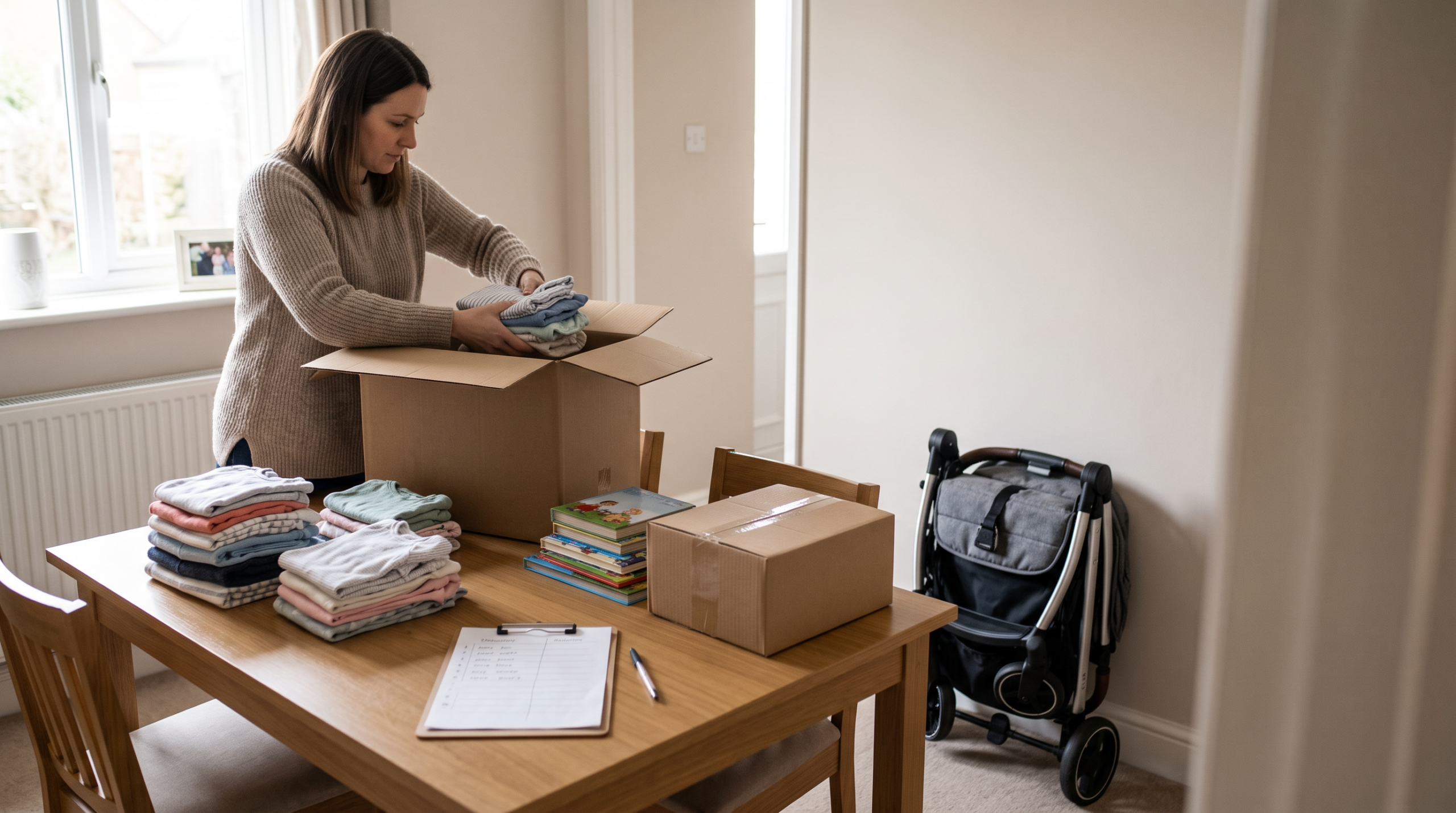
Outgrown clothes are easiest to reuse when they are sorted by age, size and season. Newborn, 0-3 months, 3-6 months and toddler clothing should not be mixed into one large bag unless you want to sort it all again later.
Label boxes on at least two sides with the age range, season and main contents. “6-9 months winter sleepsuits” is more useful than “baby clothes”. Put the next likely size near the front if another child may need it soon.
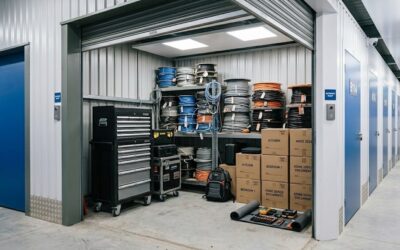
If the belongings you are keeping will not fit at home, our personal storage in Newbury offers a choice of indoor unit sizes in a dry, secure warehouse. Group clothes, toy sets and folded equipment before choosing space, allowing room to reach the next size or stage without unpacking the whole unit.
Keep toy sets complete
Children’s toy storage becomes frustrating when puzzles, train tracks, building sets and craft supplies are separated from their important pieces. Bag small parts within the main box and label the set clearly.
Separate baby toys, books, puzzles, outdoor toys, craft materials, sentimental toys and items intended for donation. That makes it easier to retrieve the right box without opening everything.
Avoid overfilling boxes until they bulge. Heavy books and wooden toys should go into smaller boxes, while lighter soft toys can sit above them. Fragile or sentimental items should not be used to fill gaps under heavier contents.
Use specific labels such as “train set, all track pieces”, “winter clothes, 12-18 months” or “keepsake soft toys”. Add a review date and keep any donation boxes separate from items being saved for your own household.
Protect larger equipment
For prams, travel cots, highchairs and furniture, clean first, then fold or dismantle according to the instructions. Keep screws, brackets, covers and manuals together. A labelled parts bag can save a lot of trouble when the item is needed again.
Do not wrap equipment so tightly that moisture is trapped. Use suitable covers and keep items off dirty floors. Heavy items should sit low, with lighter boxes above and enough room to avoid pressure on wheels, handles, rails and fabric.
For clothes and soft toys, choose sturdy boxes or containers that protect clean, fully dry contents from dust. We sell boxes, tape, wrapping paper and other packaging materials; select packaging to suit each item rather than forcing awkward equipment into a box that is too small.
Keep a reuse box at the front
Put one box at the front for the next likely stage. That might include the next clothing size, favourite books, a travel cot, safe baby toys or items being passed to a relative. Label it clearly and keep it easy to reach.
Choose a realistic review date before renting space. Our minimum stay is one calendar month, with two weeks’ notice when you no longer need the unit. Contents insurance is mandatory and you will need a padlock. Factor those requirements into the cost of keeping items for a possible future need.
Compare the likely storage cost with the items’ usefulness, replacement cost and sentimental value. Keeping one small box of special clothes may make more sense than storing every outgrown item indefinitely.
Set the review date around a real family point, such as the next clothing size, the end of a renovation, a move into a larger room or a relative’s due date. Reviews work better when they are tied to decisions that will actually happen.
Review before reuse
Before any stored item is used again, repeat the safety screen. Check recalls, instructions, condition, cleanliness, parts and age suitability. Storage keeps selected belongings available; it does not guarantee that a child product remains appropriate for reuse.
Keep only the items with a clear future use or personal value, group them by the stage when they will be needed, and set a review date. A reachable reuse box makes the next handover easier, while a fresh safety check helps you decide what can return to family use.