 01635 581 811
The cheapest storage decision is not always the lowest monthly figure. A unit that is too small can add repacking, extra journeys and damage risk. A unit that is too large can leave you paying for empty air. The better test is how to reduce total cost without choosing a space that makes the job harder.
For anyone comparing affordable self storage Newbury options, start with five inputs: quantity, unit type, stay length, access pattern and handling effort. Those inputs give a better decision than price alone.
Input One: Quantity After Sorting
Cost control begins with the load you actually need to store. Sort before you book, because every unnecessary box can affect unit size, packing time and move-out effort.
Use three prompts. Low quantity means the stored items are already selected and mostly boxed. Medium quantity means some rooms still need decisions. High quantity means sheds, lofts, garages or office corners are being cleared without a final list or firm end point.
If you are in the high group, reduce first. Store only items with a clear future use, legal or business retention reason, seasonal value or confirmed return plan.
Input Two: The Right Storage Type
Indoor personal storage and outdoor container storage solve different cost problems. Indoor storage can suit household contents, moving, decorating, downsizing and long-term extra storage where a variety of unit sizes is useful.
Container storage may suit large or awkward items because Newbury Self Store’s external containers are standard twenty foot shipping containers with 160 square foot of space, at ground level, accessible 24 hours per day, seven days per week.
Choosing the wrong type can create false savings. If direct vehicle access avoids repeated handling for bulky items, a container may be better value. If the load is mostly smaller household boxes, personal storage in Newbury may be the more appropriate route to discuss.
Input Three: Stay Length
Stay length changes the whole calculation. A short project may be judged on easy move-in, move-out timing and not overbuying space. Long-term storage needs a review system so the unit does not quietly become a fixed household or business cost.
Use low, medium and high scenarios. Low means a defined short stay for a move, decoration or temporary gap. Medium means the date is likely but could slip. High means there is no realistic end date yet.
The FAQ states that the minimum stay is one calendar month and two weeks’ notice is required when storage is no longer needed. If you are asking how to reduce storage costs, build those timing rules into your plan before you commit.
Input Four: Access Pattern
A cheap unit can become expensive if every visit takes too long. Think about how often you need to retrieve items and whether the contents must be arranged for regular access.
Low access means the items will mostly stay untouched until move-out. Medium access means occasional retrieval, so labels and a front zone matter. High access means stock, tools, records or seasonal items may need a more deliberate layout.
For high-access loads, leave an aisle and keep frequently needed boxes at the front. Losing a little packed density can save time if it prevents repeated unloading.
Input Five: Handling Effort
Handling effort is the cost many people forget. Large furniture, heavy boxes, awkward tools and palletised goods take time, strength and equipment. Poor packing increases that effort because weak boxes cannot be stacked properly.
Newbury Self Store’s FAQ says various trolleys and safety steps are provided to make moving items in and out easy. The container information also lists pallet trucks, flat bed trolleys and step-ladders on wheels for moving large items or items on pallets.
If the load is bulky, container storage in Newbury may reduce handling effort because the units are at ground level. If the load is smaller and mixed, careful box choice and labelling may matter more.
A Simple Scenario Check
Before booking, write one line for each input and mark it low, medium or high. A low-cost scenario might be: sorted load, indoor unit, one calendar month, no mid-stay access, easy boxed handling. The priority is avoiding excess space.
A medium scenario might be: partly sorted contents, indoor or container choice still open, two or three months possible, occasional access, some heavy items. The priority is getting advice on size and layout before paying for the wrong space.
A high scenario might be: unsorted whole-room contents, unclear end date, frequent access, bulky items and multiple people retrieving things. The priority is reducing the load, choosing access carefully and scheduling reviews from the start.
Add a delayed version beside each scenario. A move that should take one month may need another month if completion dates shift. A decorating project may stretch if rooms cannot be cleared in the right order. A stock overflow may continue beyond the first busy period. The lower-cost choice is the one that still makes sense if the stay is longer than expected.
That is where total cost differs from advertised cost. Include storage duration, deposit timing, notice, insurance, packing materials and the practical cost of repeated access. None of those require invented rent figures, but they do prevent a decision based on one number.
Offers, Deposits And Insurance
Offers can help, but they should not carry the decision. Newbury Self Store advertises promotions from time to time, so confirm current availability, terms and suitability before purchase because the total cost depends on stay length, unit choice and what you store.
The FAQ says a £25 booking deposit is taken and refunded when you move out of the unit. It also says contents insurance is mandatory, with proof of insurance required, or cover available through Newbury Self Store at a risk administration charge stated per £1000 of value per calendar month.
For current operational details, check the storage frequently asked questions alongside any quote so the headline offer, deposit, minimum stay, notice period and insurance position are all understood together.
Before comparing quotes, write down the cost inputs that can change the result:
- Minimum stay and likely delay.
- Notice period before move-out.
- Deposit and insurance position.
- Packing materials and box quality.
- Extra journeys caused by access or layout.
Avoid Paying For Air
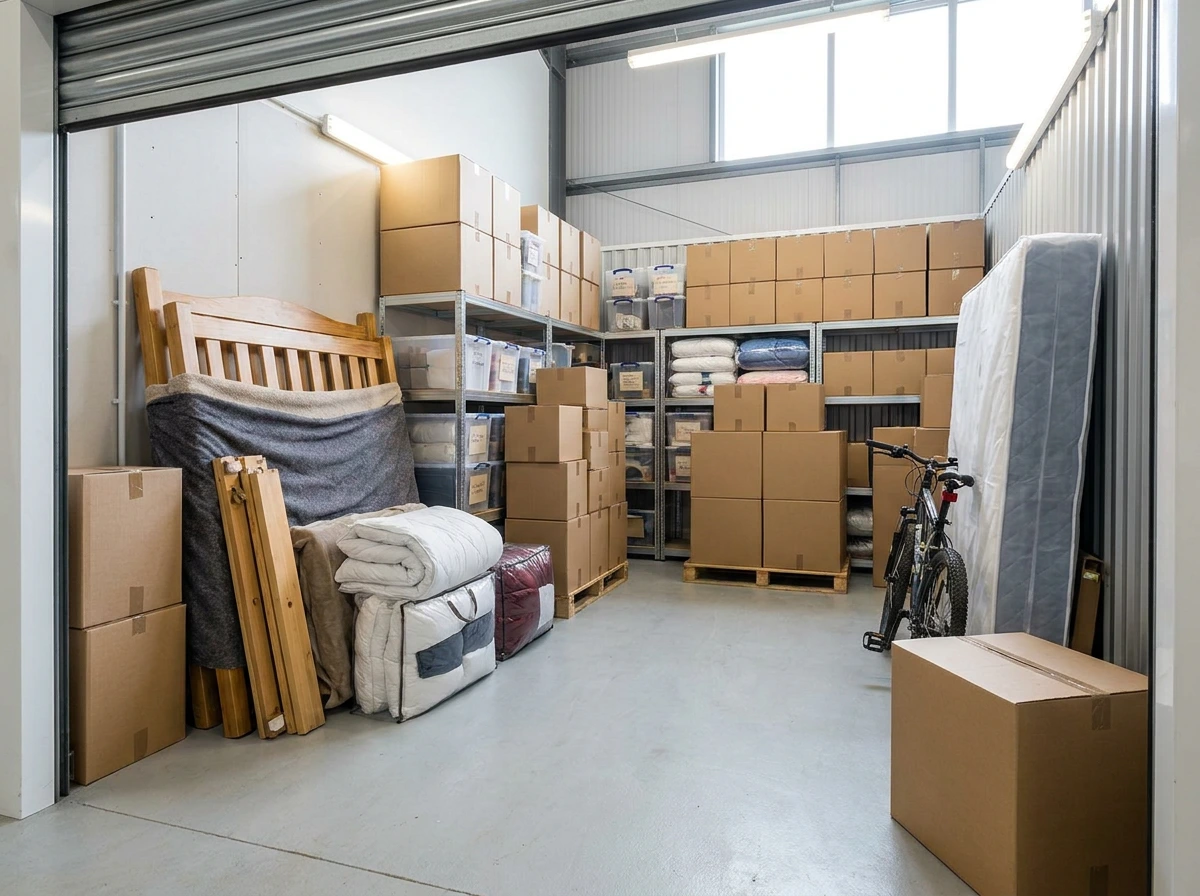
Air gaps are costly when they force a larger unit. Use regular, strong boxes where possible, avoid half-filled containers, dismantle furniture only where it can be done sensibly, and keep fittings in labelled bags.
At the same time, do not pack so tightly that fragile items are under pressure or frequently needed boxes are buried. A unit that is technically full but unusable may create extra trips and lost time.
The best packing plan is compact, stable and readable. Labels should face out, heavy items should sit low, and access items should be near the entrance.
If the decision is still unclear after sizing and timing, use the broader personal storage value test to separate useful cost control from paying to postpone decisions.
Use Local Advice At The Decision Point
Newbury Self Store is a family-run independent business and the original self storage company in Newbury, with a modern purpose-built facility serving Newbury, Thatcham, Hungerford and the surrounding West Berkshire area. Its team can help customers choose a long-term, cost-effective option, and discounts are available for longer-term storage.
That does not mean guessing at rent prices. It means bringing a clear inventory, rough timescale, access pattern and written assumptions to the conversation so the unit is matched properly to the job.
To keep costs down, reduce the load, choose the correct storage type, allow for minimum stay and notice, plan access, and count handling effort. For help matching those inputs to a practical unit, call 01635 581 811 or contact the team.