
 01635 581 811
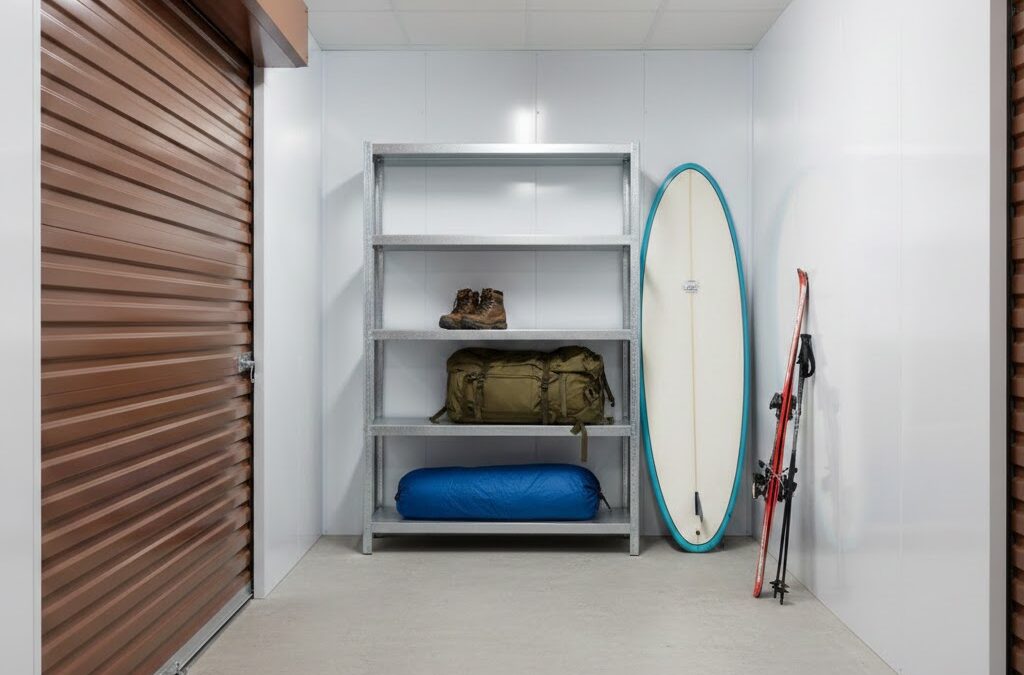
That feeling of finally getting home after an amazing trip is unmatched, but then comes the reality of where to put all that bulky kit. Whether it’s a set of long, awkward skis, a heavy surfboard, or muddy hiking equipment, improper adventure gear storage can lead to irreversible damage and unnecessary clutter in your home. When you’re dealing with expensive seasonal sports gear, protecting your investment is crucial, especially during the off-season. But what’s the best way to ensure your valuable items remain in perfect condition until your next adventure?
The key is treating your equipment not just as clutter but as valuable, specialised assets that require a protective environment. This guidance covers everything from essential preparation steps to choosing the right storage solution for long-term peace of mind. Following these simple steps ensures you spend less time cleaning and repairing and more time planning your next great escape.
Why Preparation is the First Step in Off-Season Protection
Skipping the cleaning and conditioning process before storing seasonal sports gear is a common and costly mistake. Dirt, saltwater, mud, and dust left on equipment can rapidly accelerate deterioration, leading to rust, material degradation, and mold. Taking a little time now will significantly extend the life of your equipment and maintain its performance.
Think of the preparation stage like applying a long-lasting protective shield to your gear before it enters hibernation. This shield guards against the twin threats of moisture and pests, which are common problems in garages and damp sheds. Proper preparation ensures your gear is ready to go as soon as the season turns, avoiding unpleasant surprises.
Conditioning Skis, Surfboards, and Footwear
Different types of adventure equipment require specific care routines before they’re packed away. Treating each item correctly prevents long-term damage and ensures structural integrity is maintained. This is where expertise in material care pays off, protecting everything from carbon fibre boards to waterproof membranes.
Skis and Snowboards
Remove any dirt or grime with a damp cloth and ensure the edges are dry to prevent rust. Applying a fresh coat of storage wax to the base is crucial, as this seals the material and stops it from drying out over time. It’s also wise to gently loosen the bindings to relieve tension on the springs.
Surfboards and Paddleboards
Wash off all traces of saltwater and sand immediately with fresh water and dry thoroughly in the shade. It’s essential to scrape off old wax, as this can trap moisture and dirt against the board’s surface. Store your board in a padded bag to prevent accidental dings and sun damage.
Hiking Gear and Boots
Boots should be thoroughly cleaned, dried, and treated with their appropriate waterproofing or conditioning product. Stuffing boots and backpacks with crumpled newspaper or specialist boot shapers helps them maintain their shape and assists in drawing out residual moisture. Wash and completely dry all technical clothing before folding or rolling it for storage; never store damp clothing.
Choosing the Ideal Storage Solution
Many homeowners rely on garages or sheds for their overflow items, but these spaces often lack the protection needed for sensitive gear. Temperature fluctuations, dampness, and poor security can quickly turn a quick storage fix into an expensive repair job. Professional storage facilities offer a reliable, dedicated environment designed to protect against these threats.
You need a solution that’s dry, consistently maintained, and easily accessible when you need your kit back. This is where professional self-storage facilities truly shine, offering peace of mind that a simple lock and key on a garden shed just can’t match. For homeowners and renters dealing with seasonal sports gear overflow, exploring dedicated personal storage options is highly recommended.
Finding the Right Unit Size
Sizing a storage unit for adventure gear storage is a bit like packing a car for a family road trip. You need to maximise vertical space efficiently while ensuring fragile items aren’t crushed. A 50 sq ft unit is often perfect for an average family’s annual ski and hiking equipment, while multiple large surfboards or extensive gear collections might require a larger space.
It always pays to stack smart and measure tall items before selecting your unit. You should always aim for a unit that allows for clear pathways, letting you access items at the back without having to empty the front. Expert sizing advice can help you avoid paying for unnecessary space.
Flexible Solutions for Bulky and Seasonal Equipment
Adventure gear often includes unusually shaped items, like kayaks, roof boxes, or bicycles, that don’t fit neatly onto shelves. Finding a storage solution that accommodates their bulk and guarantees easy access for loading and unloading is essential. Fortunately, there are flexible options designed for these exact challenges.
Consider the needs of local small businesses or busy families who need to swap out seasonal sports gear quickly. If your gear is exceptionally bulky or requires frequent, quick access, flexible container storage provides a perfect, drive-up solution.
Secure Access and Monitoring
The peace of mind that comes from knowing your equipment is safe is priceless. Reputable facilities in the UK adhere to strict security standards, combining physical deterrents with advanced electronic surveillance. This commitment to security is vital when storing expensive gear.
All trustworthy storage facilities in Newbury should provide high-level security features as standard. This typically includes perimeter fencing, electronic gates with individual customer access codes, and comprehensive 24/7 CCTV monitoring across the entire site. Newbury Self Store prioritises security, combining physical deterrents with advanced electronic surveillance to ensure all stored items, whether personal belongings or commercial stock, are protected round the clock.
Packing Smart: Preventing Damage and Optimising Space
Even the most secure storage environment can’t protect your items from being scratched or broken while packed incorrectly. Smart packing involves using the right materials and techniques to cushion, contain, and consolidate your gear effectively. This step is critical for items with delicate surfaces or complex mechanical parts.
A properly packed unit also makes retrieving your equipment much easier when the season starts again. Make sure you leave high-priority items closer to the front of the unit and label every container clearly to save time. To simplify the preparation process, you can easily check out the wide variety of specialist packaging supplies available.
Essential Packing Materials Checklist
To prevent damage from abrasion, impacts, and dust, use high-quality, purpose-made materials, not just old bin bags. Good packing materials help you utilise all the available space while protecting your belongings from the inevitable knocks of moving and storage.
- Heavy-duty moving boxes for clothing, helmets, and smaller items.
- Bubble wrap or specialist foam sheeting for surfboards, ski tips, and bindings.
- Archival paper for wrapping metal parts to absorb moisture and prevent rust.
- Specialist gear bags for skis, snowboards, and wetsuits to keep them protected and contained.
- Thick, dust-proof sheets or blankets to cover larger items like bicycles or kayaks.
Maintaining Your Investment Through Long-Term Storage
Once your seasonal sports gear is safely tucked away, the hard work isn’t completely over; a little forward-planning ensures long-term viability. Long-term storage requires diligence, especially regarding moisture and pest control, as adventure equipment often carries residual traces of the outdoors. You’ll want to make sure the unit you choose is dry, well-ventilated, and clean.
Think about the local cycling shop owner, Mark. He used to store his high-end demo bikes in a warehouse during the winter, but improper ventilation led to costly brake rust. Switching to a maintained facility, where the temperature and moisture levels are controlled, saved him thousands in maintenance and kept his inventory in pristine condition. Regular, quick checks every few months can identify and resolve small issues before they become major problems.
When Storage Needs Evolve
Your storage requirements are rarely static, changing as your hobbies or activities grow and shrink. Many people start with a small unit during a house move, only to realise the long-term benefit of keeping their seasonal sports gear out of the house year-round. For commercial clients storing inventory or equipment, dedicated business storage solutions are designed to scale with operations.
This flexibility is a hallmark of excellent self-storage providers, ensuring you’re never paying for more space than you need or struggling with insufficient room. If you’re ever unsure whether your current unit still meets your needs, the local team is always available to assist with adjustments.
Final Advice for Adventure Gear Storage
Storing adventure gear doesn’t have to be a headache. With a bit of planning and preparation, you can achieve optimal protection for your skis, surfboards, and hiking kit until your next adventure. Whether you opt for container storage for easy access or a personal unit, the core goal is to protect your investment and keep your gear in top condition.
The most successful storage users are those who treat the process as an integral part of owning valuable gear, not just a nuisance. By choosing high-quality packing and a dedicated, secure facility, you ensure your next trip starts smoothly and without any unexpected equipment failures. Professional adventure gear storage solutions protect your equipment while freeing up valuable space at home.
If you’re ready to secure a protected space for your kit or have any questions about unit features, getting in touch with the friendly team is straightforward. To request a quote or to discuss your specific storage needs, simply contact us directly today.