 01635 581 811

Retail trading peaks create predictable chaos. Stock arrives weeks before you need it, warehouse space vanishes overnight, and the moment your peak ends, you are drowning in unsold inventory whilst trying to prepare for the next cycle. This pattern repeats every year, yet most businesses treat it like an unexpected crisis rather than a manageable logistics challenge.
The difference between businesses that thrive during peak periods and those that merely survive often comes down to one factor: how they handle peak season stock before and after the rush. Poor business inventory storage management does not just create cluttered warehouses. It slows order fulfilment, frustrates staff, reduces sales, and turns what should be your most profitable weeks into an operational nightmare.
Understanding Seasonal Stock Cycles
Every retail business experiences trading peaks, whether that is Christmas for gift shops, summer for garden centres, or back-to-school for stationery suppliers. These peaks share a common structure: a gradual build-up, an intense trading period, and a clearance phase that often extends for months beyond what most businesses anticipate.
The pre-peak phase typically begins 8 to 12 weeks before your busiest trading days. Suppliers deliver early to guarantee stock availability. You order extra quantities to avoid stockouts. Promotional items, seasonal packaging, and special displays all arrive simultaneously. Within weeks, your warehouse transforms from organised to chaotic in a way that feels sudden but was entirely predictable.
The post-peak reality proves equally challenging. Returns flood back daily. Unsold peak season stock needs decisions: store for next year, clearance price, or dispose? Meanwhile, your next inventory cycle is already beginning, competing for the same congested space you are still trying to clear from the previous rush.
The Hidden Costs of Poor Peak Season Stock Management
I watched a garden centre owner spend three hours searching for a specific product line during their spring rush last year. The stock was there, buried behind pallets of compost that should have been positioned for easy access. Those three hours represented lost sales, wasted labour, and customer frustration that no amount of apology could fully repair.
Warehouse congestion creates a cascade of problems that compounds throughout peak season. Staff waste time navigating cluttered aisles. Popular items become inaccessible behind slower-moving peak season stock. Order picking takes twice as long as it should. The physical act of moving obstacles to reach products adds hours to daily operations without adding any value to the customer experience.
Beyond efficiency, there is a safety dimension. Overstocked warehouses encourage poor stacking practices, blocked fire exits, and improvised storage solutions that increase accident risk significantly. An injury during your busiest trading period can devastate team morale and operational capacity precisely when you need both most.
Strategic Pre-Peak Stock Positioning
Think of peak season stock management like packing a suitcase for a long trip. You do not just throw everything in randomly. You pack what you will need first on top, separate clean from dirty, and keep essentials accessible. Your warehouse deserves the same strategic approach applied three months before your trading peak arrives.
Successful pre-peak planning begins with calculating expected stock volumes based on previous years, adjusted for growth. Identify which products will turn over fastest and which will sit longer. This analysis reveals how much working space you will actually have once peak stock arrives, which is almost always less than businesses initially estimate.
Creating buffer zones within your existing warehouse helps, but only to a point. Most businesses discover that truly effective peak season management requires separating seasonal stock from everyday inventory entirely. This separation allows your core business to continue functioning normally whilst peak-related items remain accessible but do not interfere with daily operations.
How External Storage Transforms Peak Season Operations
The businesses that handle peak trading most effectively treat scalable business storage as an extension of their operational space, not an emergency overflow solution. This mindset shift changes everything about how you approach seasonal stock management throughout the year.
External storage creates the breathing room your warehouse needs to function efficiently. By moving slower-turning seasonal items or next-season stock offsite, you preserve workspace for active picking, packing, and dispatch operations. Your warehouse floor remains clear. Staff can move freely. Order fulfilment stays fast even when volumes spike dramatically.
This approach works particularly well for businesses with predictable seasonal patterns. A toy retailer, for instance, can store Christmas stock externally from September through early November, bringing items back to the main warehouse in batches as sales data indicates which products need restocking. This just-in-time approach prevents the all-at-once chaos that cripples many operations and turns profitable peaks into operational nightmares.
Post-Peak Stock Management
The weeks after a major trading peak often prove more challenging than the peak itself. Returns arrive daily. Unsold seasonal items need decisions: store for next year, clearance price, or dispose? Meanwhile, your regular product lines need restocking, and the next seasonal cycle is already approaching the horizon.
Many businesses make the mistake of cramming everything back into their main warehouse, creating months of operational inefficiency that affects performance well into the following quarter. A better approach involves organised business inventory storage that separates post-peak stock by category and action required immediately after the peak ends.
Items confirmed for next year’s season should move to longer-term storage immediately, properly protected and catalogued. Protective packing materials prevent damage during the months items spend offsite, ensuring peak season stock returns in the same condition it left. Clearance items need accessible storage where you can retrieve them for promotional campaigns or online marketplace sales throughout the quieter months.
Newbury Self Store: Business Inventory Storage That Adapts
Newbury Self Store provides flexible arrangements that adapt to your trading cycle, allowing you to scale space up during accumulation phases and down during clearance periods. This flexibility means you are not paying for empty space in February whilst desperately needing more room in October when your busiest season approaches.
One retailer I worked with transformed their post-Christmas operations by implementing a simple rule: any seasonal item not sold by January 15th moved to external storage, sorted by next-action category. This single change freed up 40 percent of their warehouse space and reduced time spent searching for items by an estimated 15 hours per week throughout the first quarter.
The numbers tell the consistent story across businesses that implement this approach. Before external peak season stock storage, an estimated 25 percent of staff time in peak-adjacent months went to moving stock around to access other stock. After implementation, that figure typically drops below 5 percent. The cost of storage is recovered many times over through improved efficiency and measurably reduced operational stress.
Practical Implementation Framework
Effective peak season stock management requires planning, not improvisation. Start by mapping your inventory against your calendar. Identify when peak stock typically arrives, when your trading rush begins, and when the clearance phase ends. This timeline becomes your planning framework for the entire year.
Three months before peak stock deliveries begin, audit your current warehouse capacity honestly. Calculate how much space you will have available once peak inventory arrives. Most businesses overestimate their capacity because they measure empty space rather than the functional working space that allows efficient operations throughout the peak period.
Next, categorise your inventory by access frequency. Items you will need daily stay in your primary warehouse. Stock you will access weekly can sit in nearby external storage. Products for next season or slow-moving items can go further away. This categorisation ensures storage location matches the operational reality of how each category gets used.
Making Storage Work for Your Business Model
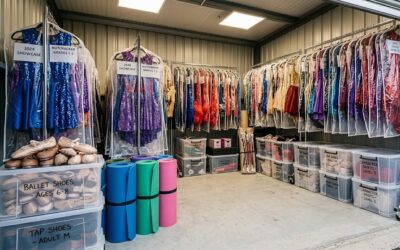
Different businesses need different approaches to peak season management. A fashion retailer with four seasonal peaks per year requires more flexible arrangements than a fireworks supplier with one annual rush. For larger seasonal clearances, accessible container storage with drive-up access simplifies the loading and collection process significantly, reducing the labour involved in moving stock between locations.
Growing businesses face particular challenges here. Your warehouse might handle current volumes adequately, but what about next year when you are 20 percent larger? Building business inventory storage capacity into your growth planning prevents the common trap of outgrowing your space mid-season, when finding solutions under pressure proves both difficult and expensive.
The key is matching storage solutions to trading realities rather than forcing your operations to fit inflexible arrangements. Successful peak season management feels almost boring because everything works smoothly. Stock appears when needed. Space remains available. Staff can do their jobs without obstacle courses. That smoothness is the product of planning decisions made months before the rush begins.
Peak trading periods will always create pressure, but they should not create chaos. By separating seasonal from everyday inventory, creating buffer zones, and using external storage strategically, you transform peak season from a crisis into a manageable operational challenge that your competitors are still treating as inevitable chaos.
For expert guidance on managing peak season stock challenges, call 01635 581 811 or contact our business storage team to discuss your specific trading patterns and requirements.