
 01635 581 811
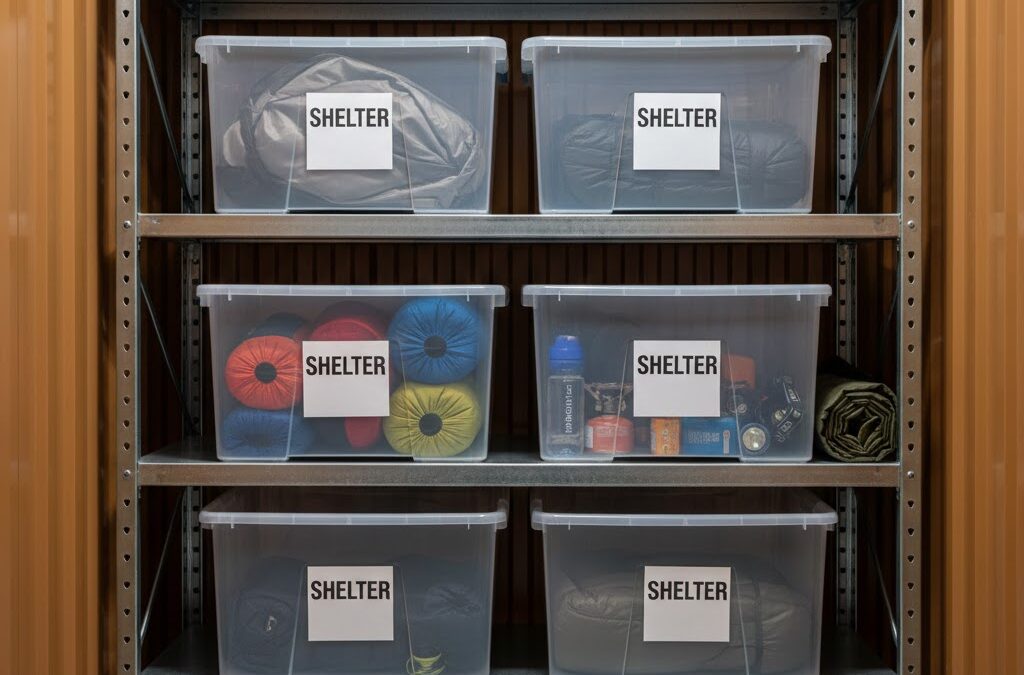
Preparing for unexpected events starts with having a reliable shelter and the essential supplies to sustain yourself and your family. Many homeowners and renters already possess the core components needed for an effective emergency shelter kit it’s simply packed away as camping gear. By strategically repurposing these durable items, you create an affordable, practical safety net without investing in expensive, dedicated home emergency supplies. This guide explores how to transform your existing tents, sleeping bags, and cooking equipment into a crisis-ready collection, ensuring peace of mind throughout Newbury and wider Berkshire.
Repurposing Camping Gear for Emergency Shelters
Camping gear is built to function reliably in adverse conditions, making it perfectly suited for emergency preparedness. A high-quality tent, for example, is inherently designed to provide reliable protection from wind, rain, and cold. This natural durability means you can rely on it to perform when you need protection most, whether during a power outage or temporary relocation. Repurposing these items means you avoid the high cost of buying separate, dedicated home emergency supplies, allowing you to allocate resources elsewhere in your preparedness plan.
The Dual-Purpose Advantage
Using existing camping equipment offers a significant practical benefit: familiarity. Since you’ve likely used your sleeping bag or camp stove before, you already know how the equipment operates and functions. This prior experience reduces confusion and stress during a genuine emergency when time and clear thinking are critical resources. Furthermore, standard camping gear is usually lighter and more mobile than industrial emergency supplies, making your kit easier to transport if you need to evacuate quickly.
Calculating Your Shelter Needs
When assembling your kit, consider the worst-case scenario for your household and the environment around Newbury. Assess how many people you need to shelter and the maximum duration your supplies should last, which is typically a minimum of three to seven days. An inadequate shelter size can compromise safety and morale, so ensure your tent or tarp system can comfortably house everyone who relies on you. This careful preparation transforms a recreational collection into a resilient, life-saving resource.
Assembling the Core of Your Emergency Shelter Kit
The primary goal of your shelter kit is to address the fundamental human needs for warmth, sustenance, and security. Every item you select should be multifunctional, durable, and reliable, moving away from luxury camping items towards true survival essentials. Think strategically about how each component contributes to keeping you safe and dry under unexpected circumstances.
Prioritising Warmth and Protection
Shelter is only effective if it provides insulation and prevents heat loss, making a tent and sleeping system the absolute priority. A four-season tent is the best choice because its structure can handle snow and high winds, but any sturdy, modern tent offers superior protection compared to makeshift solutions. Couple this with high-rated sleeping bags and closed-cell foam pads, which create an essential barrier against ground-level cold. Failing to use a sleeping pad in cold conditions is like going out in winter without wearing a coat the heat loss from conduction is rapid and debilitating.
Cooking and Sustenance Supplies
The ability to prepare a hot meal or purify water significantly boosts both physical well-being and psychological resilience. Include a reliable, lightweight portable stove that uses easy-to-store fuel canisters, along with a simple mess kit and cooking pot. Equally important is a dependable water purification method, such as a high-volume filter or purification tablets. Always pack enough water storage containers, like canteens or hydration bladders, which can be quickly filled before an impending storm or disruption.
Packing and Preparing Your Kit for Long-Term Readiness
Once you have gathered your essential gear, the next step is systematic organisation and proper preparation for storage. The efficacy of an emergency kit is determined by how quickly and easily you can deploy it in a moment of crisis. This isn’t just about putting items in a box; it’s about engineering readiness.
Selecting Durable Containers and Materials
The best way to store an emergency shelter kit is in one or two rugged, waterproof containers that are distinct from your everyday items. Clear plastic bins are ideal because they allow you to perform quick visual checks without unpacking everything. When packing, group related items together and compress sleeping bags and clothing into waterproof dry bags to save space and protect them from moisture. For those smaller, critical components, you should consider sturdy packaging supplies to protect them during transit and storage.
The Importance of Organisation and Mobility
Think of your kit’s organisation as resembling a medic’s trauma bag: every tool has a fixed, logical place to ensure immediate access. Create a detailed inventory checklist and tape a laminated copy to the inside of the container lid. This ensures you know exactly what’s inside, even if you are stressed or relying on someone else to retrieve it. This disciplined approach ensures that your shelter can be deployed with the efficiency of a well-oiled machine, rather than a frantic search.
Optimal Storage Solutions for Home and Business
The value of an emergency shelter kit drops dramatically if it’s stored somewhere inaccessible, such as a cramped attic or the back corner of a cluttered garage. The storage location needs to be protected from extreme conditions, easily accessed by all capable members of the household, and secured against theft or tampering.
Choosing the Right Space at Newbury Self Store
If space is limited at your home or business premises, a dedicated self-storage unit at Newbury Self Store offers a highly secure and climate-stable alternative. We provide convenient ground-level access, meaning you can pull up and load or retrieve your critical supplies quickly in any weather. Utilising a self storage Newbury unit ensures your valuable home emergency supplies are protected from domestic clutter and kept in pristine condition until they are needed.
Flexible Options for Personal Storage and Business Storage
We understand that individuals and companies have different preparedness needs. Homeowners often find personal storage units are perfect for holding bulky items like a large family tent, while business owners may need a unit to secure crucial business equipment and staff emergency kits. We offer flexible contracts that allow you to rent a unit on a rolling basis, so you are never tied to a long-term commitment just for emergency planning.
I remember helping a local business owner who used a business storage solution to keep their emergency supplies for their team, including blankets and backup communication gear. When a sudden power outage affected the entire area, they were able to quickly access their kit and provide warm clothing and communication tools for their employees who were temporarily stranded at the office. This quick access made a real difference in their continuity planning.
When Container Storage Offers the Best Security
For certain businesses or individuals requiring maximum access flexibility, container storage presents another excellent option. These large, robust units offer unparalleled security and the convenience of driving right up to your unit door. This is particularly useful for storing heavy-duty shelter materials or large quantities of bulk provisions and allows for 24/7 access if you need to retrieve the kit in the middle of the night.
Practising and Maintaining Your Emergency Shelter Kit
Creating the kit is only half the battle; ensuring its continued functionality requires routine practice and maintenance. If your gear sits untouched for years, you risk finding expired food, dead batteries, or degraded components when you finally need them. A proactive maintenance schedule guarantees readiness.
The Quarterly Inspection Checklist
Set a recurring calendar reminder, perhaps tied to the change of seasons, to inspect your kit thoroughly. This inspection should include:
- Checking that all battery-powered items (torches, radios) are fully functional or have fresh batteries installed.
- Replace any food, water, or medicinal items that have passed their expiration dates.
- Verifying that tents and sleeping bags are dry, free of mould, and stored correctly to prevent damage.
- Ensure all fuel canisters for the stove are full and stored safely away from the primary kit.
Staying Prepared and Informed
Your kit should evolve alongside the potential risks in your area. Keep up-to-date on local emergency preparedness guidelines and be ready to adapt your supplies if new threats emerge, such as changes in severe weather patterns. This means being informed about local advisories and ensuring your kit reflects the specific challenges of the Berkshire area. By maintaining this routine, your kit remains a genuine asset, not a forgotten box of outdated gear.
Securing Your Readiness: A Simple Maintenance Plan
Turning your camping gear into a reliable preparedness kit is a crucial step towards true readiness. The process is simple, affordable, and provides invaluable peace of mind.
- Inventory: Take stock of your existing camping equipment and note down any missing essentials required to complete your family’s kit.
- Assemble & Organise: Gather the necessary gear and pack it meticulously into a waterproof, clearly labelled container.
- Store: Choose a convenient, protected storage location, or consider exploring the secure, flexible storage units available at Newbury Self Store.
- Maintain: Commit to a regular, quarterly inspection and practice schedule to ensure your gear is always ready for immediate deployment.
For assistance with finding the perfect space to house your kit, or to discuss secure, affordable storage options tailored to your needs, please contact us directly.