
 01635 581 811
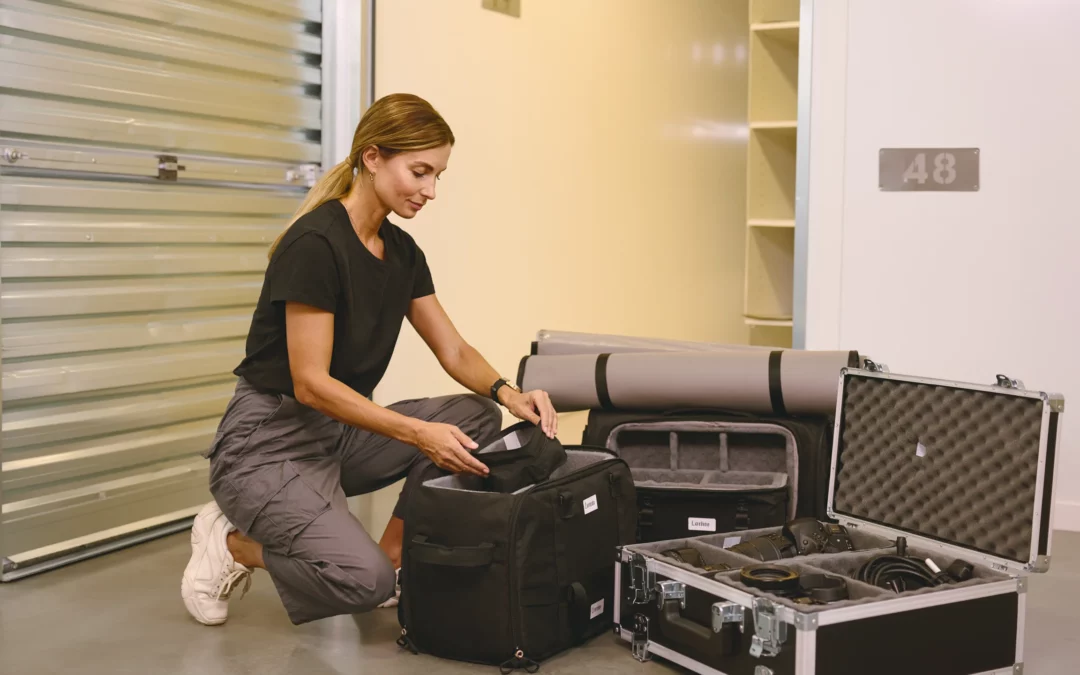
Most photographers spend years building a kit worth thousands of pounds, then store it somewhere that quietly destroys it. A damp spare room or cold garage does not look like a threat, but over a single season it can warp seals, grow fungus on glass, and corrode the electronics inside your camera body. By the time the damage shows up on your images, the repair bill has already overtaken what proper storage would have cost.
Photography equipment storage in West Berkshire is about more than finding a convenient spot between jobs. Done properly, it protects your gear, keeps your shoots reliable, and supports your professional reputation. Get it wrong, and you are looking at costly repairs, unreliable kit, and insurance complications at the worst possible time.
The Hidden Threats to Camera Gear
Temperature and Condensation
Temperature changes are one of the biggest risks to camera gear. Modern cameras are built with sensitive electronics designed to work within specific temperature ranges. When a storage space swings between cold nights and warm days, condensation builds up inside the camera on circuit boards and sensor components. That moisture does not always evaporate fully, and the mineral deposits it leaves behind can cause electrical shorts and ongoing corrosion.
Lenses face the same problem. Each lens contains multiple glass elements set in precise positions. Temperature changes cause those elements to shift very slightly, which affects image sharpness. More importantly, the rubber seals on weather-sealed lenses can degrade over time, making lens protection during storage just as important as it is on a shoot. Once those seals go, dust and moisture get inside, and professional cleaning or full replacement becomes unavoidable.
Humidity and Fungal Growth
High humidity is equally damaging. When relative humidity rises above 60%, it creates the perfect environment for fungal growth on lens coatings and inside camera bodies. That fungus etches permanent marks into glass and corrodes metal parts, often to the point where camera storage mistakes become irreversible.
I once worked with a photographer who stored three lenses in a damp utility room over a single winter. When he retrieved them, the fungal damage was extensive. The repair bill came to over £2,000, and two of those lenses never performed as well again. It was a painful and avoidable lesson in what poor camera storage actually costs.
Dust and Mechanical Damage
Dust might seem like a minor concern, but it causes real problems over time. It settles on sensors and creates spots that show up in every photo until the sensor is professionally cleaned. It works its way into zoom mechanisms, causing grinding and stiffness. It even affects the electronic contacts between camera bodies and lenses, leading to unreliable communication during a shoot.
What Professional Photographers Need from Storage
Climate Stability
Stable conditions are the most important requirement for photography equipment storage in West Berkshire. The ideal environment sits between 15°C and 20°C, with relative humidity between 40% and 50%. These ranges prevent condensation, stop fungal growth, and keep seals and lubricants working as they should. Consistency matters most. Steady, moderate conditions will always protect gear better than conditions that swing up and down.
Before committing to any storage facility, it is worth asking directly about how the environment is managed, particularly in warmer or colder months. Indoor, covered units within a purpose-built warehouse tend to offer more stability than garages or garden sheds, which are far more exposed to seasonal extremes.
Security for High-Value Gear
Camera bodies and lenses hold their resale value well, which makes them a target for theft. Good camera storage security is not optional. You need CCTV, a monitored alarm system, and secure entry as a minimum. Many insurance policies also specify the level of security a storage facility must have before they will cover your equipment, so it is worth checking your policy carefully before signing up.
Access Flexibility
Different photographers have very different access needs. Wedding photographers may need to pick up gear on a Saturday morning. Commercial photographers working with corporate clients usually need access during business hours. Event photographers often face last-minute bookings and need to collect kit at short notice. Checking a facility’s opening hours before you commit is essential, especially if your work schedule is unpredictable. If you regularly need to collect gear outside standard hours, 24-hour container units are worth considering as a flexible alternative.
Space for a Growing Collection
Storage space needs to grow with your business. Think of it like a wardrobe: you need room not just for what you own now, but for seasonal items and future additions. A cramped storage space leads to accidental damage and makes it hard to keep track of what you have. If you are just starting out or storing between projects, secure personal storage units offer a flexible, low-commitment option that scales as your collection grows.
Preparing Your Kit Before Storage
Cleaning Protocols
Always clean your equipment before putting it into storage. Camera bodies need a wipe-down to remove oils, dirt, and salt residue that can corrode surfaces over time. Sensors need careful cleaning too, as dust particles are much harder to remove after sitting undisturbed for months. For lens protection, use the right cleaning solution and a microfibre cloth, and avoid household cleaners entirely, as they can strip lens coatings. Once everything is clean, packing materials and moving boxes such as bubble wrap and cardboard boxes can help protect gear during transit to your unit.
Battery Management
How you store batteries matters for both safety and longevity. Lithium-ion batteries degrade faster when stored fully charged or completely flat. Aim to keep them at around 40-60% charge before storing. Remove batteries from your equipment to prevent slow drain and potential leakage. Keep each battery in its own plastic case to avoid accidental short circuits.
Lens Care and Protection
Attaching lens caps is just the start of proper lens protection. Place lenses in padded cases or wrap them in microfibre cloths to cushion against knocks. Store them upright rather than stacking them, which puts unnecessary pressure on the focusing mechanism. Silica gel packets help absorb any remaining moisture, but remember to regenerate them regularly so they stay effective.
Organising Cables and Accessories
Good organisation saves time and prevents damage. Use velcro ties to keep power leads and USB cables neat and easy to identify. Store memory cards in labelled cases rather than loose in bags where they pick up dust and risk getting bent. Keep accessories like remote triggers, lens hoods, and filters in dedicated compartments so related items stay together and easy to find.
The Business Case for Dedicated Storage
Separating Work from Personal Space
Keeping your professional kit separate from your home life is good practice. When equipment is scattered across rooms, mixed in with personal belongings, and accessible to family members, the risk of accidental damage rises significantly. Storing seasonal professional photography gear in a dedicated facility makes it easier to manage your inventory properly and reflects a more professional approach to running your business. For photographers operating commercially, dedicated business storage provides a clear, organised separation between work assets and personal space.
Insurance Considerations
Home contents policies often limit or exclude cover for business equipment. Specialist professional photography insurance is a better option, but it frequently comes with conditions around how and where your gear is stored. Insurers tend to view secure storage in a purpose-built facility more favourably than domestic garages or spare rooms, and that can work in your favour when it comes to premiums.
Tax Implications
Storage costs can often be claimed as an allowable business expense. HMRC permits businesses to deduct storage fees where the storage clearly serves a business purpose. Whether you operate as a sole trader or through a limited company, these deductions can meaningfully reduce the net cost of storage. Keep proper records of how the space is used to support any claims if HMRC ever asks.
Professional Image
Clients notice more than you might think. The way you collect and handle your equipment forms part of their impression of how professional and reliable you are. Picking up gear from a proper storage facility looks more credible than retrieving it from a domestic garage, particularly for corporate clients or wedding couples who are trusting you with an important event.
How Newbury Self Store Supports Photographers in West Berkshire
For photographers in West Berkshire, Newbury Self Store offers a practical, locally owned solution for photography equipment storage in West Berkshire, with a purpose-built facility in central Newbury. The facility provides secure indoor units within a modern, dry warehouse, along with a range of unit sizes to match different kit volumes at every stage of your business.
Security is covered through CCTV, a state-of-the-art monitored alarm system, and reinforced steel entrance shutters. These measures provide a significantly more robust level of protection than a domestic garage or spare room, and satisfy the kind of basic security requirements that many insurance policies specify.
The facility is open seven days a week, with staffed hours Monday to Friday from 8:30 to 18:00, Saturday from 9:00 to 17:00, and Sunday from 10:00 to 16:00. For photographers who need access outside those hours, outdoor container units are available with 24-hour, seven-day access.
Unit sizes are flexible and scalable. Starting with a smaller unit for a basic kit, you can move to a larger space as your equipment collection grows, without having to change facility or set up new security arrangements from scratch.
Long-Term Maintenance in Storage
Regular Inspection Schedules
Do not just store your kit and forget about it. Monthly visits to check equipment condition, test battery levels, and assess the storage environment take very little time but catch problems early. These visits are also a good opportunity to rotate gear so that backup cameras and lenses get occasional use, keeping their mechanisms in working order.
Preventing Moisture Damage
Active monitoring is the key to keeping moisture under control. Consider placing a hygrometer inside your unit to track humidity levels. If readings creep up, a small rechargeable silica gel unit or a compact personal dehumidifier can help. For particularly sensitive items, sealed containers with desiccant packets inside add another layer of protection that travels with your gear wherever it is stored.
Managing Equipment Rotation
Gear that sits unused for too long can develop mechanical problems. Lubricants settle, and moving parts stiffen. Rotating cameras and lenses between storage and active use keeps everything functioning properly. It also keeps you familiar with your backup equipment, so there is no fumbling if your primary kit fails unexpectedly on a job.
Documentation and Inventory
A proper inventory system turns storage into professional asset management. Record serial numbers, purchase dates, and current values for every piece of equipment. Photograph items to document their condition before storage. A digital inventory you can check on your phone makes it easy to confirm at any time what is in storage and what is out on a shoot.
Protecting Your Professional Investment
Proper photography equipment storage in West Berkshire protects your financial investment, keeps your gear performing well, and supports a professional photography operation over the long term. The security, dry conditions, and flexible unit sizes that a purpose-built facility provides are a clear step up from makeshift home storage, and the cost is often offset by fewer repairs, better insurance terms, and more reliable kit when it matters most.
Photographers who take storage seriously consistently report longer gear lifespan and fewer expensive callouts to repair shops. Good secure storage, dry conditions, and organised systems all work together to keep cameras, lenses, and accessories in sound condition across years of use.
Give us a ring on 01635 581 811 or speak to our team to find the right unit size and access arrangement for your photography business.