
 01635 581 811
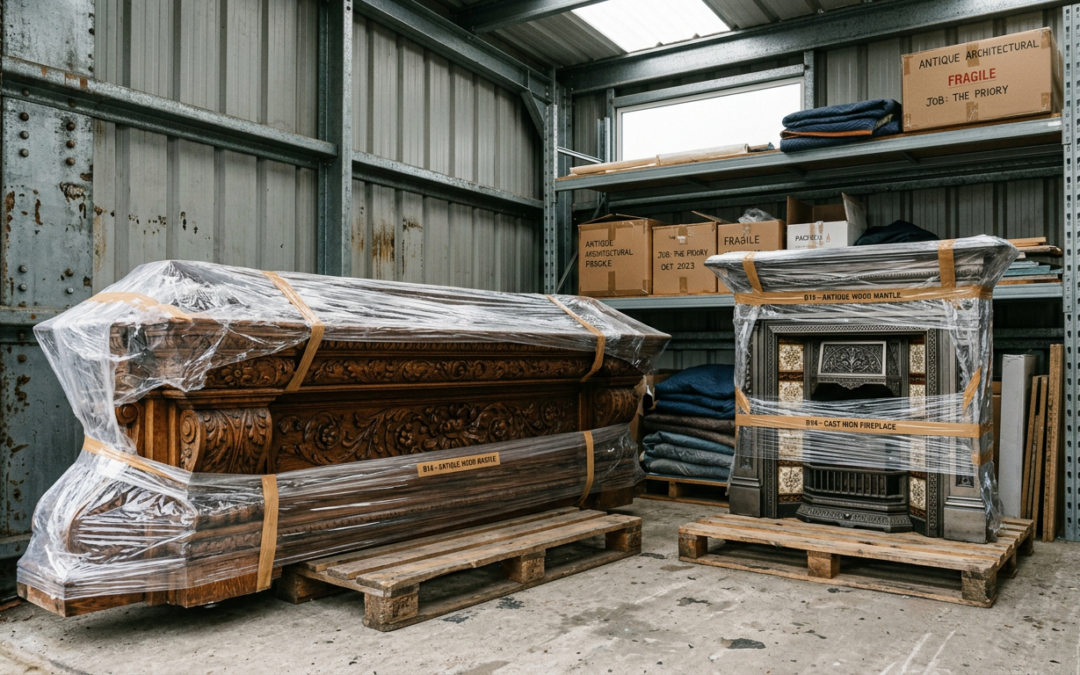
Renovating a period property brings its own set of challenges, especially when you are trying to preserve the character that makes these homes so special. Original cornicing, Victorian fireplaces, stained glass windows, and century-old floorboards are not just decorative features; they are irreplaceable pieces of history that define the property’s value and charm.
The problem is that building work creates dust, vibration, heavy foot traffic, and the constant risk of accidental damage. One careless moment with a power tool or a dropped plank can destroy features that have survived for over a century. The solution is not to avoid renovating; it is to plan properly and protect what matters before the first tradesperson arrives.
Over the years, we have seen countless homeowners face this exact dilemma. Some stored their removable features off-site during major works, whilst others protected items in situ with proper wrapping and barriers. The ones who succeeded had one thing in common: they planned their protection strategy before the builders arrived, not after the first accident happened.
Why Period Features Are So Vulnerable During Renovations
Building work creates an environment that is hostile to delicate original features. Plaster dust settles into carved woodwork and becomes nearly impossible to remove without aggressive cleaning that damages the patina. Vibrations from drilling can crack ornate ceiling roses or loosen antique tiles that have adhered to walls for generations. Heavy equipment wheeled through doorways can chip original architraves or scratch period floorboards that have mellowed over decades.
The period property features most at risk are usually the ones that add the most character. Decorative plasterwork cannot simply be replaced if damaged; modern replicas never quite match the sharpness or quality of Victorian craftsmanship. Original stained glass windows are both fragile and valuable, yet they often sit right where builders need to work. Period fireplaces, with their intricate tile surrounds and cast iron inserts, can be damaged by a single misplaced ladder.
Think of it like performing surgery in a museum. The work needs to happen, but the surroundings demand extra care that standard building practices do not automatically provide.
Assessing What Needs Protection Before Work Begins
Walk through every room that will be affected by the renovation with a critical eye. Do not just note the obvious features; look up at ceiling roses and cornicing, down at floor tiles and skirting boards, and around at door furniture and light switches that might be original.
Make a detailed list categorising features into three groups: items that must be removed and stored elsewhere, features that can stay but need heavy-duty protection, and elements that are robust enough to simply cover with dust sheets. This assessment determines your entire protection strategy.
Your checklist should include:
- Removable decorative elements like ornate door handles, finger plates, and escutcheons
- Antique light fittings and chandeliers
- Loose tiles or panels that are already vulnerable
- Valuable mirrors or artwork fixed to walls in work zones
- Mantelpiece ornaments and fireplace accessories
- Fixed plasterwork including ceiling roses, cornicing, and decorative mouldings
- Stained glass windows and original glazing
- Period fireplaces and their surrounds
- Original floorboards and parquet
- Built-in furniture like alcove cupboards or window seats
- Decorative wall tiles in kitchens and bathrooms
One family we helped was renovating their 1890s terrace and initially planned to leave everything in place with basic dust sheets. After properly assessing their home, they realised their ceiling roses sat directly below where a bathroom was being installed. They ended up building protective boxes around each rose before work started; a decision that saved three irreplaceable Victorian plasterwork pieces when a pipe leaked during installation.
The Right Way to Remove and Store Delicate Features
Some original features simply cannot remain in the property during heavy building work. Removing them properly requires patience and the right technique; rushing this process causes more damage than the renovation itself would have.
Start with documentation. Photograph each feature from multiple angles before removal, noting exactly where it came from and how it was fixed. This photographic record becomes invaluable during reinstatement, especially if months pass between removal and refitting.
For decorative door furniture, label each piece with its location using masking tape and a permanent marker. A Victorian house might have subtle differences between each room’s hardware, and mixing them up during refitting destroys the authenticity you are trying to preserve. Remove screws carefully, keeping them with their original fixtures in small labelled bags.
Stained glass panels require specialist handling. If you are uncomfortable removing them yourself, hire a specialist; the cost of professional removal is nothing compared to replacing damaged Victorian stained glass. If you do remove panels yourself, support the entire frame, never just one edge, and transport them vertically, not flat.
The protective packaging supplies you use matter significantly. Wrap metal items individually in acid-free tissue paper, then bubble wrap. Use cardboard corner protectors for anything with edges or points. Pack delicate items in rigid boxes with cushioning material, not soft bags. Keep heavy items in smaller boxes to prevent crushing. Store brass and copper items separately from other metals to prevent tarnishing.
Once packed, these items need a clean, dry, secure environment away from the building site. Storing them in a spare room sounds convenient, but dust travels through even closed doors, and vibrations affect the entire building. Purpose-built renovation storage units provide the controlled environment that irreplaceable period features need during the chaos of renovation work.
Protecting Fixed Features That Must Stay in Place
Not everything can be removed. Ceiling roses, cornicing, built-in features, and original fireplaces must be protected where they stand. This requires more than draping a dust sheet and hoping for the best.
For ornate plasterwork, build a protective box rather than simply wrapping it. Cut rigid foam board or plywood to create a box that sits around the feature without touching it, leaving an air gap of at least 50mm. This prevents both impact damage and the pressure damage that tight wrapping can cause to delicate details. Seal the joints with tape to keep dust out, but ensure you can remove the box easily for inspection.
Original floorboards need a layered protection system. First, sweep thoroughly and tape down a layer of heavy-duty cardboard, overlapping the edges. Over this, lay hardboard or thin plywood sheets, again with overlapped and taped edges. Finally, add a top layer of protective film or thick plastic sheeting. This three-layer system distributes weight, prevents scratches, and stops dust and spills from penetrating to the wood beneath.
Fireplaces present a particular challenge because they are often the room’s focal point and sit exactly where builders need to work. Remove any loose elements like the mantelpiece if possible, then build a sturdy frame of timber battens around the fireplace, covering it with plywood. This creates a hard shell that can withstand accidental knocks and provides a surface to stack materials against if needed.
Creating Effective Barriers Between Work Zones and Protected Areas
Even with individual features protected, you need to control dust and limit access to areas containing vulnerable original elements. Professional builders use containment strategies that homeowners often overlook.
Seal doorways to protected rooms with heavy-duty plastic sheeting, creating a double-door airlock effect if the room must remain accessible. Cut a vertical slit in the plastic to create a makeshift door, then overlap another sheet behind it. This simple system dramatically reduces dust migration compared to a single sheet.
For work affecting multiple floors, protect staircases with a complete covering system. Original staircase elements, such as turned balusters, carved newel posts, and handrails with decades of patina, suffer badly from repeated impacts with tools and materials being carried up and down. Cover each baluster individually with pipe insulation or bubble wrap, then protect the entire handrail with foam padding secured with tape.
Consider the vibration path from heavy work. If you are removing a wall on the ground floor, the ceiling rose in the room above will experience every impact. Additional bracing around vulnerable plasterwork can prevent cracks that develop from accumulated vibration rather than direct impact.
Managing Dust: The Silent Destroyer of Period Features
Dust from building work is not the same as household dust. Plaster dust is alkaline and abrasive, whilst brick dust contains particles that work their way into every crevice. Once embedded in carved woodwork or decorative plasterwork, this dust becomes nearly impossible to remove without damaging the surface.
Builders should use dust extraction on power tools, but this only captures a fraction of what is generated. The rest becomes airborne and settles everywhere. Your containment barriers help, but you need additional dust protection strategies for rooms that must remain accessible during work.
Run air purifiers with HEPA filters in adjacent rooms to protected areas. These will not eliminate dust, but they significantly reduce the amount that settles on surfaces. Position them to create air flow away from vulnerable features, not towards them.
Damp dust rather than dry sweep in rooms with protected features. Sweeping just redistributes fine dust into the air where it settles again. Light misting with a spray bottle before sweeping keeps dust particles heavy enough to stay on the ground. Do not over-wet; you are misting, not mopping.
Insist on daily cleaning from your builders, not just a final clean at the end. Dust accumulation is exponential; a little dust attracts more, and soon you have layers that are much harder to remove than daily light cleaning would have been.
What to Do When Storage Becomes Necessary
Sometimes the scale of work makes on-site protection impractical. Whole-house renovations, structural work, or projects lasting several months create an environment where even the best protection systems struggle. In these situations, temporary removal to storage is not just safer; it is the only realistic option.
When sizing renovation storage units, calculate what you need to store by measuring your items, not guessing. Original doors from a Victorian house are larger and heavier than modern ones. Period radiators take up more space than you would expect. For substantial architectural elements, you might want to utilise container storage which offers robust space for heavy items.
Climate matters for period features. Wood expands and contracts with humidity changes, metal corrodes in damp conditions, and plaster can crumble if it gets too dry. Choose storage with good ventilation and stable conditions rather than the cheapest available space. A few months in poor conditions can cause damage that centuries in the original building did not.
To ensure your items survive the transition:
- Clean everything before packing to prevent dirt from causing staining or corrosion
- Wrap wood in breathable materials, never plastic, which traps moisture
- Stand items upright when possible, especially doors and panels
- Create an inventory with photos and descriptions
- Pack a “first back” box with essential items you will need immediately after work completes
The packaging you use matters as much as the storage environment. Proper materials designed for long-term storage cost more than general-purpose supplies, but they prevent the deterioration that cheap alternatives allow. We strongly recommend you purchase protective packaging supplies like acid-free tissue paper and furniture blankets to protect your investment.
Working With Builders Who Understand Period Properties
Your protection strategy only works if your builders respect it. Not all tradespeople understand why you are making such a fuss about “old stuff”; some see period features as obstacles rather than assets worth preserving.
Have explicit conversations before work begins. Walk through the property together, pointing out what is original and what is not. Explain which features are irreplaceable and what damage would mean in terms of cost and loss of character. Good builders appreciate this clarity; it helps them plan their work to avoid problems rather than dealing with them afterwards.
Include protection requirements in your contract. Specify who is responsible for maintaining protective coverings, what happens if original features are damaged, and how disputes will be resolved. This is not about distrust; it is about ensuring everyone understands expectations before money changes hands.
Check protection measures daily, especially in the first week. Dust sheets slip, protective boxes get removed for access and not replaced, and shortcuts get taken when no one is watching. Early intervention prevents these small lapses from becoming major problems.
The Insurance Question That Most People Overlook
Standard home insurance during renovation often excludes damage to the property caused by building work. Your builder’s insurance might cover damage they directly cause, but proving liability for dust damage or vibration cracks can be difficult.
Before work starts, contact your insurer to declare the renovation and confirm what is covered. Consider additional cover for high-value original features if your standard policy limits seem inadequate. Document the condition of everything valuable before work begins; photos with date stamps provide evidence of pre-existing condition that is invaluable if disputes arise.
For items in storage, check whether your home insurance extends to cover belongings stored elsewhere, or whether the storage facility’s insurance is sufficient. Most storage facilities offer basic insurance, but it might not reflect the true replacement value of irreplaceable period features.
Reinstating Features After Work Completes
The renovation is complete, dust has settled, and now you are ready to reinstate the features you protected or removed. This final phase deserves as much care as the removal process; rushing it risks damaging items that survived months of building work unscathed.
Clean the property thoroughly before bringing anything back. Residual dust will transfer to your stored items as you unpack them. Professional cleaners experienced with post-renovation work are worth considering; they understand the difference between “looks clean” and “actually clean.”
Reinstall items in reverse order of removal, using your photographs and notes as a guide. Check fixings carefully; old screw holes might need filling and re-drilling, and original fixings might have corroded or weakened. Modern fixings can be used if they are not visible, but keep original screws and hardware with the feature even if you do not reuse them.
Some features might need specialist restoration after storage. Wood might need re-waxing, brass might need polishing, and plasterwork might need touching up where protection was not quite perfect. Factor this into your post-renovation budget rather than treating it as an unexpected cost.
Lessons From Renovations That Went Wrong
The most expensive mistakes happen when people underestimate how much protection period features need. One homeowner we encountered had carefully wrapped their Victorian ceiling rose in plastic sheeting before builders installed a new bathroom above. The plastic trapped moisture from a minor leak, and by the time anyone noticed, the plasterwork had deteriorated beyond repair. A breathable protective box would have allowed the leak to become visible immediately.
Another common error is protecting features but failing to maintain that protection throughout the project. Initial efforts get undone as work progresses, protective coverings get removed for access and aren’t replaced properly, and by the end of the project, original features have sustained damage that could have been prevented.
The lesson is not that protection is pointless; it is that half-measures often fail. Either commit to proper protection and maintenance throughout the project, or use temporary furniture storage to move vulnerable items to safety where they are not dependent on daily vigilance to stay safe.
Bringing It All Together
Protecting period features during renovation requires planning, proper materials, and consistent attention throughout the project. The effort feels excessive until you have seen what happens when it is not done; original features that survived a century can be destroyed in an afternoon of careless building work.
Start with a thorough assessment of what needs protection and what needs removal. Use proper techniques and materials for both protecting and packing. Create effective barriers between work zones and protected areas. Manage dust aggressively from day one. And when the scale of work makes on-site protection impractical, do not hesitate to secure personal storage space rather than hoping inadequate protection will somehow be enough.
At Newbury Self Store, we often work with homeowners undertaking significant restoration projects. We understand that you are not just storing “stuff,” but irreplaceable pieces of local history. Whether you need a small unit for door furniture and light fittings or a larger space for period doors and floorboards, we can help keep them safe until your home is ready for their return.
The character of a period property lies in its original features, the craftsmanship and materials that modern construction cannot replicate. Preserving these elements during renovation is not about being precious or difficult. It is about recognising that once they are damaged, they are gone, taking with them both the property’s character and a significant portion of its value.
Your renovation will transform your period property, but the goal should be thoughtful improvement that respects and preserves what makes the building special. With proper planning and protection, you can have both the modern functionality you need and the historic character that made you fall in love with the property in the first place.
If you are planning a renovation and need to protect your period features, call 01635 581 811 or contact our team to discuss secure storage options.