 01635 581 811

Most mobile caterers spend months perfecting their menus, building their brand, and investing in top-quality equipment. Yet one costly mistake can wipe out a whole season of hard work before a single event even begins. That mistake usually has nothing to do with the food.
It happens in the off-season, quietly, in the wrong storage space. A mobile caterer I worked with recently had been keeping her equipment in a friend’s garage for three years. When she retrieved her commercial griddle ahead of the spring wedding season, she found the cooking surface warped beyond repair from months of temperature fluctuations. The replacement cost her £2,400, and she lost two bookings whilst waiting for the new unit to arrive. The food was never the problem. The storage was.
That story is far more common than it should be. This guide covers what proper mobile catering storage in Newbury looks like, why it matters more than most operators realise, and how to protect the equipment your business depends on.
The Hidden Costs of Inadequate Commercial Kitchen Equipment Storage
Your kit is worth serious money. A typical mobile catering setup includes griddles, fryers, refrigeration units, serving counters, and dozens of smaller items, often totalling well over £15,000. Yet many operators leave this investment in places they’d never store their personal belongings.
Temperature swings cause the most damage, and they do it quietly. Electronic parts in refrigeration units break down in freezing conditions. Stainless steel corrodes in damp spaces. Seals and gaskets crack after repeated freeze-thaw cycles. You won’t notice any of this until you need the equipment for a big event.
Security is just as important. Most insurance policies for commercial kitchen equipment storage require specific storage conditions to be valid. Equipment kept in residential garages or shared spaces is often excluded entirely. One theft can set your business back financially and cost you bookings whilst you wait for replacements.
Hygiene compliance rounds out the risk. Environmental health officers expect catering equipment to be kept in clean, pest-free conditions. If it isn’t, contamination can transfer to food during events. The fallout ranges from a failed inspection to a full-blown food safety incident.
What Commercial Catering Equipment Actually Needs
Think of commercial kitchen equipment like a professional athlete between competitions. It needs proper rest conditions to perform at its best when called upon. Where and how you store it has a direct impact on how long it lasts. Getting commercial kitchen equipment storage right is one of the most practical ways to extend the life of your kit.
Protection from the elements is the key factor. Your equipment doesn’t need a heated unit, but it does benefit from being shielded from heavy moisture and prolonged exposure to damp conditions. Keeping items dry and covered goes a long way towards preventing the slow deterioration that cuts equipment life short.
Space planning matters too. Commercial kitchen items come in awkward shapes and sizes. Tall water boilers need vertical clearance. Wide serving counters take up floor space. Good mobile catering storage in Newbury means you can reach any item without shifting everything else to get to it.
Ground-level access makes a real difference day to day. Lugging a 40-kilogram fryer up stairs or squeezing through narrow corridors wastes time and risks injury. With ground-level access, you load straight from the unit to your vehicle, quickly and safely.
Container Storage Solutions for Mobile Caterers
Mobile catering moves fast, and your storage needs to keep up. Standard self-storage units are designed for household goods, not commercial equipment with specific access and environmental requirements. They often fall short for serious operators.
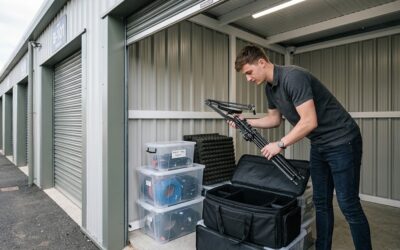
For caterers who need space for large, heavy equipment, secure outdoor container units are well worth considering. Each 20-foot shipping container gives you 160 square feet of dedicated space where your kit stays organised and easy to reach. The ground-level position means you can transfer large, heavy items quickly and smoothly without carrying anything through a building.
The containers are accessible 24 hours a day, seven days a week, which suits the irregular hours that event catering storage demands across different seasons. The facility also has CCTV and a monitored alarm system, giving you a reasonable degree of security for stored equipment during quieter periods.
Newbury Self Store has been providing storage for commercial operators since 1999. Whether you run a single van or manage multiple vehicles, dedicated food truck storage removes one of the biggest logistical headaches in the industry. The team can also accept deliveries on your behalf during opening hours, free of charge, which is useful if you’re not always on-site to receive equipment or supplies. Pallet trucks and flat-bed trolleys are available on-site to help with moving heavier items.
Seasonal Storage Strategies for Event Caterers
Catering businesses follow clear seasonal rhythms. Summer fills up with weddings. Autumn brings corporate bookings. Spring and summer festivals cluster together. Planning your event catering storage around these patterns helps you stay organised and avoid unnecessary costs.
Winter preparation is about protecting your kit before problems develop. Clean everything thoroughly before storing it to stop residue from causing corrosion. Drain water lines to prevent freeze damage, and use breathable covers to keep dust out whilst letting air circulate.
Festival season often means a full swap-out of equipment. You might put away your regular kit and bring out specialised festival gear, then reverse it all afterwards. Having enough space to manage that rotation calmly is the difference between a smooth handover and a last-minute scramble. Good catering equipment storage makes that kind of planned rotation straightforward rather than stressful.
Caterers who need that kind of flexibility will find it with short-notice commercial storage. Take a larger unit during peak months when you’re storing extra supplies, then scale back during quieter periods. There’s no lengthy contract to worry about; just two weeks’ notice when you need to change.
Organising Your Commercial Kitchen Storage Unit
A well-organised storage unit saves you time every single event. A chaotic one costs you time and risks damage to equipment. The difference comes down to how you set it up from the start.
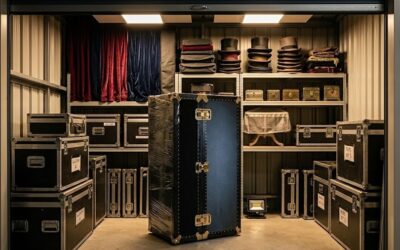
Zone-based layouts work well for catering equipment storage. Give each category its own area: refrigeration in one zone, cooking equipment in another, serving items in a third. With that system in place, you can find what you need without disturbing anything else.
Keep equipment off the floor. Pallets or low platforms prevent moisture from seeping up from concrete. Add moisture absorbers inside enclosed units like refrigerators to prevent musty smells. Wrap anything fragile to protect it from knocks during access.
The facility also stocks a range of boxes and wrapping materials if you need to protect items before they go in. Bubble wrap, packing tape, transit blankets, and wrapping paper are all available to purchase on-site, so you can pick up what you need at the same time as setting up your unit.
Keep an inventory too. A running list of stored items, with purchase dates and maintenance notes, is invaluable for insurance claims and forward planning. Take photos of equipment condition before storing it so you have a clear record if anything goes wrong.
Insurance and Compliance Considerations
Your insurance policy almost certainly has conditions about how stored equipment is kept. Many caterers discover this too late, when a claim is rejected because their storage didn’t qualify. It’s worth checking the requirements carefully before committing to a storage arrangement.
Most policies require a secure, weatherproof facility. A residential garage won’t meet that bar, nor will many basic storage units. Insurers typically want evidence you’ve taken reasonable steps to protect your equipment from theft and the elements.
Environmental health compliance is another consideration. Whilst stored equipment isn’t inspected in the same way as operational kit, you still need to show it was kept in hygienic conditions before it went back into use. Records of cleanliness at your storage facility help answer those questions.
Choosing a reputable, established storage provider gives you a solid paper trail. You can ask for details of their security systems and any relevant facility documentation to support your insurance and compliance needs.
Cost Analysis: Storage vs Alternative Solutions
The monthly fee is only part of the cost equation. Choosing the right commercial kitchen equipment storage means weighing that monthly cost against the long-term value of protecting your investment. To compare your options properly, you need to look at the full financial picture, including the risks and hidden costs that come with each.
Renting commercial premises might seem like a logical alternative, but the numbers rarely work out for equipment storage alone. Commercial space in Newbury starts at around £15 per square foot per year. A unit big enough to store a full mobile catering setup could cost £3,000 to £5,000 annually, before business rates, utilities, or insurance.
If you want a sense of the full range on offer, the personal storage in Newbury page covers the indoor unit sizes available. For commercial kitchen equipment, however, the outdoor shipping containers are typically the better fit, given the size of the items and the need for easy loading and unloading.
Shared warehouse arrangements with other businesses can seem attractive but rarely stay simple. Restricted access, unclear liability if something is damaged, and the possibility of the arrangement ending at short notice all create ongoing uncertainty. For a serious catering operation, those risks outweigh the savings.
Looking at the longer term, proper catering equipment storage pays for itself. A £3,000 piece of equipment that lasts eight years instead of five because it was correctly stored saves you around £750 in replacement costs alone.
Protecting Your Investment Through Smart Storage Choices
The mobile catering industry keeps growing, and competition is getting sharper. How you manage your operation between events, including how you store your kit, directly affects your ability to respond quickly and deliver consistently.
Proper food truck storage means your equipment is ready when you need it. There are no last-minute discoveries of broken parts. No rush orders for replacements. No missed bookings. Over time, those saved costs and avoided headaches add up to a meaningful business advantage.
The facility you choose matters. From solo traders to growing operations, the right food truck storage setup supports better planning and more consistent results. A well-run, established storage provider understands the practical demands of commercial equipment in a way that a makeshift arrangement simply doesn’t. It offers the right access, a dependable security setup, and a dry, weatherproof space for kit that earns you a living.
Think about how storage fits into your business strategy as a whole. Reliable mobile catering storage in Newbury means you can commit to larger events, knowing everything you need is accessible and in good condition. It gives you room to invest in specialist equipment without worrying about where to put it. And it removes a layer of operational complexity that would otherwise slow you down.
Your equipment is your livelihood. Protecting it with the right storage isn’t an extra cost; it’s a core part of running a professional catering business. The caterers who treat it that way spend less time firefighting and more time doing what they’re good at.
For mobile caterers and event professionals in Newbury, having purpose-built event catering storage that truly understands commercial requirements takes a real weight off your shoulders. When storage just works, you can focus entirely on delivering outstanding food experiences for your clients.
Ready to find a storage solution that works as hard as your catering business? Call 01635 581 811 or get in touch with our team to discuss the right unit size and contract for your operation.