
 01635 581 811
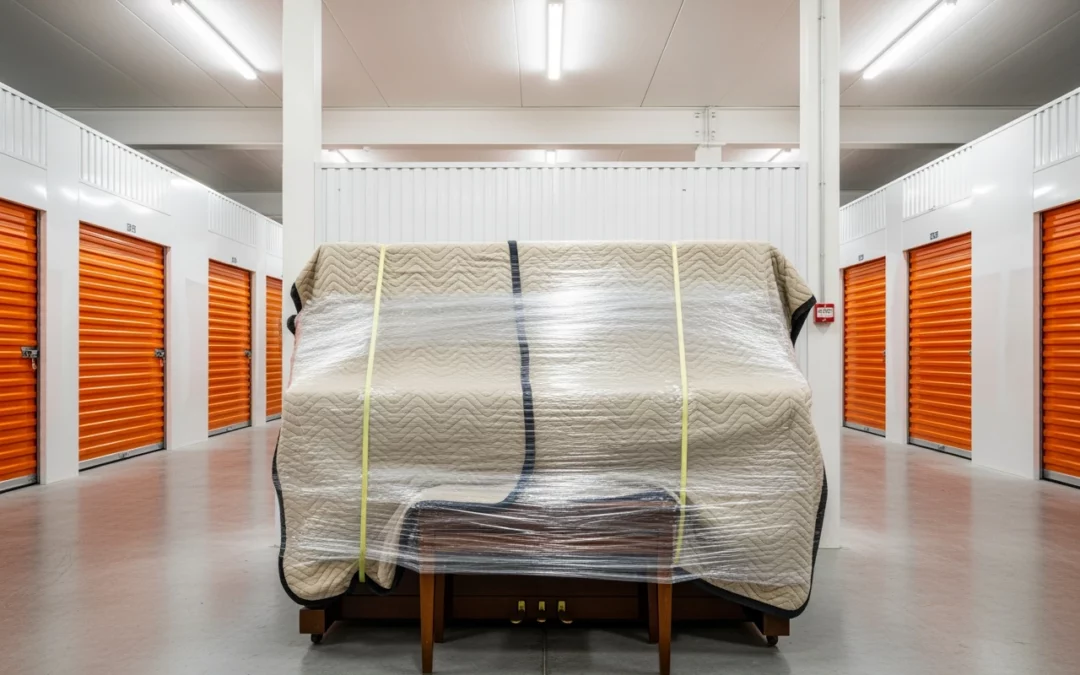
Musical instruments represent far more than their monetary value. A piano that has been in your family for three generations or the cello you have played for 20 years carries memories and emotional weight that simply cannot be replaced. When circumstances require storing a piano self storage or other large instruments long-term, the stakes are genuinely high.
Large musical instruments, particularly pianos, present storage challenges that catch many people off guard. Unlike furniture or household goods that tolerate a range of conditions, these precision instruments respond to every fluctuation in temperature and humidity. The difference between proper storage and a damaged instrument often comes down to understanding exactly what these pieces need to remain in playing condition.
Understanding What Makes Piano Storage Different
A piano is not simply a large wooden object. It is a precisely engineered mechanism containing thousands of moving parts, miles of wire under tremendous tension, and carefully shaped wood that responds to its environment. The soundboard alone, that crucial component responsible for amplifying vibrations, expands and contracts with changes in moisture content.
I have seen a beautiful upright piano that spent just one summer in a garden shed. The owner assumed that because the shed was dry and the piano was covered, everything would be fine. When they retrieved it that autumn, the soundboard had cracked, several keys stuck, and the tuning had shifted so dramatically the instrument was unplayable. The repair bill exceeded £800, and the piano never quite sounded the same again.
Think of a piano like a living organism that breathes with its environment. Just as you would not thrive in a space that swung from freezing to sweltering, a piano deteriorates rapidly when subjected to temperature extremes. The wood absorbs and releases moisture, the metal components expand and contract, and the felt hammers become brittle or soggy depending on conditions.
Preparing Your Piano for Long-Term Storage
Preparation begins weeks before the actual move. Schedule a professional tuning and inspection specifically mentioning that the instrument will be stored. A qualified technician can identify potential issues, tighten loose components, and ensure everything is mechanically sound before the piano enters its dormant period.
Clean the entire instrument thoroughly. Dust and debris that seem harmless in a lived-in space can become problematic during storage. Use a soft, dry cloth for the exterior and carefully vacuum the interior components if you are comfortable doing so. This step prevents particles from settling into mechanisms and causing problems months later.
Photograph the piano from multiple angles, including close-ups of any existing scratches, marks, or imperfections. Document the serial number and any distinguishing features. These photographs provide a condition record for insurance purposes and help you notice any changes when you eventually retrieve the instrument.
Positioning and Physical Protection
How you position a piano in storage directly impacts its long-term health. Never store a piano on its side or back, regardless of space constraints. The internal structure is not designed to support weight in these orientations, and you risk permanent damage to the soundboard, bridges, and pin block.
Upright pianos should stand on their legs or base on a level surface. Grand pianos require more space but must also remain in their normal horizontal position. Create a protective barrier between the piano and its environment without sealing it completely. A breathable piano cover made from quilted fabric or specially designed storage blankets protects from dust whilst allowing air circulation. Avoid plastic sheeting or non-breathable materials that trap moisture and create condensation problems.
Position the instrument away from exterior walls where temperature fluctuations are most pronounced. Leave at least 15 centimetres of clearance on all sides to promote air circulation. If storing multiple items, ensure nothing leans against or touches the piano, as pressure points can cause finish damage or structural stress over time.
Storage Solutions for Different Instrument Types
Whilst pianos demand the most attention due to their size and complexity, other large instruments have specific requirements worth understanding. Cellos and double basses should remain in their cases, standing upright or lying flat depending on case design. Loosen bow hair to reduce tension during storage, but do not completely remove strings from the instrument, as this can affect structural integrity.
Large brass instruments like tubas and euphoniums benefit from case storage with silica gel packets to manage moisture. Remove mouthpieces and store them separately to prevent corrosion where dissimilar metals meet. Woodwind instruments, particularly bassoons and bass clarinets, are extremely sensitive to humidity and absolutely require climate-controlled conditions.
Harps present unique challenges similar to pianos due to their wooden soundboards and high string tension. These instruments should never be stored in cases for extended periods, as they need air circulation. They require dedicated space in a climate-controlled environment where they can stand freely with protective covering. Professional packing supplies designed for delicate instruments provide layers of protection that household alternatives cannot match for these valuable pieces.
Newbury Self Store: Climate Control and Security for Instruments
Newbury Self Store approaches instrument storage with the understanding that these are not merely objects taking up space. The facility maintains consistent climate control throughout the year, providing the stable environment that preserves instrument condition and prevents the thermal stress that causes delayed cracking or warping.
Security measures protect against theft whilst accessibility allows owners to check on their instruments or arrange for periodic professional maintenance visits. For anyone storing a piano self storage long-term, having the ability to visit regularly and bring in a technician without logistical barriers makes the difference between proactive care and discovering problems too late.
The facility’s environment eliminates the seasonal temperature extremes and humidity swings that home storage options almost always involve. This consistency is not just convenient; it is the single most important factor in long-term musical instrument storage.
Using Professional Packing Materials
The materials you use to protect your instrument matter as much as the storage environment. Purpose-made instrument blankets offer padding without the moisture-trapping problems of plastic bubble wrap. Corner protectors prevent damage to vulnerable piano edges during transport and whilst in storage.
Leg protectors cushion weight-bearing components and prevent floor scratches if you need to shift the piano’s position. Smaller valuable components deserve individual attention. If you have removed the music stand, pedal lyre, or other detachable pieces, wrap each separately and label clearly. Store these items with the main instrument or photograph their storage location so nothing goes missing when you eventually reassemble everything.
Ideal moving storage during a house transition, renovation, or relocation provides a secure, accessible location where instruments and household belongings can be kept together. Consolidating storage needs into one well-managed unit simplifies logistics and reduces the handling that contributes to damage.
Ongoing Care During Storage
Storing a piano is not a “set it and forget it” proposition. Plan to inspect the instrument every three to four months, checking for any signs of environmental problems or pest activity. Look for changes in wood appearance, new cracks, or finish deterioration. Check that protective coverings remain in place and have not shifted.
If possible, arrange for a piano technician to inspect the instrument every six months during extended storage. They can assess tuning stability, check for developing problems, and make minor adjustments that prevent small issues from becoming major repairs. This proactive approach costs far less than addressing damage after it has occurred.
Monitor the storage environment itself during your visits. Look for signs of moisture like condensation on walls or musty odours. Long term musical instrument storage requires commitment to this monitoring routine, as conditions can shift between visits in ways that are invisible until damage is already underway.
Special Considerations for Vintage and Valuable Instruments
Antique pianos and instruments of significant value require extra attention to insurance coverage before storage. Standard household policies may not adequately cover instruments in storage, particularly if they are not at your primary residence. Contact your insurance provider to discuss specific coverage options and documentation requirements.
Vintage instruments often have quirks and vulnerabilities that modern pieces do not share. Older glues may be less stable, finishes more delicate, and components more prone to deterioration. If you are storing an instrument of historical or significant monetary value, consider consulting a specialist in antique instrument preservation for specific preparation advice.
Document provenance and history before storage. Gather any paperwork, photographs, or records related to the instrument’s manufacture, previous ownership, or restoration history. Store these documents separately from the instrument itself, preferably in multiple locations including digital copies.
When to Consider Container Storage
Particularly large instruments or situations involving multiple pieces might benefit from dedicated container storage that provides exclusive access and control. Store entire contents of a music room or teaching studio together in a single container, where everything remains organised and accessible without competing for room with unrelated items.
This approach works especially well for musicians storing entire collections, music teachers consolidating instruments during career transitions, or families managing estates that include multiple valuable pieces. Container storage also simplifies the logistics of periodic maintenance visits, as everything is in one location, easily accessible without navigating through shared corridors.
For businesses managing instrument inventory or equipment between venues, trusted commercial storage provides the professional environment, security, and documented storage conditions that valuable commercial assets require. Having a clear record of storage conditions also supports insurance claims if anything unexpected occurs.
Planning for Retrieval and Return to Service
Before your instrument goes into storage, create a plan for its eventual return to active use. Note the date of the final tuning, any maintenance performed, and the condition at storage time. This information helps the technician who will prepare the instrument for playing again.
Understand that a piano will need professional attention after any storage period exceeding a few months. Budget for tuning, regulation, and voicing work to restore optimal playing condition. When retrieval day arrives, allow the instrument to acclimatise to its new environment for at least two weeks before scheduling tuning work. This acclimation period provides a stable foundation for the technician’s work.
The Real Cost of Inadequate Storage
The temptation to save money through cheaper storage options becomes less appealing when you understand the potential costs of inadequate conditions. A piano requiring soundboard repair, pin block replacement, or extensive regulation work can easily generate bills exceeding £2,000. Some damage to vintage instruments may be irreversible regardless of budget.
Compare this to the cost of proper climate-controlled storing a piano self storage solution, which typically represents a fraction of the instrument’s value and replacement cost. Beyond financial considerations, there is the emotional cost of returning to a damaged instrument. The anticipation of playing again after a storage period should bring joy, not the disappointment of discovering an instrument that no longer sounds right or responds properly.
Whether you are storing a concert grand piano, a family heirloom upright, or a collection of orchestral instruments requiring long term musical instrument storage, stable temperature, controlled humidity, proper positioning, and regular monitoring create the foundation for successful storage that preserves your instrument’s condition and value.
Call 01635 581 811 or contact us to discuss climate-controlled storage that keeps your piano or large musical instrument in peak condition.