
 01635 581 811
Choosing a padlock for your storage unit sounds straightforward until you are standing in the hardware aisle facing dozens of options. The wrong choice could mean returning to find your belongings compromised, whilst the right one provides genuine peace of mind for years. Selecting the best padlock for self storage is not about the most expensive option on the shelf; it is about understanding exactly which features determine real-world security.
Security is not just about having a lock; it is about having the correct lock. I have seen units with locks that looked substantial but failed within weeks, and I have watched customers lose irreplaceable items because they prioritised price over protection. Understanding what makes a padlock genuinely secure transforms this from a simple purchase into an investment in safeguarding what matters.
Understanding the True Cost of Poor Padlock Choices
The consequences of selecting the wrong padlock extend far beyond the lock itself. A substandard lock invites opportunistic theft, and storage facilities remain prime targets for criminals who understand that many renters use inadequate security measures.
Thieves spend mere seconds assessing vulnerability. They look for thin shackles that yield to bolt cutters, exposed mechanisms vulnerable to leverage attacks, and cheap materials that corrode or freeze in British weather. A lock that appears robust but lacks proper hardening becomes an invitation rather than a deterrent.
The financial impact compounds quickly. Beyond replacing stolen items, you face the cost of a new lock, potential insurance excess payments, and the time investment of filing reports and claims. More significantly, you lose irreplaceable possessions like family photographs, heirlooms, or business records that carry value no insurance policy can restore. Choosing the best padlock for self storage from the outset costs far less than the alternative.
The Three Lock Types You Need to Know
Storage security depends on selecting the right lock design for your specific situation. Three main types dominate the market, each offering distinct advantages.
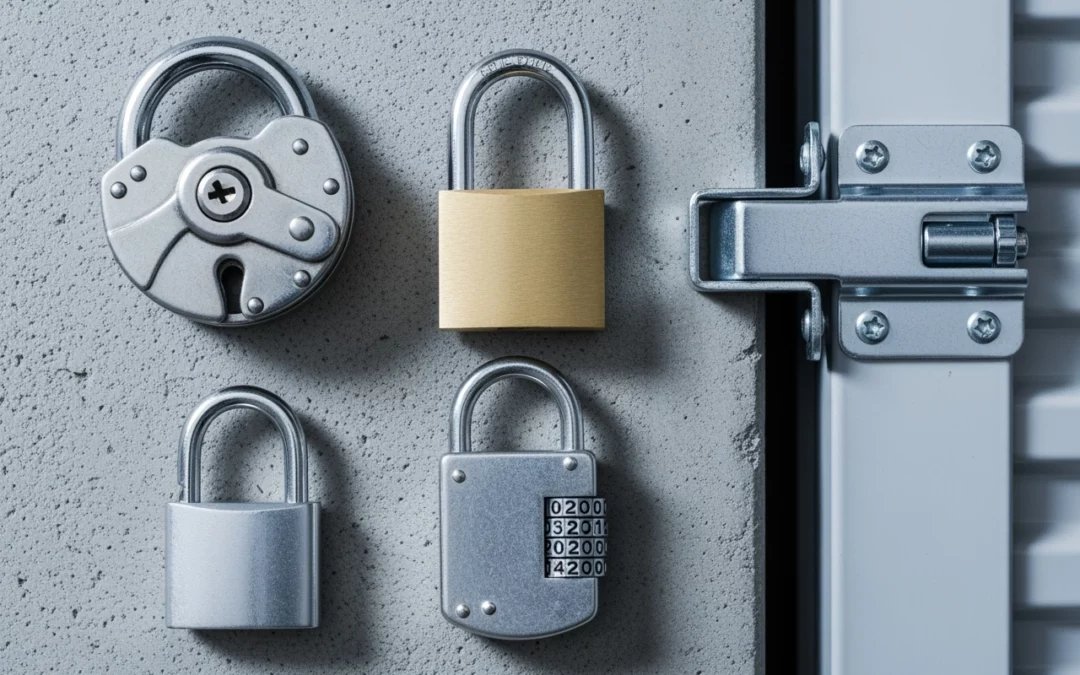
Disc locks feature a circular body with a shackle that sits flush against the lock mechanism. This design eliminates the exposed shackle loop that bolt cutters target, making them exceptionally difficult to attack with conventional tools. The rotating disc design means thieves cannot gain purchase with cutting tools. Even industrial bolt cutters struggle because there is no protruding metal to grip.
Closed shackle padlocks minimise shackle exposure by housing most of the U-shaped bar within the lock body. Only a small section protrudes, reducing the surface area available for cutting or leverage attacks. For personal storage containing valuable household items, closed shackle designs offer excellent protection. As for keyed versus combination locks, keyed options eliminate forgotten combinations but require managing keys that can be lost or copied, whilst combination locks simplify multi-person access for business storage but require disciplined code management.
Material Quality: The Foundation of Security
A lock’s appearance reveals little about its actual security. The materials and construction determine whether it resists attack or fails within seconds.
Hardened steel represents the minimum acceptable material for any storage padlock. Standard steel cuts easily with bolt cutters, whilst hardened steel resists cutting and sawing attempts. Boron alloy shackles take hardness further. Boron carbide ranks among the hardest materials available, and padlocks featuring boron-hardened shackles resist even professional cutting tools, forcing thieves to spend minutes rather than seconds. Look for locks explicitly stating “hardened steel” or “boron alloy” in specifications. Vague terms like “tough steel” or “security metal” often indicate standard materials with minimal hardening.
British weather tests every material relentlessly. Stainless steel bodies resist corrosion effectively. Sealed mechanisms prevent water ingress that causes internal rusting and freezing. This seemingly minor feature extends lock life by years, particularly in outdoor or unheated storage environments. When evaluating the best padlock for self storage, always confirm the weather resistance rating alongside the hardening specification.
Size and Shackle Dimensions
Padlock size directly correlates with security level, though bigger does not automatically mean better. The critical measurement is shackle diameter, which determines cutting resistance. Shackles measuring 10mm or thicker resist standard bolt cutters effectively. Upgrading to 12mm or 13mm shackles requires industrial cutting equipment that few opportunistic thieves carry.
The shackle must also fit your storage unit’s locking mechanism properly. Measure the hasp or latch opening before purchasing to ensure the shackle passes through comfortably whilst minimising gaps. Excessive space around the shackle allows thieves to insert cutting tools or leverage bars more easily. Consider the lock body size relative to the door construction. A massive padlock on a flimsy door simply redirects attack to the door itself.
Brand Integration and Professional Recommendations
Storage facilities often specify lock requirements or recommend particular models based on years of experience with what works and what fails. These recommendations stem from observing thousands of units and understanding which locks consistently protect contents.
Newbury Self Store maintains specific security standards that guide customers towards effective protection. Rather than leaving lock selection to chance, the facility provides clear guidance on minimum specifications, approved brands, and design features that match their security infrastructure.
Think of this relationship like choosing tyres for your car. Whilst you could select any tyre that fits the wheel, the manufacturer’s recommendations account for weight distribution, braking systems, and performance characteristics you might overlook. Similarly, facility recommendations for container space available units differ from those for internal units because access points and vulnerability profiles vary considerably.
Common Mistakes That Compromise Security
The most common error involves selecting locks with shackles under 10mm diameter. These look substantial but cut easily with standard bolt cutters. I once helped a customer who had lost valuable tools from his unit despite using what appeared to be a robust padlock. The shackle measured just 7mm, and the thief had cut through it in seconds. He had saved perhaps three pounds on the lock but lost hundreds in tools, plus the items’ sentimental value as his late father’s collection.
Customers frequently purchase locks without considering environmental exposure. An indoor lock used outdoors corrodes within months, and mechanisms without weather sealing freeze solid during winter. This mistake proves particularly costly because rust accumulates internally, weakening components before visible external damage appears. Combination lock users also often select easily guessed codes or fail to randomise dials after unlocking, effectively eliminating the lock’s security entirely for anyone who walked past moments earlier.
Installation and Usage Best Practices
Proper installation maximises any lock’s effectiveness. Position the lock with the keyway or combination dial facing downward when possible. This prevents water accumulation in the mechanism and makes picking attempts more difficult. Close the shackle completely and verify it is engaged before walking away. Give the lock a firm tug after closing to confirm engagement.
For combination locks, spin the dials randomly after each use. Make this automatic, like locking your car doors. The habit takes seconds but prevents code exposure to observant criminals. Consider applying a thin layer of graphite lubricant to the mechanism annually. Avoid oil-based lubricants that attract dust and grime, eventually clogging the mechanism.
When storing particularly valuable items, layer security measures. Use a high-quality padlock as your primary defence, and consider smart personal storage options that include individual unit alarms as a complementary layer of protection. Physical measures and facility security working together deliver far greater protection than either alone.
Maintaining Long-Term Security
Padlock security is not a one-time decision but an ongoing commitment. Check your lock monthly for rust spots, mechanism stiffness, or visible damage. If the shackle shows pitting or discolouration, replacement becomes urgent. Test the locking mechanism’s smoothness. Difficulty turning keys or setting combinations indicates internal problems that will worsen.
For long-term storage where you visit infrequently, set calendar reminders for lock inspection. Six-month intervals work well for climate-controlled facilities, whilst quarterly checks suit outdoor or unheated storage. Replace locks proactively rather than waiting for failure. A padlock showing wear after three years might last another year, but the risk of weakened security makes replacement the prudent choice.
For businesses managing a store wholesale stock inventory in dedicated units, periodic lock inspection should form part of your routine storage maintenance visit rather than being treated as a separate task. Combining physical checks of both stock and security equipment during each visit creates an efficient and consistent protection routine.
Integrating Physical and Facility Security
Your padlock works as part of a broader security system. Facility security features like CCTV, controlled access, and regular patrols complement your padlock by deterring criminals and detecting suspicious activity. However, your padlock represents the final barrier protecting your belongings. Facility security might prevent criminals reaching your unit, but once there, only your lock stands between them and your possessions.
This layered approach mirrors home security. You lock your front door even though you live in a safe neighbourhood with attentive neighbours. Choose locks that match or exceed your facility’s overall security level. A basic lock in a high-security facility creates a weak point. When making your final selection, prioritise shackle thickness first, then confirmed hardening, then weather resistance, then locking mechanism, and finally physical size. Following this order ensures the best padlock for self storage is chosen on performance rather than appearance.
A storage unit padlock guide that prioritises these factors in sequence will always outperform one based purely on price or brand recognition. The padlock protecting years of accumulated memories and valuable possessions deserves more than a few seconds of consideration in a hardware aisle.
Call 01635 581 811 or contact us for guidance on security requirements specific to your storage needs.