 01635 581 811

The traditional office is no longer the default choice for Britain’s growing micro-business sector. Across Berkshire and beyond, entrepreneurs are discovering that micro business self storage provides everything they need to run profitable operations without the financial burden of commercial leases. This shift represents more than cost cutting; it is a fundamental rethinking of what businesses actually require to function effectively.
A micro-business typically employs fewer than five people, often just the owner. These ventures do not need reception areas, meeting rooms, or dedicated desk space. What they do need is secure space for inventory, equipment, or archives, and self storage delivers exactly that without the unnecessary extras.
Why Micro-Businesses Are Abandoning Traditional Offices
Commercial office space in market towns can cost £15 to £25 per square foot annually, and that is before utilities, business rates, and maintenance. A 200-square-foot office might run £250 to £400 monthly, plus another £100 to £150 in associated costs. For a micro-business generating £30,000 to £60,000 annually, these figures represent a significant percentage of revenue.
Micro business self storage offers a dramatically different proposition. The same square footage costs a fraction of commercial rent, typically £80 to £150 monthly depending on location and features. There are no business rates, no utility bills, and no maintenance responsibilities. Beyond the obvious financial advantage, storage units provide flexibility that traditional leases simply cannot match. Most commercial leases require three to five-year commitments, creating risk for businesses still finding their footing.
I have watched countless business owners make this transition over the past decade. The relief is palpable when they realise they are no longer locked into agreements that made sense six months ago but feel restrictive today. Month-to-month storage terms allow entrepreneurs to scale up or down as circumstances change, without the penalties that make commercial leases feel like financial handcuffs.
The Core Functions Self Storage Replaces
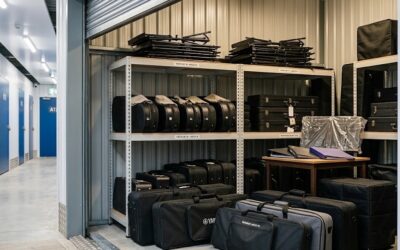
For product-based businesses, inventory management drives the need for space. An online retailer selling homeware, outdoor equipment, or craft supplies needs somewhere to receive shipments, organise stock, and fulfil orders. A storage unit becomes the operational centre, housing everything from current inventory to packaging materials.
Trade businesses face similar requirements. A plumber, electrician, or carpenter accumulates tools, materials, and equipment that will not fit in a van or home garage. Rather than paying for workshop space, a small business storage unit UK provides a base where tools stay organised and accessible without residential clutter.
Service businesses generate paperwork. Accountants, consultants, and legal professionals often need archive space for client files, contracts, and records. A dedicated storage unit keeps these materials secure and retrievable without consuming home office space. Seasonal businesses face the feast-or-famine challenge of space requirements: storage units accommodate these fluctuations without the waste of year-round commercial space.
Setting Up Your Storage Unit as a Business Hub
Think of your storage unit like a well-organised tool chest. Everything has its place, and efficiency comes from thoughtful arrangement rather than sheer size. The businesses that thrive using storage space approach setup with the same care they would give traditional premises.
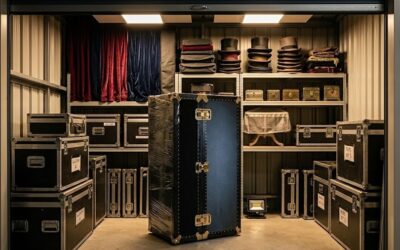
Start by mapping your access patterns. Items you need daily should sit near the front, whilst archived materials or seasonal stock can occupy deeper areas. Shelving units maximise vertical space and create clear zones for different product categories or business functions. Security requirements vary by business type. High-value inventory demands individual unit alarms and comprehensive insurance. Document storage requires climate control to prevent deterioration.
Real-World Applications Across Industries
E-commerce operations represent the most common micro business self storage application. A seller on Amazon, eBay, or their own website can receive supplier shipments directly to the unit, maintain organised inventory, and visit daily or several times weekly to pick, pack, and dispatch orders. The entire retail operation functions without a shopfront or warehouse lease.
One furniture restorer I worked with operated entirely from a storage unit for three years whilst building her business. She would collect pieces from house clearances, restore them in her home workshop, then store finished items in the unit until sold. When buyers arranged collection, she would meet them at the facility. Her only fixed cost beyond materials was £95 monthly for storage, allowing her to price competitively whilst building capital.
Trade professionals use a small business storage unit UK differently but just as effectively. A landscape gardener stores tools, machinery, and bulk materials. Come spring, the space transforms into a daily-access hub for loading vehicles before jobs. Creative businesses store lighting equipment, backdrops, raw materials, and display equipment, operating from home for production but relying on storage for everything else.
The Financial Mathematics of Storage vs Office Space
The numbers tell a compelling story. A 100-square-foot storage unit in Newbury costs approximately £90 to £120 monthly. The equivalent office space would run £250 to £350 monthly, plus another £80 to £120 for utilities and rates. Over a year, storage costs £1,080 to £1,440 compared to office expenses of £3,960 to £5,640.
That difference of £2,880 to £4,200 annually represents significant capital for a micro-business. It is marketing budget, equipment investment, or simply runway during slow periods. Hidden costs compound the advantage. Commercial premises often require contents insurance, public liability coverage, and sometimes personal guarantees from directors. Storage facilities include building insurance, and contents coverage costs substantially less than commercial premises policies.
How Micro Business Self Storage Works at Newbury
Newbury Self Store works with businesses at every stage, from single-person startups to established operations requiring multiple units. Starting with appropriate space and a clear upgrade path prevents disruption as businesses expand. Growth planning should inform initial decisions rather than being addressed reactively.
The facility accommodates the irregular schedules that define micro-business operations. Whether you need to access your unit before a day job, after family commitments, or during a weekend buying trip, the access flexibility that dedicated storage provides is one of its most undervalued practical advantages. Get moving boxes and packing materials directly from the facility rather than sourcing them separately, streamlining setup for product-based businesses getting started.
Legal and Practical Considerations
Business address requirements present the main administrative consideration. A storage unit cannot serve as a registered address, but simple solutions exist. Many entrepreneurs use their home address for registration whilst maintaining storage for operations. Others employ virtual office services that provide a business address and mail forwarding for £10 to £30 monthly.
Insurance requires careful attention. Standard household policies will not cover business stock or equipment. Specialist business insurance policies cover stock, equipment, and liability, typically costing £200 to £600 annually. Access hours matter for operational planning. Facilities offering extended or 24-hour access suit businesses with irregular schedules, whilst standard access hours work perfectly well for most store office furniture and archive requirements at lower cost.
Combining Storage with Remote Work Infrastructure
The most successful micro-businesses combine storage facilities with remote work tools to create surprisingly sophisticated operations. Cloud accounting software, project management platforms, and video conferencing eliminate the need for physical office presence whilst storage handles the tangible requirements.
This hybrid model offers advantages neither traditional offices nor purely digital businesses can match. The entrepreneur works from home or client locations for intellectual work, then visits storage for physical tasks like inventory management or order fulfilment. Client meetings happen in cafes, hotel lobbies, hired meeting rooms, or video calls. Professional presentation comes from quality work and clear communication, not impressive premises.
The psychological benefit should not be underestimated. Separating business inventory from living space maintains work-life boundaries that home-based businesses often struggle to establish. Visiting your storage unit becomes the commute, creating mental separation between business and personal time.
Maintaining Professional Standards Without Traditional Premises
Operating without an office does not mean operating unprofessionally. Proper packaging materials ensure products reach customers in perfect condition. Organised inventory systems prevent delays and errors. Your storage unit becomes an extension of your brand when properly maintained.
Documentation and record-keeping require particular attention. Dedicated business units simplify accounting and demonstrate professional structure that sole traders managing both business and personal items from the same space often lack. Technology bridges the gap between distributed operations and cohesive business presence.
For businesses whose physical requirements extend to bulky equipment or regular pallet deliveries, store garden equipment and large tools in a container unit with drive-up access, removing the logistical constraints that arise when heavier items must navigate internal corridors. This ground-level access is one of the most practical advantages of container storage for trade-based micro-businesses.
Scaling Operations While Maintaining Flexibility
The beauty of micro business self storage reveals itself during growth phases. Adding a second unit costs perhaps £100 monthly and takes a day to arrange. Expanding traditional office space requires new leases, negotiations, potential relocations, and weeks of disruption. The difference in agility can determine whether a business captures growth opportunities or watches them pass.
Affordable personal units work well for sole traders starting out, providing the low-commitment entry point that allows a business to test the storage model before committing to a larger commercial arrangement. As operations grow, transitioning to business-specific storage provides additional benefits like enhanced insurance options and professional billing for tax purposes.
Running a micro-business without traditional office space is not a compromise or temporary measure. It is a legitimate operational model that delivers financial efficiency, flexibility, and focus on what actually matters: serving customers and building sustainable enterprises. For many entrepreneurs, a small business storage unit UK is not just an alternative to office space; it is a superior solution.
Call 01635 581 811 or contact us to discuss the right storage solution for your business operations.