
 01635 581 811
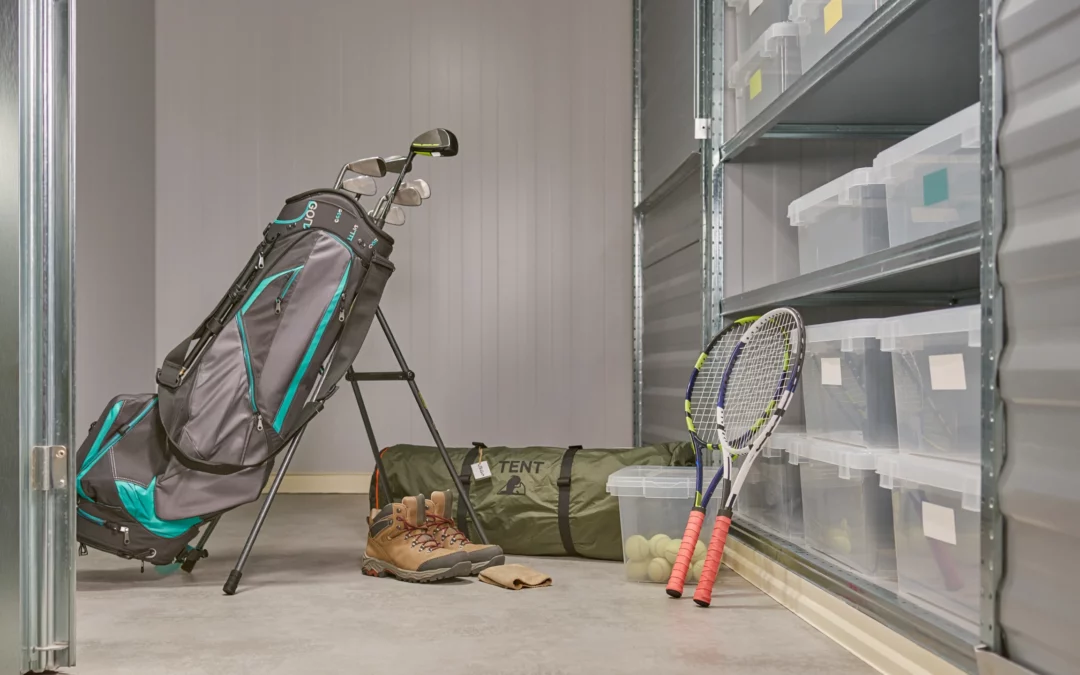
You open the garage door and something falls out. Again. Somewhere behind the kayak, under the golf bag, and past the skis you haven’t touched since February, is the camping tent you actually came for. Sound familiar?
Sports gear has a habit of multiplying. What begins as a tennis racket and a pair of trainers soon grows into ski gear, camping kit, cycling accessories, and golf clubs, each taking up space you don’t really have. For many West Berkshire residents, hobbies add real enjoyment to life, but the gear that comes with them can quietly take over a home, especially when seasons change and certain kit sits untouched for months.
The financial stakes make it worse. A decent road bike costs upwards of £1,000. Ski equipment can easily exceed £500. Even basic camping gear adds up to hundreds of pounds. Without proper hobby equipment storage between seasons, that investment wears down faster than it should, leading to unnecessary repairs and costly early replacements.
The Real Cost of Scattered Sports Gear
Last year, a customer came to our facility with badly water-damaged camping gear. It had spent one winter too many in his garden shed. The tent had turned mouldy, the sleeping bags smelled damp, and moisture had corroded the metal parts on his camping stove. He estimated the replacement cost at over £800, all because he had nowhere dry and secure to keep equipment he only used for three months each year.
This is a story we hear often across West Berkshire. Homes meant for living become cluttered storage spaces for seasonal kit. Garages built for cars end up housing kayaks, bikes, and golf bags. Spare bedrooms turn into equipment dumps where finding one specific item means digging through everything else first.
The problem goes beyond frustration, too. Poorly stored sports gear can be genuinely dangerous. Skis propped against walls can topple and injure children. Heavy items stacked loosely risk falling. Bikes left in walkways become trip hazards, particularly in low light.
Why Seasonal Storage Makes Practical Sense
Think of seasonal storage like rotating your wardrobe. You wouldn’t keep thick winter coats taking up space in your bedroom all summer. You also wouldn’t leave summer clothes gathering dust for eight months. Sports gear deserves the same straightforward approach.
Keeping equipment somewhere consistently dry makes a real difference to how long it lasts. Skis and snowboards stored properly hold up far better than those sitting through repeated damp and temperature swings in a domestic garage. Leather cricket gear avoids the cracking that comes from prolonged exposure to cold or heat. Camping kit stays fresh and odour-free rather than developing mustiness from poor ventilation.
The numbers make a strong case, too. Quality cycling gear, stored correctly, can last 10 to 15 years. Left in a damp garage, that same equipment might need replacing in half the time. Moving sports gear into dedicated storage each off-season is a straightforward way to avoid expensive and avoidable early replacements.
Preparing Your Hobby Equipment Before Storage
Good preparation makes all the difference. Equipment that goes into hobby equipment storage clean, dry, and properly packed will come out ready to use. Equipment that doesn’t will often need work before it’s usable again.
Start with a thorough clean. Bikes need washing, drying, and a light oil on the moving parts. Camping gear should be checked for moisture or food traces that attract pests. Golf clubs, especially leather grips, benefit from a proper wipe-down. Skis and snowboards need salt and grit removed, then a wax to protect the bases while they’re stored.
For inflatable items, partial deflation is the right approach. Footballs, basketballs, and inflatable camping gear should keep some air to hold their shape without putting strain on the seams. Fully deflating them can cause permanent deformation. Over-inflating before storage risks damage if temperatures shift.
Don’t overlook documentation either. Photograph valuable items before storing them and note any existing wear. Keep an inventory of what you’ve stored and where it sits in your unit. This saves a lot of time when you need something mid-season and makes insurance queries much easier to handle.
Choosing the Right Protective Materials
The materials you use matter more than most people expect. Carrier bags and old newspaper offer very little protection over several months. Quality boxes, padded covers, and equipment-specific cases do a much better job of preserving finish, shape, and function.
Bike bags, ski sleeves, and padded golf travel covers exist for good reason. They guard against dust, moisture, and knocks during handling. You can shop packaging supplies in Newbury before putting your gear away; it’s a small upfront cost that prevents far more expensive damage further down the line.
Choosing the Right Storage Environment
Not every storage option suits every type of equipment. Knowing what your gear actually needs will help you avoid costly mistakes when setting up your seasonal storage solution.
Keeping equipment somewhere consistently dry is particularly important for certain items. Leather goods, including cricket equipment, baseball gloves, and some footwear, are sensitive to moisture. Too much damp and mould sets in; too little and they start to crack. Camping kit, sleeping bags, and fabric gear all benefit from a dry, well-ventilated space rather than a cold, airless shed.
Security is another key consideration, especially for high-value collections. A set of quality road bikes, ski gear, or golf clubs can represent thousands of pounds. Look for facilities with CCTV, a monitored alarm system, and reinforced steel shutters. Sports clubs and special-interest groups with shared kit and administrative records can explore our business storage units to keep everything consolidated, accessible, and secure in one place.
Think about how often you’ll need access, too. Camping gear you might grab on a sunny weekend needs to be easier to reach than skis you won’t touch until December. If you’re storing kayaks, paddleboards, or other large items, it’s worth taking the time to find out about our container storage in Newbury. Outdoor shipping containers sit at ground level, making it straightforward to load and unload large, heavy gear without navigating internal corridors.
Organising Multiple Hobbies Effectively
A storage unit without a clear system quickly becomes as chaotic as the cluttered garage it was meant to replace. Equipment organisation is what makes the difference between a space that works and one that frustrates.
Start by zoning your unit based on season and activity. Set aside areas for winter sports, summer activities, and year-round hobbies. Within each zone, keep related items together. Cycling gear in one section, camping kit in another, water sports in a third. When you need something, you’ll know exactly where to look.
Shelving helps you make the most of vertical space. Keep heavy items low for safety and easy access. Lighter, less frequently used gear can go higher up, freeing floor space for bulkier items that don’t stack well on shelves.
Good labelling is a key part of equipment organisation that’s often underestimated. Label every box and container clearly, including a contents list and date. Transparent boxes make it even easier since you can see what’s inside without opening anything. That small step saves a lot of time when you’re in a rush.
Setting Up Rotation Schedules
A simple seasonal rotation calendar prevents the last-minute scramble that catches most households out. At the start of each season, set aside an hour to swap gear over, update your inventory, and check items before they go into storage. Once it becomes a habit, it takes less effort each time.
Use each rotation visit as a chance to check conditions. Look for moisture, unusual smells, or any damage that wasn’t there before. A worn ski binding or a hairline crack in a tent pole is much cheaper to fix early than after a full season of being ignored.
How Professional Storage Supports Active Lifestyles
Newbury Self Store has seen first-hand how the right hobby equipment storage changes people’s relationship with their hobbies. Instead of gear causing tension at home, it stays accessible when needed and out of the way when it’s not.
This flexibility is especially useful as collections grow. Hobbies change over time, and kit accumulates with them. A casual cyclist might eventually own several bikes for different purposes: road riding, mountain biking, and daily commuting. Each one needs space, accessories, and maintenance gear. A dedicated storage unit accommodates this growth without the need for costly garage conversions or house moves.
Seasonal changeovers also become far less stressful. As winter arrives, summer equipment moves into storage while winter gear comes home. That simple rotation keeps the house organised year-round rather than creating twice-yearly upheaval as West Berkshire families hunt for missing items.
There’s also real reassurance in knowing your gear is somewhere dry, secure, and properly looked after. You’re not worrying about damp creeping into your camping kit or cold spells affecting your skis. Everything is protected and ready when you need it next.
Making Storage Work Long-Term
Good seasonal storage isn’t a one-off task. It needs a little ongoing attention to stay effective and to keep your equipment in the best possible condition.
Visit your unit every quarter, even for gear you won’t be using that season. These check-ins help you catch small problems early. Look for signs of moisture, pests, or unexpected damage. Move items around if needed, and update your inventory as you add new kit or retire anything you’ve stopped using.
Be ready to adapt your setup as your hobbies change. A system designed around cycling will need adjusting when you take up kayaking or mountaineering. Regular reassessment keeps your storage genuinely useful rather than turning into a dumping ground for gear you’ve moved on from.
It’s also worth reviewing your unit size from time to time. Starting small is sensible, but upgrading before things get cramped is much easier than reorganising a packed unit later. If you’re ready to get started, view our personal storage options in Newbury to find a unit size that suits your collection.
Building Consistent Habits That Last
The best systems are the ones you’ll actually stick to. Set calendar reminders at the start and end of each season so your rotation doesn’t slip. Pair each visit with a quick inspection and inventory update to keep things manageable.
Keep a small box of supplies at home ready to go: spare labels, bubble wrap, and cable ties. Having them on hand means you’ll pack things properly instead of reaching for whatever’s nearby. Small habits like these make a real difference over time and keep your equipment organisation running smoothly for years to come.
Conclusion
Proper hobby equipment storage protects your gear and supports the active lifestyle you enjoy. The alternative, cluttered homes and deteriorating kit, costs more in the long run through early replacements, wasted time, and missed chances to do what you love.
Professional storage turns sports gear from a household headache into a well-managed resource. Your equipment stays protected, easy to access when the season calls, and out of the way when it doesn’t. West Berkshire residents can take back their living spaces and keep every hobby fully equipped and ready to go.
To find the right unit for your collection, call 01635 581 811 or contact our team to discuss sizing, access options, and availability.