
 01635 581 811
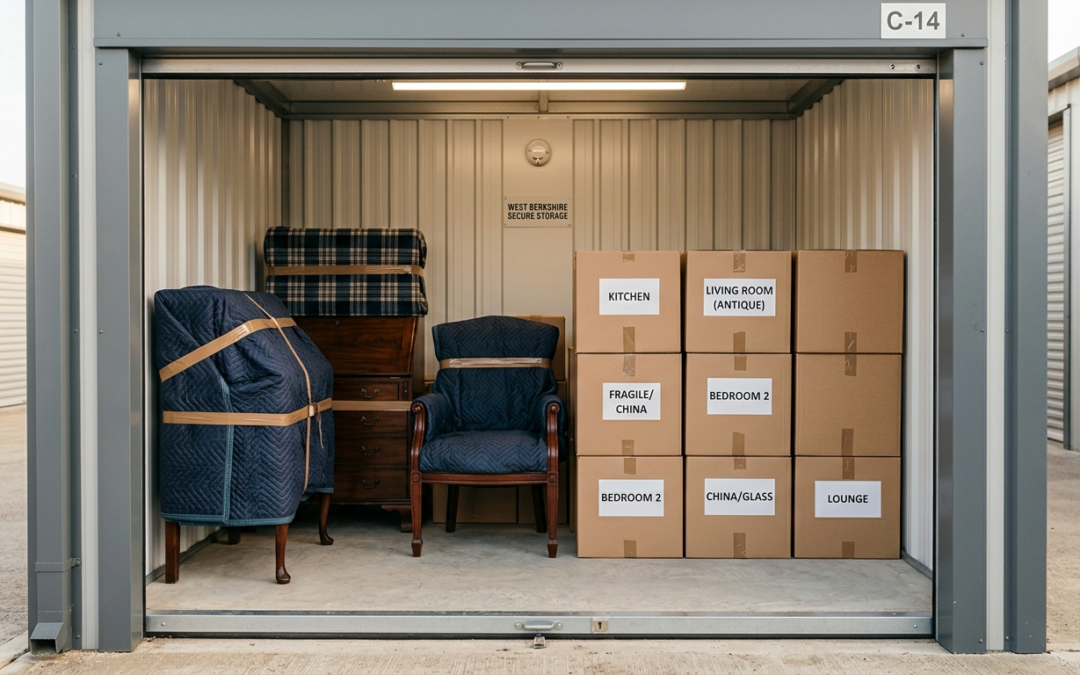
Retirement marks a turning point where the family home that once bustled with activity can start to feel too large, too demanding, and too expensive to maintain. Across West Berkshire, more seniors are choosing to downsize, swapping spacious properties for smaller, more manageable homes that better suit this new chapter of life.
The decision is not purely practical. It is deeply personal, often tinged with nostalgia and the weight of decades spent in one place. Yet the benefits are compelling; reduced maintenance, lower bills, freed-up equity, and the chance to live closer to amenities or family. The challenge lies in the transition itself; deciding what to keep, what to let go, and how to manage belongings accumulated over a lifetime.
Why West Berkshire Seniors Are Choosing to Downsize
The reasons behind downsizing vary, but several common themes emerge when speaking with retirees in the region.
Financial relief sits at the top of the list. Larger homes demand higher council tax, heating costs, and ongoing maintenance. A four-bedroom detached house in Newbury or Thatcham requires constant upkeep such as roofs, gardens, boilers, and gutters. Smaller properties slash these expenses dramatically, freeing up pension income for travel, hobbies, or simply day-to-day comfort.
Physical demands also play a role. Stairs become harder to navigate. Gardens that once brought joy now require professional help. Cleaning multiple bedrooms feels like a weekly marathon. A two-bedroom bungalow or ground-floor flat eliminates these physical challenges, making daily life significantly easier.
Proximity to services matters more in retirement. Living within walking distance of GP surgeries, shops, and community centres reduces reliance on driving. Many West Berkshire towns offer excellent retirement communities and supported living options, providing both independence and access to assistance when needed.
Releasing equity allows retirees to boost their retirement funds, help children or grandchildren onto the property ladder, or simply enjoy the financial freedom they have earned. The property market in West Berkshire has performed strongly, meaning many homeowners sit on substantial equity that downsizing can unlock.
The Emotional Side of Letting Go
Here is what many guides will not tell you; downsizing is not just a logistical exercise. It is an emotional journey.
That dining table witnessed decades of family meals. The garden shed holds tools used to build treehouses and raised beds. Children’s height marks still grace the kitchen doorframe. Every room carries memories, and sorting through them can feel overwhelming.
One retired couple from Kingsclere described the process as “liberating and heartbreaking in equal measure.” They had raised three children in their home, celebrated countless birthdays, and weathered life’s storms within those walls. Packing it all up meant confronting the passage of time.
The key is acknowledging these feelings rather than pushing through them. Give yourself permission to feel nostalgic. Take photographs of rooms before they are emptied. Keep a few meaningful items that truly matter, and let go of the rest without guilt.
Creating a Realistic Timeline
Downsizing takes longer than most people anticipate. Do not leave it until the week before completion.
Six months ahead represents a sensible timeframe for a thorough, stress-free transition. This allows you to follow a structured downsizing checklist for seniors, sort through belongings methodically, make considered decisions, and avoid the panic that leads to poor choices or unnecessary stress.
Start with rooms you use least, like the loft, garage, or spare bedrooms. These areas typically hold the bulk of accumulated items and do not disrupt daily life when you are working through them. Tackle one room per week if possible, or even one cupboard at a time if that feels more manageable.
Three months before moving, you should have a clear picture of what is coming with you, what is being sold or donated, and what needs storing. This is when you finalise arrangements with removal companies, book retirement downsizing storage, and start serious packing of items you will not need immediately.
The Three-Pile Method That Actually Works
Sorting decades of possessions requires a clear system. The three-pile method sounds simple, but it genuinely works when applied consistently.
Pile One: Coming to the new home. These are items you use regularly, genuinely love, or cannot imagine life without. Be ruthless here. Your new home has less space, so every item must earn its place.
Pile Two: Storage. Some belongings hold too much value, whether emotional or monetary, to discard, but will not fit in your new property. Family heirlooms, seasonal decorations, sentimental items from your children’s childhood, or furniture you are passing to family members fall into this category. You can secure personal storage units as a practical solution for these items, giving you time to make final decisions without pressure.
Pile Three: Sell, donate, or dispose. Anything that does not fit the first two categories needs to leave your life. This pile is often the largest and the hardest to fill, but it is also the most liberating.
Think of it like packing for a long holiday; you would not take your entire wardrobe on a two-week trip, you would select versatile pieces that serve multiple purposes. Apply the same logic to downsizing.
What Deserves Storage Space
Not everything needs to come with you immediately, but some items genuinely warrant retirement downsizing storage during the transition period.
Furniture designated for family members often requires temporary furniture storage. Perhaps your daughter wants the oak sideboard but does not have room until she moves house next year. Maybe your son has claimed the vintage record player but lives abroad currently. Rather than rushing these decisions or cluttering your new, smaller home, store these items until they reach their final destination.
Seasonal items like Christmas decorations, garden furniture, or winter sports equipment make sense to store if your new property lacks a garage or shed. You can utilise container storage for these bulkier items, ensuring you still access them when needed without them occupying precious daily living space.
Documents and archives that must be kept for legal or sentimental reasons but do not need regular access are perfect storage candidates. Financial records, property deeds, family photographs, and letters can be boxed properly. We recommend you secure business archives or document storage solutions to keep these critical papers safe and dry.
Packing Strategies for Treasured Belongings
Proper packing makes the difference between items arriving safely and discovering broken treasures in your new home.
China and glassware demand individual wrapping. Use several sheets of packing paper or bubble wrap for each piece, and fill any gaps in boxes with crumpled paper to prevent shifting during transit. Mark these boxes clearly on all sides, and ensure they are loaded last so they are unloaded first.
Photographs and documents should go in sturdy, waterproof boxes. Never use newspaper directly against photographs as the ink can transfer. Acid-free tissue paper aids in family heirloom preservation and protects precious images best.
The packaging supplies you choose matter more than you might think. Flimsy boxes collapse. Insufficient bubble wrap allows items to knock together. Investing in proper materials protects belongings you have cherished for decades. It is always worth it to purchase protective packaging supplies designed specifically for moving.
Managing the Space You Will Actually Have
Measure your new home carefully before deciding what furniture comes with you. That beloved three-seater sofa might simply not fit through the door or overwhelm a smaller living room.
Create a scale floor plan of your new property; graph paper works perfectly for this. Cut out scaled shapes representing your furniture, and arrange them on the plan. This visual exercise reveals what works and what does not, preventing the disappointment of discovering your dining table blocks the patio doors.
Multi-functional furniture becomes essential in smaller spaces. Ottoman beds provide sleeping space and storage. Extending dining tables accommodate guests without permanently occupying floor space. Nesting tables offer flexibility.
Vertical storage maximises limited square footage. Tall bookcases, wall-mounted shelves, and hanging organisers use space that would otherwise go to waste.
When Storage Becomes Your Transition Tool
Storage is not admitting defeat; it is giving yourself time and space to make thoughtful decisions.
Imagine you are moving from a four-bedroom house to a two-bedroom bungalow. You have sorted diligently, but you are still left with furniture earmarked for grandchildren, boxes of family photographs you want to organise properly, and your late husband’s workshop tools that you cannot bear to dispose of yet.
Trying to cram all this into your new home creates chaos and stress. You cannot move freely, you cannot settle in, and you are constantly reminded of difficult decisions you have not made.
Secure storage units solve this problem elegantly. At Newbury Self Store, we often see customers use storage as an “extension” of their home during this phase. Your new home remains uncluttered and functional. Your stored items stay safe and accessible. You can visit when you are ready to sort through them, not when you are exhausted from moving house.
Involving Family Without the Drama
Family dynamics can complicate downsizing. Adult children often have strong opinions about what should be kept, sold, or given away, particularly regarding items they remember from childhood.
Start conversations early. Do not announce your downsizing plans and expect immediate decisions about who wants what. Give family members time to consider which items hold meaning for them.
Be clear about timelines. If your daughter wants the piano, she needs to collect it by a specific date. Open-ended promises lead to frustration and items lingering in storage indefinitely.
Consider neutral storage for disputed or undecided items. Rather than family heirlooms causing tension, store them temporarily while everyone determines their fate calmly.
One Newbury couple held a “family selection day” where adult children visited and marked items they wanted with coloured stickers. Items with multiple stickers were discussed and allocated fairly. Items with no stickers were freed up for sale or donation. The process, whilst emotional, prevented future resentment.
The Benefits Waiting on the Other Side
Once you have navigated the transition, downsizing delivers tangible improvements to daily life.
Lower bills mean more disposable income. Heating a two-bedroom flat costs a fraction of heating a four-bedroom house. Council tax drops. Maintenance virtually disappears.
Less cleaning frees up time and energy. You are no longer spending weekends maintaining rooms you barely use.
Better location often comes with downsizing. That smaller property might be in the town centre, walking distance from shops, cafés, and friends. The isolation of a large suburban house gives way to community and convenience.
Peace of mind about the future matters too. A single-storey home eliminates fall risks from stairs. A property with minimal outdoor space removes the worry of garden maintenance. Many retirement developments offer additional support services if needed later.
Making Your New House Feel Like Home
The first weeks in a smaller home can feel strange. Rooms seem unfamiliar. You reach for things that are not there anymore. This adjustment period is completely normal.
Unpack systematically. Start with the bedroom and kitchen, the spaces you will use immediately. Do not rush to unpack everything at once.
Arrange furniture for comfort, not convention. Your new living room might work better with the sofa facing a different direction than you are used to. Experiment until it feels right.
Display your favourite things. That collection of family photographs, the artwork you love, the ornaments that make you smile; these items transform a house into your home. You might have fewer of them now, but each one carries more significance.
Planning Your Next Steps
Downsizing succeeds when you approach it as a project with clear stages, realistic timelines, and proper support.
Start by visiting your new property multiple times, measuring rooms, and visualising your life there. This helps you make informed decisions about what accompanies you.
Sort belongings room by room, using the three-pile method consistently. Don’t rush this process; it is where the emotional work happens.
Arrange retirement downsizing storage for items that need it, whether that is furniture waiting for new homes or belongings you are not ready to part with yet.
Finally, remember that downsizing is not about loss; it is about intentionally shaping your environment to support the life you want to live now. That four-bedroom house served its purpose beautifully. Your new, smaller home will serve this next chapter just as well.
The transition requires effort, certainly. But on the other side waits a home that is easier to manage, cheaper to run, and perfectly sized for your current needs. That is not a compromise. That is progress.
If you need support managing your belongings during this transition, call 01635 581 811 or contact our team to discuss how we can help.