
 01635 581 811
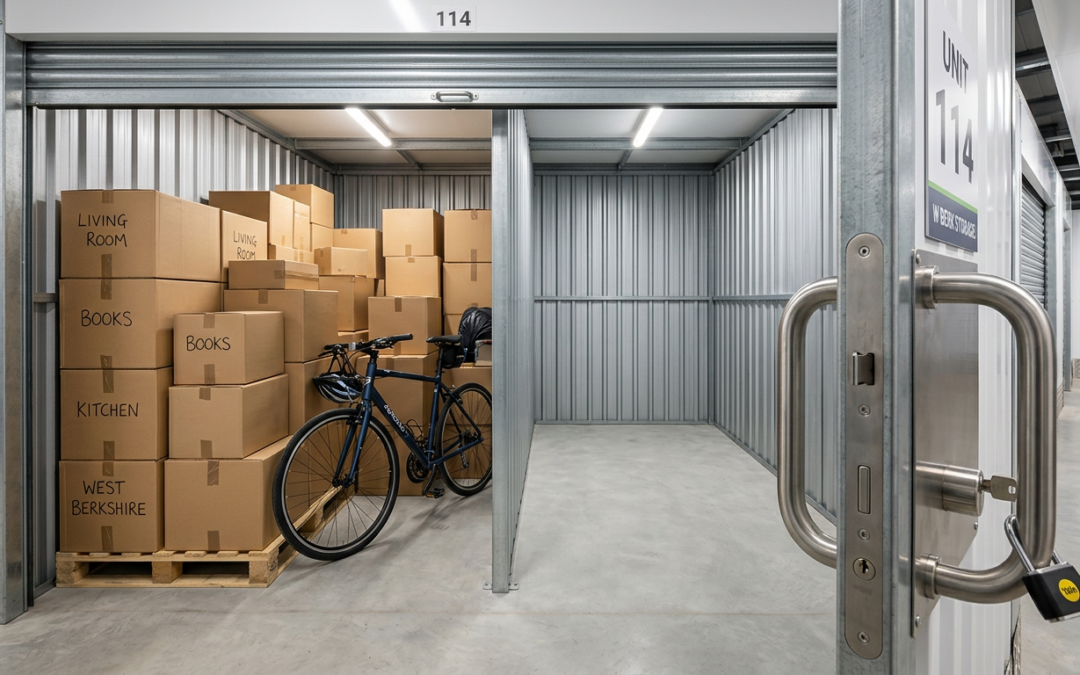
Separation brings upheaval to every corner of your life, and the practical question of what to do with shared belongings often arrives before you are ready to face it. When two households are forming from one, and emotions are running high, the last thing anyone needs is a spare bedroom filled with boxes that reignite arguments every time someone needs to collect something.
That is where neutral storage becomes more than just a practical solution; it becomes a buffer zone that helps both parties move forward. Secure, accessible space keeps belongings safe whilst decisions are being made. It is not about taking sides or making judgements but rather about providing a neutral storage location for possessions during a difficult transition.
Why Neutral Storage Matters During Separation
When couples separate, the family home often becomes contested territory. One person might move out whilst the other remains, or both might relocate to temporary accommodation whilst the property is sold. Either way, shared belongings create friction.
Consider this scenario: Sarah and Tom are separating after 15 years together. Tom has moved into a small flat whilst Sarah stays in the house with their two children. Tom’s belongings, including his workshop tools, sports equipment, boxes of books, and half the kitchen items they agreed he would take, are piled in the garage. Every time he comes to collect something, it triggers difficult conversations. The children get upset, Sarah feels her space is still occupied, and Tom feels like he is intruding in what was once his home.
A storage unit removes this tension entirely. Tom can move his belongings to neutral ground, access them whenever he needs to without coordinating with Sarah, and both can begin the emotional work of separation without physical reminders cluttering their living spaces.
The Practical Benefits of Divorce Storage
Time to make clear-headed decisions is perhaps the most valuable benefit. When you are in the midst of separation, you are rarely in the best state to decide what to keep, what to divide, and what to let go. A storage unit gives you breathing room.
You do not have to sort through 15 years of accumulated possessions in a single weekend. You can move items to storage, take the time you need to process the separation, and return to make decisions when you are thinking more clearly. This is especially important for items with sentimental value like photographs, children’s artwork, and family heirlooms that deserve thoughtful consideration rather than hasty choices made under stress.
Protecting valuable items becomes critical when households are in flux. If the family home is being sold, you might need to stage it for viewings or vacate it quickly. If one person is moving between temporary accommodations, valuable furniture or electronics could be at risk of damage. You can protect valuable items in climate-controlled units whilst you figure out permanent arrangements.
Facilitating fair division is another key advantage. When belongings are in a neutral location, both parties can access them to sort through and divide items without the power dynamic that exists when everything is in one person’s home. Think of it like choosing a coffee shop for difficult conversations rather than meeting at one person’s house; the neutral setting changes the dynamic.
What Items Typically Need Storage During Separation
The contents of a shared life rarely divide neatly into two equal piles. Some items need time to be properly assessed and divided. Furniture is often the first category. If one person is moving into a smaller flat or staying with family temporarily, there is simply nowhere to put the dining table, spare bedroom furniture, or that sofa you both loved but cannot split in half. Rather than selling items hastily or storing them in someone’s parents’ garage, temporary household storage keeps furniture in good condition until permanent living arrangements are settled.
Children’s belongings require special consideration. Toys, books, clothes they have outgrown but you are not ready to part with, and school projects all carry emotional weight for both parents. Storing them in a neutral location means neither parent feels like they are losing access to these memories, and you can sort through them together when the time is right.
Shared collections and hobbies often represent significant investment and emotional attachment. Whether it is a wine collection, sporting equipment, musical instruments, or craft supplies, these items need proper storage whilst you decide who keeps what or whether items should be sold and proceeds divided.
Business equipment and tools matter especially when one or both partners run a business from home. If you are a tradesperson with thousands of pounds worth of tools, or you run a small business with stock and equipment, you need to protect business assets in a secure location that you can access independently whilst separation proceedings continue.
Paperwork and records must be preserved carefully. Financial documents, tax records, property deeds, and insurance policies need to be accessible to both parties during divorce proceedings, but keeping them in one person’s home can create access problems and suspicion. A storage unit can serve as a neutral repository for important documents.
Choosing the Right Storage Unit Size
Most people going through separation underestimate how much space they will need. It is not just about the big furniture items; it is the accumulation of boxes, the items you cannot decide about yet, and the things you are keeping just in case.
A small unit (25 to 35 sq ft) works if you are storing primarily boxes, small furniture items, and personal belongings. This suits someone who has moved most items to a new home but needs temporary space for overflow or items still being divided. A medium unit (50 to 75 sq ft) accommodates the contents of a one or two-bedroom flat, including furniture, appliances, and boxes. This is the most common size for someone who has moved out of the family home but has not yet settled into permanent accommodation.
A large unit (100+ sq ft) becomes necessary when you are storing the contents of multiple rooms, including large furniture pieces, or when both parties are using the unit to store items whilst the family home is being sold. Some separating couples opt to choose container storage which offers drive-up access and makes it easier to load and unload larger items.
Our team can walk you through unit sizes based on what you are actually storing. Do not guess; bring a rough list when you contact us, and we will help you choose the right size. Choosing too small means you will struggle to fit everything and will not be able to access items easily. Too large means you are paying for space you do not need during an already expensive time.
Security and Access: Critical Considerations
When you are storing belongings during separation, security is not just about preventing theft; it is about ensuring both parties can trust that items are safe and access is controlled. Modern storage facilities offer 24-hour CCTV, individual unit alarms, and secure access systems. Each person has their own access code, and you can see when the unit has been accessed. This transparency matters when trust has broken down.
Access arrangements need to be discussed upfront. Will both parties have access codes? Will you coordinate access times, or is the unit in one person’s name only? There is no single right answer as it depends on your specific situation and the level of cooperation possible.
For some separating couples, secure independent access works well. Both have codes, both can visit independently, and there is an understanding that if one person removes items, they will inform the other. For others, especially in contentious separations, it is better for the unit to be in one person’s name, with agreed times for the other party to access items under supervision or with advance notice.
The flexibility of personal storage means you can adjust these arrangements as circumstances change. If cooperation improves, access can be expanded. If things become more difficult, access can be restricted with proper legal documentation.
The Financial Aspect: Who Pays for Storage?
Storage costs during separation typically fall into one of several arrangements, depending on your specific circumstances and what you are storing. If the unit stores one person’s belongings exclusively, that person usually pays the monthly fee. If you are the one who moved out and you are storing your furniture and possessions whilst you find permanent accommodation, it is straightforward; this is your cost.
When the unit stores shared belongings that have not yet been divided, couples often split the cost equally until items are sorted and distributed. This arrangement works when there is still some level of cooperation and when both parties will eventually claim roughly equal value from the stored items.
In some cases, storage costs become part of the divorce settlement. Solicitors might specify that one party covers storage costs for a defined period, or that costs are split until the family home is sold and proceeds distributed. Get this in writing if it is part of your legal agreement. The monthly cost of storage is modest compared to the cost of hasty decisions. Selling furniture at a loss because you have nowhere to put it, or damaging items because they are inadequately stored, costs far more than a few months of proper storage whilst you make considered choices.
Packing and Organising for Divorce Storage
How you pack and organise items going into storage affects both their condition and your ability to access them when needed. Label everything clearly with contents and which room items came from. Use a system that both parties understand. Avoid vague labels like “kitchen stuff” and instead write “Kitchen, everyday dishes and glassware” or “Tom’s tools, woodworking equipment.” When emotions are high and you need to find something specific, clear labels prevent frustration.
Create an inventory of what is in storage. A simple spreadsheet listing boxes and furniture items, with notes about condition and approximate value, offers shared asset protection for both parties. Take photos of valuable items before storing them. This documentation matters if there is any dispute later about what was stored or its condition.
Pack items properly to prevent damage. Furniture needs covering, fragile items need wrapping, and boxes should not be overpacked. At Newbury Self Store, our packaging shop stocks everything you need, and you can buy packing supplies like sturdy boxes, bubble wrap, furniture covers, and mattress bags. Proper packing is not about being precious; it is about ensuring items you might need months from now are still in usable condition.
Organise for access, not just storage. If you are storing items you might need to access regularly, keep those boxes near the front of the unit. Create aisles between stacks of boxes so you can reach items without unpacking everything. Think of it like organising a cupboard; the things you use most often go in the most accessible spots.
Using Storage as a Bridge to New Living Arrangements
Storage during separation is not usually permanent; it is a bridge between one life and the next. Most people use storage for three to twelve months whilst they navigate divorce proceedings, sell property, or establish new homes.
As you move through this transition, your storage needs will change. Initially, you might store everything you own whilst you stay temporarily with family or in short-term rental accommodation. As you find a permanent home, you will gradually move items out of storage and into your new space.
This flexibility matters. You are not committing to years of storage costs; you are buying yourself time to make good decisions. When you are ready to furnish your new flat, you have your belongings in good condition, ready to use. When you are emotionally ready to sort through shared possessions, they are organised and accessible. For some people, the act of moving items out of storage and into a new home marks a psychological turning point. It is the moment when temporary arrangements become permanent, when you stop living in limbo and start building a new life.
When Children Are Involved: Extra Considerations
Separation affects children profoundly, and how you handle belongings matters to them more than you might realise. Their toys, books, and furniture represent stability in a time of upheaval.
Involve children appropriately in decisions about their belongings. Older children might want input into what stays with which parent and what goes into storage temporarily. Younger children benefit from knowing their things are safe, even if they do not understand the details of storage arrangements.
Maintain consistency where possible. If your child’s bedroom furniture is going into storage whilst living arrangements are sorted, reassure them that their bed, desk, and favourite items will be there when they are ready. For many children, knowing their belongings are safe in storage is more comforting than seeing them divided immediately between two new homes. Create memory boxes for items that will not fit in either new home but hold sentimental value. School projects, artwork, baby clothes, and favourite toys they have outgrown can be stored safely until children are older and can decide what they want to keep.
Business Storage During Separation
When one or both partners run a business, separation complicates matters significantly. Business assets, stock, equipment, and records need careful handling.
If you run a business from home and you are the one moving out, business storage provides a secure location for equipment, stock, and records whilst you establish new business premises. You cannot afford disruption to your income during an already difficult time, so maintaining access to business assets is critical.
For couples who run a business together, storage can serve as neutral ground for business assets whilst you determine whether one person will buy out the other, whether you will continue as business partners despite personal separation, or whether the business will be sold. Separate business and personal items clearly from the start. Business assets might be treated differently in divorce settlements than personal belongings, so keeping them physically separate in storage helps with legal and financial clarity.
The Emotional Side: Storage as Breathing Room
Beyond the practical benefits, storage during separation provides something less tangible but equally valuable, which is emotional breathing room.
When you are not confronted daily with belongings that remind you of your former partner or your former life, you can begin to process the separation. When you are not arguing about who gets the coffee table or when someone will collect their boxes, you can focus on more important conversations about children, finances, and future arrangements.
Storage does not solve the emotional challenges of separation, but it removes one source of ongoing conflict. It is one less thing to negotiate, one less trigger for arguments, one less reminder of what has been lost. For many people, the act of moving belongings into storage feels like taking control of at least one aspect of a situation that otherwise feels chaotic. You cannot control how your ex-partner behaves or how quickly legal proceedings move forward, but you can ensure your belongings are safe, organised, and accessible when you need them.
Making the Transition Smoother
Separation is never easy, but practical arrangements should not make it harder. Neutral storage removes belongings from the emotional battlefield and gives both parties the time and space they need to make considered decisions.
Whether you are storing furniture whilst you find a new home, keeping shared belongings safe whilst you work through division, or protecting business assets during a difficult transition, the right storage arrangement provides security, flexibility, and peace of mind.
If you are facing separation and wondering how to handle the practical question of belongings, do not let it become another source of stress. Call 01635 581 811 or contact our team to explain your situation, and we will help you find a storage solution that provides the neutral ground you need.