 01635 581 811

Every item in your craft inventory represents time you can’t get back. One damp garage, one cold snap, one burst pipe, and weeks of handmade work can be written off overnight. That’s the risk every pop-up vendor takes when storage is an afterthought.
Craft fair vendor storage in West Berkshire gives makers and market traders a better alternative to overcrowded spare rooms and unprotected garages. The difference between proper storage and improvised home arrangements isn’t just convenience; it’s the difference between stock that sells and stock that doesn’t survive until market day.
Why Home Storage Runs Out of Road
Most vendors start at home. A spare room becomes a stock room. A garage turns into a packing station. The dining table disappears under tissue paper and half-finished inventory. It works early on, but as production grows, the arrangement falls apart.
I worked with a candle maker from Thatcham who had filled her loft, two bedrooms, and her entire hallway with stock by Christmas market season. She told me she’d stopped inviting friends round because there was nowhere to sit. When she moved everything into a dedicated unit, she got her home back within a weekend and cut her setup time in half.
The issue goes beyond comfort. Home environments simply aren’t designed for craft fair vendor storage in West Berkshire’s variable climate. Attics overheat in summer. Garages let in damp. Sheds offer little protection against cold snaps that damage temperature-sensitive stock overnight.
The Real Cost of Getting Storage Wrong
Poor storage carries financial risks that build up quietly. Most home insurance policies don’t cover business inventory, meaning thousands of pounds of handmade stock could be completely unprotected. One burst pipe or a patch of persistent damp can write off an entire season’s work in hours.
There’s also a serious time cost. Vendors storing stock at home often spend hours each week hunting for products, restacking containers, and reorganising shelving that was never designed for regular commercial use. That’s lost production time, lost marketing effort, and lost rest.
Market trader storage needs to be efficient, not just safe. Every minute spent searching for a product at 5:30am before a market is a minute of sleep you won’t get back. Purpose-built, organised storage removes that friction entirely.
Protecting Different Types of Craft Materials
Different materials need different storage conditions. Handmade inventory storage isn’t one-size-fits-all. The right approach depends entirely on what you make.
Textiles such as quilts, clothing, and fabric art need low humidity, stable temperatures, and sealed containers that still allow airflow. Moths can destroy a wool collection within weeks. Mildew stains appear on cotton within days in damp conditions. These risks are easy to manage in the right environment but almost impossible to avoid in unheated domestic spaces.
Ceramics and pottery handle moisture well but crack under thermal stress. A cold overnight snap in an unheated garage can destroy a full season of glazed work through rapid temperature change. Stable temperatures and careful stacking are non-negotiable for ceramicists who sell regularly.
Jewellery and metalwork demand secure vendor storage above almost everything else. Small, high-value items carry a real theft risk. Silver pieces also tarnish quickly in humid conditions. A jewellery maker storing finished stock somewhere damp isn’t just risking damage; they’re adding hours of polishing before every single event.
Wooden crafts react visibly to humidity changes. Wood expands when moisture rises and contracts when conditions dry out. Over time, these cycles cause splits, warps, and joint failures that make pieces unsellable. Keeping items dry and protected is the only reliable approach for furniture makers and wood turners.
Stable Conditions and Your Inventory
Think of your craft stock like freshly made pastry: it’s fine in a stable environment but ruined quickly in the wrong conditions. A storage space that lets in damp, fluctuates wildly in temperature, or lacks proper ventilation creates the kind of environment that damages materials from the inside out.
The ideal humidity range for most craft materials sits between 40% and 60%. Below 40%, wood cracks and paper products turn brittle. Above 60%, mould accelerates and metal corrosion begins. West Berkshire’s inland location helps, but seasonal shifts still create genuine risk for stock stored in unprotected domestic spaces.
Self storage for small businesses addresses these problems through proper building construction and ventilation. Purpose-built, dry warehouse facilities moderate conditions far better than uninsulated sheds and garages. Controlled ventilation stops humidity from building up without letting in the dust and debris that open doors bring.
Security Features That Matter
The value sitting in a typical craft vendor’s storage unit is higher than most people realise. A jewellery maker might hold £15,000 in finished pieces and raw materials. A textile artist could have £8,000 in fabric and completed quilts. At those values, getting secure vendor storage right isn’t optional.
Individual unit locks are the starting point. But facility-level security matters just as much: CCTV, a monitored alarm system, reinforced steel shutters, and good lighting all reduce risk significantly. A proper security setup works as a system, not just a padlock on a door.
Access hours are worth checking carefully before you commit. Indoor units operate within set opening hours, while outdoor container storage often provides round-the-clock access for vendors with early morning or late-night schedules. The right choice depends on when you load for events and how often you need to visit.
How Professional Storage Supports Your Business
Vendors looking for craft fair vendor storage in West Berkshire often say the same thing: they didn’t realise how much time and mental energy poor storage was costing them until they had something better.
Newbury Self Store provides modern, dry, secure storage built around the practical needs of local businesses and individuals. Units range from compact spaces suitable for smaller inventory through to larger options for vendors carrying display structures and bulk stock. Craft traders who need a reliable base for stock between events will find secure business storage units suited to excess stock, equipment, and materials, all protected with CCTV, a monitored alarm system, and reinforced steel shutters.
Flexibility matters most during peak seasons. Upsizing before Christmas markets and scaling back during quieter months means you pay only for what you need. With just two weeks’ notice required, you’re not locked into a lengthy contract, which suits the unpredictable rhythms of seasonal craft selling.
Location also plays a practical role. Situated on Hambridge Lane in central Newbury, the facility is easy to access for vendors coming from across the West Berkshire area. Being able to reach your unit, collect your stock, and head straight to a market without a lengthy detour makes early morning setups far more manageable.
If you need to wrap or protect stock before an event, packing and moving supplies are available to purchase directly on-site. Boxes, bubble wrap, and tape are all stocked, so you can pick up what you need in the same visit you collect your inventory.
Organising Your Unit for Market Day Efficiency
Good organisation separates vendors who load for a market in twenty minutes from those who take two hours. The core principle is simple: organise by how often you need something, not by product type.
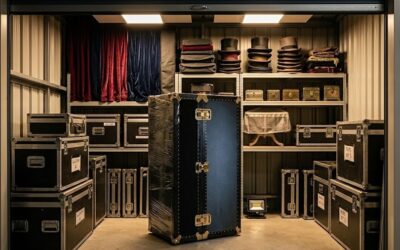
Items needed for every event go nearest the entrance. Seasonal stock sits in the middle. Long-term inventory, backup supplies, and off-season display equipment go at the back. This layout keeps your most-used items accessible without disturbing everything else.
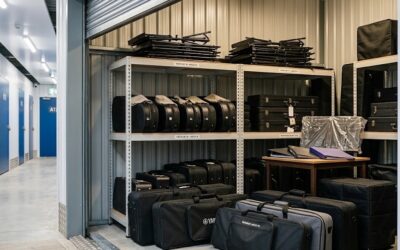
Metal shelving makes the most of vertical space. It holds weight better than plastic and won’t warp under load. Assign each shelf a specific purpose: one for finished stock, one for packaging materials, one for works in progress.
Clear plastic boxes let you see what’s inside without opening every container. Label them on multiple sides so you can read them from any angle. A simple master inventory list noting which products live in which box cuts search time before every event to almost nothing.
Planning Your Craft Storage Strategy
Good craft fair vendor storage in West Berkshire starts with an honest look at what you have. List every product category and estimate how much space each one takes up. Add 30% to cover growth and the movement space you need when accessing stock. Underestimating leads to cramped units where access itself becomes a damage risk.
Looking at costs honestly matters just as much. If you’re renting a larger home partly to store business inventory, professional storage might actually reduce your overall outgoings while improving your living situation. Factor in lower damage rates, time saved on preparation, and the protection that comes with a purpose-built, secure facility.
For vendors handling large or particularly bulky items, outdoor shipping container hire offers ground-level access and 24-hour availability. At 160 square feet, these units suit furniture makers, vendors with heavy display structures, and anyone moving large or awkwardly shaped stock on trolleys.
Scaling Storage as Your Business Grows
One practical advantage of personal self storage in Newbury is the ability to adjust as your needs change. You’re not locked into a commercial lease. You’re not stuck with a unit that becomes too small three months after signing, or paying for space you no longer need.
Self storage for small businesses works on terms that suit traders, not property investors. With just two weeks’ notice required, you can respond to a successful product launch or a large wholesale order without renegotiating a lease. You can also scale back quickly during a slow season or when your product focus shifts.
Market trader storage needs can change dramatically from year to year. A vendor who starts with a single market table might be running a multi-stall setup within two years. Flexible storage units in Newbury allow that growth to happen without the constraints of fixed commercial premises.
The Long-Term Value of Proper Storage
Proper storage delivers benefits that build over time. Reduced damage means more inventory arrives at markets in sellable condition. Better organisation cuts preparation time before every event. Storing goods in a dry, secure environment extends the life of finished products and reduces the need to remake items that deteriorated in poor conditions at home.
The personal benefits matter too. Getting your home back improves quality of life and reduces the low-level stress that affects many home-based craft vendors. You can have guests over without moving stock off the sofa. You can relax in the evening without staring at a pile of unfulfilled orders in the corner.
Craft fair vendor storage in West Berkshire is growing in demand as more makers enter the market each season and established vendors expand their ranges. Those who invest in proper handmade inventory storage early put themselves in a strong position for sustainable growth, without the space constraints that hold back home-based operations. And for those who need flexible storage units in Newbury that scale with their business, the right facility makes that transition straightforward.
When your craft business is ready for storage that genuinely supports it, call 01635 581 811 or speak to our team to find a unit that fits your inventory and your budget.