
 01635 581 811
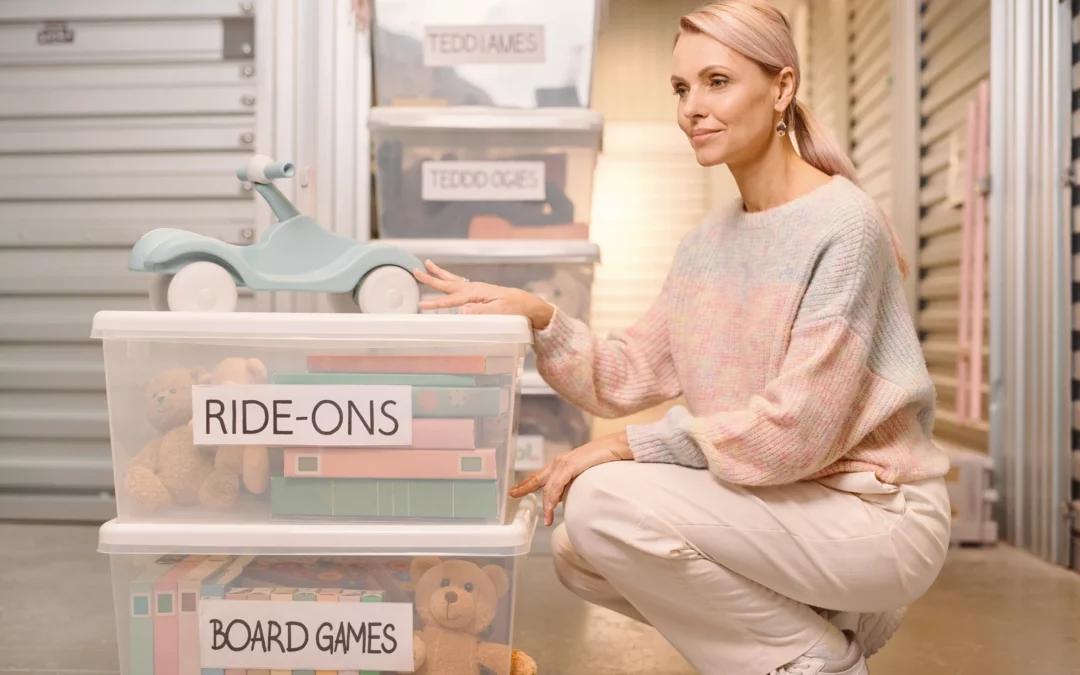
You tidied the living room an hour ago. Somehow, it looks worse now than before you started. Lego bricks have migrated back into the hallway, soft toys have reclaimed the sofa, and three play kitchens are inexplicably competing for the same corner. If this sounds familiar, you’re not alone, and it’s not a parenting failure.
Children’s toy storage in Newbury is one of the most common challenges families face at home, and it rarely gets easier without a proper system in place. Toy accumulation is a predictable result of childhood development, generous relatives, and a natural reluctance to throw away things that still have life in them. The answer isn’t to purge ruthlessly. It’s to manage things more intelligently, and that starts with understanding why the problem keeps growing in the first place.
Why Toys Multiply Faster Than You Can Manage Them
Children form real emotional attachments to their belongings, even items adults consider trivial. That plastic dinosaur from a party bag might represent an entire afternoon of imaginative play. The one-eyed teddy bear carries years of bedtime memories. Asking a five-year-old to part with these things permanently can feel like asking them to erase part of their childhood.
Gift-giving makes things harder. Birthdays, Christmas, Easter, and well-meaning grandparents bring a steady stream of new toys throughout the year. A child might receive 15 to 20 new items annually from relatives alone, not counting party bag treats. Within three years, that’s 60 items competing for space in your home.
Development adds another layer. Toddler toys don’t work for seven-year-olds, but a younger sibling might need them in two years. Puzzles mastered at four become dull by six, yet they’re too useful to throw away. Families end up acting as unintentional toy libraries for their own future needs.
The Hidden Cost of Keeping Everything at Home
Most Newbury homes weren’t built to store what modern families accumulate. The average three-bedroom house has roughly 10 to 12 square metres of practical storage across cupboards, under-bed space, and loft access. A typical toy collection can easily take up half of that.
The physical strain creates a mental one. Managing toy clutter is harder than most parents expect because the problem isn’t just visual; it affects how the whole household functions. Research consistently shows that visual clutter raises cortisol levels and makes it harder to focus. When every surface holds abandoned toys and every corner has a stack of board games, the home stops feeling like a place to relax.
Safety is also a real concern. Toys on stairs cause falls. Small pieces on the floor are choking hazards for younger children. Fire safety guidance recommends keeping exit routes clear, yet many hallways are blocked by ride-on toys or sports equipment. The risk is present every time someone moves through the house in low light.
Creating a Toy Rotation System That Actually Works
Toy rotation is widely recommended, but rarely explained in a practical way. The idea is simple: keep only a portion of toys accessible at any time, and rotate fresh ones back into circulation every few months. Old toys feel new again, and daily tidying becomes far more manageable.
Start by sorting toys into three groups:
- Daily use: Current favourites, comfort items, and age-appropriate educational toys. These stay in active play areas.
- Occasional play: Seasonal outdoor toys, craft supplies, large construction sets, and dress-up collections. These are used monthly or less.
- Sentimental or future-use: Outgrown toys saved for younger siblings, special gifts, and collections the child isn’t ready to let go of.
The three-box method puts this into practice. One box stays in the play area with current toys. A second sits in accessible home storage, ready for the next swap. The third lives in an indoor self-storage space, holding long-term items, seasonal equipment, and sentimental pieces that don’t need regular access.
Think of it like a restaurant menu. If every dish were available at once, the kitchen would run out of space and ingredients would go to waste. Seasonal menus keep things manageable while still offering variety. Your home works the same way: a smaller active inventory, with reserves held elsewhere, creates both space and a sense of novelty.
When Storage Units Make Sense for Growing Families
Some life changes push toy volume beyond what temporary fixes can handle. Expecting a second child while the first is still a toddler means keeping two full age ranges of toys accessible. Downsizing for financial reasons doesn’t reduce what you already own. Welcoming elderly relatives converts spare rooms into bedrooms, and storage space disappears overnight.
I worked with a Newbury family last year facing exactly this. Their three children, aged two, five, and eight, each had completely different needs. The youngest needed large, safe pieces. The middle child was deep into imaginative play with elaborate sets. The eldest had moved into hobbies: a keyboard, art supplies, and a growing book collection. Their four-bedroom house felt cramped despite being objectively large.
Rather than forcing them to get rid of things they’d likely need again, we built a family storage solution that worked across all three age groups. Each child’s current rotation stayed at home in a designated area. The two-year-old’s future toys (everything the five-year-old had outgrown) went into storage. So did the eight-year-old’s outgrown items, saved for the younger two. Seasonal items like the paddling pool, garden games, and Christmas decorations joined them.
The cost comparison often surprises people. Renting a larger Newbury home typically costs £200 to £400 more per month than your current property. A modest storage unit runs £60 to £160 per month depending on size. Over a year, that’s £720 to £1,920 for storage versus £2,400 to £4,800 for extra living space. Storage keeps your preferred location, school catchment, and community ties intact while solving the space problem at a fraction of the cost.
How Newbury Families Manage Toy Collections Long-Term
Newbury Self Store works with countless Newbury families building toy management systems that keep homes liveable without sacrificing what matters. The most successful approaches share three things: clear labelling, scheduled reviews, and age-appropriate involvement from children.
One local family uses transparent storage boxes with photo labels on the outside. Their seven-year-old can see exactly what’s in storage and request specific items at the next toy rotation. It gives him ownership over his belongings while keeping the volume at home manageable. Every school holiday, they hold a “toy swap day” where one box comes home and another goes into storage.
The key is treating storage as active inventory management, not abandonment. Items in storage aren’t forgotten. They’re waiting their turn. This helps children understand that keeping something doesn’t mean it needs to be underfoot at all times. It’s a genuinely useful lesson about space, ownership, and the difference between having something and needing it visible.
Some parents who run small businesses from home find this a natural opportunity to get organised on two fronts. Rather than letting paperwork and stock pile up in rooms already crowded with children’s belongings, they move those work items into stock and equipment storage, freeing up home space for the whole family. It keeps work and home life properly separated and makes both far easier to manage day to day.
Practical Steps to Implement Toy Storage Today
Start with a family meeting and frame it positively. Children’s toy storage in Newbury doesn’t need to be a source of conflict at home. This isn’t about taking toys away; it’s about making the home more enjoyable and giving favourite toys the attention they deserve. Children as young as four can take part, especially when the categories are clear and non-threatening.
Set up three physical areas for sorting:
- Keep Here Now: Toys staying in the home right away
- Store For Later: Items going into storage to rotate back in later
- Ready To Pass On: Outgrown items heading to younger cousins, charity, or local families
Let children sort their own toys with gentle guidance. Most are more willing to store things than parents expect, especially when they understand the items aren’t gone forever.
As you pack each box, create a quick inventory. A photo of the contents stored in a phone album called “Toy Storage” works perfectly. Note the date packed and the planned rotation date. It takes five minutes per box and saves a lot of guessing six months later.
Having the right packing boxes and tape makes a bigger difference than most families realise. Sturdy boxes prevent crushing and keep contents protected during storage. A rubber band around each board game box keeps lids shut and pieces together. If you prefer to see contents at a glance, clear plastic storage bins from a home goods shop work well alongside your cardboard boxes.
Protecting Toys in Storage
Different toys need different care before going into storage. Here’s a quick guide:
Electronics and battery-operated toys Always remove batteries before storage. Batteries left in place can leak over time, corroding contacts and destroying the item entirely. Store electronics in sealed bags with a silica gel packet to keep moisture out.
Soft toys and fabric items Wash everything first and make sure it’s completely dry before packing. Store in sealed plastic or vacuum bags. Add cedar blocks or lavender sachets as natural deterrents against moths. Avoid mothballs; the chemical residue can irritate children’s skin and airways.
Wooden toys and puzzles Keep these off the floor. Use pallets or shelving to prevent moisture from concrete surfaces wicking upward. Check puzzles are complete before packing; missing pieces are frustrating to discover months later.
Lego and building blocks Avoid one enormous container of mixed pieces. Separate into medium-sized boxes by colour or set. It makes retrieval far easier and means items are actually played with when they come back home.
Teaching Children About Space and Value
Managing toy clutter well means more than just clearing space; it creates genuinely useful conversations with children about ownership and responsibility. They learn that space is a resource, not a given. They discover that looking after belongings, including storing them properly, makes those things last longer. They practise making decisions about what matters most right now and what can wait.
These habits carry forward. Adults who learned to manage belongings thoughtfully as children tend to be more considered consumers. They’re less likely to buy things impulsively. They understand the difference between wanting something and having space for it.
Involving children in storage decisions also builds trust. When stored items genuinely come back as promised, children are far more willing to take part next time. Helping to create inventory lists builds practical skills too: literacy, organisation, and a sense of responsibility. The whole process becomes something done together, not something done to them.
Some families make storage visits a low-key outing. Swapping boxes seasonally becomes a routine rather than an emotional negotiation. Children start to see the storage unit as an extension of home, a place where their things are safe and waiting. That removes the anxiety that storage somehow means losing their belongings.
Making the Transition Smooth
The first storage experience sets the tone for everything that follows. Start small rather than tackling the whole house in a weekend. Pick one category, outdoor toys at the end of summer or craft supplies between school terms. A manageable first project builds confidence for bigger ones later.
Timing matters too. Avoid sorting sessions immediately before birthdays or Christmas, when new items are about to arrive anyway. A month after major gift-giving occasions works far better. The novelty has worn off, and children can make more honest assessments of what they actually use.
For larger items that won’t fit standard boxes, a secure outdoor container unit is worth considering. These sit at ground level, which makes loading ride-on toys, play kitchens, and bulky outdoor equipment far more straightforward than trying to manoeuvre them into a raised unit.
Finally, document the process with photos. Before shots of cluttered spaces, pictures of children sorting their own toys, and after shots of tidy rooms tell a clear story. Showing children these images months later reinforces the positive outcome and makes future sorting sessions much easier to initiate.
The Long View on Family Belongings
Childhood moves quickly, even when the daily chaos makes it feel otherwise. The toys that seem to multiply endlessly will naturally thin out as children grow into new interests. The challenge is getting through the peak accumulation years without losing your home’s functionality or your own peace of mind.
Good family storage solutions aren’t about hiding problems or delaying difficult decisions. They’re about creating breathing room while your family’s needs change, holding onto things that genuinely matter without letting them take over your living space, and teaching children that caring for belongings includes storing them well.
The Newbury families who handle this best see storage as a practical tool, not a last resort. They’re not storing toys because they’re disorganised. They’re storing them because they’re managing limited space thoughtfully, while respecting their children’s attachments and their own need for a home that actually functions. That’s not a compromise. It’s a smart use of resources.
Your home should support your family’s life, not be overwhelmed by the physical evidence of it. With a toy rotation system, appropriate children’s toy storage in Newbury, and honest conversations with your children, you can honour both their need to hold onto things and your need for a liveable home.
For guidance on toy storage solutions that work for Newbury families, call 01635 581 811 or get in touch to discuss your specific situation.