
 01635 581 811
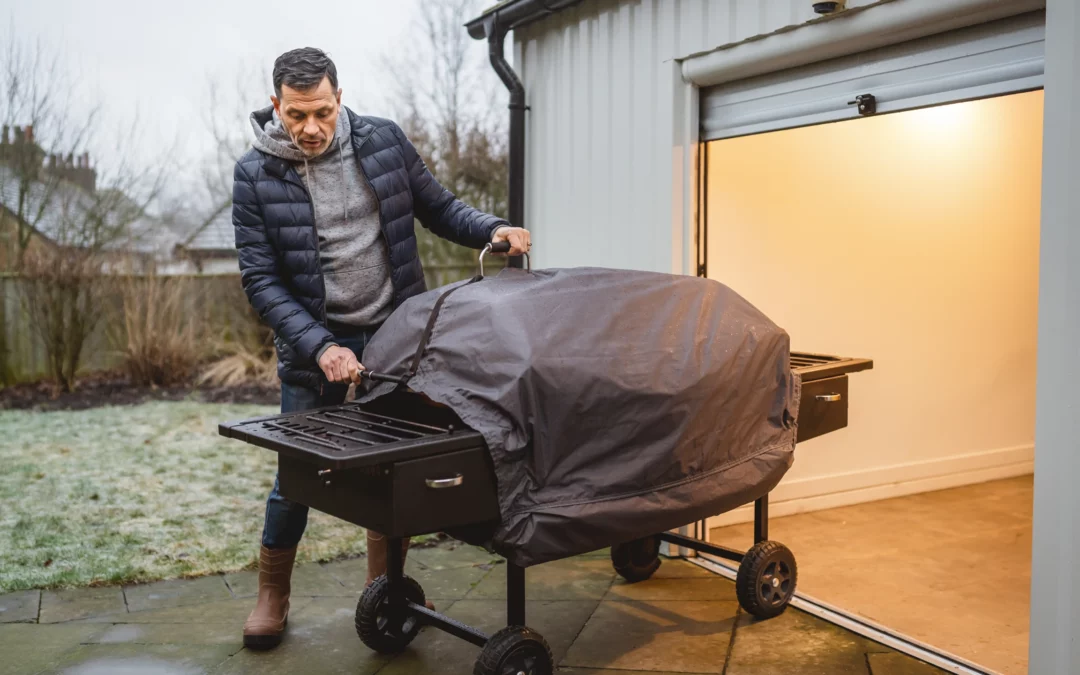
It’s the first warm weekend of spring. You wheel out the BBQ, lift the cover, and your stomach drops. Rust everywhere. Seized burners. A corroded gas line you wouldn’t trust near a flame. The cover you thought was protecting it had actually been trapping moisture all winter, quietly doing the damage you never saw coming.
Newbury winters might seem mild, but the mix of moisture, temperature swings, and hard frosts is enough to cause serious damage. Most homeowners simply don’t realise how fast outdoor items deteriorate when left unprotected through the colder months.
The damage rarely happens all at once. It builds up slowly through repeated freeze-thaw cycles, persistent damp, and prolonged exposure. A good-quality BBQ left outside can lose up to 30% of its working lifespan in just one winter. Sorting out BBQ outdoor equipment storage in Newbury before the cold sets in is one of the simplest ways to avoid that.
What Winter Weather Does to Outdoor Equipment
Moisture is the biggest threat to outdoor equipment in winter. Rain, morning dew, and frost create persistent damp that works its way into protective coatings and mechanical parts. Even surfaces treated with protective finishes can develop rust when moisture gets a foothold.
Temperature swings make things worse. When it drops overnight then warms up during the day, metal parts expand and contract repeatedly. That movement creates tiny cracks in paint and coatings, giving moisture a direct route to bare metal underneath.
Plastic and rubber components are also vulnerable. Cold makes plastic brittle, causing cracks in knobs, wheels, and casing. Rubber seals and hoses stiffen and tear, which affects how equipment works. UV rays continue to break down plastic even in winter, which speeds up the deterioration.
Wood furniture takes a different kind of damage. It absorbs moisture when it’s wet, then shrinks as it dries out. That constant movement loosens joints, splits the grain, and lets rot and mould take hold. Untreated wood can be permanently damaged within a single season.
The Real Cost of Leaving Equipment Outside
A mid-range gas BBQ costs between £400 and £800 new. Leave it outside through one winter, even under a cover, and you’re likely looking at £150 to £300 in repairs or part replacements. After two winters, many units aren’t worth fixing at all.
Garden furniture follows a similar pattern. A teak dining set worth £1,200 can develop deep cracks and water damage after prolonged exposure. Metal furniture rusts beneath the paint and needs full refinishing. Cushions and fabric become breeding grounds for mould.
Power tools and outdoor equipment aren’t immune either. Lawn mowers left with fuel in the tank develop blocked carburettors, costing £80 to £120 to fix professionally. Pressure washers can suffer pump damage from frozen water, often beyond repair. Hedge trimmers and strimmers deteriorate from moisture in their electrical parts.
I watched a neighbour discover this the hard way last spring. His £900 Weber BBQ had spent two winters under a fitted cover on the patio. When he lifted it in April, the entire bottom had rusted through, the burners were seized solid, and the ignition was corroded beyond repair. The cover had trapped moisture rather than keeping it out, and that made the damage even worse.
Preparing Your BBQ for Storage
Thorough cleaning is the first step to proper BBQ storage. Take out all cooking grates, flavouriser bars, and burner parts, then scrub away grease, food residue, and carbon buildup. Grease holds moisture and speeds up corrosion, so getting it all off is essential.
Next, deal with the gas bottle. Disconnect it completely and store it upright somewhere well-ventilated outdoors. Gas bottles should never go into enclosed spaces or storage units. While you’re at it, check the connection points for any signs of wear and replace anything that looks questionable.
Apply a light coating of cooking oil to metal grates and components to create a moisture barrier and prevent rust. For stainless steel surfaces, a dedicated stainless steel protectant will maintain the finish and keep water spotting at bay.
Finally, remove all batteries from electronic ignition systems. Leaking battery acid can destroy circuit boards and wiring. Store them separately in a dry spot, and check that all control knobs and valves move freely before putting anything away.
Garden Furniture and Cushion Protection
Wood furniture needs proper preparation before it goes into winter storage. Clean all surfaces with a suitable wood cleaner, removing any dirt, mould, or mildew. Let the furniture dry fully, which can take several days in a covered, ventilated area, then apply a wood oil or sealant for moisture protection.
Metal furniture needs a rust check first. Sand back any rust spots to bare metal, then apply a rust-inhibiting primer and matching paint. For aluminium, use a cleaner designed for the material to prevent oxidation. A thin coat of car wax over painted surfaces adds useful moisture protection.
Cushions and fabric items must be completely dry before storage. Wash them according to the manufacturer’s instructions, allow plenty of drying time, then store in breathable fabric bags rather than plastic ones, which trap moisture. Stack them on edge rather than flat to keep air circulating.
Plastic furniture simply needs a thorough clean and a careful check for cracks or stress points. Use mild detergent and water, paying particular attention to joints where dirt builds up. Make sure everything is fully dry before stacking or storing.
Tools, Mowers, and Power Equipment
Petrol-powered equipment needs its fuel system sorted before storage. Either run the engine dry or add a fuel stabiliser and run it for five minutes to work it through the system. Old fuel breaks down over time and leaves varnish deposits that block carburettors and fuel lines.
Battery care is equally important. Remove batteries from electric-start mowers and power tools, clean the terminals with a wire brush to remove corrosion, and store them somewhere cool and dry. Check charge levels monthly, as a fully discharged battery can freeze and crack in cold conditions.
Blades and cutting surfaces need attention too. Clean all grass, dirt, and debris from mower blades and cutting decks, then apply a light coat of oil to metal surfaces. Remove trimmer line from strimmers and check cutting heads for any damage.
Before putting away any four-stroke engine, change the oil. Used oil carries combustion residue and moisture that cause corrosion during storage. Fresh oil protects far better. Check and replace dirty air filters while you’re at it, as a blocked filter can let moisture into the engine.
Creating an Effective Storage Environment
Consistent temperature matters more than a specific temperature level. Equipment kept in a stable environment suffers far less stress and deterioration. Dramatic swings between hot and cold cause condensation inside enclosed spaces and on metal surfaces, which accelerates damage.
Humidity control tackles the root cause of most winter storage damage. Moisture in the air settles on cold surfaces and triggers rust and mould. Keeping relative humidity below 50% makes a significant difference to how well your outdoor equipment comes through the winter.
Good ventilation prevents stagnant air and moisture build-up. Air movement carries away dampness that would otherwise condense on stored items. That said, ventilation needs to be balanced; too much airflow from outside can actually introduce moisture rather than remove it.
How you organise your space also matters. Avoid stacking equipment tightly together or pushing it against walls. Leave gaps between items to let air move around freely, and elevate everything off the floor using pallets or shelving. Picking up packing materials and boxes in Newbury before you store gives your equipment a practical layer of protection against dust and minor knocks.
Professional Storage Solutions in Newbury
A purpose-built indoor storage facility offers something a garden shed or cover simply cannot: a dry, secure environment that keeps your equipment protected throughout winter. When items are stored in a modern, weatherproofed facility rather than left exposed outdoors, they come out in far better condition the following spring.
When it comes to BBQ outdoor equipment storage in Newbury, a dedicated facility is far more reliable than a makeshift solution at home. Newbury Self Store provides modern, purpose-built indoor units designed to keep your belongings dry and secure during the off-season. It works like keeping your equipment in suspended animation; time passes, but deterioration doesn’t.
For homeowners with larger items to store, such as bulky patio sets, ride-on mowers, or oversized gas BBQs, container storage in Newbury is worth considering. The containers sit at ground level, making it straightforward to load and unload heavy or awkward pieces without carrying them across a building. They also offer 24/7 access, which is useful if your schedule doesn’t always align with standard opening hours.
Businesses in Newbury also make use of storage for commercial equipment. Business storage in Newbury is available for companies of all types, from tradespeople with tools and materials to organisations needing accessible, secure space for equipment between jobs.
Security is taken seriously across the facility. CCTV, a monitored Redcare alarm system, and reinforced steel shutters protect stored items to a standard that a garden shed or garage simply cannot replicate.
If you need to retrieve your pressure washer for a mid-winter clean or grab a patio heater ahead of an outdoor gathering, you can access your unit during opening hours, rather than digging through a cluttered garage or shed.
The numbers also make sense. Spending £40 to £60 a month on BBQ outdoor equipment storage in Newbury is considerably less than replacing a corroded grill, damaged furniture, or failed garden equipment. Over several years, that saving adds up.
Retrieval and Spring Setup
Before using anything stored over winter, carry out a thorough inspection in good light. Look for rust, cracks, or any sign of deterioration, and deal with any issues before they become safety problems.
Give everything a proper clean before first use. Wipe down all surfaces to remove dust and debris, and for BBQs, check the burners and gas lines carefully. Test ignition systems and control valves before connecting gas bottles.
Safety checks are non-negotiable for gas and electrical items. Inspect gas lines and connections for cracks or wear, and test electrical components before putting them into full operation. If anything looks questionable, replace it rather than risk a failure mid-use.
Finally, reconnect and test everything systematically. For BBQs, run a soapy water leak test on all gas connections. Start mowers and power tools briefly to confirm they’re running properly, and check blade sharpness before tackling any real work.
Conclusion: Why Proper Storage Pays for Itself
The gap between equipment that lasts ten years and equipment that fails after three often comes down to how it was stored over winter. Good preparation and the right environment turn seasonal items from costs into long-term investments.
For personal self storage in Newbury, a modern, dry indoor unit removes the guesswork entirely. Your equipment is ready to go when warm weather returns, without the usual spring ritual of repairs and disappointment.
Garden sheds and garage corners might seem like a convenient option, but they don’t offer the security or weatherproofing that properly preserves equipment value. Temperature swings, moisture, and pests all pose ongoing risks that a proper storage facility simply removes.
Starting your winter storage preparation before the worst weather hits prevents the early damage that accumulates during those first cold, wet weeks. Well-prepared equipment stores better and comes out in better condition. BBQ outdoor equipment storage in Newbury doesn’t need to be complicated when you have the right facility and a straightforward preparation routine.
The investment in proper winter storage pays back every spring when your equipment works as it should, rather than requiring repairs or a costly replacement. To discuss your specific storage needs and find the right solution for your outdoor equipment, call 01635 581 811 or get in touch with our team for expert guidance.