
 01635 581 811
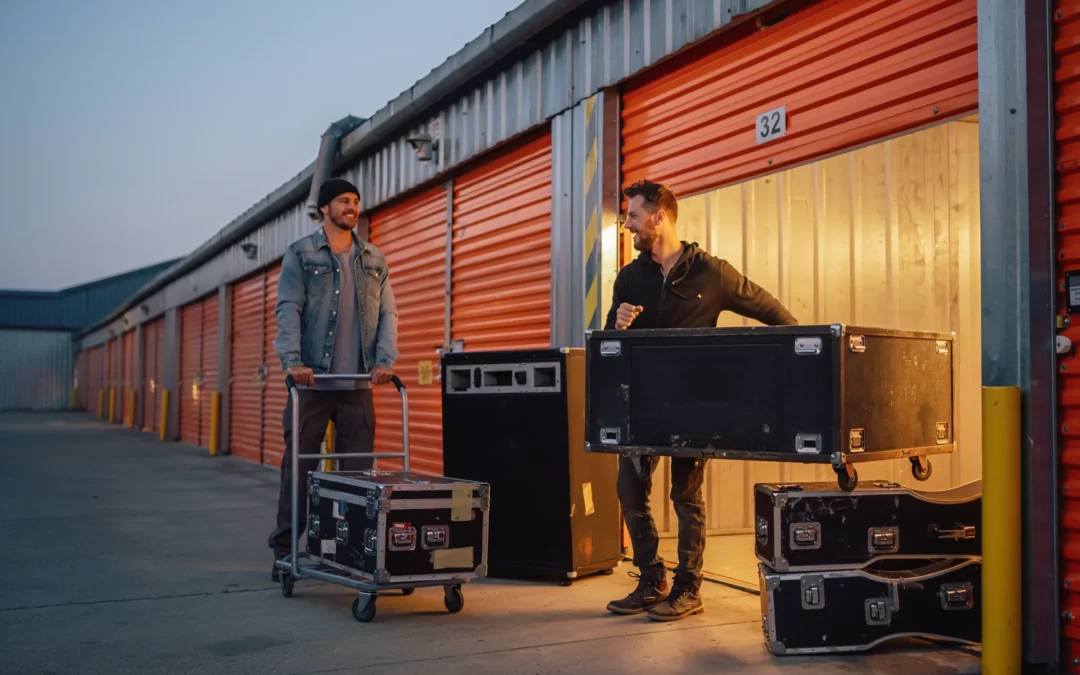
That guitar took years to find. The PA system cost more than your first car. And right now, both of them are sitting in a damp garage getting slowly destroyed between gigs. For most musicians, the thrill of performing ends the moment the van gets unloaded, because there’s nowhere safe, dry, or practical to put any of it.
The average gigging band owns equipment worth between £5,000 and £15,000. Yet most store that investment in conditions that speed up wear and damage at every turn. Temperature swings ruin electronics, humidity warps wooden instruments, and visible gear left at home or in a vehicle is a magnet for theft. Proper band equipment storage in West Berkshire between gigs is one of the simplest ways to protect everything you’ve worked hard to build, and it extends the working life of your gear by years.
Why Band Equipment Needs Proper Storage Between Gigs
The Cost of Inadequate Storage
Poor storage is expensive. Acoustic guitars kept in cold, unheated spaces develop cracks as the wood contracts and expands. Vintage synthesizers suffer circuit board damage when exposed to damp. Even modern digital gear fails early when kept in spaces without proper protection from moisture and temperature swings.
I once advised a local blues band who’d lost three vintage Fender amplifiers to moisture damage after storing them in a garden shed for just one winter. The repair costs exceeded £2,400, far more than proper storage would have cost. That expensive lesson taught them what many musicians learn the hard way: your equipment deserves better protection than a damp outbuilding.
Theft Risks and Security Concerns
Theft is a very real risk for gigging musicians. Police statistics show that musical equipment theft peaks during summer festival season, when thieves know bands are actively on the road. In the Thames Valley area, instruments left in vehicles overnight account for 40% of reported music gear theft.
Home storage might feel safer, but it carries its own risks. Burglars specifically target properties where musical equipment is visible. A dedicated storage facility with proper security removes that risk entirely.
Space Constraints at Home and Rehearsal Spaces
A full band setup takes up a surprising amount of room. Drums, backline amplifiers, a PA system, and instruments for every member can easily fill a standard single garage. Most families won’t put up with living rooms dominated by flight cases and speaker stacks.
Rehearsal spaces aren’t always a practical answer, either. Many charge a premium for equipment storage, often adding £100 or more to your monthly bill. That’s money better spent elsewhere.
What to Store: Understanding Your Equipment’s Needs
Not all instruments and equipment need the same level of care. Understanding your equipment needs helps you make better storage decisions and avoid costly mistakes.
Instruments That Require Climate Control
Acoustic guitars need stable humidity levels, ideally between 45% and 55%. Too little humidity and the wood shrinks, causing fret buzz, cracks, and structural damage. Too much and the wood swells, raising the action and putting pressure on glue joints. Solid wood instruments are especially at risk compared to laminate builds.
Other string instruments such as violins, cellos, and double basses face the same challenges. Fluctuating temperatures cause varnish to craze and crack on vintage pieces. Neck angles shift as wood moves, leading to costly setup work or repairs. Many professional musicians spend more on insurance than on instrument storage, when the right conditions would prevent most claims in the first place.
Vintage keyboards and synthesizers are equally vulnerable. Rubber key contacts perish in high heat. Capacitors fail when moisture gets in. Circuit boards corrode over time, causing faults that are difficult and expensive to trace. These instruments carry both monetary and sentimental value, so protecting them properly matters.
Brass and woodwind instruments suffer in damp, cold environments too. Pads and corks deteriorate faster. Lacquer finishes tarnish and corrode. The precision mechanisms inside valves and keys need stable conditions to stay in proper adjustment.
PA Systems and Electronics
PA systems are a significant investment. A modest professional setup can cost between £3,000 and £8,000, and the components inside are sensitive to moisture and temperature. Voice coils can seize, cone surrounds perish, and cabinet joints separate when storage conditions are poor. Protecting this equipment keeps its resale value intact and ensures it performs reliably at every gig.
Amplifiers need protection from dust, moisture, and temperature swings. Valve amplifiers are particularly at risk, as transformers and valves degrade in damp environments. Solid-state gear is tougher, but still suffers from capacitor aging and corroded connections if stored carelessly.
Mixing desks and digital processors also benefit from a stable, dry environment. Motorised faders stick when dust gets in. LCD screens can fail in extreme temperatures. For modern digital gear, keeping it dry and protected is a straightforward investment in long-term reliability.
Cable Management and Accessories
Cables are easy to overlook, but poor storage causes real problems. XLR and jack cables develop intermittent faults when left loose or kinked. Power cables need protection from rodent damage, which is more common in home garages and outbuildings than you might expect.
Organised cable storage, think of it like a well-maintained toolbox, means you can find what you need quickly and trust it will work when you need it most. It’s a small habit that saves a lot of frustration on gig day.
Bulky Items and Transport Cases
Drum Kits and Hardware
Drum kits take up a lot of space even when fully broken down. A five-piece kit with hardware and cymbals fills around 2 cubic metres when properly cased. The shells need protection from impact, whilst cymbal cases prevent the edge damage that ruins expensive Zildjians or Sabians. Good storage keeps everything in one place and ready to load quickly.
Flight Cases and Road Cases
Flight cases and road cases do more than protect gear in transit. They also make excellent storage containers. Their solid construction and foam interiors cushion both instruments and electronics effectively. Stacking them neatly saves floor space whilst keeping your most-used items within easy reach. Picking up packing supplies and boxes in Newbury to wrap loose components and fragile items inside cases adds a useful extra layer of protection.
Backline Equipment
Backline gear adds up fast. Bass rigs, guitar cabinets, and keyboard stands are all bulky items that need somewhere to live between gigs. A typical rock band’s backline requires 4 to 6 square metres of floor space when stacked efficiently. Purpose-built storage keeps everything accessible without it taking over your home.
Preparing Equipment for Storage
A bit of preparation before storage goes a long way. Knowing your equipment needs before it goes away saves money and frustration down the line.
Cleaning and Maintenance Before Storage
String instruments should be cleaned thoroughly before going into storage. Wipe down the body to remove finger oils and grime. Loosen the strings slightly to reduce tension on the neck, but don’t remove them entirely, as this can affect neck relief. Place the instrument in its case with a humidity control pack designed for musical instruments.
Electronic equipment needs a dust clean and connection check before storage. Use compressed air to clear dust from vents and control surfaces. Clean jack sockets and XLR connections with contact cleaner. While you’re at it, check for loose screws or signs of damage that could get worse if left unattended.
Cases and hardware need a quick inspection too. Check flight case latches, hinges, and foam condition. Replace any worn foam that’s no longer doing its job. Clean and lubricate drum hardware, and address any rust or corrosion before the kit goes away.
Packing Strategies for Musical Equipment
Choosing the right case matters more than most musicians realise. Hard cases offer far better protection than gig bags for instrument storage long term. The upfront cost is quickly offset by avoiding repair bills.
Silica gel sachets placed inside cases provide solid moisture protection for most equipment. Replace them every few months as they absorb moisture and reach capacity. One simple rule: never store equipment directly on a concrete floor, as concrete conducts both cold and damp.
Labelling everything makes your life much easier. Build a detailed inventory that includes serial numbers, condition notes, and photographs of each item. This record is invaluable for insurance claims and helps you spot any changes in condition during routine inspections.
Choosing the Right Storage Solution
Finding the right band equipment storage in West Berkshire comes down to three things: how much equipment you have, how often you need access, and what your budget allows. Getting that balance right means proper protection without overspending.
Size Requirements for Different Band Setups
Solo and duo setups typically fit into a small unit of 25 to 35 square feet. This comfortably holds guitars, a small PA system, and accessories, with room to move around. Shelving helps you make use of vertical space and keep things tidy. Personal self storage in Newbury suits solo musicians and smaller acts who need a flexible, affordable solution without committing to a large unit.
Full bands need more space. Accounting for drums, multiple amplifiers, PA systems, and instruments for four or five members, a unit of 50 to 75 square feet gives you comfortable storage with clear pathways for loading. Organising equipment by type makes everything easier to find.
Touring bands need more still. If you’re working regularly, 100 square feet or more gives you room for additional cases, spare instruments, and merchandise. Flexible business storage in Newbury suits professional musicians treating their band as a business, with a range of unit sizes and the 7-days-a-week access that working acts need.
Access and Location Factors
If your band rehearses weekly, storing gear nearby saves both time and money on every session. Some musicians also consolidate band equipment with other storage needs, keeping everything in one convenient location.
Loading and unloading heavy gear is much easier with the right unit layout. Ground floor units with wide doors make light work of PA equipment and drum cases. Outdoor container storage in Newbury is worth considering for bands with substantial equipment, as the ground-level shipping containers offer 160 square feet of space and 24-hour, 7-day access whenever you need it.
Security Features to Prioritise
Good security is non-negotiable when storing expensive gear. Look for a monitored alarm system, CCTV coverage, and reinforced access as the minimum you should expect. Some insurers require specific security standards for high-value musical equipment, so check your policy before committing to a facility.
At Newbury Self Store, the modern, purpose-built facility is secured with a state-of-the-art monitored alarm, CCTV, and reinforced steel shutter doors. Units are dry and secure, with flexible contracts that require just two weeks’ notice, so you’re never locked into something that no longer suits your needs.
Insurance and Documentation
Equipment Valuation Methods
Your insurance should reflect what it would cost to replace your gear, not what you originally paid. Vintage instruments often increase in value over time, whilst electronics depreciate. A professional valuation typically costs between £50 and £150, depending on the size of your collection, and gives you an accurate figure to insure against.
Insurance Coverage Options
Standard home insurance usually doesn’t cover equipment stored off your premises or used commercially. Specialist musical instrument policies fill that gap. They cover storage, transit, and live performance, and typically cost between 1.5% and 3% of your total equipment value each year. For any working musician, that’s money well spent.
Inventory Documentation Best Practices
Thorough records are your best protection if something goes wrong. Photograph every item, note serial numbers, keep purchase receipts, and write condition reports. Store it all digitally in cloud storage so it’s accessible even if your equipment is stolen or damaged. Update your records whenever you buy new gear or sell something on.
Long-Term Storage Considerations
Storing gear for an extended period requires a bit of active management. Small issues left unchecked can turn into expensive problems, so building regular checks into your routine is worth the effort.
Regular Equipment Checks
Climate-sensitive instruments such as acoustic guitars and vintage keyboards should be checked monthly. More robust items like PA systems and flight cases can be inspected quarterly. These check-ins help you catch early signs of humidity damage, pest activity, or case deterioration before they cause serious harm.
Seasonal Maintenance Schedules
Seasonal changes affect stored equipment more than most people realise. As the heating season begins and ends, check humidity levels inside your cases. Inspect electronics before summer heat sets in and again before winter arrives. Replace desiccant packs regularly and make sure all cases are properly sealed.
Cost Management Strategies
Keeping storage costs under control is straightforward with a bit of planning. Flexible contracts let you adjust your unit size as your equipment needs change throughout the year. Sharing the cost with other band members distributes the financial burden fairly, and makes band equipment storage in West Berkshire accessible even on a tight budget.
Many musicians find that professional storage saves money overall. Less damage means fewer repairs and a longer lifespan for expensive gear. And when everything is secure and looked after properly, you can focus on what matters: making music.
Protecting Your Musical Investment
Your band equipment represents years of investment and countless hours of work. Storing it properly between gigs preserves its value and keeps it performing exactly as it should. A dry, secure unit prevents the moisture and temperature damage that ruins instruments and electronics, whilst proper security protects against theft.
Organisation matters just as much as protection. Knowing where everything is means you can load up and get to your gig without the last-minute chaos. Good cable management, clear labelling, and a simple inventory system transform a cluttered instrument storage space into a professional setup you can depend on every time.
For bands serious about their music, band equipment storage in West Berkshire isn’t a luxury. It’s part of running your act professionally. The musicians who get this right find their gear stays reliable, their insurance costs stay manageable, and their pre-gig stress drops considerably.
Your gear has earned better than a damp garage. Call 01635 581 811 or speak to our team to find the right unit for your band’s equipment today.