
 01635 581 811
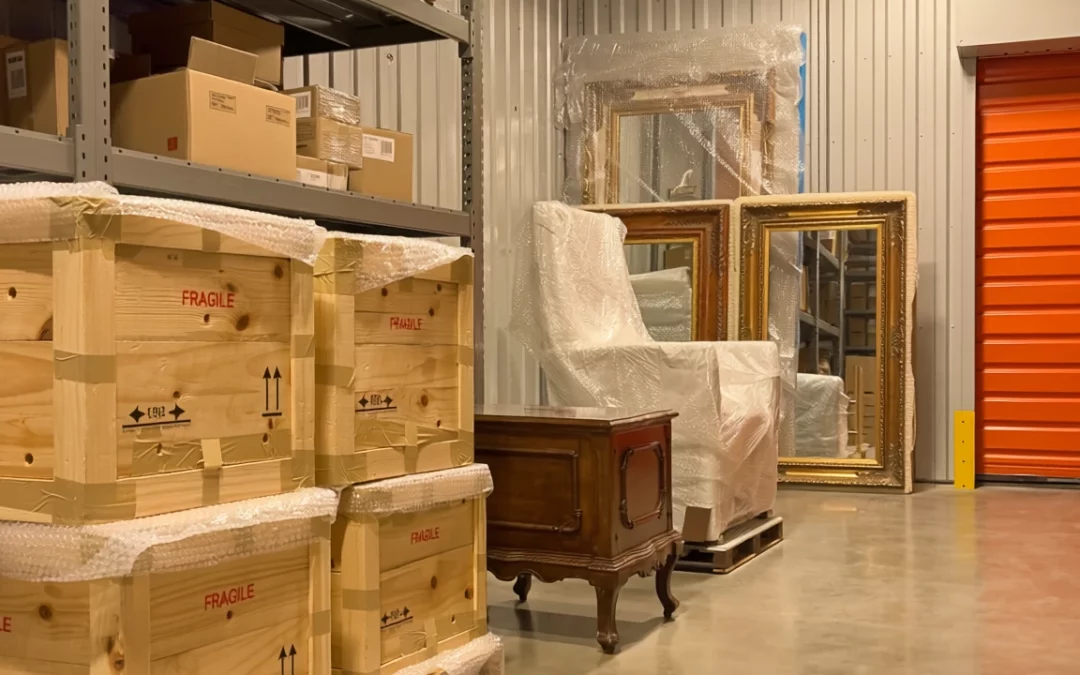
You’ve just packed down after a strong antiques fair. The van is full, you’re tired, and you need somewhere to put everything until next time. What happens next will either protect your profit or quietly erode it.
The antiques trade runs on cycles. You spend weeks preparing, three days selling, then face the immediate challenge of what to do with everything that didn’t move. At the same time, you’re buying new antiques stock, planning the next event, and trying to track hundreds of items spread across different locations.
Poor antiques storage creates more than inconvenience. It cuts into your profit margins through damage, makes inventory control nearly impossible, and can invalidate your insurance when you need it most.
Most dealers start out storing stock in spare bedrooms, garages, or basic lockups. For those just getting started, renting a self-storage space is a practical step up from the spare room without the cost of commercial premises. It works at first, but as your dealing grows, the problems start showing. One dealer I worked with lost a Georgian writing desk to damp in an unheated garage, a £1,200 lesson in why proper antiques dealer storage matters. The wood warped beyond repair over a single winter, and her insurer rejected the claim because the storage conditions breached her policy terms.
Understanding the Antiques Dealer’s Storage Challenge
The antiques calendar creates real pressure on storage. You’re not running a shop with steady, daily turnover. Instead, your business operates in intense bursts around major antiques fairs like Ardingly, Newark, or regional events across the South. Between those events, your entire inventory sits waiting, and that waiting period carries risk.
Your space needs change quickly too. After a buying trip to France or a house clearance, you might suddenly need room for 40 extra pieces. A few months later, after a strong run of sales, that same space sits half empty. Fixed commercial premises charge the same rent regardless, but your cash flow doesn’t work that way.
Protection requirements also vary a lot across different antiques stock. Furniture needs different conditions than ceramics. Textiles need a dry environment that a damp garage simply cannot provide. Silver requires tighter security than garden antiques. A domestic garage or basic lockup simply can’t meet all those needs, yet splitting stock across several locations turns inventory management into a headache.
What Proper Antiques Storage Must Deliver
Dry, Secure Indoor Conditions
A dry indoor environment is essential for serious antiques storage. Damp is the single biggest threat to antiques in storage. It warps wood, causes mould on textiles and paper, and produces that musty smell buyers immediately notice and walk away from. Storing in a purpose-built, dry indoor facility removes that risk entirely.
Think of proper indoor storage like a pause button for the ageing process. It holds your antiques stock in stable condition until the right buyer comes along, rather than letting a damp or unheated space quietly erode its value over winter.
Security
Security means more than a decent padlock. You need monitored alarms, restricted access, and solid construction. Many antiques dealers hold antiques stock worth £50,000 or more. Your insurance policy will set minimum security standards, and if your storage doesn’t meet them, any claim can be rejected regardless of how the loss happened.
Accessibility
Access matters more than many dealers expect. You need to retrieve items for viewings, select stock for upcoming fairs, and load vans before events. Secure storage for your business open seven days a week gives you the flexibility to visit when your schedule demands it, rather than being restricted to Monday-to-Friday working hours.
The Real Cost of Poor Storage Decisions
Damage
Inadequate antiques dealer storage leads to predictable damage. Damp causes mould on textiles and paper, tarnishes silver, and lifts veneer. Frost cracks ceramics. Heat dries out wood joints until furniture literally comes apart. None of these things happen in a dry, purpose-built storage unit.
I’ve seen dealers lose entire categories of antiques stock to a single failure. One kept framed prints in a garden shed, thinking they were hardy enough. A winter roof leak destroyed 30 prints worth around £3,000 at retail. The financial hit was painful, but the reputational damage from cancelled customer orders was worse.
Insurance
Insurance problems arrive faster than most dealers expect. Most household policies explicitly exclude business stock. Specialist antiques insurance requires you to declare where and how items are stored. Keep things in unapproved locations and your policy becomes worthless. A single rejected claim can cost far more than years of proper antiques storage fees.
Lost Sales
Inaccessible antiques stock is a hidden drain on your business. If a buyer contacts you about a specific piece but you can’t get to it until the weekend, they’ll often buy elsewhere. If you can’t quickly confirm condition or measurements because stock is in a remote lockup, sales conversations lose momentum. Stock you can’t reach quickly might as well not exist.
How Professional Storage Supports Your Dealing Business
Newbury Self Store offers the kind of flexible, secure setup that antiques dealing needs. Your storage becomes part of your business operation, not just somewhere to put things between antiques fairs.
Seven-day access means you can collect items for viewings during the week, select stock on Saturday, and load your van on Sunday ahead of an early Monday fair. Being open every day of the week makes a real difference when your schedule doesn’t follow a standard working week.
Scalable units let you match costs to your current stock levels. Start smaller and upgrade when a house clearance comes in. Scale back during quieter periods. That flexibility turns storage from a fixed overhead into a cost that moves with your business.
When storage works properly, it becomes part of your operation. You can sort and organise your antiques stock systematically, show items to buyers at your unit, and pack methodically instead of scrambling to load a van the night before a fair.
Practical Storage Strategies for Antiques Dealers
Cataloguing and Retrieval Systems
A solid cataloguing system is what separates organised dealers from chaotic ones. Every item going into antiques storage needs a location code. Simple grid references like A1, A2, B1, and B2 work well. Log them in a spreadsheet alongside photos and descriptions. It takes 30 seconds per item and saves hours later.
Organise by category and size rather than when things arrived. Keep all small ceramics together, all chairs together, all framed pieces together. When a customer asks about Victorian tiles or you’re selecting stock for a specific fair, you’ll find what you need in minutes instead of unpacking everything.
Protecting Your Stock Properly
Invest in the right boxes and bubble wrap for vulnerable items. Bubble wrap for ceramics, transit blankets for furniture, sturdy boxes for smaller pieces. It’s not being overly careful; it’s protecting your profit. A £200 Clarice Cliff plate needs £2 of bubble wrap and a proper box, not a carrier bag in a corner.
Plan seasonal rotation too. Christmas pieces can go to the back in January. Garden antiques can sit deeper in storage through winter. Keep your fastest-moving antiques stock and upcoming fair selections near the front where they’re easy to reach.
Making Storage Work Around Fair Schedules
Pre-Event Preparation
Start preparing at least a week before any major antiques fair. Pull potential stock, check condition, research prices, and make decisions while you have time to think clearly. Last-minute packing leads to poor choices and forgotten pieces.
Treat your storage unit as a staging area. Set aside a zone specifically for upcoming fair stock. As you identify pieces throughout the month, move them there. By the week before the event, everything is together and ready to load rather than scattered across the unit.
Post-Fair Processing
Processing stock after antiques fairs deserves the same care as preparing for them. Unpack carefully, checking for any transport damage. Update your inventory to reflect what sold. Clean and repair anything that needs attention before it goes back into storage. Doing this straight away prevents a build-up of unsorted stock from multiple events.
When returning unsold items, put them back in their designated spots. Update your records with fair history, noting where you’ve already tried selling each piece. That information helps you make better decisions about pricing, stock selection, and what to hold onto long term.
For larger furniture and house clearance volumes, some dealers opt for a shipping container unit to handle bulky items at ground level. At 160 square feet per unit with 24-hour access, containers make it straightforward to move large pieces in and out without the restrictions of standard opening hours.
Building Storage into Your Business Model
Treat antiques dealer storage as business infrastructure, not an afterthought. Work out the cost per item per month, and build it into your pricing. Any piece sitting in storage for six months before it sells needs to cover those costs within its margin.
Location matters too. Facilities close to major transport routes reduce travel time when accessing stock. Units near your home make quick visits practical when a customer asks for measurements or a viewing. West Berkshire sits in an excellent position for connectivity to London, the M4 corridor, and key antiques centres.
Do a storage audit every quarter. Walk through your full inventory of antiques stock. Spot the slow-moving pieces taking up valuable space. Make firm decisions about what to discount, donate, or let go. Dead stock costs money every month it sits there.
Keep documentation with your items too. Provenance paperwork, restoration records, and purchase receipts should travel with the relevant pieces. When a sale happens, you can hand over full documentation immediately. When an insurance question comes up, you have evidence of value and condition ready. Use waterproof document wallets on larger pieces or labelled boxes for smaller ones.
The antiques trade rewards dealers who protect their stock properly. Every piece that reaches a buyer in good condition is preserved profit. Every item you can find and access quickly is a potential sale. Every insurance policy that holds up because you met the storage conditions is protected investment.
Your antiques stock is your working capital and your future income. Storing it properly in good antiques storage, with the right security and reliable access, isn’t optional. It’s the foundation of a sustainable dealing business in West Berkshire.
For expert advice on antiques dealer storage tailored to your business, call 01635 581 811 or get in touch to discuss your specific requirements.