
 01635 581 811
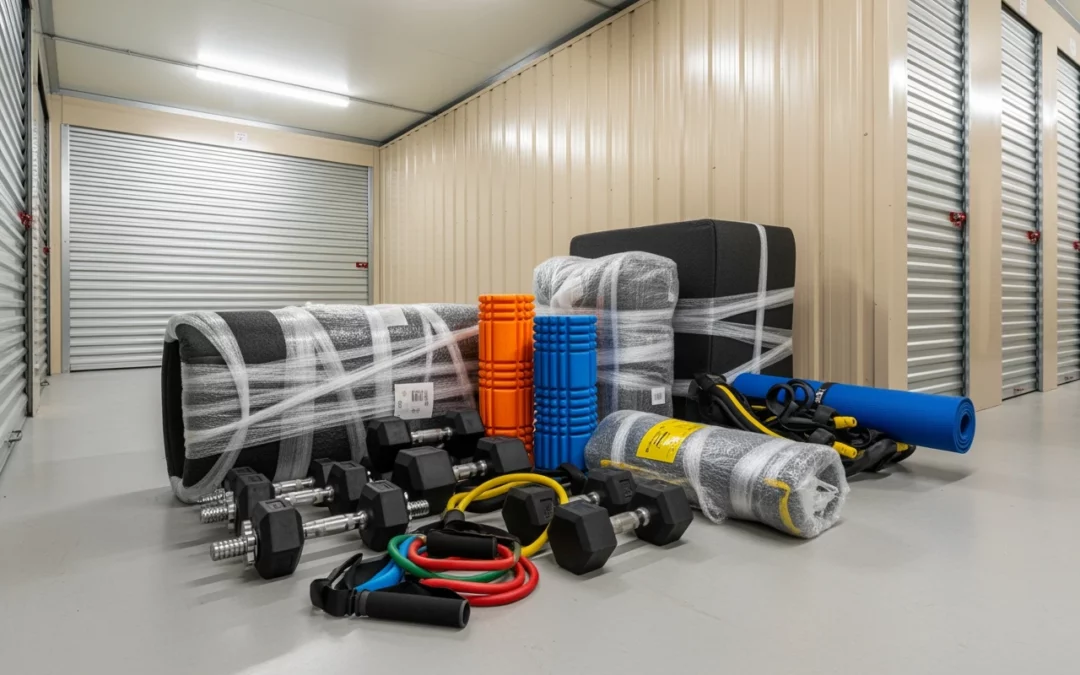
Home gym equipment represents a substantial investment, both financially and in your commitment to fitness. Yet storing these items improperly can transform a temporary space solution into a costly replacement exercise. The reality is that storing home gym equipment presents unique challenges that standard household items simply do not encounter.
Most people discover damage only when retrieving their equipment months later. Rust blooms across chrome bars. Electronic displays refuse to power on. Upholstery develops mould spots that will not budge. These are not inevitable outcomes of storage; they are preventable consequences of inadequate preparation and the wrong environment.
Understanding Your Equipment’s Vulnerabilities
Different components of your gym setup face distinct threats during storage. Metal elements, particularly chrome plating on barbells and weight stacks, oxidise rapidly when exposed to moisture. Even minimal humidity creates the perfect environment for rust formation, which compromises both aesthetics and structural integrity over surprisingly short periods.
Electronic displays on treadmills, exercise bikes, and rowing machines contain sensitive circuitry that moisture destroys permanently. These components were not designed for temperature fluctuations or condensation exposure. A single winter in an uncontrolled environment can render a £2,000 treadmill completely unusable.
Upholstered benches and seats face their own battle. Fabric and vinyl materials develop mildew when stored in damp conditions. The foam padding beneath absorbs moisture like a sponge, creating an ideal breeding ground for mould spores. Once established, these organisms prove nearly impossible to eliminate completely, even with professional cleaning.
Hydraulic systems and resistance mechanisms contain seals and lubricants that degrade without regular use. Extended storage periods allow fluids to settle, seals to dry out, and moving parts to seize. Equipment that worked perfectly before storage may require professional servicing before it functions correctly again.
Pre-Storage Preparation Steps
Proper preparation begins weeks before your equipment enters storage. Deep cleaning removes the sweat, skin oils, and residue that accelerate material degradation. For metal surfaces, use a mild detergent solution followed by thorough drying. Any moisture left behind becomes tomorrow’s rust problem.
Upholstered surfaces require specialised cleaning products designed for gym equipment. Standard household cleaners often leave residues that attract moisture or damage protective coatings. After cleaning, allow at least 48 hours for complete drying in a well-ventilated space. Rushing this step traps moisture inside padding and crevices.
Lubrication protects moving parts during storage dormancy. Apply appropriate lubricants to chains, pulleys, and pivot points according to manufacturer specifications. This creates a protective barrier against oxidation whilst preventing seals from drying out. Document which components you have treated and when, creating a reference for post-storage maintenance.
Disassembly reduces storage footprint and protects vulnerable components. Photograph each stage from multiple angles before beginning. These images prove invaluable during reassembly months later when memory fades. Label every bolt, screw, and bracket, storing hardware in clearly marked bags taped to the corresponding component.
Material-Specific Packing Techniques
Free weights and dumbbells demand protection despite their apparent durability. Wrap each weight individually in moving blankets or bubble wrap, paying special attention to rubber-coated versions. Rubber degrades when weights stack directly on each other, creating permanent indentations and tears. Store weights in sturdy plastic bins rather than cardboard boxes, which collapse under extreme weight.
Resistance bands and yoga equipment require different handling. Bands deteriorate when stretched or compressed for extended periods. Lay them flat in their natural state, separated by tissue paper to prevent rubber-to-rubber contact. Yoga mats should be stored unrolled if space permits, as rolling creates memory creases that never fully disappear.
Cardio machines present the most complex packing challenges. Treadmills require belt tension release before storage to prevent motor strain and belt warping. Cover the entire machine with breathable fabric covers rather than plastic sheeting, which traps condensation. Remove batteries from electronic displays and store them separately to prevent corrosion from leakage.
Exercise bikes need particular attention to their resistance mechanisms. Magnetic resistance systems tolerate storage well, but friction-based models require specific preparation. Loosen resistance completely and apply protective lubricant to contact points. Multi-station weight systems benefit from partial disassembly, with weight stacks removed separately to reduce stress on cable systems. Strong packing materials designed for heavy equipment provide the protection that standard wrapping materials cannot offer for these substantial items.
Long-Term Storage Best Practices
Positioning equipment correctly prevents warping and deformation. Store benches and seats horizontally with weight distributed evenly across their frames. Never stack heavy items on top of equipment with upholstered surfaces, as this creates permanent compression marks. Leave adequate space around each piece for air circulation, preventing moisture accumulation at contact points.
Creating a maintenance schedule keeps equipment functional during storage. Monthly visits allow you to check for moisture accumulation, verify protective coverings remain intact, and operate moving parts to prevent seizing. This might seem excessive, but it is considerably less expensive than replacing damaged equipment.
Many people underestimate how often they will need storage access. Seasonal fitness enthusiasts might rotate equipment based on training focus. When planning your storage layout, position frequently accessed items near the entrance. This prevents the need to move everything whenever you retrieve a single piece.
An inventory system with photographs and condition notes for each item proves invaluable for insurance purposes if damage occurs. Downsize with ease by consolidating home gym equipment alongside other household items in a single personal storage unit during a move or renovation. This approach simplifies logistics and often reduces overall costs.
Common Mistakes That Cause Permanent Damage
One client stored a complete home gym worth over £8,000 in a standard garden shed, confident that the building would provide adequate protection. Six months later, the treadmill’s electronics were completely corroded, the weight bench upholstery had developed extensive mould, and every chrome surface showed significant rust. The replacement cost exceeded £5,000, far more than proper storage would have required.
The most common error involves using plastic sheeting as a protective covering. Plastic traps moisture against surfaces, creating ideal conditions for rust and mould. It is like wrapping your equipment in a greenhouse. Breathable fabric covers allow air circulation whilst still protecting against dust and debris.
Another frequent mistake is neglecting to clean equipment before storage. Sweat and skin oils contain salts and acids that actively corrode metal and degrade fabrics. What seems like a minor residue becomes aggressive chemical attack over months of packing gym equipment self storage. The fifteen minutes spent cleaning saves hundreds in potential damage.
People also underestimate the weight-bearing requirements for storage surfaces. Stacking heavy weights on standard shelving designed for household items leads to catastrophic failures. When shelves collapse, they damage not only the weights but everything stored nearby. Purpose-built storage solutions designed for heavy equipment prevent these accidents entirely.
Protecting Your Investment Through Professional Storage
The difference between successful equipment storage and costly replacement often comes down to environmental control. Home storage solutions like garages, sheds, and spare rooms rarely provide the stable conditions that storing home gym equipment requires. Temperature swings, humidity fluctuations, and inadequate ventilation create the perfect storm for deterioration.
Professional storage offers advantages beyond climate control. Security systems protect against theft, which particularly concerns valuable cardio machines and specialised equipment. Secure trade storage benefits fitness professionals, personal trainers, and gym operators who need to store commercial-grade equipment between contracts or during facility transitions.
Space efficiency matters more than many people initially realise. Professional facilities maximise vertical space and provide appropriate clearances, allowing you to store complete gym setups in surprisingly compact areas. For bulky items such as rowing machines, squat racks, and multi-station systems, store large items in ground-level container units that allow loading directly from a vehicle without lifting equipment through narrow corridors.
The cost comparison favours professional storage when you factor in potential equipment damage. Replacing a single damaged treadmill often exceeds a year’s storage fees. When storing multiple pieces of equipment, the financial logic becomes even more compelling. You are not paying for storage; you are investing in equipment preservation.
Preparing for Retrieval
Newbury Self Store can help planning for storage retrieval begins when you first pack equipment away. Create a detailed inventory noting the condition of each item, including photographs of any existing wear or damage. This documentation helps you identify any deterioration that occurred during storage and provides baseline information for warranty claims if necessary.
Label everything clearly with contents and packing date. Your memory of what is in each box or which components belong together fades surprisingly quickly. Clear labelling eliminates guesswork during retrieval and prevents the frustration of searching through multiple containers for specific parts.
Store assembly instructions and warranty documentation with the equipment itself. Consider placing them in waterproof document pouches attached directly to the main component of each piece. When you retrieve equipment, allow time for gradual temperature adjustment before use. Let equipment acclimate for 24 hours in its destination environment before unwrapping and assembling.
Making Storage Work for Your Fitness Journey
Storing home gym equipment does not mean abandoning your fitness goals. Many people use storage strategically, rotating equipment seasonally or during life transitions. Perhaps you are focusing on outdoor training during summer months, or you need temporary space during home renovations. Proper storage keeps your equipment ready for when circumstances change.
The key to packing gym equipment self storage successfully lies in matching your preparation effort to your equipment’s value and planned storage duration. A few weeks of storage requires less intensive preparation than a year-long commitment. However, the fundamental principles remain constant: clean thoroughly, protect vulnerable components, control the environment, and maintain access for periodic checks.
Think of storing gym equipment like preserving a classic car. Both require protection from environmental factors, regular maintenance checks, and proper preparation before storage. You would not park a vintage vehicle in a damp garage without preparation, and your fitness equipment deserves the same consideration.
Your fitness equipment represents more than financial investment; it embodies your commitment to health and wellbeing. Treating it with appropriate care during storage preserves both its function and your ability to resume training without interruption or unexpected expense.
Call 01635 581 811 or contact us to discuss storage conditions that protect your home gym equipment from damage.