
 01635 581 811
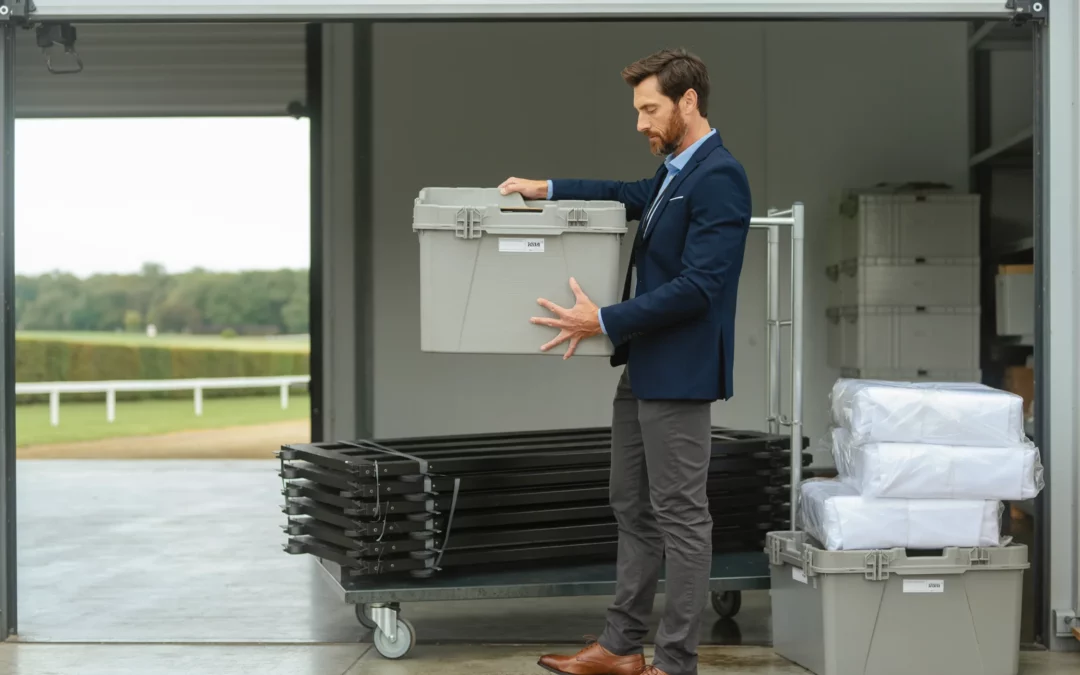
One misplaced item can unravel hours of preparation. For corporate hospitality suppliers managing Newbury Racecourse event storage, the margin for error on race day is thin, and the cost of poor logistics shows up long before the first guest arrives.
Managing everything from champagne bars to private dining suites across 30 race days a season is complex enough. The real pressure comes between events, when you need to store, protect, and quickly retrieve tens of thousands of pounds worth of equipment with no room for confusion.
Most warehouse storage solutions weren’t built for this kind of operation. What you actually need is storage that understands the racing calendar as well as you do.
The Corporate Hospitality Supply Challenge
Volume and Variety of Equipment Required
A single corporate hospitality setup can require 40 to 60 individual items. That includes furniture, lighting, catering equipment, and branded materials. Scale that across multiple clients and events, and the volume of inventory adds up fast.
Seasonal Peaks and the Racing Calendar
The racing calendar follows a clear pattern. Spring and autumn fixtures bring the highest demand, with Newbury’s key races filling corporate hospitality bookings months ahead. Between those peaks, equipment sits unused but still needs proper care and protection.
Why On-Site Storage Fails as Client Numbers Grow
Many suppliers start by storing equipment on their own business premises. That works fine at first, but it breaks down quickly as client numbers increase. Your office turns into a warehouse, your car park fills with stacked furniture, and finding one specific item before an event becomes a proper headache.
The Financial Cost of Inadequate Arrangements
The costs go beyond rent. Poor equipment storage leads to damaged goods, missing items, and last-minute replacements. One hospitality supplier I worked with spent £8,000 in a single season replacing glassware and furniture that had been ruined in unsuitable storage.
What Event Suppliers Actually Need from Storage
Flexible Access Hours Around Race Day Schedules
Access timing matters more than most people think. Race day logistics often start early and run late into the evening. Event suppliers need storage that’s open seven days a week and offers enough flexibility to fit around their schedule, not just standard weekday hours.
Space for Bulk and Oversized Items
The range of items creates practical challenges that standard units don’t always handle well. You might need to store large staging sections next to crates of glassware and stacks of bulky furniture. Everything needs to be reachable without dismantling the entire unit to get to one item.
Security Standards for High-Value Equipment
Security is non-negotiable when you’re storing high-value audio-visual kit or custom branded furniture. Insurers increasingly require monitored access and proper building standards. Keeping valuable gear in a basic lock-up creates coverage gaps that could prove very costly after a theft.
Flexibility for Fluctuating Inventory Levels
Your equipment storage needs aren’t constant. Before major fixtures, you might need extra space to pre-stage equipment for several clients. During quieter months, you need far less. A fixed warehouse lease means paying for space you simply don’t always use.
The Location Advantage: Proximity to Newbury Racecourse
How Distance Compounds During Event Setup
Newbury Racecourse sits just off the A34, which makes logistics fairly straightforward for local suppliers. Even so, the difference between a 15-minute drive and a 45-minute one adds up fast when you’re making multiple trips during event setup.
Real-World Impact of a Last-Minute Collection Run
Picture a typical race day morning. Your team begins setup for a client hosting 80 guests and discovers they’ve requested additional furniture not on the original list. With storage 10 minutes away, someone can collect it and be back within half an hour. With storage 45 minutes away, that same task costs you 90 minutes and puts your whole schedule at risk.
Transport Cost Savings Over a Full Season
Transport costs build up quickly across a full season. Fuel, vehicle wear, and driver time are all real expenses. Event suppliers running 25 events per season could easily spend an extra £3,000 to £4,000 a year on transport by using distant storage, and that doesn’t account for the working hours lost in the process.
How Nearby Storage Becomes an Operational Extension
Newbury Self Store puts event suppliers within minutes of the racecourse, turning Newbury Racecourse event storage from a logistical problem into a practical asset. You can treat your unit almost like an extension of your on-site setup, collecting what you need as you go rather than guessing everything in advance.
Equipment Categories That Benefit from Dedicated Storage
Furniture and Staging Elements
Furniture and staging items take up the most space in any event supplier’s inventory. Banqueting chairs, tables, platforms, and decorative pieces all need room and protection from moisture and temperature changes that can warp wood and damage upholstery.
Catering Equipment and Glassware
Catering equipment is both bulky and fragile, which makes it tricky to store well. Commercial coffee machines, hot holding units, and glassware crates all need careful handling. Stack them carelessly and you risk damage that puts them out of action before your next event.
Branding Materials and Signage
Branded materials represent a real investment for your clients. Custom banners, furniture covers, and promotional displays need clean, flat storage that prevents creasing. Many of these items are client-specific, so replacements are both expensive and slow to source.
Audio-Visual Technology
Audio-visual equipment needs the most careful equipment storage conditions of all. Projectors, screens, lighting rigs, and sound systems are high-value assets that can lose condition quickly when stored poorly. How and where you store these items deserves careful consideration when choosing your unit type.
How Professional Storage Transforms Event Operations
The Base Camp Analogy
Think of proper storage like a base camp for mountaineers. The summit gets all the attention, but the base camp is what makes the attempt possible. Without a well-organised, accessible base of operations, every event becomes much harder than it needs to be.
Client Example: Marquee Supplier Efficiency Gains
I worked with a marquee and furniture supplier who had been using a converted barn 30 miles from Newbury. They were losing roughly eight hours per event to transport alone. After switching to commercial self-storage units closer to the racecourse, they got those hours back and put them into client service and new bookings.
Improved Equipment Condition and Reduced Damage Costs
The change wasn’t just about saving time. Their equipment arrived in better condition because proper storage meant less handling and better protection. Over their first season, they reported a 60% drop in minor damage repairs, which made a real difference to their bottom line.
Better Inventory Management and Stock Visibility
Good storage solutions also make inventory easier to manage. When equipment is organised and you know exactly where everything is, you stop buying duplicates because you couldn’t find what you already had before an event.
Seasonal Planning and Year-Round Access
Spring and Autumn Peak Demand Periods
The racing calendar creates clear phases for corporate hospitality suppliers. The spring season, including the Dubai Duty Free Spring Trials Meeting and Lockinge Day, calls for peak inventory availability. Autumn fixtures like the Ladbrokes Winter Carnival bring another surge shortly after.
Using Quieter Periods for Maintenance and Rotation
Between those peaks, it pays to use the downtime well. Many suppliers deep-clean furniture, service equipment, and rotate stock during quieter stretches. That kind of maintenance takes space, not just a storage corner where things are stacked out of sight.
Access Across Seven Days a Week
Being open seven days a week means you can prepare for events on a schedule that fits your work, not just standard weekday hours. Whether you need to collect equipment on a Saturday morning or drop off returns on a Sunday, seven-day access keeps things moving smoothly across the season.
Post-Event Staging and Recovery Flexibility
After events, storage becomes a useful staging area. Rather than cleaning and processing everything in a rush, you can bring items back temporarily and handle maintenance properly during a quieter spell. That flexibility helps prevent the burnout that hits many event suppliers during peak season.
Security Considerations for High-Value Event Assets
Insurance Requirements and Facility Standards
Insurance requirements for event equipment have tightened considerably in recent years. Insurers want to know where your equipment is stored, what security is in place, and whether the facility meets their standards. Many policies won’t cover equipment held in facilities without proper security infrastructure.
Risk Exposure from Inadequate Storage
High-value items like sound systems, projection equipment, and custom furniture can represent significant investment. If they’re stolen or damaged, the impact goes beyond replacement cost. It means cancelled events, unhappy clients, and potentially lost contracts.
Choosing the Right Storage Type for Your Equipment
Different equipment calls for different storage solutions. Bulky items such as staging sections, large furniture, and awkward loads suit external shipping containers well, with ground-level access and availability around the clock. Smaller or more delicate items are better placed in an indoor unit where the environment is dry and secure. Matching your equipment to the right unit type protects your stock and keeps costs sensible.
Access Controls and Audit Trails
Access controls do two things at once: they protect your stock and create a clear audit trail. Knowing who entered your unit and when is something insurers value. It also helps you keep track of your own team and make sure nothing leaves without proper authorisation.
Making Storage Work for Your Event Business
Matching Storage to Your Operational Patterns
The best event suppliers treat storage as a business asset, not just a cost. Once you factor in transport time, equipment damage, and lost efficiency, professional Newbury Racecourse event storage starts to look less like a luxury and more like a straightforward investment.
Using Storage as a Preparation and Packing Area
Think about how storage fits into your broader workflow. Some suppliers arrive the day before an event and use their unit as a packing and prep area, organising everything before the early start. Others use it purely for inventory and prepare elsewhere. Either approach works, as long as the facility suits the way you operate.
Options for Splitting Storage Across Unit Sizes
Matching the right storage size to your actual needs makes a real difference. If you’re running 20 to 30 events per season, your requirements will look very different from someone doing five a year. Some suppliers split their inventory across unit sizes, keeping frequently used items in a smaller accessible space and seasonal stock further back.
Personal Storage for Home-Based Suppliers
Suppliers running operations from home will also find that personal storage units are a practical way to free up living space during the busiest parts of the season. It keeps your home functional and your business inventory properly organised and within easy reach.
Planning Your Storage Requirements
Conducting a Full Inventory Audit
Start with a thorough stock audit. List every item you use for events, note its dimensions, and record how often you need it. You may find patterns you hadn’t noticed before, like equipment you haven’t used in two seasons that’s quietly taking up valuable space.
Planning for Business Growth Over 12 to 24 Months
Think ahead. If you’re chasing new corporate hospitality contracts, you’ll need room for more inventory. It’s far easier to plan for that growth now than to move to bigger storage mid-season when you’re at your busiest.
Organising Items by Access Frequency
Organise your space around how often you need things. Items you use at every event should sit near the entrance. Seasonal stock or client-specific materials can go further back. That simple logic shapes the size and layout of equipment storage you actually need.
Using Protective Packaging to Safeguard Stock in Transit
Picking up cardboard boxes and packing tape before you start moving equipment is a simple step that pays off over a full season. Wrapping fragile items properly before each move reduces the risk of damage and keeps everything in better condition between events.
The Real Cost of Poor Storage Decisions
Long-Term Equipment Damage from Poor Conditions
Damage from bad storage is gradual but expensive. A slightly damp unit won’t ruin your furniture overnight, but over several months, wood swells, joints loosen, and upholstery picks up odours. By the time the problem is obvious, you’re looking at replacement costs far higher than proper storage would have been.
Lost Bookings from Slow or Uncertain Access
Slow or uncertain access is another hidden cost. If you can’t confirm what stock you have or retrieve it quickly, you’ll turn down last-minute enquiries that could have been profitable. Event suppliers near major venues often hear from clients just days before a fixture. Good storage means you can say yes.
Hidden Staff Time Costs in Storage Logistics
Time spent on storage solutions rarely shows up on a balance sheet, but it matters. Hours driving to distant facilities, hunting for misplaced items, or repairing avoidable damage are hours not spent on clients or business growth. Sorting out your storage frees your team to focus on the work that actually earns revenue.
Operational Stress and Its Business Impact
The stress of poor storage is real and worth taking seriously. Event supply is demanding enough without adding logistical uncertainty on top. Knowing your equipment is secure, in good condition, and easy to access removes a genuine source of pressure from your day-to-day operations.
Building Storage into Your Business Model
Treating Storage as Infrastructure, Not Overhead
Smart suppliers don’t treat storage as an overhead to cut. They build it into their pricing from the start and choose it based on operational value, not just cost. That mindset shift changes how you evaluate Newbury Racecourse event storage options entirely.
Improving Client Confidence and Responsiveness
Reliable storage makes you a more confident supplier. You can promise specific equipment and know exactly where it is. You can handle last-minute changes without turning them into a logistical crisis. That kind of responsiveness builds trust with clients and keeps them coming back.
Downsizing Main Premises to Offset Storage Costs
Good storage can actually reduce costs elsewhere. Many suppliers find that moving inventory to a dedicated unit allows them to downsize their main premises, offsetting storage fees with lower rent. Your office or workshop stays functional, and your clients get the full range of options they expect.
Storage as a Competitive Advantage
Suppliers who respond quickly, keep equipment in good condition, and adapt to last-minute changes win repeat business. The storage setup behind those capabilities is a direct part of your competitive position.
Professional Newbury Racecourse event storage changes how suppliers operate for the better. The right location, access hours, and facilities mean less time managing logistics and more time delivering great events. To find out what works for your business, call 01635 581 811 or contact our team for a consultation.