
 01635 581 811
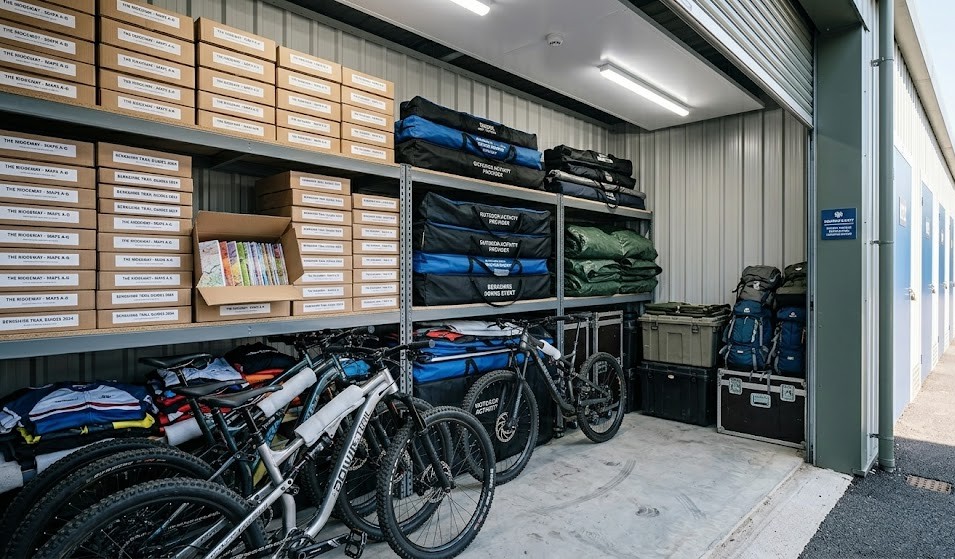
Working on a Vodafone contract in Newbury often means you’re here for three months, six months, or maybe a year. You’ve relocated from Manchester, Bristol, or even overseas. Your landlord back home needs the flat cleared, but you’re not ready to commit to a full move. Where does everything go?
This is the reality for hundreds of Vodafone contractors every year. You’re caught between two lives – the temporary assignment and the permanent home you’ll eventually return to. The furniture, the boxes of belongings, the tools you need for your next role but not this one – they all need somewhere secure, accessible, and flexible.
The typical contractor storage challenge isn’t about long-term archiving. It’s about maintaining control during a period of professional transition whilst keeping your options open. Vodafone contractor storage provides the flexibility you need without the commitment of traditional commercial storage.
Why Contractors Choose Temporary Storage
Most Vodafone contractors face a specific set of circumstances that make temporary storage essential rather than optional. You’ve accepted a contract that requires physical presence in Newbury, but your permanent residence is elsewhere. The maths simply doesn’t work to maintain two full households.
Bridging the gap between contracts becomes the primary concern. Perhaps you’ve finished a role in Reading and you’re starting in Newbury next month. Maybe you’re between a Vodafone contract and a position with another tech company. Your belongings need somewhere to live whilst you’re in transition.
The alternative – selling everything and rebuying – costs far more than a few months of storage. A decent sofa alone will set you back £800-£1,200. Multiply that across all your furniture, and you’re looking at thousands of pounds in unnecessary expense.
Furnished rentals near Vodafone’s offices are expensive and often include furniture you don’t want or need. Many contractors prefer to rent an unfurnished or part-furnished property and bring select items from storage – the desk setup that supports your work, the comfortable chair you actually want to sit in for eight hours, the kitchen equipment that makes cooking bearable.
Then there’s the practical reality of contract assignments that extend unexpectedly. You think you’re here for three months, then Vodafone extends to six, then twelve. Having your belongings in accessible storage means you can adapt quickly without scrambling to retrieve items from a friend’s garage 200 miles away.
What Contractors Typically Store
The storage needs of a Vodafone contractor differ significantly from someone moving house permanently or a business archiving old files. You’re storing the essentials of a functional life, not a lifetime’s accumulation.
Work equipment often tops the list. Monitors, ergonomic keyboards, standing desk converters, reference books, certification materials – the professional equipment that makes you effective in your role but that you can’t fit in a small rental. Many contractors maintain a “home office in a box” that moves with them from contract to contract.
Seasonal clothing and sports equipment rarely makes sense to transport for a temporary assignment. Your winter coat collection, skiing gear, or cycling equipment can stay in storage if your contract doesn’t span the relevant season. One contractor stored his entire road bike setup during a summer contract, then retrieved it when his role extended into autumn.
Furniture that bridges the gap between temporary and permanent living situations forms another category. Perhaps you own a quality mattress but your furnished rental includes a bed. Store the frame, use your mattress. Or keep your dining table in storage whilst using the landlord’s, then swap them when you extend your contract and want to feel more at home.
Personal items with emotional value but no immediate use – photo albums, inherited pieces, collections – these need somewhere secure but don’t need to travel with you. Think of storage as protecting the parts of your life that aren’t relevant to this specific chapter.
The items Vodafone contractors don’t typically store tell you as much as what they do. You’re not archiving decades of paperwork or storing an entire house contents. You’re curating a mobile professional life.
Choosing the Right Unit Size
Here’s where contractors often overspend or underestimate. The tendency is to either cram everything into the smallest possible space or to rent far more room than needed “just in case.”
25-35 sq ft suits minimal storage needs:
- A double mattress (stored on its side)
- 15-20 archive boxes of personal items
- Small furniture pieces like a desk chair or bedside table
- Work equipment in protective cases
- Seasonal clothing in wardrobe boxes
Think of it as the contents of a large bedroom, efficiently packed. If you’re arriving in Newbury with just your work essentials and plan to live minimally, this size works.
50 sq ft accommodates moderate requirements:
- A sofa or small dining set
- Multiple pieces of bedroom furniture
- 30-40 boxes of belongings
- Larger work equipment or multiple monitors
- Seasonal items and sports gear
One contractor used a 50 sq ft unit to store his entire one-bedroom flat’s contents whilst he completed an 18-month Vodafone assignment. He’d originally planned for six months, but when the contract extended, he retrieved some furniture to make his Newbury rental feel more like home whilst keeping the rest secure. When his contract ended, he had everything ready to move into his next permanent home without the stress of managing scattered belongings.
75-100 sq ft becomes necessary if you’re storing the contents of a two-bedroom property or if you have specialised equipment. Some contractors in technical roles store server equipment, testing rigs, or extensive reference libraries that require more space.
The key’s honest assessment. Measure your actual belongings, not your aspirations. Most contractors overestimate by about 25 sq ft because they imagine storing items they’ll actually sell or donate before moving.
Access Patterns That Match Contract Work
Vodafone contractors don’t access storage like traditional customers. You’re not popping in weekly to swap seasonal decorations or retrieve archived documents. Your access pattern follows a different rhythm.
Initial loading happens when you first arrive in Newbury or just before. You’re unloading a van or car, setting up your temporary life, and storing what you don’t immediately need. This is typically a one-time event requiring good vehicle access and enough time to organise properly.
Mid-contract adjustments come next. Perhaps your contract extends and you want to retrieve furniture to make your rental feel more permanent. Maybe the season changes and you need different clothing. Or you realise you do actually need that second monitor for a specific project. These visits are infrequent – monthly at most, often quarterly.
End-of-contract retrieval is the final major access point. You’re either moving everything to your next location or consolidating before returning home. This requires the same vehicle access and time as initial loading.
Personal storage facilities that understand contractor needs provide access hours that accommodate working schedules. You’re not free at 2pm on a Tuesday – you need evening or weekend access when you’re not at Vodafone’s offices.
Drive-up access becomes essential if you’re managing your own moves rather than hiring professional movers. Being able to reverse a van directly to your unit door saves hours of trolley work and reduces the risk of damage to equipment.
Some contractors prefer container storage for this exact reason – you can load directly from a vehicle without navigating corridors or lifts. If you’re storing furniture and larger items, the convenience justifies any slight cost difference.
Security Considerations for Professional Equipment
Contractors often store professional equipment worth thousands of pounds. Your laptop might travel with you, but monitors, docking stations, specialised testing equipment, and reference materials represent significant value. Don’t skip security considerations.
Individual unit alarms provide the first layer of protection. If someone attempts to access your unit without authorisation, the alarm triggers immediately. This isn’t just about theft prevention – it’s about knowing your professional tools are protected.
CCTV coverage throughout the facility adds another deterrent. Most storage facilities monitor access points, corridors, and the perimeter 24/7. Recorded footage provides evidence if anything does go wrong and discourages opportunistic theft.
Controlled access systems ensure only authorised people enter the facility. Personal PIN codes or key fobs mean there’s a record of every entry and exit. If you’re storing equipment for six months, you want to know exactly who’s been on-site.
Insurance becomes non-negotiable when you’re storing work equipment. Many contractors assume their contents insurance covers storage – it often doesn’t, or provides inadequate limits. Verify your coverage explicitly includes items in storage and matches the actual value of what you’re storing.
One contractor learned this lesson expensively when a leak damaged boxes of technical manuals and certification materials worth over £2,000. His home contents policy specifically excluded items in commercial storage facilities, and he’d assumed his gear was covered. The replacement cost came entirely from his pocket – money he could’ve saved by spending £15 monthly on proper storage insurance. He now advises other Vodafone contractors to check their coverage before their first day in storage.
Cost Management for Contract Duration
Storage costs for contractors need to make financial sense against the alternative of maintaining a full household or constantly moving items. The calculation’s straightforward but often overlooked.
Alternative costs comparison:
- Selling and rebuying furniture: £2,000-£3,000
- Shipping items back and forth: £500-£800 per move
- Renting a larger property to accommodate everything: £200-£400 extra per month
The storage cost’s the obvious winner. But contractors often fail to factor in the hidden costs of not having storage – the stress of scrambling to find temporary solutions, the rushed decisions about selling items you’ll regret losing, the imposition on friends and family.
Flexible contract terms matter significantly for contractors. You might think you need temporary storage for three months, then your Vodafone contract extends to twelve. Facilities that allow month-to-month arrangements after an initial term provide the flexibility that matches contractor realities.
Upfront payment discounts can reduce costs if you’re confident about your contract duration. Paying for six months in advance often saves 5-10% compared to monthly payments. But only commit if you’re certain – early termination fees can eliminate any savings.
Don’t forget the cost of getting items to storage. If you’re hiring a van, factor in £80-£120 for the day plus fuel. If you’re using a removal service, expect £200-£400 depending on volume. These one-time costs still keep the total well below the alternatives.
Packing Strategies for Temporary Storage
Contractors pack differently than people storing long-term. You’re not archiving items for years – you’re parking them for months. Your packing strategy should reflect this temporary nature whilst still protecting your belongings – think of it like packing for a long business trip where you need everything organised and easily accessible, not like sealing away family heirlooms.
Label obsessively. You think you’ll remember which box contains your HDMI cables and which has kitchen equipment. You won’t. Use a simple system: broad category on all four sides of the box, detailed contents list on top. When you need something mid-contract, you don’t want to open fifteen boxes to find it.
Pack by access frequency. Items you’re unlikely to need go to the back of your unit. Things you might retrieve – seasonal clothing, specific work equipment, that one reference book – stay near the front. One contractor created a “maybe” section right by the unit door for items he thought he might need during his contract.
Protect electronics properly. Monitors, printers, and other equipment need more than just a box. Original packaging’s ideal. If you don’t have it, wrap screens in bubble wrap, then blankets, then box them. Moisture-sensitive equipment benefits from silica gel packets – cheap insurance against humidity.
The packaging materials you need for contractor storage are straightforward: sturdy boxes in standard sizes, bubble wrap for fragile items, furniture covers for upholstered pieces, and mattress bags. Don’t economise on boxes – weak boxes collapse under stacking, and you’ll likely stack to maximise space.
Create an inventory spreadsheet. This sounds tedious until you’re six months into a contract and need to know if you stored your professional certifications or left them at your permanent address. A simple spreadsheet with box numbers and contents takes twenty minutes to create and saves hours of searching.
Photograph valuable items before storage. If you’re storing work equipment or furniture, quick photos provide documentation for insurance purposes and help you remember the condition of items when you retrieve them.
Making Storage Work with Contract Extensions
The most common contractor scenario isn’t the one you plan for – it’s the extension you didn’t expect. You arrive in Newbury for a three-month contract, settle into temporary accommodation, store your belongings, and then Vodafone extends your role.
Suddenly your storage needs shift. Items you thought you could live without for three months become necessities for six or twelve. The ability to access and adjust your storage becomes crucial.
Plan for flexibility from the start. Don’t pack your unit like a three-dimensional Tetris game where removing one item requires unpacking everything. Leave access corridors within your unit. Group related items together. Use shelving if the facility allows it – the vertical space costs nothing extra and makes selective retrieval far easier.
Keep a “transition box” near the front of your unit. This contains items that bridge temporary and permanent living – the extra kitchenware that makes cooking easier, the second set of work clothes, the books you want to read but didn’t initially bring. When your contract extends, you can grab this box without reorganising your entire unit.
Review your storage monthly for the first three months. Does the unit size still make sense? Are you accessing items more frequently than expected? Would moving to a slightly larger unit and bringing more items to your rental improve your quality of life? These decisions are easier to make early rather than six months in.
One software contractor initially rented a 25 sq ft unit for a “short” three-month Vodafone contract. When the role extended to eighteen months, he upgraded to 50 sq ft and retrieved his quality office chair, standing desk, and kitchen equipment. The improved living situation made the extended contract far more bearable – he stopped eating takeaways because he actually had proper cooking gear, and his back pain disappeared once he had his ergonomic setup. The additional £60 monthly storage cost was negligible compared to the quality-of-life improvement.
The Newbury Advantage for Vodafone Contractors
Location matters more than contractors initially realise. A storage facility 30 minutes away might seem acceptable until you’re making your third trip to retrieve forgotten items or dealing with end-of-contract logistics on a tight deadline.
Newbury’s position means contractors working at Vodafone’s offices can access storage without adding significant travel time. You’re not detouring across town or fighting through Reading’s traffic. Quick access becomes valuable when you’re juggling work demands with the logistics of temporary relocation.
Local knowledge from storage staff helps contractors navigate the practical challenges of temporary relocation. Which rental areas are convenient? Which removal companies are reliable? Where can you hire a van on short notice? This informal network of information saves time and stress.
Proximity to major transport routes matters when you’re eventually moving items to your next location. Whether you’re heading back to the M4 corridor, up to the Midlands, or across to the West Country, Newbury’s position makes logistics simpler.
For contractors who need to access work equipment or materials during their assignment, being close to Vodafone’s offices means storage access fits naturally into your routine rather than requiring dedicated trips.
When to Start Planning Storage
Most contractors start thinking about storage too late. You’ve accepted the Vodafone contract, you’re focused on finding accommodation, and storage becomes an afterthought. This creates unnecessary stress and often leads to suboptimal decisions.
Start planning storage simultaneously with accommodation. As soon as you know you’re relocating for a contract assignment, begin evaluating what you’ll bring, what you’ll store, and what you’ll sell or donate. This gives you time to make thoughtful decisions rather than rushed ones.
Book your unit before you arrive if possible. Knowing your storage’s arranged removes one variable from the already complex logistics of starting a new contract. You can coordinate your move-in date with your arrival in Newbury, potentially saving a trip.
Communicate with your landlord about move-out timing if you’re leaving a permanent residence. Some contractors maintain their permanent rental and store minimal items. Others give notice and store everything. The decision affects how much storage you need and when you need it.
Factor storage into your contract negotiations. If Vodafone’s relocating you for a specific project, storage costs are legitimate business expenses. Some contractors successfully negotiate storage reimbursement as part of their overall package. Even if you don’t, knowing the cost upfront helps you evaluate the contract’s true value.
Beyond Storage: Supporting Your Contractor Lifestyle
Storage solves the physical challenge of temporary relocation, but contractors face other practical considerations that affect quality of life during assignments.
Maintain connections to your permanent location. Regular trips home become easier when you’re not worrying about belongings scattered across multiple locations. Everything important’s either with you in Newbury or secure in storage – you’re not imposing on friends to check on items left in their garage.
Create a genuine temporary home rather than living out of suitcases. When you know your belongings are safe and accessible, you can focus on making your Newbury accommodation comfortable for the contract duration. This improves both your work performance and your overall wellbeing.
Build flexibility into your professional life. Contractors who master the logistics of temporary storage find it easier to accept opportunities in different locations. You’re not tied to one place by the physical burden of accumulated belongings.
The contractor lifestyle offers professional opportunities and financial rewards that permanent roles often can’t match. But it requires solving practical challenges that traditional employees never face. Temporary storage isn’t just about boxes and furniture – it’s about maintaining stability and control during periods of transition.
Making Your Decision
Choosing storage for a Vodafone contract assignment comes down to a few key questions. How long will you realistically be in Newbury? What items do you genuinely need versus what you can live without? What’s your budget for maintaining your belongings during the contract? How important’s easy access if your circumstances change?
The contractors who handle storage most successfully treat it as a professional decision, not a personal one. They evaluate costs against alternatives, choose facilities based on practical requirements rather than just price, and build flexibility into their arrangements.
Your Vodafone contract represents a professional opportunity. Don’t let the logistics of temporary relocation undermine your ability to focus on the work itself. Proper storage planning removes one significant source of stress and gives you the freedom to make your contract assignment successful.
Newbury Self Store understands that Vodafone contractors need storage that works around unpredictable assignment lengths, not the other way round. You need facilities where your professional equipment stays secure, your furniture remains accessible, and your belongings are protected whilst you focus on delivering value in your role. We know that contractor storage isn’t just about space – it’s about maintaining control during professional transitions.
Whether you’re in Newbury for three months or three years, contact us to discuss storage solutions that match your specific contract situation. We work with Vodafone contractors regularly and understand the unique requirements of temporary professional relocations. Your belongings deserve security and accessibility whilst you focus on your assignment.