 01635 581 811

Most businesses lose an average of 23 minutes per day simply retrieving stock from shelves. That is nearly two hours per week spent climbing ladders, shifting boxes, and navigating vertical racking systems. For operations handling high volumes or heavy items, this inefficiency compounds into thousands of pounds in lost productivity annually.
Ground level storage eliminates this friction entirely. When your inventory sits at floor height, accessible directly from a vehicle or pallet truck, every retrieval becomes a 30-second task instead of a five-minute expedition. This fundamental shift explains why container-based business container access has become the preferred solution for West Berkshire businesses prioritising operational speed over convenience assumptions.
The Hidden Cost of Vertical Storage Systems
Traditional self-storage units force businesses into vertical organisation by necessity. When you are working with a 3-metre ceiling and limited floor space, the only direction to expand is upward. This creates a cascade of inefficiencies that most operators accept as normal until they experience ground level storage as a genuine alternative.
I watched a building contractor spend 15 minutes locating a specific power tool buried three boxes deep on a top shelf. He knew exactly which unit it was in, but the physical act of safe retrieval (ladder positioning, box removal, descent, unpacking) consumed a quarter of his billable hour. Multiply this across a team making multiple trips weekly, and the cost becomes substantial enough to justify switching storage arrangements entirely.
The safety dimension matters equally. Manual handling injuries account for over 30 percent of workplace accidents reported to the Health and Safety Executive, with many occurring during awkward lifting or reaching movements. Every time staff climb to access stock, you are accepting an avoidable risk that business container access eliminates by design.
Why Container Storage Transforms Stock Management
Think of ground level storage like a library where every book sits on a table instead of shelves. You do not need a ladder, you do not need to move other items, and you can see everything at once. Container storage applies this principle to business inventory at a scale that transforms daily operations.
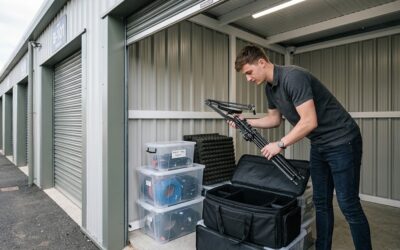
The physical design creates the advantage. Standard shipping containers offer 33 square metres of uninterrupted floor space with double-door access at ground level. You can drive a vehicle directly to the opening, load or unload using a pallet truck, and complete the entire operation without a single vertical lift that strains your team or slows your schedule.
A flooring supplier previously made six trips weekly to a traditional storage unit, spending roughly 40 minutes per visit navigating their vertically organised inventory. After transitioning to ground level storage, their average visit dropped to 12 minutes because they could reverse their van to the container, load directly from floor-stacked pallets, and leave without any of the previous physical effort.
Real Applications Across West Berkshire Industries
Retail businesses demonstrate perhaps the clearest use case for business container access. A garden centre client stores outdoor furniture, barbecues, and summer inventory in containers from October through March, accessing it monthly for condition checks. When spring arrives, they reverse a delivery vehicle to the container twice weekly, loading stock directly for transport to their retail location with a single staff member rather than the previous two-person operation.
Trade contractors face different pressures but find similar solutions in ground level storage. One electrical contractor keeps backup stock of common components (consumer units, cable reels, conduit) in a container. When his van stock runs low, he restocks in one efficient visit rather than making emergency trips to suppliers or keeping excessive inventory in his vehicle at all times.
Newbury Self Store works with several online retailers who use containers as mini-distribution centres, storing inventory at ground level organised by product category or dispatch frequency. The workflow becomes remarkably efficient: arrive with picking list, load orders directly into the vehicle using the full container width, and proceed to the courier depot without stairs, lifts, or wasted movement.
The Loading Bay Advantage
Professional warehouses invest heavily in loading bays because they understand the value of protected, vehicle-height transfer points. Container storage replicates this business container access advantage at a fraction of the cost and without the long-term property commitment.
Weather protection matters significantly when transferring stock. With containers offering drive-up access, you create a weather-protected transfer zone simply by reversing your vehicle to the doors. I have seen businesses complete entire restocking operations during heavy rain without a single item getting wet, purely because the vehicle and container created a continuous dry space that the previous arrangement could not provide.
The width of container doors (typically 2.3 metres) accommodates pallet trucks, trolleys, and hand trucks without the manoeuvring challenges of narrow storage unit corridors. For businesses receiving supplier deliveries, this ground level storage configuration allows direct transfer from delivery vehicle to container, consuming neither valuable business premises space nor staff time on unnecessary handling stages.
Space Planning for Ground-Level Efficiency
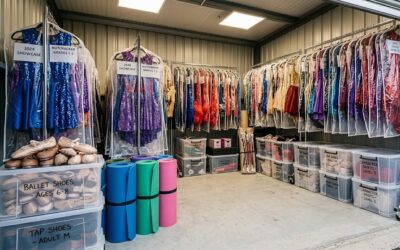
Maximising ground level storage requires different thinking than vertical systems. The fundamental principle involves positioning your fastest-moving stock nearest the doors. Items accessed weekly go in the front third of the container, monthly items in the middle, and quarterly or seasonal stock at the back. This zoning minimises how far you venture into the space for routine operations.
Standard UK pallets (1200mm x 1000mm) fit six across the width of a 20-foot container with walking space, or you can stack them two-high for double capacity whilst maintaining business container access via pallet truck. For businesses with varied inventory, shelving units designed for ground-level access keep everything within 1.5 metres height rather than building to the ceiling, preserving safety and speed throughout.
Calculate your space requirements by laying out your inventory virtually. Most businesses discover they need less floor space than they imagine because ground level storage enables denser, more organised layouts. When every square metre is accessible without ladder or manoeuvring, you achieve higher practical density than traditional racking ever allows.
Security and Environmental Considerations
Ground level storage raises legitimate security questions that container storage addresses through design and site-level measures. Modern storage containers feature lockbox protectors that prevent bolt-cutter attacks, whilst facilities provide perimeter security, lighting, and CCTV coverage across the compound.
The security advantage actually increases compared to traditional units in some respects. Because containers are individual structures rather than internal rooms, there is no shared access corridor where unauthorised individuals might loiter undetected. You drive directly to your unit, conduct your business, and leave without passing through areas shared with other customers.
For businesses storing climate-sensitive inventory, insulation or climate control equipment can integrate into container space. A wine merchant uses an insulated container with a small air conditioning unit to maintain stable conditions for premium stock, creating a controlled ground level storage environment at a cost that would be impractical in a traditional unit arrangement.
Calculating Your Return on Investment
Assessing whether ground level storage suits your operation starts with analysing your current access patterns honestly. Track how much time your team spends retrieving stock over a typical week. If the answer exceeds two hours, you are almost certainly experiencing the inefficiency that business container access eliminates through better design.
If staff billing at £50 per hour spend five hours monthly wrestling with storage access, that is £250 in direct monthly opportunity cost before any productivity multiplier effect across the team. Over a full year, even modest storage cost differences become irrelevant compared to the productivity recapture that ground level storage delivers.
Store trade supplies at floor height and the time saved compounds daily rather than appearing as a single dramatic transformation. Consider starting with a partial transition: move your highest-access items to ground level container storage whilst maintaining existing arrangements for archived or seasonal stock. This validates efficiency gains before committing fully to the operational change.
Implementation Details That Compound Into Gains
Placing your most-used items within arm’s reach of the container doors can save 30 seconds per retrieval, which becomes 25 minutes weekly for a business making 50 access trips. Clear sightlines at ground level mean you can use visual management techniques (colour coding, zone marking, inventory maps) that would be impractical in cramped vertical storage.
Many businesses create a loading zone just inside the container entrance as a staging area where you can prepare orders, consolidate items, or temporarily hold stock during reorganisation. For operations requiring packing materials alongside inventory, storing these at ground level alongside stock streamlines the dispatch process entirely.
Vehicle access patterns deserve consideration during setup. Ensure you can reverse safely to your container without blocking other units or creating traffic flow issues. Most facilities design business container access arrangements with this operational reality in mind, but confirming logistics before committing prevents headaches later.
The Broader Business Impact
The efficiency gains from ground level storage extend beyond simple time savings into areas that directly affect revenue and reputation. When staff complete storage tasks quickly and safely, morale improves measurably. Nobody enjoys climbing ladders or wrestling with awkward loads, and eliminating these frustrations from regular operations creates a better work environment that staff notice and appreciate.
A building merchant reported that switching to ground level storage allowed them to offer same-day delivery on a wider range of products because stock retrieval no longer created bottlenecks in the fulfilment process. For personal storage users who also manage business inventory, separating the two into dedicated ground level arrangements keeps both organised and accessible without compromise.
The modular scalability of container storage means adding another container as inventory expands rather than reorganising an entire vertical racking system. A landscaping company might use one container year-round for equipment, then add a second from March to October for seasonal stock, paying only for the space they need when they need it whilst maintaining consistent ground level storage access across all inventory.
Ground level storage represents more than a physical configuration; it is a fundamental rethinking of how businesses interact with their inventory. The investment required is modest compared to the returns, and the operational benefits compound daily. For expert guidance on implementing ground level storage solutions tailored to your specific operational needs, call 01635 581 811 or speak to our business team to discuss your requirements.