
 01635 581 811
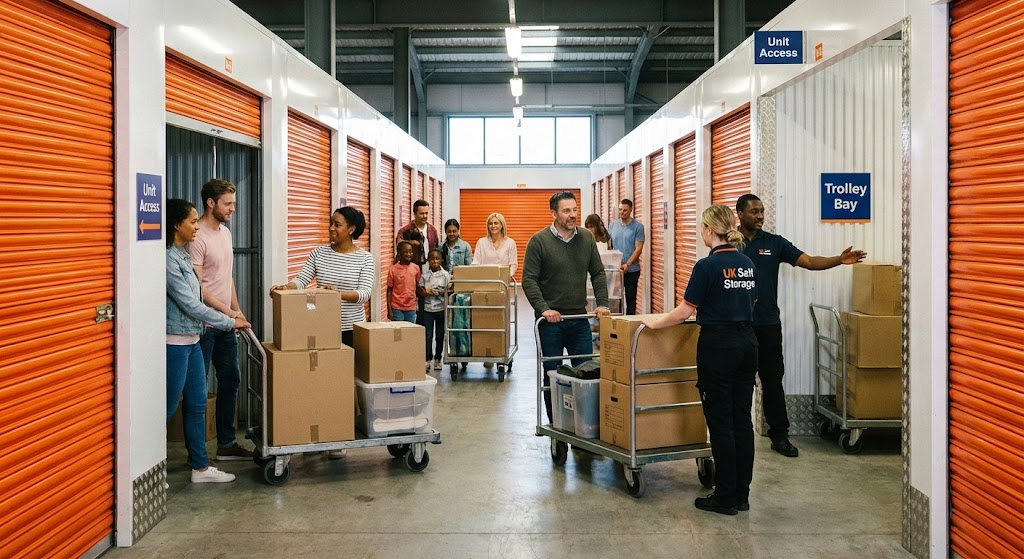
When you think about the environmental movement and reducing your impact, self-storage might not be the first thing that springs to mind, but the connection is powerful. In an era focused on reducing consumption, embracing reuse, and managing resources responsibly, secure storage facilities play a surprisingly critical role. By offering a vital service that extends the utility and lifespan of personal and commercial goods, storage directly supports the circular economy and the emerging green business economy.
Understanding this connection helps you see your storage unit as an active part of your sustainable efforts, not just a holding place. It’s about making an informed choice that aligns with your environmental values while providing the space you need.
The Link Between Storage and Sustainability
You might be wondering how keeping stuff in a box helps the planet. The answer is simple: storage helps avoid wastefulness and the costly cycle of replace-and-repurchase. Instead of binning perfectly good furniture, clothes, or equipment because there’s no room for them right now, storing items for later use becomes possible. This simple choice is fundamental to a more responsible economic model.
It’s about extending the life cycle of belongings and enabling intelligent reuse across generations. That old, solid dining table might not fit in a new flat, but it could be perfect for a son or daughter when they move into their first home. Storing it safely keeps it out of a landfill and saves buying a new, resource-intensive item down the line.
Think of it like hitting pause on possessions instead of hitting the delete button. By consciously choosing to hold onto items for future use, market demand for new manufacturing decreases directly, which often has a high carbon footprint.
Key benefits include:
- Storage prevents waste by extending the life cycle of goods
- It allows for future reuse of items that might otherwise be discarded
- This reduces demand for new products, saving resources and energy
How Self-Storage Promotes a Sharing Economy
The rise of the sharing economy is all about making the most of what already exists, and self-storage slots right into that picture perfectly. The concept shifts value from individual, permanent ownership to shared, temporary access. This is particularly valuable for items that are used infrequently but are too large or expensive for everyone to own.
Think about professional-grade landscaping tools, for example. Instead of every household needing a high-powered pressure washer or a rotavator that sits idle for most of the year, a group of neighbours or a small community cooperative could share one. They can store it in a conveniently located unit, making it accessible to the group on demand.
This model is particularly relevant for seasonal equipment like skis, camping gear, or even specialist hobby gear. Storing these items during the off-season frees up valuable space at home and makes them readily available for the next adventure without imposing clutter. This approach allows companies to operate leanly, becoming a key component of the evolving green business economy. Smaller companies can store expensive, non-daily-use equipment and archived files through efficient business storage solutions.
Key advantages:
- Storage facilitates the sharing of resources among communities
- It enables access to items without the need for individual ownership
- This reduces the overall consumption of new goods and lowers environmental impact
Sustainable Practices in Storage Facilities
For storage to truly contribute to a sustainable economy, the facilities themselves need to be eco-conscious. A responsible storage provider takes active steps to minimise its own environmental footprint. This focus ensures that the solution chosen aligns with a commitment to greener living.
It’s about understanding that a large facility has an obligation to be energy efficient and to manage its resources intelligently.
Commitment to Energy Efficiency and Waste Reduction
Sustainable storage facilities implement tangible measures that make a real difference:
Energy-efficient lighting: Swapping out old bulbs for motion-sensing LED systems makes a big difference in common areas and corridors, reducing power consumption drastically.
Solar panels: Generating renewable energy on-site via solar panels reduces reliance on the conventional power grid and lowers the facility’s carbon emissions.
Climate control: Properly insulated, modern units minimise the energy needed for heating and cooling, which is essential for protecting sensitive items while maintaining sustainability goals.
Recycling programs: Encouraging tenants to recycle their old packaging supplies and unwanted items is crucial. This initiative helps ensure cardboard boxes, plastics, and paper don’t end up in landfills during the moving process.
It’s about making sure that the storage process itself isn’t adding to the problem. Look for facilities that are actively trying to minimise their environmental footprint through smart, practical design choices that benefit both the customer and the planet.
The Role of Storage in Reducing Waste
Consider the emotional side of downsizing or major decluttering. Years of memories are packed into furniture and boxes, and the pressure to dispose of items quickly is immense. When people are under stress, they often make impulsive decisions, and those unwanted but still useful items often end up at the local tip.
Storage gives time to make considered decisions rather than rushing to waste perfectly good resources. Think of a storage unit as a holding bay for consumer goods, just like a good book needs time on the shelf before it finds its next reader. Personal storage provides a necessary buffer against impulsive disposal, which is a big win for sustainability.
Items can be safely kept until the decision is made to pass them on to family, sell them online, or upcycle them into something new. This ensures they find a new home rather than ending up in a landfill.
Important points:
- Storage prevents impulsive disposal of unwanted items
- It provides a buffer to make considered decisions about reuse or donation
- This reduces the amount of waste sent to landfills
Choosing a Sustainable Storage Facility
Finding sustainable storage facilities that are doing their bit for the planet and offering genuine eco-friendly storage requires research. Being an informed customer means looking beyond the price tag to the provider’s operational ethos. A reputable provider will be transparent about their efforts and their facility standards, reflecting the trustworthiness deserved.
Here are a few things to look out for:
Green certifications: Look for facilities that have been recognised for their environmental efforts or clearly advertise energy-saving features.
Energy-saving features: Do they use LED lighting, have appropriate insulation, or utilise renewable energy sources like solar panels?
Recycling programs: Do they encourage tenants to recycle their cardboard, paper, and plastic packing materials?
Location: Choosing a facility close to home or business reduces the transport emissions associated with accessing the unit.
Don’t be afraid to ask questions. A forward-thinking storage provider will be happy to discuss their sustainability initiatives. Container storage might be worth considering if storing a significant volume of durable items, as these robust units often offer exceptional space efficiency and longevity compared to building conventional warehousing.
Consider the case of Sarah, a small business owner struggling with storing her seasonal stock. Instead of renting a larger, permanent office space, which would have doubled her heating and lighting footprint, she opted for a storage unit in Newbury. This allowed her to efficiently manage her inventory without the overhead of a bigger office, significantly reducing her business’s operational carbon footprint and saving money. By choosing this path, she found an efficient, sustainable way to scale her operations while participating in the green business economy.
Selection criteria:
- Look for green certifications and energy-saving features
- Enquire about recycling programs and location
- Choose a provider committed to sustainability
Next Steps for Sustainable Storage
So, you’re now clued up on how storage facilities can play a part in a sustainable economy. What’s the next step in securing a sustainable storage solution? Making a conscious choice starts with preparation and selecting the right partner.
Before even thinking about storage, declutter responsibly. Donate or sell anything genuinely no longer needed. When space is required, pick a facility with a strong commitment to sustainability.
Then, pack smart: use recycled or reusable packing materials, and label everything clearly. Newbury Self Store provides all the necessary supplies right on-site to help start the packing process efficiently.
By making conscious choices about how belongings are stored, everyone can contribute to a more sustainable future and the growth of the green business economy. If you’re looking for secure, efficient storage solutions, don’t hesitate to get in touch to discuss your options and receive a quote for a secure, efficient unit today.