
 01635 581 811
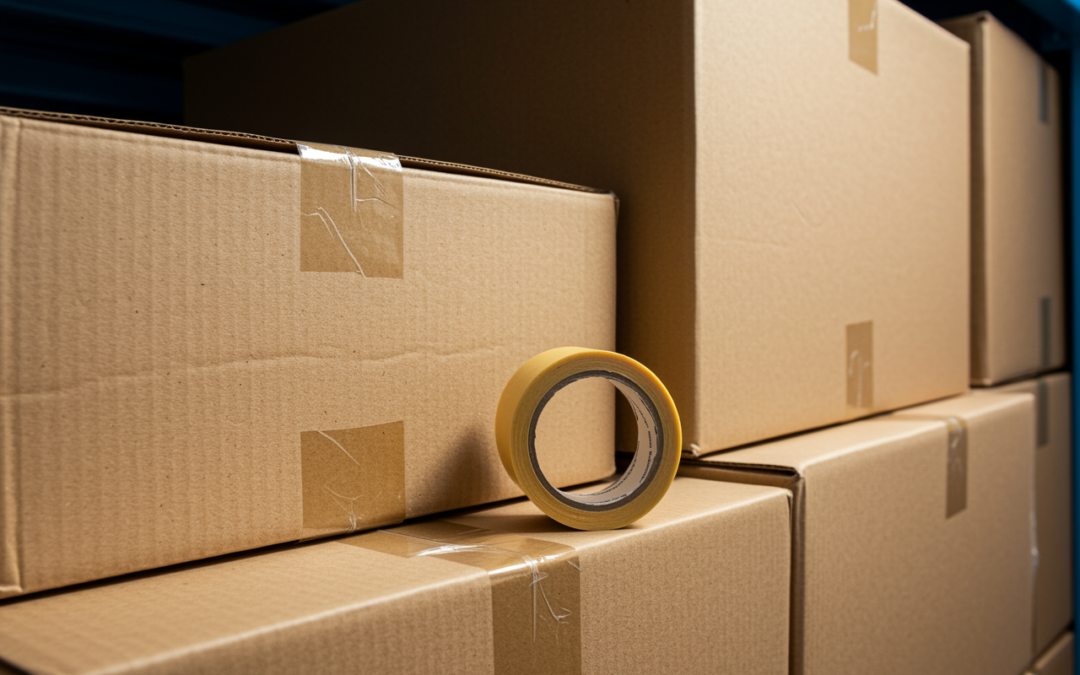
Choosing the right packing materials isn’t just about protecting belongings anymore. It’s about making decisions that reflect values while ensuring items arrive safely in storage. Standing in front of shelves of boxes and bubble wrap, the origin and sustainability of those materials might not be the first thought, but it should be.
The packaging industry has undergone a quiet revolution. UK manufacturers have responded to both environmental concerns and practical demands by developing sustainable packing boxes UK customers can trust without choosing between protecting grandmother’s china and protecting the planet. These aren’t compromise solutions. They’re better products.
Why UK-Manufactured Packaging Makes A Difference
British-made packing materials travel shorter distances to reach Newbury, which means lower carbon emissions before they even arrive. That’s the obvious benefit. But there’s more to it than transport miles.
UK manufacturers operate under some of the strictest environmental regulations in the world. Buying boxes made in Britain means getting products from factories that must meet rigorous standards for emissions, waste management, and energy efficiency. Compare that to imported alternatives where oversight varies wildly, and the choice becomes clearer.
Quality control is another factor that often gets overlooked. A storage box manufactured in the UK undergoes consistent testing to meet British and European standards. That box needs to hold 20 kilograms of books without collapsing. It needs to stack six high without crushing. It needs to protect contents from dust and moisture. When these standards slip, stored items pay the price.
Think of it like buying a winter coat. The cheapest option available, shipped from halfway around the world, might look the part. But something made locally, designed for British conditions, backed by manufacturers who understand exactly what’s needed, will serve better. The same logic applies to storage materials.
The Environmental Case For Local Manufacturing
A scenario many Newbury residents face: preparing to store personal belongings from a three-bedroom house while between properties. That means roughly 50 boxes, multiple rolls of bubble wrap, packing tape, and protective covers for furniture. If those materials have travelled from Asia, the carbon footprint of a “temporary” storage solution just became permanent.
UK-manufactured packaging typically generates 60 to 70% less transport-related emissions compared to imported alternatives. That’s not a marginal difference. That’s substantial.
Sustainability goes deeper than shipping distances. British manufacturers increasingly use post-consumer recycled content in their products. The cardboard box being packed with kitchen items might contain 80 to 90% post-consumer recycled content, processed at UK recycling facilities. Post-consumer recycled content creates a closed-loop system: old boxes become new boxes, keeping materials in circulation rather than in landfills.
Consider the full lifecycle. When unpacking eventually happens, UK-made boxes are easier to recycle locally. They’re designed to meet British recycling standards, which means they break down efficiently in UK facilities. Imported packaging sometimes contains materials or adhesives that complicate recycling, ending up in general waste despite best intentions.
Quality That Protects What Matters
Too many storage disasters are caused by substandard packaging. A family stores their belongings for six months using the cheapest boxes available online. When they return, the boxes have collapsed under their own weight, crushing photo albums and damaging electronics. The money saved on packaging becomes insignificant compared to the cost of replacement and the loss of irreplaceable items.
British-manufactured storage boxes are engineered for stacking. They’re not just containers; they’re structural elements. When six boxes stack high in a storage unit, the bottom box bears significant weight. UK manufacturers design for this reality, using double-walled cardboard with reinforced corners.
The packaging materials available from reputable suppliers aren’t generic products. They’re specifically designed for storage conditions: environments where boxes might sit untouched for months, where temperature fluctuations occur, where items need long-term protection rather than short-term transit coverage.
A practical example illustrates the difference: bubble wrap manufactured in the UK typically uses thicker plastic with better air retention. Cheap imported alternatives often lose their cushioning properties within weeks as air slowly leaks from the bubbles. Items are packed carefully, apparently well protected, but three months later the bubble wrap has deflated and everything is vulnerable.
Supporting Local Economy While Protecting Your Belongings
Choosing UK-manufactured packaging supports British jobs and manufacturing capabilities. That might sound like a secondary benefit, but it has practical implications for customers.
Local manufacturers respond faster to market needs. If there’s a shortage of specific box sizes or a quality issue emerges, UK companies can adapt quickly. They’re accountable to British consumer protection laws. They maintain customer service teams in compatible time zones.
There’s also an element of supply chain resilience. Recent global disruptions demonstrated the vulnerability of relying entirely on imported goods. When shipping containers were stuck at ports worldwide, UK manufacturers kept producing. That reliability matters when facing a moving deadline or needing to store items urgently.
The economic multiplier effect is real. Money spent on British-made packaging circulates through the UK economy, paying British workers, supporting British suppliers, and generating tax revenue that funds services. It’s practical economics that benefits the community, and the supply chain resilience it builds protects everyone involved.
What To Look For In Sustainable Packing Materials
Not all packaging labelled “eco-friendly” delivers on that promise. Some manufacturers engage in greenwashing, making environmental claims that don’t withstand scrutiny. What actually matters when selecting sustainable packing boxes UK retailers stock for personal storage or business storage needs comes down to specifics.
Post-consumer recycled content percentage should be clearly stated. Look for materials containing at least 70% post-consumer recycled content. This means the cardboard comes from items that were actually used and recycled, not just manufacturing waste.
Recyclability after use is equally important. The packaging should be fully recyclable in standard UK kerbside collection. Avoid materials that require specialist recycling facilities most people can’t access.
FSC certification on paper-based products indicates responsible forestry practices. The EU Ecolabel is another reliable indicator of genuine environmental standards.
Durability shouldn’t be sacrificed. Sustainable packing boxes UK manufacturers produce must also protect belongings effectively. Packaging that fails isn’t sustainable; it just means buying replacement items.
Practical Applications For Different Storage Needs
The right packaging varies depending on what’s being stored. A student packing up their accommodation for summer requires different materials than a business storing archived documents or a family protecting heirlooms during a house renovation.
For household items, double-walled cardboard boxes are essential for anything heavy. Books, kitchenware, and tools need that extra strength. UK manufacturers produce double-walled cardboard boxes specifically rated for different weight categories. A box marked for 20kg shouldn’t hold 30kg, regardless of whether it physically fits.
Fragile items need multiple layers of protection. Start with acid-free tissue paper for delicate surfaces (particularly important for antiques or photographs), add bubble wrap for cushioning, then place items in appropriately sized boxes with void fill to prevent movement. UK-manufactured acid-free tissue paper won’t yellow or damage items over time.
Business storage often involves documents requiring long-term archival. British-made archive boxes use acid-free materials that won’t degrade paper over years of storage. Combined with acid-free tissue paper for separating delicate pages, these products provide archival-grade protection. They’re designed to stack uniformly, maximising space while maintaining structural integrity.
Furniture protection requires breathable covers, not plastic sheeting. UK manufacturers produce furniture covers in cotton or polypropylene that allow air circulation, preventing moisture buildup that causes mould. Plastic sheeting traps moisture, a common mistake that ruins perfectly good furniture.
The Real Cost Of Cheap Packaging
Buying cheap packaging is like buying cheap tyres for a car. Yes, they’re round. Yes, they technically work. But when conditions get challenging, when they’re needed most, they fail. And the consequences are expensive.
I once worked with a small e-commerce business that stored seasonal inventory using the cheapest boxes they could source online. They saved £200 on packaging. Six months later, when they retrieved their stock for the Christmas season, 30% of their inventory was damaged because boxes had collapsed and crushed contents. The loss exceeded £3,000. That’s not frugal; that’s expensive.
Quality UK-manufactured packaging costs more upfront. That’s undeniable. But the true cost includes replacement costs for damaged items, time spent dealing with insurance claims, peace of mind knowing belongings are properly protected, and the environmental impact of replacing damaged goods. When those numbers are calculated honestly, premium packaging often works out cheaper.
Supporting Sustainable Choices Through Quality Materials
At Newbury Self Store, selecting sustainable packaging becomes easier when working with a storage provider that prioritises these values. Access to quality materials removes the guesswork and research burden.
The materials available through the packaging shop are selected specifically for storage applications. They’re not generic moving boxes repurposed for storage. They’re designed for the unique demands of items sitting in a unit for weeks, months, or years.
The difference quality makes is clear in practice. Customers who use proper materials rarely experience damage. Those who cut corners on packaging frequently return with regrets. It’s a pattern that’s played out hundreds of times, and it’s why the products stocked are carefully chosen.
Climate-controlled units work best with proper packaging. Even in controlled environments, items need appropriate protection. Cardboard boxes regulate moisture better than plastic bins for many applications. UK-manufactured cardboard performs this function reliably because it’s designed for British humidity levels. Choosing sustainable packing boxes UK manufacturers design for these specific conditions makes a measurable difference.
Making The Sustainable Choice Practical
Sustainability can’t be theoretical. It needs to work in practice, fitting into budgets and timelines while delivering real environmental benefits. Making that happen when preparing items for storage comes down to practical steps.
Buy the right quantity. Overbuying packaging wastes resources even if the materials are recyclable. Underbuying means emergency purchases of whatever’s available, often lower-quality imports. Taking time to inventory what’s being stored and calculate needs accurately prevents both. Most storage providers, including those offering container storage for larger needs, can help estimate quantities.
Reuse where possible. Sturdy boxes from previous moves or deliveries should be inspected carefully. If they’re still structurally sound, use them. Sustainability isn’t always about buying new eco-friendly products; sometimes it’s about extending the life of what already exists.
Recycle properly after use. Break down boxes flat, remove tape and labels where possible, and ensure they go into recycling streams. UK-manufactured packaging is designed for British recycling systems, so it processes efficiently.
Consider renting reusable containers for short-term storage. Some situations don’t require owning the packaging. Reusable plastic crates work well for frequent moves or temporary storage, though they’re less suitable for long-term storage where cardboard’s breathability becomes important.
The Future Of Storage Packaging
Innovation in packaging materials continues accelerating. UK manufacturers are developing bio-based bubble wrap alternatives, mushroom-based protective packaging, and cardboard composites that match plastic’s protective properties without the environmental cost.
These aren’t distant possibilities. They’re entering the market now. Within five years, the packaging landscape will look substantially different, with materials that biodegrade safely, perform better, and cost less than current options.
Supporting UK manufacturers today helps fund this innovation. British companies investing in sustainable packaging research need viable markets to justify those investments. Purchasing decisions influence what gets developed and scaled.
Making Your Decision
Standing in a storage facility or shopping online for packing materials, the choice isn’t complicated. UK-manufactured, sustainable packing boxes UK customers increasingly prefer protect belongings better, support local manufacturing, reduce environmental impact, and often prove more economical over time.
It’s not about perfection. It’s about making better choices when they’re available and practical. Sometimes imported materials are necessary because UK alternatives aren’t available in the right size or specification. That’s fine. But when the choice exists, the British-made, sustainable option is almost always the better decision.
Belongings matter. The care taken in protecting them reflects their value. Using quality materials isn’t excessive; it’s appropriate. And when those quality materials also happen to be better for the environment and the local economy, the decision becomes straightforward.
For guidance on the right materials for specific storage needs, call 01635 581 811 or get in touch for practical advice on what works for different items and storage durations. Sustainable choices shouldn’t feel like sacrifices. When done right, they’re simply better choices that happen to align with values.