
 01635 581 811
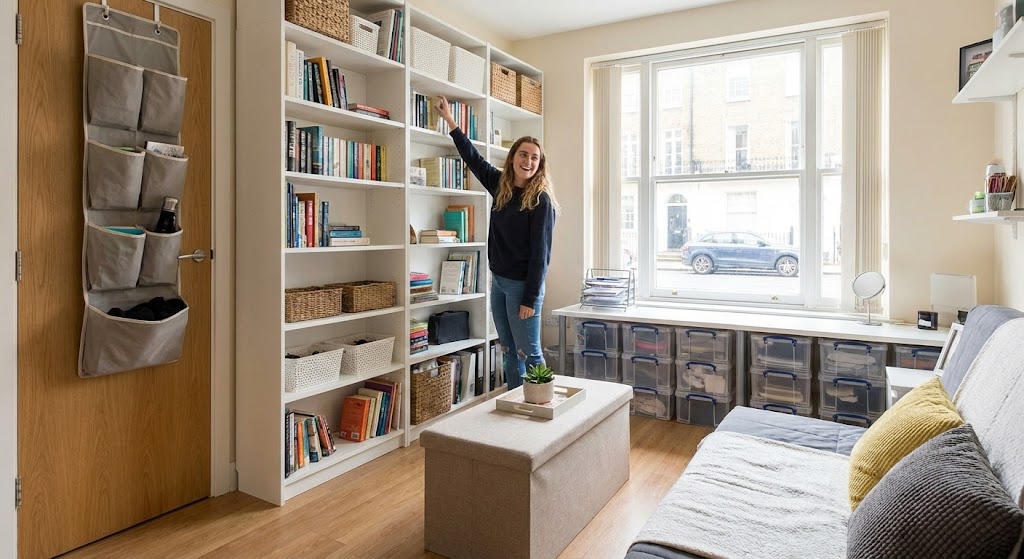
University life brings excitement, new friends, and demanding studies, but also, often, surprisingly tiny living quarters. Juggling heavy textbooks, seasonal clothing, kitchen essentials, and study materials in a cramped student flat is a universal challenge. The goal isn’t just to fit everything in; it’s to create an environment where you can actually focus, relax, and thrive. You don’t have to live in a state of constant chaos or clutter.
With a bit of strategic planning and the right solutions, you can transform your small space into a functional, organised, and even stylish home. This transformation starts with understanding how to maximise every square inch of your room, from the floor to the ceiling. It involves adopting a minimalist mindset and, ultimately, knowing when to call in backup. For many students who return home for the summer or take a gap year, tiny apartment organization paired with flexible student apartment storage from Newbury Self Store is the most practical and cost-effective answer.
Conquering Clutter Room by Room
The key to mastering small-space living is to think vertically and multi-functionally. In a small student apartment, every surface, wall, and unused corner is a prime opportunity for storage.
Maximising Dorm and Bedroom Space
Your bedroom or studio area should be your sanctuary, yet it often becomes the biggest casualty of clutter. The area beneath your bed is, without doubt, your best friend. Instead of haphazard boxes, invest in sturdy, rolling under-bed containers to keep items like clothes, shoes, or spare bedding neatly out of sight. A bed frame with built-in drawers can be a game-changer, providing deeper, more discreet storage without sacrificing style.
Look upwards to exploit the wall space. Floating shelves installed above your desk or bed can hold books, supplies, or decorative elements without eating into valuable floor area. Over-the-door hooks are simple yet effective for hanging dressing gowns, towels, or laundry bags, keeping floors clear and accessible.
Kitchen Logistics and Culinary Calm
Student flat kitchens are often miniature, making efficient organisation non-negotiable. To maximise your limited cupboard space, use stackable, clear containers for dry food and spices; they keep items fresh and allow you to quickly take inventory. This approach is ideal for managing shared cupboard space and preventing unnecessary duplicate purchases.
A small, rolling kitchen cart is a highly versatile investment. It can serve as extra counter space for food prep, or be used to hold your microwave, small appliances, or cutlery trays. Wall-mounted racks for spices, mugs, and utensils instantly free up precious drawer and counter surfaces, turning vertical space into functional storage.
Living Area and Study Nook Setup
If your accommodation includes a separate living area, multi-functional furniture is essential to avoid crowding the space. Consider a coffee table with hidden storage compartments, perfect for keeping remote controls and magazines tucked away, or an ottoman that doubles as extra seating and a blanket chest.
For books and study materials, a tall, narrow shelving unit is generally better than a wide, short one. It saves floor space while providing maximum display and organisation potential. For shared flats, separate cubbies or personalised storage boxes can define boundaries and reduce arguments over whose belongings are where.
Essential Smart Storage Investments
To make the most of your small area, there are a few key products designed specifically to shrink your footprint and boost organisation.
Vacuum Storage Bags: These are perfect for dealing with bulky, seasonal items. They compress thick duvets, spare pillows, and large winter coats down to a fraction of their original size, making them easy to slide under a bed or into a wardrobe.
Hanging Wardrobe Organisers: These fabric or plastic shelves hang inside your wardrobe, using vertical space efficiently for folded clothes, shoes, or accessories, immediately doubling your shelf capacity.
Collapsible Storage Boxes: These sturdy boxes can be used for everyday organisation, but fold completely flat when empty. They’re ideal for temporary needs, such as carrying laundry or storing items you only use once a term.
The Art of Decluttering Before You Organise
Before buying a single storage box, the most critical step is ruthless decluttering. Think of this process like editing a massive university essay; you must cut out every unnecessary, redundant, or outdated sentence to make the whole piece stronger and clearer. Similarly, you need to be uncompromising about removing items that no longer serve a purpose.
Start by sorting items into three piles: Keep, Donate/Sell, and Throw Away. If you haven’t used an item in over a year, or if it doesn’t bring you joy or utility, it shouldn’t be taking up prime real estate in your tiny apartment. Making a comprehensive inventory list of the items you decide to keep will also make packing and storing significantly easier later on.
When Self-Storage Becomes the Flexible Solution
Sometimes, no amount of clever shelving can fix the issue, you simply have too much stuff for the space available. This often happens between academic years, when students move out for the summer break, travel, or transition between houses. For these situations, flexible personal storage offers an affordable and highly convenient alternative to lugging boxes hundreds of miles home only to bring them back again a few months later.
For example, two friends, Chloe and Ben, were both moving out of their shared flat for the summer but couldn’t take all their kitchen gear and winter sports equipment home. They opted to share one of the smaller secure storage units near Newbury. They split the cost, packed everything safely, and returned at the start of the autumn term to find all their belongings exactly as they’d left them. This flexible option gave them complete peace of mind and saved them the heavy lifting.
Choosing Secure Student Apartment Storage in Berkshire
If you’ve decided self-storage is the right choice for your needs, selecting the correct unit is vital. Your choice should depend on the volume of items, the length of the storage period, and your budget.
Finding the Right Unit Size
A wide selection of unit sizes is available, from small lockers suitable for a few boxes of books and clothes to larger 50 sq ft units. But what about the bulkier items? A useful analogy is to compare unit sizes to familiar rooms. A small 15 sq ft unit is roughly the size of a telephone box and can hold about 20 moving boxes. If you have significant furniture or multiple large boxes, you might want to consider external large outdoor container storage, which offers generous capacity and easy drive-up access for loading.
Security and Access for Peace of Mind
The most important factor, especially for students storing valuable items like electronics, research papers, or sentimental belongings, is security. State-of-the-art security features are essential, including 24/7 CCTV monitoring, robust access controls, and highly secure perimeter fencing. You’re the only person who holds the key or access code to your unit, ensuring that your items remain protected until you need them again.
Contracts and Cost-Saving Tips
Students need flexibility, which is why looking for providers that offer flexible contracts with no long-term commitment is crucial. This means you can rent a unit for a few weeks over the holidays or for a full summer, paying only for the time you actually use.
Here are a few ways students can save money on storage:
- Share a Unit: Splitting a larger unit with a trusted friend can halve the monthly cost while providing ample room for both sets of belongings.
- Declutter First: Reducing the volume of your items means you can rent a smaller, cheaper unit.
- Use Proper Packing Materials: Investing in quality packing supplies like sturdy moving boxes and bubble wrap protects your items and prevents having to re-buy damaged goods later.
Expert advice is invaluable when choosing the right tiny apartment organization strategy. Storage professionals understand that student budgets are often tight and can help you find the most affordable options, providing honest guidance about unit sizing and contract terms.
Final Key Takeaways
Creating a functional and organised student living space is entirely achievable through strategic thinking.
Vertical Thinking: Use shelves, hanging organisers, and hooks to exploit wall space and maximise storage capacity.
Multi-Functional Furniture: Invest in items that serve more than one purpose, like storage ottomans or rolling carts.
Ruthless Decluttering: Eliminate non-essential items before moving or organising to reduce clutter from the start.
Strategic Self-Storage: Use flexible, secure storage units for seasonal items, summer breaks, or when travelling abroad, especially if you’re near Newbury.
Preparation is Key: Pack carefully using appropriate materials to protect items whilst they’re stored.
Ready to transform your tiny apartment or secure your items for the summer break? It all starts with the right plan. If you have questions about the perfect unit size or need more details on access, contact the team for personalised advice on student apartment storage solutions that fit your specific needs and budget.