
 01635 581 811
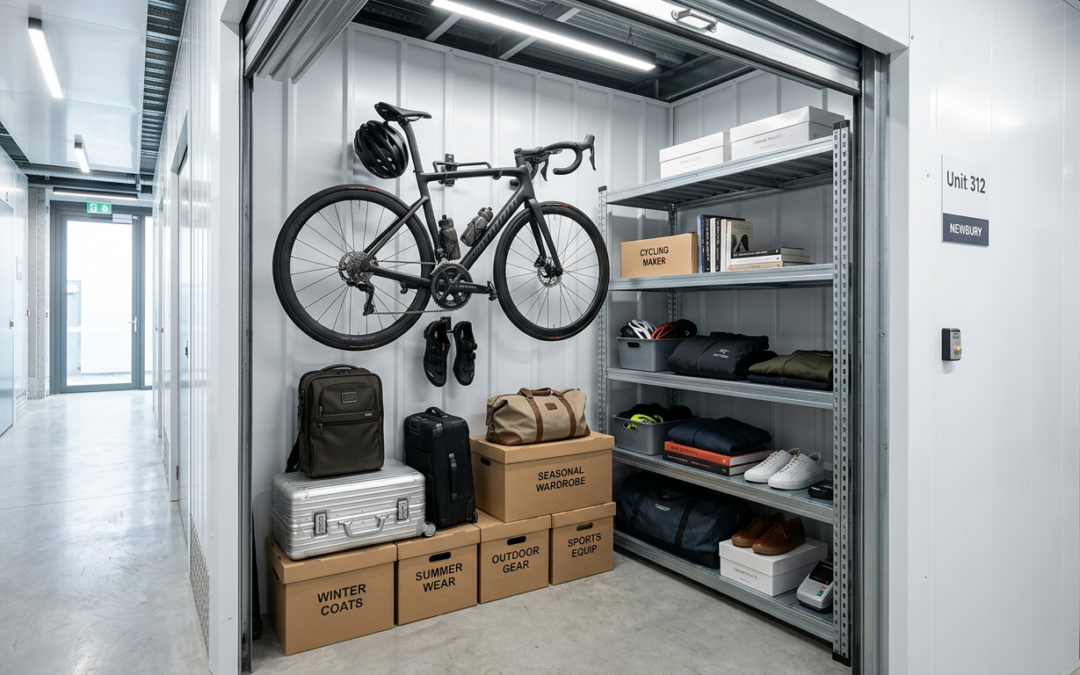
Living between Newbury and London creates unique challenges that go beyond the daily commute. Whether you are maintaining a pied-à-terre in the city, downsizing your Newbury home whilst keeping your London job, or managing the logistics of a hybrid work arrangement, the space constraints on both ends can quickly become overwhelming.
The Thames Valley corridor has transformed into a lifeline for professionals seeking better value without sacrificing career opportunities in the capital. Yet this dual-location lifestyle often means juggling possessions between two locations, dealing with limited London flat storage, and finding creative solutions for everything from seasonal wardrobes to sports equipment that does not quite fit either life.
The Reality of the Newbury-London Work Dynamic
The 50-minute train journey from Newbury to Paddington has reshaped how professionals think about work and home. With season tickets costing upwards of £6,000 annually, many have discovered that maintaining a smaller London footprint whilst enjoying Berkshire’s space and value makes financial sense.
This arrangement works brilliantly until you face the practical realities. That two-bedroom flat near your London office suddenly feels cramped when winter coats arrive. Your Newbury home accumulates items that do not suit either lifestyle, and moving between locations means constantly deciding what belongs where.
The numbers tell the story, as property data shows that Newbury residents can secure twice the living space compared to Zone 2 London for the same monthly outlay. However, this advantage only works when you can manage your belongings efficiently across both locations.
Why Traditional Storage Falls Short for Commuters
Standard storage solutions were not designed with the Thames Valley commuter in mind. London facilities charge premium rates for minimal space, often requiring lengthy contracts that do not match the fluid nature of hybrid working logistics. Meanwhile, storing everything in Newbury means losing access to items you might need during your city stays.
Consider Sarah, a marketing director who maintains a studio flat in Shoreditch whilst living primarily in Newbury. She found herself paying £200 monthly for a London storage unit just to house her winter wardrobe and client presentation materials. The facility’s standard access hours meant weekend retrieval required special arrangements, and the minimum six-month contract locked her into payments even when her work patterns changed. Her situation highlights common pain points: inflexible contracts that do not match changing schedules, access hours that conflict with commuting patterns, and split storage costs in two expensive locations.
Flexible Storage Solutions That Actually Work
Smart commuters have discovered that centralising storage Thames Valley residents can access easily, combined with strategic planning, solves most dual-location challenges. The key lies in choosing facilities that understand the unique needs of professionals splitting time between locations.
You can secure personal storage designed for flexibility, meaning you can adjust unit sizes as your needs change. Perhaps you start with a smaller unit for seasonal items, then expand when you decide to sublet your London flat during quieter work periods. This adaptability proves invaluable when work patterns shift from daily commuting to concentrated London stays.
Think of your storage unit as a third space; it is neither fully London nor completely Newbury, but a practical bridge between both lives. It is like having an extra room that is always available but never clutters your actual living spaces.
What Commuters Actually Store (and Why)
The contents of a commuter’s storage unit tell fascinating stories about modern working life. Unlike traditional household storage, these spaces often house items that support a dual-location lifestyle.
Secure professional equipment tops the list. Many store presentation materials, sample cases, and exhibition stands that would overwhelm a small London flat but are not needed daily in Newbury. One pharmaceutical sales manager keeps her entire conference display system in storage, retrieving it for quarterly London trade shows without cluttering either home.
Seasonal swaps represent another major category. Rather than cramming winter coats into a tiny London wardrobe or hauling them on trains, savvy commuters rotate wardrobes through storage. The same principle applies to sports equipment, such as golf clubs and ski gear that define weekend life but have no place in urban living.
Furniture in transition often fills these units too. When upgrading from a London flat share to a Newbury house, many discover their city furniture does not suit their new space. Rather than selling pieces with sentimental value or potential future use, storage provides breathing room to make considered decisions.
Access Patterns That Match Commuter Life
Traditional storage facilities operate on the assumption that customers retrieve items occasionally, during standard hours. But Thames Valley commuters need something different. Early morning access allows collection before catching the 7:15 train to Paddington, whilst evening availability means dropping off items after returning on the 18:47 from London.
Many professionals rent business storage originally designed for commercial customers because it works perfectly for commuters who need 24/7 access. That flexibility to grab your presentation materials at 6am or store your exhibition kit at 9pm makes the difference between storage that works with your life versus storage that complicates it.
Weekend access proves equally vital. Saturday mornings often become sorting time for reviewing what is needed for the week ahead, swapping seasonal items, or preparing for upcoming trips. Having storage that is accessible when you are actually in Newbury, not just during traditional business hours, transforms it from an inconvenience into a genuine solution.
The Economics of Smart Storage
When you calculate the true cost of maintaining possessions across two locations, centralised storage often saves money. A modest storage unit at Newbury Self Store typically costs less than the premium you would pay for just one square metre of additional London flat space.
The real savings come from flexibility. Rather than committing to a larger London flat year-round to accommodate occasional needs, you can choose a smaller space and store overflow items accessibly in Newbury. This might save £300 to £500 monthly in London rent, which far exceeds commuter storage solutions costs.
Some commuters take this further, using storage to enable profitable subletting. When work requires extended London stays, they store personal items and rent their Newbury home on short-term lets. Conversely, during quiet periods, they might sublet their London flat whilst keeping essentials in storage for quick access when needed.
Security Considerations for Valuable Items
Commuters often store surprisingly valuable items, from professional equipment to designer clothing collected over years of London living. This makes security paramount. Modern facilities offer individual unit alarms, CCTV coverage, and controlled access that often exceeds the security of either home.
Insurance considerations matter too. Many discover their home contents insurance does not fully cover items in storage, particularly professional equipment. Choosing a facility that offers comprehensive coverage or allows you to extend your existing policy protects investments that support your career. Climate control becomes important for certain items like electronics, leather goods, and important documents, as consistent temperature prevents the damage that can occur in basic storage spaces.
Making the Transition Smooth
Starting with storage requires some planning, but commuters who have made the shift report immediate lifestyle improvements. Begin by auditing possessions in both locations. Ask yourself what is duplicated, what is used rarely, and what you would keep if space were not a constraint.
We recommend you buy protective packaging designed for long-term storage to protect your investments. Professional packing materials might seem excessive, but they are worth it when storing designer suits or electronic equipment. Wardrobe boxes keep clothing in wearing condition, while specialist containers protect delicate items through temperature changes.
Create an inventory system that works for your lifestyle. Some commuters photograph storage box contents and keep the images on their phones. Others maintain spreadsheets accessible from both locations. The goal is knowing exactly what is stored and where, preventing frustrating searches when you need something specific.
Container Storage for Major Transitions
Life changes often accompany the London-Newbury commute evolution. Perhaps you are selling your London flat to buy in Newbury, or downsizing city accommodation whilst keeping your job. These transitions often require storing entire household contents temporarily.
For major moves, you can hire container storage to provide the scale needed. Drive-up access means professional movers can load directly, saving the double handling of traditional storage. For commuters managing property transactions across two locations, this flexibility proves invaluable.
Some use container storage creatively during renovations. Rather than living in chaos whilst updating their Newbury home, they store furniture and possessions, maintaining a calm environment in both locations. This approach particularly suits those whose London work demands a professional appearance, as arriving dishevelled from a construction zone does not inspire client confidence.
Future-Proofing Your Storage Strategy
The Thames Valley commuting landscape continues evolving. Hybrid working patterns that seemed temporary have become permanent for many organisations. This shift requires storage solutions that can adapt as quickly as your work arrangements.
Choose facilities that allow easy unit size changes. You might need less storage when working from Newbury more often, or more space if you decide to maintain a smaller London base. The ability to adjust without penalty keeps your solution aligned with your lifestyle. Consider how storage might enable future opportunities. Perhaps you are eyeing a promotion requiring more London presence, or planning a family that will shift your focus to Newbury. Storage that grows and shrinks with your needs provides options without forcing immediate decisions.
Practical Steps to Get Started
Taking action starts with honest assessment. List items currently causing storage stress in either location. Include things you would like to keep but cannot accommodate, and possessions that do not fit your current lifestyle but might suit future plans.
Contact storage specialists who understand commuter needs. Discuss access requirements, security concerns, and flexibility options. Visit facilities to ensure they match your expectations; proximity to Newbury station might matter if you are collecting items between trains. Calculate the true cost comparison. Include not just storage fees but the hidden costs of maintaining items in expensive London space or the stress of constantly moving possessions between locations.
Conclusion
The Newbury-London commute offers the best of both worlds, offering career opportunities in the capital with Berkshire’s quality of life. But making this lifestyle work requires smart solutions for the practical challenges of dual-location living.
Flexible storage bridges the gap between city constraints and country space, providing a third option that adapts to changing needs. Whether you are rotating seasonal wardrobes, housing professional equipment, or managing major life transitions, the right storage strategy transforms a source of stress into seamless support for your chosen lifestyle.
The most successful Thames Valley commuters treat storage not as a last resort but as an intelligent lifestyle tool. To find out how our solutions can support your hybrid working life, call 01635 581 811 or contact us for commuter storage and start reclaiming your living space today.