
 01635 581 811
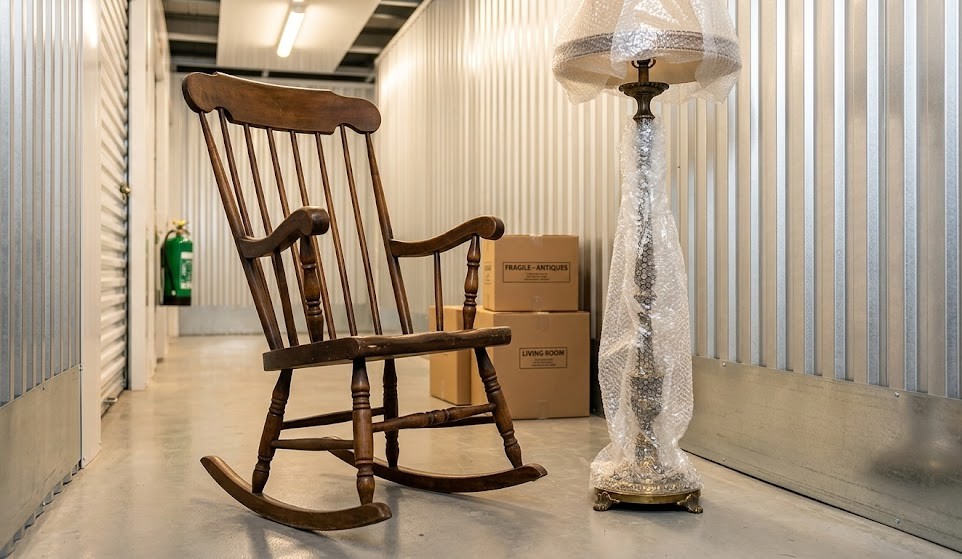
Inheriting possessions from a loved one brings a complex mix of emotions – grief, nostalgia, responsibility, and often a fair bit of overwhelm. You’re dealing with loss whilst simultaneously managing the practical reality of what to do with decades’ worth of belongings. It’s not just furniture and boxes; it’s your grandmother’s china, your father’s tools, your aunt’s collection of vinyl records. Each item carries weight.
During probate, you can’t always make immediate decisions about what to keep, sell, or distribute. Legal processes take time, family members may need to review items, and you might simply need space to grieve before deciding what stays and what goes. That’s where inherited items storage becomes essential – it gives you breathing room whilst protecting possessions that hold both sentimental and financial value.
Why inherited items need proper storage during probate
Probate typically takes 6-12 months, sometimes longer for complex estates. During this period, you’re managing multiple challenges at once: coordinating with solicitors, communicating with family members who may live far away, and handling the emotional labour of sorting through a lifetime of possessions.
Here’s the practical problem: you can’t leave valuable or sentimental items in an empty house indefinitely. Insurance often lapses after a property becomes unoccupied, and an empty house signals opportunity to opportunistic thieves. Even if security isn’t a concern, leaving items exposed to temperature fluctuations and damp can cause irreversible damage to furniture, documents, textiles, and artwork.
Self-storage provides a secure, climate-controlled environment where inherited items remain protected whilst you navigate the legal and emotional complexities of probate. It’s not about rushing decisions – it’s about preserving your options until you’re ready to make them.
Taking inventory: the first essential step
Before anything gets packed or moved, create a detailed inventory. This serves multiple purposes: it documents items for probate, helps prevent family disputes, and ensures nothing goes missing during the transition.
Think of this inventory like a detailed map of the estate. You wouldn’t start a journey without knowing the terrain, and you shouldn’t start managing inherited items without knowing exactly what you’re dealing with.
Photograph each room from multiple angles before you begin sorting. Then document individual items, particularly those with potential value: antique furniture, jewellery, artwork, collections, and items with known sentimental significance. Include descriptions, approximate age if known, and condition notes.
For paperwork and documents, create a separate category. Birth certificates, property deeds, insurance policies, and financial records need careful handling and secure storage. Don’t rush through this step – it might seem tedious, but it’s the single best way to stay organised and protect yourself legally.
Sorting inherited items: a practical framework
You can’t store everything forever, nor should you try. Sorting requires a clear framework that balances emotional attachment with practical reality.
Create four categories:
Keep for yourself: Items you definitely want to integrate into your own home, whether for practical use or sentimental value.
Distribute to family: Items that other relatives have expressed interest in or that you believe should go to specific family members.
Undecided: Items you’re not ready to make decisions about yet. This category is perfectly legitimate during grief – don’t let anyone pressure you into premature choices.
Sell or donate: Items with potential value but no family interest, or serviceable items that deserve a second life rather than disposal.
The “undecided” category is where inherited items storage becomes particularly valuable. You don’t need to force decisions whilst you’re grieving. A personal storage unit gives you time to process emotions and make thoughtful choices rather than rushed ones you might regret.
Protecting valuable and fragile heirlooms
Inherited items often include fragile or valuable pieces that require careful handling. Your grandmother’s porcelain, your father’s vintage record collection, or delicate textiles demand proper packing materials and techniques.
For china and glassware, wrap each piece individually in acid-free tissue paper, then bubble wrap. Pack vertically in sturdy boxes with plates on edge, not flat. This distributes weight more safely and reduces breakage risk. Fill empty spaces with packing paper to prevent shifting.
Furniture needs protection from scratches and environmental damage. Clean thoroughly before storage – dirt and residues can cause long-term damage. Disassemble larger pieces if possible, keeping all fixings together in labelled bags taped to the corresponding furniture piece. Wrap in furniture blankets or breathable covers, never plastic sheeting which traps moisture.
Textiles and clothing should be clean and completely dry before storage. Use acid-free boxes for valuable items like wedding dresses or vintage clothing. Never use vacuum-seal bags for long-term storage – they compress fibres and can cause permanent damage.
Photographs and documents deteriorate rapidly in poor conditions. Store in acid-free boxes in a climate-controlled environment. Original photographs and important documents might warrant professional archival storage solutions, but a quality storage unit with climate control provides excellent protection.
The packaging you use matters enormously. It’s tempting to grab whatever boxes you have lying about, but inherited items deserve proper materials. Quality boxes, bubble wrap, and furniture blankets represent a small investment compared to the irreplaceable nature of what you’re protecting.
Climate control: why it matters for heirlooms
Temperature and humidity fluctuations destroy items over time. Wood furniture cracks and warps. Metal develops rust. Paper yellows and becomes brittle. Textiles develop mould and mildew. Leather dries out and cracks.
Climate-controlled storage maintains consistent temperature and humidity levels year-round. For effective heirloom storage management during probate – potentially for a year or more – this protection is essential, not optional.
Consider what happens to a wooden desk stored in a damp garage through winter and summer. The wood absorbs moisture when it’s damp and humid, then contracts as it dries out when temperatures rise. This constant expansion and contraction causes joints to loosen, veneers to lift, and structural integrity to fail. That’s your grandfather’s handmade desk, potentially ruined.
Climate control prevents this damage. It’s particularly crucial for musical instruments, artwork, photographs, books, leather goods, and antique furniture – precisely the types of items commonly inherited and valued both sentimentally and financially.
Organising your storage unit for easy access
You might need to retrieve specific items during probate – perhaps a document for the solicitor, a piece of furniture a family member wants to collect, or photographs for a memorial service. Proper heirloom storage management means planning your layout so access is straightforward rather than frustrating.
Place items you might need to access frequently near the front. This includes boxes of important documents, photographs, and items family members have claimed but haven’t yet collected.
Create clear pathways through the unit. Don’t pack it solid from front to back. Leave a central aisle that allows you to reach items at the rear without unpacking everything.
Label everything clearly on multiple sides. “Kitchen – china” is helpful. “Grandmother’s blue willow pattern china service, 12 place settings” is better. You won’t remember what’s in each box six months from now when your cousin asks about specific items.
Stack heavier boxes at the bottom, lighter ones on top. Place furniture items you won’t need to access against walls. Use the vertical space efficiently – most storage units have higher ceilings than you’d initially think.
Consider creating a simple map or list of where specific items are located within the unit. It sounds excessive until you’re searching for one specific box among dozens.
Managing family expectations and access
Probate often involves multiple family members with different ideas about inherited items. Someone wants grandmother’s table. Another relative has their eye on the antique clock. Tensions can run high when grief intersects with possessions.
Establish clear communication about what’s in storage and how decisions will be made. Share your inventory with relevant family members. Set realistic expectations about timelines – probate takes as long as it takes, and rushed decisions often lead to regrets.
If multiple family members need to view or collect items, business storage facilities often provide better access options than residential storage. Drive-up access makes it straightforward for relatives to collect larger furniture pieces without navigating narrow corridors.
Some families find it helpful to arrange a specific day when everyone can view stored items together and discuss distribution. This transparency can prevent misunderstandings and reduce the potential for disputes.
Legal considerations during probate
You can’t legally distribute or dispose of inherited items until probate is granted, except for items of minimal value. This is why inherited items storage becomes necessary – you need somewhere secure and appropriate to keep items whilst the legal process unfolds.
Keep meticulous records of all inherited items, their condition, and their location. If disputes arise, this documentation protects you. Your inventory and photographs serve as evidence of proper stewardship.
Valuable items might require professional valuation for probate purposes. Don’t move or alter these items until they’ve been properly assessed and documented. Secure storage ensures they remain in the same condition as when initially inventoried.
Consult with your solicitor about any items you’re uncertain about. Some possessions might have specific legal implications or restrictions, particularly property deeds, financial documents, or items mentioned explicitly in the will.
When to consider longer-term storage
Sometimes probate reveals that certain items can’t be immediately distributed. Perhaps a beneficiary lives abroad and can’t collect items yet. Maybe you’re inheriting items but don’t currently have space in your own home. Or you might need to keep items until property sales complete.
Flexible storage arrangements accommodate these varying timelines. You’re not locked into specific durations – you can adjust as circumstances change. This flexibility is particularly valuable during probate when timelines often shift unexpectedly.
For substantial estates requiring container storage, larger units provide space for the entire contents of a house. This is particularly relevant if you’re managing an estate property that needs to be emptied before sale.
The emotional weight of inherited possessions
Here’s something solicitors and estate agents won’t tell you: the hardest part of managing inherited items isn’t the logistics. It’s the emotional labour of handling possessions that represent a person you’ve lost.
Every item triggers memories. That teapot wasn’t just a teapot – it was the centrepiece of Sunday afternoon visits. Those books weren’t just books – they represent your father’s intellectual life. This emotional dimension is why rushing through sorting and decision-making often leads to regret.
Storage provides emotional breathing room. You don’t need to decide everything immediately. You can take time to grieve, to process, to gradually work through possessions at a pace that feels manageable rather than overwhelming.
One family I encountered stored their mother’s belongings for nearly 18 months during probate and beyond. They’d visit the unit occasionally, spending time with items, sharing memories, gradually deciding what each person wanted to keep. It wasn’t efficient by conventional standards, but it was healing. That’s equally valuable.
Practical tips for long-term preservation
If you’re storing inherited items for extended periods, effective heirloom storage management requires these additional precautions:
Check items periodically. Visit your storage unit every few months to ensure everything remains in good condition. Look for any signs of pest activity, moisture, or damage.
Maintain insurance coverage. Ensure valuable inherited items are properly insured whilst in storage. Your household insurance might not cover items stored off-site, and storage facility insurance often covers only basic losses.
Keep documentation secure. Store original wills, property deeds, and important financial documents in a separate, highly secure location. Keep copies in your storage unit if needed, but originals warrant extra protection.
Use silica gel packets in boxes containing items susceptible to moisture damage – photographs, documents, leather goods, and textiles benefit from these moisture absorbers.
Avoid cardboard boxes directly on floors. Use pallets or shelving to keep boxes elevated, providing air circulation and protection from potential floor moisture.
Making final decisions: when you’re ready
Eventually, probate completes, and you’ll need to make final decisions about inherited items. Quality heirloom storage management has given you the time and space to make these choices thoughtfully rather than hastily.
Some items you’ll integrate into your own home. Others you’ll pass to family members who’ll treasure them. Some might be sold, with proceeds distributed according to the will or family agreement. And yes, some items might ultimately be donated or disposed of – not everything can or should be kept forever.
The key is that these decisions come from a place of considered thought rather than crisis management. You’ve had time to process grief, consult with family, and evaluate what truly matters. Storage facilitated this thoughtful approach.
Moving forward with confidence
Managing inherited items during probate represents one of life’s more challenging transitions. You’re simultaneously grieving, handling legal processes, coordinating with family, and making decisions about possessions loaded with emotional significance.
Secure, climate-controlled inherited items storage removes one major source of stress from this equation. Items remain protected whilst you navigate everything else. You’re not rushing decisions, you’re not risking damage to irreplaceable heirlooms, and you’re not creating additional family tension by making hasty choices about distribution.
If you’re currently managing an estate and wondering how to handle inherited items properly, contact us to discuss storage options that provide the security, access, and flexibility you need during this difficult time. The right storage solution doesn’t just protect possessions – it protects your peace of mind whilst you focus on what truly matters: honouring your loved one’s memory and supporting your family through grief.