
 01635 581 811
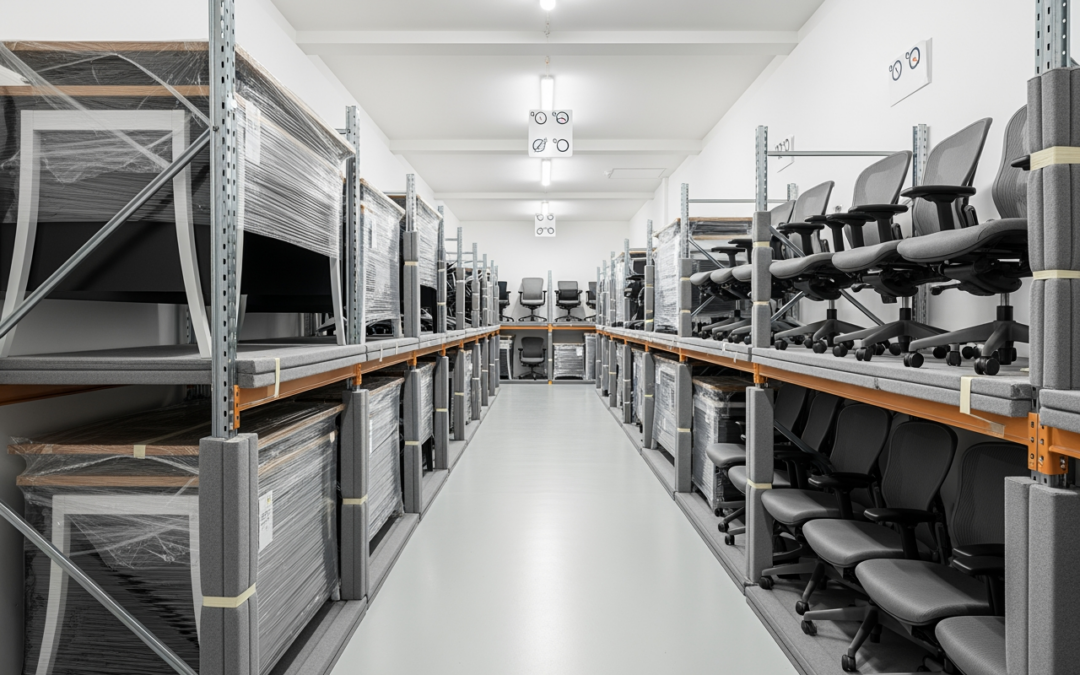
Investing in high-end office furniture is more than just filling a space; it’s about meticulously crafting an environment. It stands as a testament to your brand, your values, and the significance you place on quality and aesthetics. Whether it’s a bespoke mahogany boardroom table that has been central to countless deals, ergonomic designer chairs that underpin your team’s best work, or elegant reception pieces that create that vital first impression, this furniture constitutes a significant asset. Consequently, when an office refurbishment, a relocation, or merely the necessity to store surplus items arises, ensuring the pristine Office Furniture Preservation of these valuable pieces is of paramount importance. A casual approach, like placing them into any available lock-up, simply will not suffice. This scenario is precisely where specialist knowledge in Storing High-End Office Furniture becomes absolutely essential.
Perhaps you are currently renovating your Newbury headquarters and require a temporary, secure haven for your executive suite. Or, it could be that your flourishing start-up has outgrown its present space, yet you aim to retain those aspirational pieces for the next, larger office. Whatever your circumstances, the prospect of your beautiful, expensive furniture deteriorating in storage can indeed be a significant concern for any business owner. However, with the correct approach and suitable facilities, such as those we provide here at Newbury Self Store, you can ensure your items remain in exemplary condition, fully prepared for their subsequent chapter.
Understanding Why Specialist Attention is Crucial for Storing High-End Office Furniture
It might be tempting to view these items as “just furniture,” but when discussing high-end pieces, we refer to items that embody a substantial financial and emotional investment. These are not disposable flat-pack items; they are frequently the defining elements of your professional environment.
- The Intrinsic Value of Your Investment: Far Beyond the Price Tag Consider that solid oak meeting table. It’s not merely wood and varnish; it’s the very hub of collaboration. Those Italian leather chairs? They eloquently communicate your company’s success and meticulous attention to detail. High-end office furniture is typically distinguished by:
- Superior Craftsmanship: Often handmade or precision-engineered.
- Quality Materials: Utilising solid woods, premium leathers, high-grade metals, and designer fabrics.
- Brand Reputation: Pieces from renowned designers or manufacturers inherently carry significant value. Furthermore, this furniture contributes substantially to your business’s image. It has the power to impress clients, foster a productive atmosphere, and even elevate employee morale. Protecting this asset is not just about preserving wood and fabric; it’s about safeguarding a component that contributes to your company’s identity.
- Common Risks When Storing Valuable Office Pieces Without Due Care Without the necessary precautions, your fine furniture can fall prey to a variety of detrimental factors:
- Physical Damage: Scratches, dents, chips, and broken components can readily occur during transportation or if items are stacked improperly. Imagine a delicate veneer being gouged, or a chair leg snapping under excessive pressure.
- Environmental Threats: This represents a major concern. Fluctuations in temperature can cause wood to warp, crack, or split. Excessive humidity can foster mould, mildew, rust on metal components, and the deterioration of fabrics and leather. Conversely, overly dry air can render wood brittle and cause leather to crack. Pests, although less common in well-maintained facilities, can also present a threat to wood and natural fibres.
- Security Concerns: High-value items are, by their nature, more appealing to potential thieves if not stored with robust security measures.
- The Cost of Neglect versus The Wisdom of Foresight in preservation Reflect on the potential expenditure involved in repairing or replacing damaged high-end furniture. It can be considerable, far exceeding the cost of professional storage. A degree of foresight and an investment in proper Storing High-End Office Furniture practices can avert significant inconvenience and expense in the future. It represents the prudent business decision.
The Pre-Move Game Plan: Essential Steps for Office Furniture Preservation Before It Reaches Storage
The meticulous process of excellent Office Furniture Preservation commences well before your items arrive at a storage unit. Thorough preparation is fundamental.
- The Essential Inventory: Documenting Every Single Detail This might appear a laborious task, but it is an exceptionally important step, particularly for high-value pieces.
- Photographic Records: Capture clear, well-illuminated photographs of each item from multiple angles. Document any pre-existing marks or damage (for your own records) and highlight unique features or branding. Dated photographs offer additional verification.
- Written Descriptions: For each piece, note down its dimensions, the primary materials it is constructed from (e.g., “walnut desk with leather inlay,” “brushed steel and glass coffee table”), the manufacturer or designer if known, and its current condition.
- Why This Matters: This detailed inventory is invaluable. Should you need to make an insurance claim, you will possess comprehensive proof of ownership and condition. It also affords immense peace of mind, knowing precisely what you have stored and its state. It effectively serves as a passport for your furniture.
- Cleaning and Preparation: The Initial Step in office furniture preservation One would not store their best suit while it is soiled; the same principle applies to your office furniture. Storing items in a clean state prevents dirt and grime from becoming ingrained and causing damage over time.
- Wood: Gently dust all wooden surfaces with a soft, microfibre cloth. For polished wood, use a high-quality furniture polish recommended for the specific type of wood. If possible, avoid aerosol polishes containing silicone, as they can create build-up. Ensure the wood is entirely dry before wrapping.
- Leather: Clean leather with a specialised leather cleaner. Once dry, apply a good quality leather conditioner to maintain its suppleness and prevent it from drying out and cracking during storage. Again, ensure it is fully absorbed and dry before covering.
- Upholstery: Thoroughly vacuum all upholstered items, including crevices, employing an upholstery attachment. If any minor stains are present, consider spot treating them with an appropriate fabric cleaner, always testing on an inconspicuous area first. Ensure the fabric is completely dry before storage to prevent mildew.
- Metal and Glass: Wipe down metal components to remove fingerprints and any potential corrosives. Clean glass surfaces with glass cleaner and ensure they are streak-free and dry.
- To Disassemble or Not to Disassemble? Making the Judicious Call This can present a challenging decision.
- Benefits of Disassembly: Many contemporary office desks, shelving units, and even some chairs can be disassembled. This frequently makes them easier and safer to transport, less susceptible to damage, and more space-efficient within the storage unit.
- When to Avoid It: If an item is an antique, particularly fragile, or exceptionally complex in its construction, disassembly might inflict more harm than good. If you are uncertain, or if the manufacturer advises against it, it is often preferable to leave it intact. Also, consider whether you possess the skills and tools to reassemble it correctly at a later date.
- Keeping Track of Hardware: Should you decide to disassemble items, this is CRITICAL: place all screws, bolts, and small components into a sealable plastic bag. Label the bag clearly with the item it corresponds to and tape it securely to the largest part of that disassembled item. Be assured, your future self will be profoundly grateful! There is little more frustrating than a “mystery screw” when attempting to reassemble that £5,000 desk.
The Secrets to Wrapping and Protecting Your High-End Assets for Optimal Preservation
Once cleaned and prepared, the subsequent protective layer in your Office Furniture Preservation strategy involves proper wrapping. This entails more than simply throwing an old sheet over items!
- Choosing Your Armour: Selecting Quality Packing Materials for furniture The quality of your packing materials directly influences the protection your furniture receives. Attempting to save money here is a false economy.
- Furniture Blankets: These are thick, padded blankets specifically designed for protecting furniture during moves and in storage. They are your most crucial allies in preventing scratches, dents, and dings. Use them generously.
- Bubble Wrap: Excellent for wrapping delicate parts, legs, or entire smaller items. However, exercise caution when using bubble wrap directly against certain finished wood or leather surfaces for extended periods, as trapped moisture or chemical reactions can occasionally occur. It is often best employed as a secondary layer over a soft cloth or paper.
- Stretch Wrap (Plastic Film): Ideal for securing furniture blankets around items, keeping drawers and cabinet doors closed, and bundling disassembled parts together.
- Corrugated Cardboard Sheets or Rolls: Superb for adding an extra layer of protection to flat surfaces like tabletops, or for creating custom corner protectors.
- At Newbury Self Store, we recognise the critical importance of quality materials. For this reason, we offer a comprehensive selection of packaging supplies, carefully chosen to assist you in properly preparing your items for storage and ensuring they obtain the protection they genuinely deserve, which is a key part of effective office furniture preservation.
- Techniques for Superior Protection during storage
- Cover All Surfaces: Ensure every part of the furniture is covered. Do not leave legs, corners, or edges exposed. Conceive of it as wrapping a precious gift.
- Pad Corners and Edges Meticulously: These are the most vulnerable points. Utilise extra padding (folded blankets, cardboard, or purpose-made corner protectors).
- Secure Drawers and Doors: Remove contents from drawers. Lock them if feasible, or tape them shut with painter’s tape (which is less likely to damage the finish) and then wrap the entire item. For cabinet doors, especially those made of glass, consider padding the glass before securing the door.
- Special Care for Vulnerable Elements: Glass tabletops should be removed if possible, wrapped separately in bubble wrap and then cardboard, and stored vertically or well-protected on a flat surface. Delicate inlays, carvings, or electronic components within furniture (such as built-in charging ports) may necessitate additional specific attention and padding.
Selecting the Ideal Business Storage Unit for Storing High-End Office Furniture
Not all storage units are identical, particularly when you are Storing High-End Office Furniture. The choice of unit is a critical determinant in successful Office Furniture Preservation.
- Size Matters: Ensuring Sufficient Space for Safe Storing It is a common error to attempt to fit too much into a smaller unit to economise. This is counterproductive for valuable items.
- Avoiding Overcrowding: You require adequate space to place items without them pressing against each other, which can cause pressure marks, scratches, or structural stress over time.
- Allowing for Air Circulation: Good airflow around your items is vital, especially in preventing mustiness or moisture build-up. Do not pack items tightly against the walls.
- Planning for Access: If you anticipate needing to access any of your items during the storage period, a slightly larger unit with a planned walkway will greatly simplify matters. At Newbury Self Store, we offer a variety of unit sizes. Our team can assist you in estimating the perfect space for your specific inventory.
- The Crucial Role of Climate Control in preservation For high-end office furniture, particularly pieces crafted from wood, leather, or delicate fabrics, climate-controlled storage is frequently non-negotiable.
- Temperature Stability: Extreme fluctuations in temperature cause materials to expand and contract. Wood can warp, split, or crack. Adhesives can fail. Veneers can lift. A climate-controlled unit maintains a much more stable temperature range, mitigating these risks.
- Humidity Management: This is arguably even more critical. High humidity creates a breeding ground for mould and mildew, which can ruin upholstery and wooden surfaces. It can also cause metal parts to rust or tarnish. Conversely, excessively low humidity can dry out wood, rendering it brittle, and cause leather to crack. Climate control helps maintain an optimal humidity level.
- Why Standard Units Might Not Suffice: While standard units are adequate for many items, when your focus is on Storing High-End Office Furniture, the consistent environment of a climate-controlled unit provides superior protection against the subtle, gradual onset of environmental damage.
- Security Features: Protecting Your Financial Investment Your high-value furniture demands a high level of security. Seek facilities that offer:
- CCTV Surveillance: Comprehensive camera coverage of the premises, both internally and externally.
- Access Controls: Secure-gated entry, individual unit alarms, or keypad access systems that restrict who can enter the facility and specific areas.
- Alarm Systems: Monitored alarm systems for fire and intruders.
- On-Site Staff Presence: Staff on site during business hours can act as a deterrent and provide assistance.
- Accessibility and Location: Practical Logistical Considerations
- Ease of Loading and Unloading: Are there wide driveways? Covered loading bays? Are trolleys or pallet jacks available? These practical elements make a significant difference on moving day.
- Proximity to Your Business Premises: While not invariably the top priority, a conveniently located facility can save time and transport costs. Newbury Self Store prides itself on providing secure, clean, and accessible Business Storage solutions, purposefully designed to meet the diverse needs of businesses looking for a safe and reliable space for their valuable assets, including appropriately conditioned options ideal for storing high-end office furniture.
The Actual Stowing Process: What’s Involved for Optimal Office Furniture Preservation?
You have prepared, you have packed, and you have selected your unit. Now, it is time to move your items in. How you arrange your items within the storage unit is the next crucial step for long-term care.
- Strategic Placement Within the Unit for preservation
- Heaviest Items at the Bottom: If any stacking is absolutely unavoidable (and it should be minimised for high-end items), place the heaviest and sturdiest items at the base. Lighter, more delicate items should go on top, if at all. Desks and tables are best stored in their normal orientation to maintain structural integrity.
- Creating Walkways: If your unit size permits, attempt to leave a small aisle. This improves air circulation and allows you to access items at the back without the necessity of moving everything.
- Keeping Items Off the Floor: Even in a climate-controlled unit, it is a sound precaution to place items on pallets or to lay down thick plastic sheeting on the floor. This protects against any unexpected spills or potential floor-level condensation.
- Weight Distribution: A Critical Balancing Act
- Avoiding Stress on Components: When placing items, be mindful of how weight is distributed. Do not place undue stress on table legs, chair arms, or delicate joints. Avoid leaning heavy items against more fragile pieces.
- Utilising Flat, Stable Surfaces: Ensure items are placed on flat, stable surfaces within the unit or on top of other sturdy items (if stacking).
- The “Do Not Stack” Rule for Certain Vulnerable Items Ideally, one should avoid stacking high-end furniture altogether. However, some items absolutely must not have anything placed on top of them:
- Leather sofas or armchairs (to prevent permanent indentations).
- Antique wooden desks or tables (their structure may not withstand added weight).
- Items with delicate carvings, inlays, or glass components.
- Anything that appears as though it could be easily crushed or distorted.
- Regular Check-Ups: A Wise Precautionary Measure (If feasible and permitted) If you are storing items for an extended period and your storage agreement allows, it is advisable to visit for a quick inspection every few months. Check that protective coverings are still correctly in place, look for any signs of pests (unlikely in a well-maintained facility, but it is good to be vigilant), and ensure the general environment feels appropriate. This is often more for peace of mind than any immediate necessity.
Ongoing Considerations for Successful Long-Term Storage
If your office furniture is destined for storage for a significant duration, a few further points merit consideration.
- Insurance: Is Your High-End Furniture Adequately Covered? This is of vital importance. Do not assume your standard business insurance policy automatically covers items in off-site storage, or that it covers them for their full replacement value.
- Review Your Existing Policy: Carefully check the specifics of your current business contents insurance.
- Storage Insurance Options: Many self-storage facilities, including Newbury Self Store, offer specific storage insurance policies. Alternatively, you can consult your insurance broker about an extension to your existing cover.
- Accurate Valuation: Ensure your insurance covers the “new for old” replacement value of your high-end items, not merely their depreciated value. Your detailed inventory with photographs will be crucial for this.
- Pest Control: An Ounce of Prevention is Worth a Pound of Cure
- Facility Standards: Opt for a storage facility that demonstrates robust and consistent pest control measures. The facility should be evidently clean and well-maintained.
- Condition of Your Items: Ensure your items are clean before storing, as food residues or organic matter (though less likely on office furniture) could attract pests. This is good general practice regardless of the items stored.
- Maintaining a Long-Term Inventory and Condition Log If you access your unit to add or remove items during the storage period, ensure you update your inventory list accordingly. It can also be useful to make a note of the date and any observations made during your periodic check-ups.
Ready to Retrieve Your Assets? Planning for Reintroducing Your Furniture
The day eventually arrives when you require your beautiful office furniture back in service. A little care at this stage will ensure it returns to your office environment in perfect condition.
- Planning the Reintegration: Ensuring Smooth Transitions Back to the Office
- Acclimatisation Period: Particularly for wooden and leather furniture that has been stored in a climate-controlled environment, allow it some time to acclimatise to the temperature and humidity of your office before extensive use. A period of one to two days is usually sufficient.
- Careful Unwrapping and Thorough Inspection: Unwrap items carefully, diligently checking their condition against your original inventory and photographs.
- Professional Reassembly if Required: If you had items professionally disassembled, it often proves beneficial to have them professionally reassembled to ensure structural integrity, especially for complex or particularly valuable pieces.
- Post-Storage Care and Ongoing Maintenance
- Cleaning and Polishing: Provide all items with a good clean and polish (as appropriate for the material) to freshen them up after their period in storage.
- Addressing Any Minor Issues Promptly: If you notice any minor issues, such as a loose screw or a slight scuff mark, address them promptly to prevent them from worsening.
Why Entrust Newbury Self Store with Your High-End Office Furniture?
At Newbury Self Store, we fully understand that when you are Storing High-End Office Furniture, you are entrusting us with valuable assets that are integral to the functionality and image of your business. We are steadfastly committed to providing a storage environment that prioritises comprehensive Office Furniture Preservation.
- Our Dedication to Security and Preservation: We offer clean, modern facilities equipped with appropriate security measures to provide you with complete peace of mind. Our experienced team can advise on the most suitable type of unit, including climate-controlled options, to meet your specific requirements for storing high-end office furniture.
- Flexible Business Storage Options Tailored to Your Unique Needs: Whether you require short-term storage during an office renovation or a longer-term solution for surplus stock or archival pieces, we offer flexible terms and a diverse range of unit sizes. This ensures you only pay for the space you need, for the duration you need it.
- Expert Advice and Consistent Support: Our friendly and knowledgeable team is always available to offer guidance, from assisting you in choosing the correct unit size to advising on the most effective packing techniques. We can also guide you to our extensive range of quality packaging materials, ensuring you have everything required for optimal protection.
- Convenient Location and Easy Access: Our facility is easily accessible for businesses located in and around Newbury, making the process of dropping off and collecting your items straightforward and efficient.
Storing your valuable office furniture correctly is a prudent investment in its longevity and its continued contribution to your business success. It ensures that when you are ready to use it again, it will look just as impressive and function just as perfectly as the day you entrusted it to storage.
If you are currently facing the challenge of Storing High-End Office Furniture and are keen to ensure its impeccable preservation, we are here to provide assistance. We encourage you to Contact Us today for a no-obligation discussion about your specific requirements and to learn how our tailored facilities can meet them. Alternatively, you can explore our comprehensive services and discover more about our commitment to supporting local businesses by reviewing the information on our Newbury Self Store. Allow us to help you protect your significant investment.