
 01635 581 811
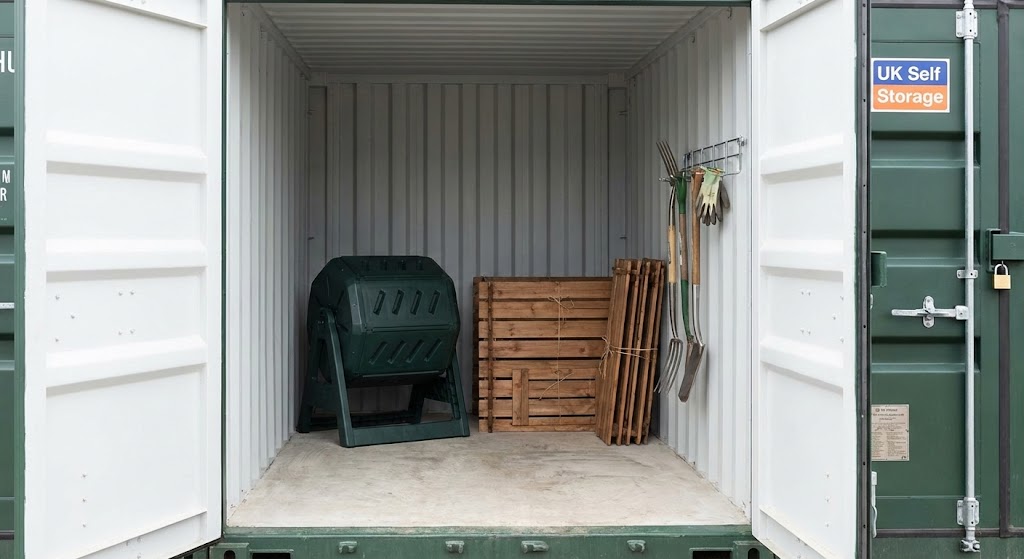
Keeping your composting gear safe and sound, regardless of the weather, requires thoughtful preparation and a suitable storage environment. A practical strategy for storing composting equipment significantly extends the lifespan of your tools and bins, moving beyond the simple assumption that leaving everything in a garden shed will suffice. This guide covers the vital steps from cleaning and preparing your gear to selecting the best location, ensuring you preserve your investment and maintain efficiency. Securing an off-site solution can also free up valuable space at home, making self storage in Newbury a perfect extension of your garden shed or workshop.
Protecting Your Investment: Why Proper Storage Matters
Storing composting equipment correctly is more than just tidiness; it’s about protecting your financial investment and maintaining operational efficiency. For large items, effective compost bin storage is essential, as leaving tools and bins exposed to harsh British weather invariably leads to damage like rust, rot, and material degradation. Starting the season with broken or rusted tools creates delays and unnecessary replacement costs.
Think of it like parking your car outside versus in a garage. Leaving a costly hand-tiller outside throughout a typical wet British winter is equally risky. The moisture would quickly seep into wooden handles, causing the wood to swell and crack, while metal components rapidly succumb to corrosion. This proactive approach to storing composting equipment ensures your gear remains functional and reliable season after season.
Extending the Lifespan of Tools and Tumblers
Consistent exposure to moisture and temperature fluctuations is the primary enemy of gardening and composting tools. Wooden handles become brittle, plastic components crack under UV exposure, and metal parts inevitably rust. Proper compost bin storage provides a controlled environment that mitigates these risks entirely.
Good storage keeps your operations highly organised. When everything is correctly cleaned, sharpened, and stored in a designated area, you eliminate the frustrating search for a specific tool. This preparation saves time and hassle, allowing you to focus purely on composting when spring arrives.
Prepping Your Composting Equipment for Storage
Before any equipment is placed in storage, it must undergo a thorough cleaning. This is the single most crucial step, as residual compost, soil, and organic matter attract pests, encourage mould growth, and accelerate corrosion. Neglecting this compromises the integrity of the storage environment and your gear.
A Three-Step Cleaning Protocol
Thorough cleaning begins with emptying the main composting vessels. This initial step is key to successful compost bin storage and prevents pest attraction. Start by fully emptying your compost bin, tumbler, or worm farm. Give the unit a thorough scrub using mild soap and water to remove all lingering residue. Once the vessel is clean, focus on the tools.
- Wash all tools, including shovels, forks, and rakes, to remove attached soil.
- Use a wire brush to tackle stubborn dirt or any early signs of rust.
- Disinfect plastic containers or tumblers with a mild solution of water and vinegar to eliminate bacteria and odours.
After cleaning, ensure every item is completely dry before storing. Any remaining moisture is a direct threat, fostering rust and creating a potential breeding ground for mould spores. Don’t rush this step.
Protecting Metal and Wood Components
Once cleaned and dried, metal tools benefit from light lubrication. Apply a thin coat of mineral oil or tool oil to blades, tines, and heads to create a protective barrier against humidity. This layer actively prevents rust from forming during long periods of dormancy.
For tools with wooden handles, apply a coat of linseed oil. This protects the wood from drying out and cracking while providing an additional barrier against moisture. Treating wooden handles ensures they remain strong and comfortable to grip, ready for use next season. It’s a small effort that makes a massive difference.
Choosing the Right Storage Location
The environment you select for storing composting equipment is just as important as the preparation process itself. The ideal storage location must be dry, sheltered, well-ventilated, and, crucially, secure. While sheds and garages are the most common choices, they often lack the climate stability and security required for long-term storage of valuable equipment.
Sheds Versus Secure Storage Units
Many homeowners rely on garden sheds or domestic garages for compost bin storage and tool storage. These are convenient but often suffer from poor insulation, leading to wide temperature swings and high humidity, which accelerates rust and mould. Furthermore, a simple shed lock offers minimal protection against theft, especially for valuable power tools.
If you’re short on space at home or require better protection, renting a secure storage unit in Berkshire offers significant advantages. These facilities provide robust construction and reliable environmental conditions, ideal for high-value items or inventory. Homeowners can browse our range of flexible storage solutions designed for domestic needs, offering an accessible extension of the home.
The Ideal Environment for Long-Term Gear
For long-term storage of complex equipment, such as electric chippers or compost tumblers with moving parts, investigate climate-controlled units. These units maintain consistent temperature and humidity, preventing damage caused by severe cold or heat. This stable environment is particularly beneficial for:
- Tools with intricate electronic components that can’t tolerate moisture.
- Plastics or composites susceptible to cracking in extreme temperatures.
- Metal tools where absolute rust prevention is essential.
For large-scale or rugged equipment, such as commercial shredders or large, industrial tumblers, our robust container storage options provide a secure, weatherproof alternative with easy ground-level access. Newbury Self Store ensures all stored items, regardless of size, benefit from top-tier security and monitoring.
Seasonal Considerations for Composting Equipment
Different seasons bring different challenges, and adapting your storage strategy accordingly ensures year-round protection. Understanding these seasonal risks allows you to implement specific preventative measures, whether you use a home shed or a professional unit. But what happens when you haven’t prepared properly?
Winterisation Tactics
Winter is the harshest season for gardening equipment. Cold temperatures and high moisture are major risk factors. If equipment is stored in an unheated space, proactive winterisation is essential when storing composting equipment:
- Protect from Frost: Store equipment in a frost-free area to prevent plastic components and water-based lubricants from cracking.
- Lubricate Moving Parts: Apply lubricant to moving parts on compost tumblers or mechanical tools. This prevents seizing and rust caused by internal condensation.
- Secure Outdoor Bins: If storing large compost bins outdoors, cover them with a heavy-duty, waterproof tarp to protect against snow and ice accumulation.
Preparing for Summer Storage
While not as destructive as winter, summer poses its own threats, primarily intense heat and direct sunlight. A high-quality storage solution prevents fading, material fatigue, and excessive heat build-up when storing composting equipment during the warmer months.
Imagine local market gardener Sarah, who runs a plant nursery. During her off-season, she stores specialised soil and pots alongside her cleaned composting gear. By opting for a secure storage unit, she keeps her inventory shaded and well-ventilated, ensuring her growing medium isn’t damaged by heat before the next planting cycle. Businesses needing space for stock and equipment should consider our flexible and affordable commercial storage solution.
Maintaining Your Stored Equipment
Storage shouldn’t be a simple case of “set-it-and-forget-it.” Even after carefully preparing your compost bin storage, regular, brief inspections can prevent small issues from becoming costly repairs. A proactive maintenance schedule ensures everything remains in top condition throughout its dormant period.
Periodic Inspections and Quick Fixes
Even in a perfect environment, inspect your stored equipment every few months. Look for signs of rust, condensation, or pest activity. If you spot moisture, address the ventilation in the storage area immediately. A quick wipe with a lubricated cloth can often halt early rust spots.
- Inspect the unit and equipment periodically for signs of mould, rust, or pest damage.
- Re-lubricate the moving parts of mechanical composters as needed to ensure smooth operation.
- If any dirt or debris appears, clean it up promptly to maintain hygiene.
Essential Packaging for Composting Tools
Properly packaging smaller tools and components not only saves space but also adds a layer of protection. Use robust boxes and cushioning materials to prevent items from knocking against each other and causing damage. Sturdy boxes, bubble wrap, and packing paper are essential for safeguarding your investment. You can easily find all the necessary moving and packing supplies to prepare your tools for storage.
This focus on preparation, security, and maintenance ensures that when the seasons change, you don’t have to scramble. You’re already set up for success, with high-quality gear protected in a reliable, accessible location. Newbury Self Store is committed to helping you find the most suitable, flexible, and affordable storage options for your unique needs, whether for a week or a year.
Choosing the right unit and following these simple steps guarantees the longevity of your composting equipment. Ready to secure a clean, dry, and protected space for your gear? Our expert team is ready to help you finalise your selection. Just get in touch with our team to secure your ideal unit today.