
 01635 581 811
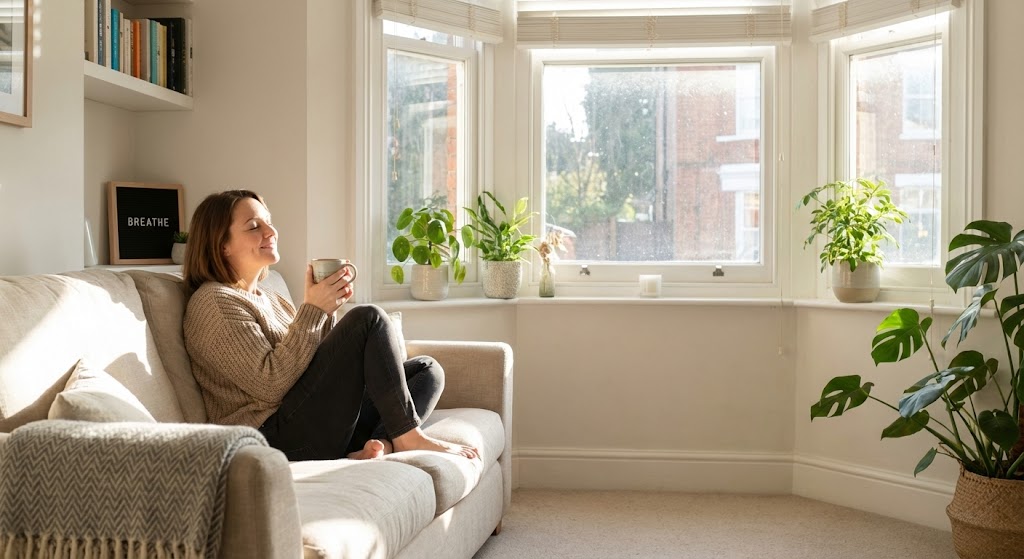
Self-storage isn’t just about finding space for extra furniture or boxes during a house move. It’s become a genuine wellness strategy for people seeking breathing room in their overstuffed homes. When you intentionally move non-essential belongings into secure storage, you’re actively practising decluttering for mental health and creating an environment that supports clarity and calm. This deliberate choice offers both physical relief and psychological breathing space, transforming how you experience your living area.
The link between organised surroundings and mental well-being runs deeper than most people realise. A home crammed with possessions keeps your brain in a constant state of alert, processing visual information that generates background stress. Every pile of unsorted items becomes an unconscious reminder of tasks left undone. Using flexible storage solutions provides a practical route toward reclaiming control and establishing genuine peace of mind.
Understanding the Clutter-Mind Connection
Living amongst excessive belongings isn’t merely untidy – it actively undermines cognitive performance and emotional balance. Your brain treats every visible object as something requiring attention or action, whether it’s a stack of old magazines or boxes you haven’t opened since your last move. This continuous mental processing drains energy that could otherwise fuel productive work or genuine relaxation.
The cumulative effect resembles trying to concentrate whilst someone constantly taps your shoulder. It’s exhausting. This perpetual distraction contributes to mental fatigue and reduces your capacity for focused, complex thinking.
Why Decluttering Matters for Mental Well-being
Creating order in your physical space acts like pressing pause on mental overwhelm. When you remove excess items, you immediately reduce the sensory input bombarding your nervous system throughout the day. The mind naturally settles into a calmer baseline, which supports emotional stability and reduces background anxiety.
Reducing stress and anxiety happens almost immediately when visual chaos disappears. Studies consistently show that cluttered environments correlate with elevated cortisol levels – the body’s primary stress hormone. Each pile of unsorted belongings represents an unfinished task, silently demanding attention. Clearing these visual triggers allows your nervous system to downshift, particularly valuable after demanding workdays or during already stressful life transitions.
Improving focus and productivity follows naturally because a clear space genuinely does support a clear mind. Attempting to work at a desk surrounded by random belongings guarantees constant distraction. Your attention fragments between the task at hand and the visual noise competing for focus. An organised environment eliminates these interruptions, allowing sustained concentration and higher-quality output.
Boosting mood and self-esteem emerges from the tangible achievement of creating order. Successfully decluttering even one room provides concrete evidence of capability and control. This isn’t trivial – it’s a genuine accomplishment that builds confidence. Additionally, inhabiting a clean, thoughtfully organised space simply feels better and more inviting on a daily basis.
Self-Storage as Your Decluttering Ally
Think of storage as your strategic partner in building sustainable organisation, not just a place to shove things you can’t face sorting. It provides essential overflow space that removes the pressure to make immediate, irreversible decisions about belongings. This breathing room enables conscious choices about what you genuinely need versus what you’re keeping out of guilt or habit.
By physically relocating items that contribute to mental clutter, personal storage creates the psychological distance needed for clear-headed decision-making.
Creating a Decluttering Plan and Sorting Your Belongings
Start by identifying which areas generate the most stress. Perhaps it’s the spare bedroom that’s become a dumping ground, or the loft you haven’t properly accessed in three years. Set realistic, specific goals rather than vague intentions. “Clear the spare bedroom by month-end” beats “get more organised” every time.
The four-category sorting method streamlines decision-making and prevents the paralysis that derails many decluttering attempts:
Keep: Items used regularly, genuinely loved, or essential for daily functioning.
Donate/Sell: Possessions in good condition that no longer serve you but could benefit others.
Store: Sentimental items, seasonal equipment, or things needed occasionally but not daily – these are perfect candidates for secure storage.
Discard: Broken, damaged, or genuinely useless items requiring responsible disposal or recycling.
Once you’ve sorted everything, gathering quality packaging materials protects items heading to storage whilst keeping everything organised and accessible.
Choosing the Right Storage Unit
Selecting appropriate storage requires thinking through both current needs and likely scenarios over the next several months. Getting the unit size wrong creates unnecessary problems – too small and you’ll struggle to fit everything properly, too large and you’re wasting money on space.
Consider the Johnsons, a family in Thatcham, preparing for their daughter’s university departure. Her childhood bedroom was packed with memories – soft toys, school projects, sports equipment from abandoned hobbies. They weren’t ready to bin everything, but keeping it all made the room unusable. By storing these sentimental items properly, they transformed the space into a functional home office whilst preserving memories for when their daughter eventually wanted to revisit them. The process removed daily visual reminders of her absence whilst keeping meaningful possessions safe and accessible.
Choosing a unit resembles selecting luggage for a long holiday. You need sufficient room for everything necessary, but hiring a unit three times larger than necessary makes no sense. The team at Newbury Self Store guides customers through these sizing decisions daily, using experience to recommend appropriate solutions.
Key Considerations for Secure and Flexible Storage
Two non-negotiable factors determine whether storage genuinely reduces stress or creates new anxiety: security and contract flexibility. Knowing possessions are protected adequately whilst maintaining freedom to adjust the arrangement as circumstances change provides essential peace of mind.
Ensuring Your Possessions Are Secure
Professional facilities implement multiple security layers that go well beyond a padlock on a unit door. These comprehensive measures reassure customers that the facility actively works to prevent unauthorised access. Look for essential features including sophisticated 24/7 CCTV monitoring covering the entire site, comprehensive perimeter fencing with controlled electronic gate access, and individual unit doors featuring multi-point locking systems requiring personal access codes.
These aren’t excessive precautions – they’re standard expectations for genuinely secure storage units. This level of protection ensures you can store belongings with complete confidence.
The Value of Flexible Contracts
Life rarely follows neat timelines, particularly in the UK, where house moves frequently hit delays and personal circumstances shift unexpectedly. Flexible storage contracts adapt to reality rather than forcing customers into rigid, expensive commitments. Seek providers offering clear, rolling monthly agreements rather than long-term contracts with penalty clauses.
Whether you need standard internal space or substantial container storage for an entire household, flexibility remains crucial. Monthly rolling contracts demonstrate a provider’s confidence in their service quality whilst prioritising customer convenience. Long-term obligations do not trap you, and you can adjust unit size as needs evolve. This adaptability proves particularly valuable during renovation periods or whilst downsizing.
Making the Most of Your Decluttered Space
Once belongings are safely stored, the newly cleared space in your home becomes available for intentional use. This physical transformation offers genuine opportunity to redesign rooms around current needs rather than past accumulation. The mental shift from “storage room for random stuff” to “purposeful space” feels remarkably liberating.
That cleared spare bedroom might become a proper home office with natural light and space to think. The organised garage could transform into a workshop for hobbies you’ve postponed for years.
The Emotional Side of Decluttering
Addressing the complex feelings attached to possessions requires patience and self-compassion. Many people maintain emotional connections to items they haven’t touched in years. Rather than rushing through decisions with guilt, acknowledge these feelings whilst examining their foundation. Is this nostalgia for a genuine memory, or obligation based on who gave you the item?
Understanding the emotional root enables rational decisions about an item’s future. Sometimes the memory matters more than the physical object itself.
Maintaining a Clutter-Free Lifestyle
Successfully achieving organisation represents just the beginning – maintaining it requires ongoing commitment and conscious choices. A clutter-free lifestyle isn’t a single achievement but a sustained practice of managing what enters and leaves your home. The psychological benefits you’ve gained through decluttering for mental health only persist with consistent maintenance.
Practical Strategies for Long-Term Success
Adopting the “one in, one out” rule prevents gradual re-accumulation. For every new purchase, identify an older, comparable item to donate or discard. This straightforward approach maintains equilibrium and forces consideration before acquiring new possessions. The rule applies particularly well to clothing, books, and hobby equipment – categories that tend to multiply silently.
Regular mini-declutters prevent small problems becoming overwhelming. Schedule quarterly reviews of specific areas, such as the hallway cupboard or kitchen drawers. These brief sessions catch clutter before it establishes itself, maintaining the calm you’ve created.
Businesses benefit equally from this disciplined approach. Excess stock, archived documents, and seasonal equipment can quickly overwhelm office or retail space. Using business storage keeps primary premises lean, functional, and professional. This strategic externalisation reflects positively on company efficiency whilst maintaining workspace that supports productivity rather than hindering it.
Key Takeaways for Using Storage as Self-Care
- Decluttering for mental health delivers immediate stress reduction by eliminating visual overwhelm
- Selecting appropriate unit size and securing flexible contracts removes additional anxiety
- Prioritising security features like 24/7 CCTV monitoring provides essential confidence
- Maintaining a clutter-free lifestyle requires ongoing commitment through simple daily rules
- Strategic storage creates both physical and psychological space for better living
Ready to reclaim space in your home and mind? Finding the right storage solution represents a practical step toward improved well-being and daily calm. Newbury Self Store offers flexible, secure options that adapt to your specific situation. To discuss requirements or request a quote, contact the team today.