
 01635 581 811
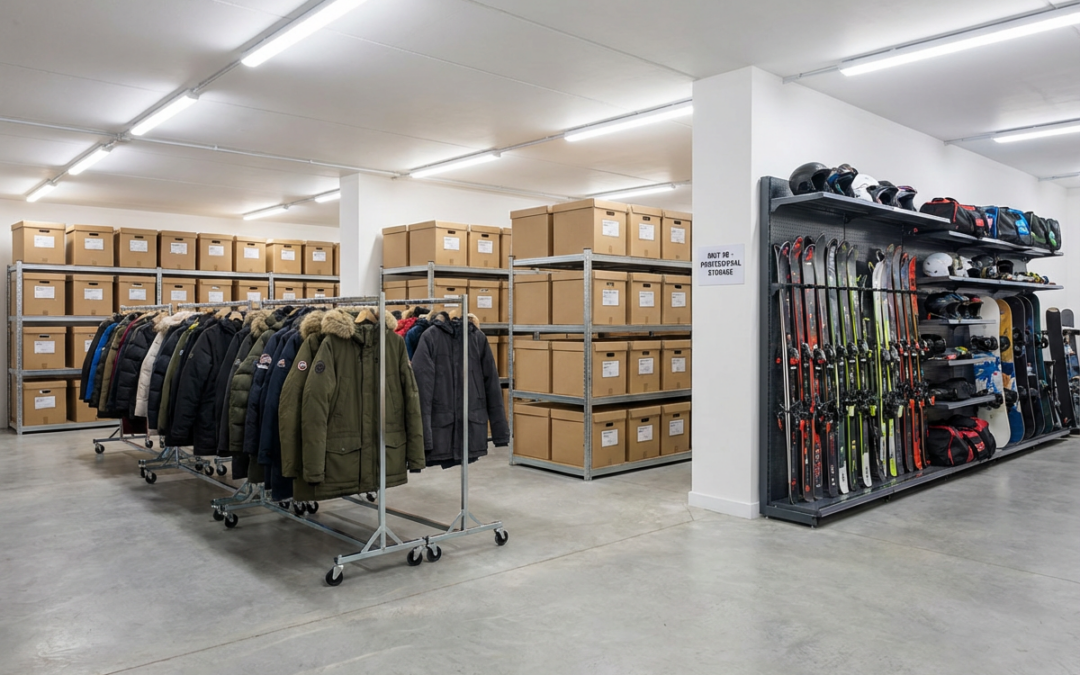
The turning of the seasons in Britain is a much-anticipated event. Each period brings unique joys, activities, and, inevitably, a distinct collection of gear. That biannual ritual of retrieving one season’s paraphernalia while finding a suitable home for the last is known as Seasonal Transitioning. For many, this process can feel like a significant undertaking, often accompanied by the thought, “Where on earth am I going to put all this?” This guide is designed to transform the seasonal swap-over from a daunting task into a satisfying, organised process, leaving you feeling refreshed and your home ready for the months ahead.
Here at Newbury Self Store, we understand the challenges involved and firmly believe that a little planning makes a substantial difference. This process is not merely about tidying; it is about protecting your belongings, saving you time and money, and, crucially, reclaiming valuable living space. Effective seasonal transitioning is key.
The Great Seasonal Shift: Why Bother With an Organised Approach to Seasonal Transitioning?
The prospect of dedicating a weekend to sorting, cleaning, and packing away clothes and equipment might not be universally appealing. It is tempting to simply place winter duvets into bin bags and hope for the best, or to cram summer shorts into already overflowing drawers. However, adopting a more considered approach to Seasonal Transitioning yields significant advantages.
Consider the relief of opening your wardrobe to find only the clothes relevant to the current season, all neatly arranged and ready to wear. No more navigating past thick jumpers on a warm July morning. Beyond immediate aesthetic improvements, a methodical approach ensures your winter woollens are less likely to house moths, and your ski boots will not develop an unpleasant odour during their summer storage. This careful management extends the life of your items, ensuring they remain in excellent condition for their next use. Consequently, this saves you the frustration and expense of unnecessary replacements. Ultimately, an organised seasonal swap leads to reduced stress, increased space, and a home that feels genuinely prepared for any weather.
Prepping for the Big Chill (Next Year!): Your winter gear storage Checklist
As summer draws near and the days become longer and warmer, it is time to prepare your winter essentials for storage. This preparation is not just about hiding them away; it is about ensuring they are ready for hibernation so they emerge next autumn in perfect condition. Proper Winter Gear Storage commences well before any item is placed into a box.
The Sorting Ceremony: What Stays, What Goes, What Gets a New Life?
The initial step is to gather all your winter items. This includes everything: emptying wardrobes, exploring the depths of the airing cupboard, and collecting stray scarves and gloves from coat pockets and car boots. Lay out all items , chunky knits, thermal vests, waterproof trousers, ski jackets, snow boots, heavy-tog duvets, and even festive decorations.
Next is the critical sorting phase. Objectivity and honesty are key. Apply these three guiding principles:
- Keep: Items you love, wore regularly last winter, and remain in good condition.
- Donate: Items still in good condition but no longer worn, do not fit, or no longer bring you joy. Charities greatly appreciate quality winter wear.
- Bin (or Recycle): Anything beyond repair, hopelessly stained, or generally past its prime. Investigate local textile recycling options.
A useful guideline is the “one-year” test: if an item was not worn at all last winter, consider the likelihood of wearing it next season. While exceptions exist for classic pieces or specialist gear, this rule is sound for everyday items. You might be surprised by how much space can be freed by letting go of unneeded belongings.
Sparkle and Shine: The Non-Negotiable Clean-Up Crew for winter gear storage
This step is absolutely crucial for effective winter gear storage. Storing items that are even slightly dirty or damp invites moths, mildew, and stubborn stains. Before any woolly sock is stored, it must be clean and, most importantly, completely dry.
- Clothing: Launder everything according to its care label. Pay special attention to jumpers and cardigans, typically requiring a gentle wool wash. Ensure items are thoroughly dried; residual moisture can lead to musty smells or mould growth over several months. For items like down-filled coats, ensure proper drying so the down re-lofts to maintain its insulating properties.
- Specialist Gear: Ski wear often requires specific cleaning; check the manufacturer’s instructions. Some items may need reproofing to maintain waterproof qualities. Thermal underwear, base layers, and fleece jackets should all be freshly laundered.
- Boots and Shoes: Clean all mud and dirt from winter boots and shoes. Use appropriate cleaners for leather or suede. Allow them to air dry completely; never store damp footwear. Stuffing them with newspaper can help maintain their shape and absorb residual moisture.
- Bedding: Wash heavy-tog duvets, blankets, and winter throws. If your washing machine is not large enough, a launderette or professional cleaning service for delicate or bulky items may be necessary. Again, ensure they are thoroughly dry before packing.
The Winter Gear Hospital: Quick Fixes Before Hibernation
While sorting and cleaning, take a few extra minutes to inspect items for minor damage. Addressing a loose button, a small tear in a seam, or a slightly sticky zip now is preferable to discovering it when you urgently need that warm coat on the first icy autumn morning.
- Sew on loose buttons.
- Mend any small rips or open seams. A few simple stitches can prevent minor damage from escalating.
- Check zips; a bit of lubricant (like a silicone spray or graphite from a pencil rubbed on the teeth) can often resolve stiffness.
- Examine winter sports equipment. Determine if skis or snowboards need servicing or waxing before storage. Check if ice skate laces are frayed. Addressing these issues now ensures they are ready for immediate use.
Know Your Arsenal: Creating a Simple Inventory for your seasonal transitioning
This might seem excessive, but creating a quick inventory of stored items can be incredibly helpful during your seasonal transitioning. A simple list in a notebook or a few photos of box contents on your phone will suffice.
This inventory helps locate specific items mid-season (e.g., during an unseasonable cold snap or when lending an item). Secondly, it serves as a reminder of what you own, preventing accidental repurchase of items like thermal gloves if you already have several pairs stored. It can also be useful for insurance purposes, particularly for valuable items such as ski equipment.
Packing It In: Smart Strategies for Effective Winter Gear Storage
Once everything is clean, repaired, and inventoried, it is time to pack. The packing method is as important as the cleaning process for maintaining your winter gear in pristine condition. Effective winter gear storage depends on these details.
Container Confidential: Choosing Your Storage Champions
The right containers significantly impact the preservation of your items.
- Airtight Plastic Bins: These are generally the best choice for Winter Gear Storage. Select sturdy bins with well-fitting, clip-on lids. They offer superior protection against dust, moisture, and pests compared to cardboard boxes, which can attract silverfish and absorb damp. Clear bins allow for at-a-glance content identification, but even with opaque ones, good labelling is vital.
- Vacuum-Sealed Bags: These are excellent for bulky items like duvets, pillows, and chunky jumpers, as they significantly reduce volume. However, use them cautiously. Over-compressing can damage the fibres of delicate items like down or natural wool over long periods. Do not extract all air to the point where the item becomes completely rigid.
- Wardrobe Boxes: For bulky coats, ski jackets, or delicate dresses best stored hanging, portable wardrobe boxes are ideal. They maintain garment shape and protect from dust.
- Specialised Storage: Original boxes are often suitable for items like ski boots or ice skates, or consider sturdy, specific boot bags for protection.
For a comprehensive selection of storage containers and packing accessories, explore the Packaging. You’ll find robust boxes, protective bubble wrap (perfect for any delicate ornaments you might be storing with winter decorations), strong tape, and marker pens for labelling. A good product combination for most seasonal storage needs would include our durable medium or large boxes, a roll of bubble wrap, a roll of quality packing tape, and a permanent marker. This ensures items are protected, boxes are secure, and everything is clearly identifiable.
The Art of the Fold (or Roll): Keeping Garments Happy in Storage
How clothes are placed into containers also matters. For most knitted items, rolling is often preferable to folding as it helps prevent sharp creases from setting during months of storage. For structured items like trousers or shirts, a neat, flat fold is usually best. Avoid over-cramming boxes; items need some room to breathe, and excessive compression can lead to deep wrinkles that are difficult to remove.
Banish the Bugs and Bad Smells: Natural Deterrents for Winter Gear Storage
No one wants to open a box of winter clothes to the smell of storage or evidence of moth damage. This is a key part of successful winter gear storage.
- Natural Repellents: Cedarwood blocks, balls, or shavings are excellent natural moth repellents and impart a pleasant, subtle scent. Lavender sachets are another good option. Refresh cedarwood annually by light sanding or adding a few drops of cedar oil.
- Avoid Chemical Mothballs: Old-fashioned naphthalene mothballs may be effective but leave a strong, unpleasant chemical smell that is difficult to eradicate and can be harmful. Opt for natural alternatives.
- Ensure Everything is Dry: This cannot be overstated. Dampness is the primary cause of mildew and musty odours.
Label Like a Legend: Your Future Self Will Thank You Profusely
This is arguably one of the most crucial steps, yet it is often rushed. Imagine facing a stack of identical boxes next autumn with no idea of their contents.
- Be Specific: Instead of “Winter Clothes,” use detailed descriptions: “Jane’s Wool Jumpers & Cardigans,” “Ski Gear, His & Hers,” “Spare Duvets & Winter Bedding.”
- Label Multiple Sides: If possible, label at least two sides of the box. This makes labels visible even when boxes are stacked.
- Consider a Master List: For numerous boxes, especially those in a storage unit, a master list corresponding to numbered boxes can be invaluable. For example, Box 1: Men’s Large Coats, Hats, Scarves. Box 2: Children’s Snowsuits & Boots (Ages 6-8).
Where Oh Where Should Your Winter Woollies Go? Finding the Ideal Storage Spot for Seasonal Transitioning
You have sorted, cleaned, and meticulously packed. Now, where will these winter bundles reside during their summer break? This is a central question in seasonal transitioning.
Home Sweet (Storage) Home: Making the Most of Your Own Space
If space permits, home storage is often most convenient. Popular locations include:
- Lofts/Attics: Common, but be aware of extreme temperature fluctuations and potential pests. Ensure containers are well-sealed.
- Basements/Cellars: Can be prone to damp; use only if dry and well-ventilated. Airtight containers are essential.
- Under Beds: Excellent for flatter boxes or vacuum-sealed bags.
- Top of Wardrobes/Cupboards: Suitable for lighter boxes, but ensure they are not overfilled and are easily accessible.
Key considerations for at-home storage are coolness, darkness, dryness, and cleanliness. Avoid direct sunlight, which can fade fabrics, and proximity to radiators or pipes that might leak. Accessibility is also important; you will want to easily reach items if an unexpected cold snap occurs.
The Newbury Self Store Sanctuary: When Your Home Needs to Breathe for seasonal transitioning
Realistically, spare storage space at home is often limited. Spare rooms can become cluttered, garages can overflow, and wardrobes may struggle under the weight of all-season contents. Self-storage is a highly effective solution for your Seasonal Transitioning needs.
Imagine, instead of navigating around ski boots in July or having your guest room dominated by boxes of winter duvets, having all out-of-season gear safely and securely stored. This leaves your home feeling spacious and wonderfully uncluttered. At Newbury Self Store, we offer a range of solutions ideal for Winter Gear Storage:
- Climate-Controlled Units: For valuable clothing, delicate fabrics, or items sensitive to temperature and humidity, our climate-controlled units provide optimal protection. They maintain a stable environment, safeguarding belongings from damp, mould, and extreme temperatures.
- Variety of Sizes: Whether you have a few boxes of clothes or bulky sports equipment and multiple sets of winter bedding, we have a unit size to meet your needs. You only pay for the space required. Our Personal Storage section details the various options available, designed to accommodate everything from a few cherished items to the contents of a small flat.
- Security and Accessibility: Our facility is secure, ensuring your belongings are safe. You can typically access your unit when needed during our access hours.
- Free Up Your Home: This is a significant benefit. Consider the valuable living space you will reclaim. Your spare room could be a functional space again, or your garage could house your car.
A customer shared last spring how she used to dread the seasonal swap, feeling her house was “shrinking.” After moving her family’s winter gear and Christmas decorations into one of our units, she was delighted. “It’s like we’ve moved to a bigger house!” she said. “The Seasonal Transitioning is so much smoother now.”
Hello Sunshine! Swapping Out Winter for Summer with Grace during your seasonal transition
Once your winter gear is safely stored, it is time to welcome back your summer essentials. The process of seasonal transitioning continues to ensure ongoing organisation.
The Reverse Operation: Prepping Summer Gear for Its Own Hibernation
When autumn returns and it is time to retrieve cosy jumpers and boots, give your summer gear the same careful treatment before storage.
- Sort: Review summer clothes, beach gear, and garden furniture cushions. Donate or discard unneeded items.
- Clean: Wash all clothing, clean paddling pools, and wipe down outdoor cushions. Ensure everything is completely dry.
- Mend: Fix any loose straps on summer dresses or small tears in beach towels.
- Inventory: Make a quick list of stored summer items.
This ensures that when next summer arrives, your warm-weather gear will also be fresh, clean, and ready.
Freshening Up for the Warmer Months
As you unpack summer items, take the opportunity to freshen them. A quick airing can be beneficial even if stored clean. Hang clothes outside on a breezy day or tumble them in the dryer on a cool setting with a dryer sheet.
Wipe down shelves or drawers where winter items were stored before placing summer clothes. This contributes to a fresh and inviting space for the new season’s wardrobe. Also, quickly check retrieved summer items for any unexpected issues.
The Joyful Reunion: Welcoming Back Your Summer Favourites
There is a certain pleasure in rediscovering favourite summer dresses, shorts, and sandals. Proper storage ensures they are in great condition, ready for sunny days and holidays.
Elevate Your Seasonal Swap: Pro Tips for a Flawless Transition and Advanced Seasonal Transitioning
Enhance your Seasonal Transitioning with these advanced tips for an even smoother process.
The Annual Rotation Ritual: Make it a Habit, Not a Hassle for seasonal transitioning
Instead of waiting until you are desperate for an item or overwhelmed by clutter, schedule your seasonal swap in your calendar. Perhaps the first weekend of April for the spring/summer swap, and the first weekend of October for the autumn/winter changeover. Breaking the task into manageable chunks over a couple of days can make it feel less daunting.
The “One In, One Out” Philosophy for a Streamlined Wardrobe
This is a useful habit year-round, particularly during seasonal swaps. If you buy a new jumper, try to part with an old one. This helps prevent collections from expanding indefinitely and keeps storage needs manageable.
Think Vertically: Maximising Your Storage Real Estate
Whether storing items at home or in a self-storage unit, utilise vertical space effectively. Use sturdy shelving units to stack boxes safely, saving floor space and making individual boxes easier to see and access. For those using larger spaces, such as our Container Storage units, which offer generous height, shelving becomes even more critical for maximising usable volume.
Beyond the Wardrobe: Seasonal Storage for Businesses Too!
While this guide focuses on household storage, many businesses also have significant Seasonal Transitioning needs. Restaurants might need to store outdoor furniture and patio heaters. Retailers often have seasonal stock requiring safe storage. Event companies may have season-specific props and equipment. If this applies to your business, our Business Storage solutions offer security, flexibility, and the benefit of freeing up valuable commercial space, helping manage inventory and operational flow more effectively.
Make Seasonal Transitioning Simple with Newbury Self Store
The biannual shift of seasonal belongings need not be a source of stress. With planning, correct techniques, and secure storage, your Seasonal Transitioning can become a smooth, satisfying process, leaving your home organised and your belongings well-protected.
At Newbury Self Store, we aim to help you maximise your space and enjoy a clutter-free life. Whether it is Winter Gear Storage or a place for summer sporting equipment, we provide flexible, secure, and convenient storage options. Imagine the peace of mind from knowing your out-of-season items are safe and out of your way. That means more home space for living and less time battling clutter.
Ready to revolutionise your seasonal swap? Our Contact Us section is the place to start for a discussion about your storage needs with our friendly team. For more information about all our services and to understand how we can help you optimise your space year-round, you can find comprehensive details on our Newbury Self Store. Let us assist in making your next seasonal transition the easiest and most organised one yet.