
 01635 581 811
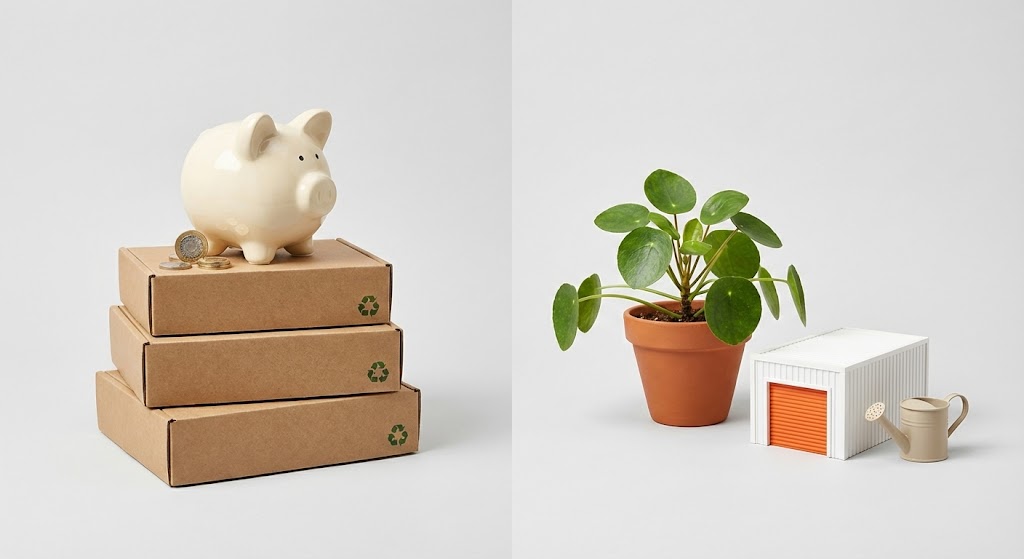
Secure self-storage can be a lifesaver, whether you’re moving house, decluttering, or running a business. The environmental impact of these decisions often gets overlooked. Embracing sustainable storage practices not only reduces your carbon footprint but can also save you a few quid in the long run; it’s a genuine win-win, really.
Choosing to store your items responsibly means making conscious decisions that benefit both your wallet and the environment. By focusing on efficiency and reusable materials, you transform a necessary service into an environmentally conscious action. This approach is part of being a more mindful consumer, ensuring your process is as green as possible from start to finish.
Why Sustainable Storage Matters
Every decision you make, even down to how you store your excess items, contributes to a larger environmental picture. Storage facilities consume energy, and packing materials generate waste; these are realities that need addressing head-on. By seeking eco-friendly storage Newbury, you’re supporting local businesses committed to greener operations.
Implementing small changes in how you prepare and manage your unit can lead to surprisingly big collective benefits. Ultimately, sustainable storage practices improve the efficiency of your storage plan, delivering value beyond simple convenience.
The Financial Benefits of Going Green
The most compelling argument for sustainable storage practices is the genuine potential for eco-friendly home savings it delivers directly to you. Renting only the space you absolutely need and reusing packing materials cuts down on avoidable expenses immediately.
Furthermore, properly preserving your belongings using quality, repurposed materials means fewer replacements are needed later on. Protecting furniture with clean blankets instead of single-use plastics extends the life of those items considerably. A well-planned, sustainable storage strategy is inherently an excellent save money storage strategy.
Choosing the Right Unit Size
One of the biggest mistakes people make is renting a storage unit that’s way too big for their needs. Think of it like this: you wouldn’t leave the lights on in an empty room, would you? So why pay to illuminate and maintain empty space in a massive unit?
Before you sign on the dotted line, take a good look at what you’re planning to store. Measure your larger items and try to estimate the total volume. The expert team at Newbury Self Store can help you figure out the right size. It’s all about being efficient and avoiding paying for air. Choosing the right storage unit size is the first, crucial step in implementing sustainable storage.
Calculating Your Needs Efficiently
To achieve optimal efficiency, create a detailed inventory before you book. Note down major items you need to store, especially those related to personal storage needs like sofas, beds, or large appliances. A quick measurement allows the team to recommend a unit size that provides maximum packing density.
By being precise with your volume requirements, you ensure every square foot you pay for is fully utilised.
Eco-Friendly Packing Materials
Right, let’s get down to the nitty-gritty. The materials you use to pack your belongings can have a significant impact on the environment. Ditch the single-use plastics and opt for green packing materials instead to secure your valuables. This switch maintains protection while drastically reducing your waste footprint.
Utilising Recyclable and Reusable Options
Cardboard Boxes: These are a classic for a reason. They’re sturdy, highly recyclable, and often available for free from local shops or businesses. Look for double-walled options for maximum protection.
Recycled Bubble Wrap: If you need plastic air cushioning, look for options made from recycled materials, which are now widely available. It offers the same necessary protection without the environmental guilt of virgin plastics.
Packing Paper: Newspaper or recycled packing paper is a great, economical option for wrapping delicate items and filling voids in boxes.
Reusable Containers: Durable plastic storage boxes are an excellent option, but they represent a long-term investment. Only choose them if you intend to use them for years to come.
Textiles: Use old towels, blankets, scarves, and clothes to wrap fragile items like glassware or ceramics. This repurposing saves you money and gives forgotten textiles a new purpose.
Remember that time Sarah was moving her vintage china? She saved a fortune and lots of waste by wrapping everything in old tea towels and spare blankets, giving her linens a new, protective purpose. You can find high-quality, eco-conscious packing options, including durable boxes and tape, through our packaging selection.
Smart Storage Strategies for Maximum Efficiency
How you pack and arrange your belongings within the unit can also contribute significantly to sustainability. Smart storage strategies can maximise space, reduce the need for additional units, and make it easier to find what you need when you need it. But what happens when you realise you have more books than you thought?
Maximising Space Through Stacking
Vertical Storage: Use sturdy shelving units or stack boxes and belongings vertically, placing heavier boxes at the bottom. This maximises floor space and keeps things safe, organised, and easily accessible.
Clear Labelling: Label all boxes clearly on at least two sides with a description of the contents. Knowing what’s inside without having to open them saves time and prevents unnecessary rummaging.
Protective Covers: Use reusable dust sheets or blankets to cover and protect furniture and other large items from dust and moisture. This method reduces the need for cleaning and helps prolong the life and condition of your belongings.
Aisles: Even in compact units, leave narrow walkways between stacks of boxes so you can easily access different parts of the unit. This is especially vital if you use your unit for long-term container storage or stock rotation.
Decluttering and Donation: Reducing Your Footprint
Before you even think about renting a self-storage unit, take the time to declutter your belongings. Be honest with yourself, do you really need all that stuff? The less you store, the smaller the unit you’ll need, and the less environmental impact you’ll have.
The ‘Store or Donate’ Decision
Set aside anything you haven’t used in two years or more, or items that you wouldn’t buy again today. This helps you identify goods that are simply taking up space. Donate or sell items you no longer need. There are plenty of charities and organisations that would be grateful for your unwanted goods, from furniture to clothing.
It’s a great way to give back to the community and reduce waste, minimising the total volume you need to accommodate. Think of this intense decluttering as an essential pre-storage spring cleaning that makes your whole plan more efficient. The eco-friendly home savings from downsizing your unit can be substantial.
Energy Efficiency in Self-Storage
While you don’t have direct control over the facility’s energy consumption, your choices influence its overall efficiency. A key consideration is the use of climate-controlled units, which require significant energy to maintain consistent temperature and humidity levels.
Evaluating Climate Control Needs
Climate Control: If you’re storing truly temperature-sensitive items like fine art, wine, or electronics, a climate-controlled unit may be necessary. However, if you are storing basic household goods or looking for cost-effective business storage for durable stock, a standard unit avoids the extra energy demand and operational expense. Only use these units when absolutely necessary for asset protection.
Lighting and Location: When accessing your unit, use a personal torch or headlamp rather than relying on general facility lighting; this contributes to overall energy conservation. Choosing a convenient storage location is also a sustainability measure, as the closer your unit is to your home or business, the less you’ll have to drive for each visit, reducing your transport-related carbon footprint.
Long-Term Commitment to Sustainability
Sustainable storage practices aren’t just about short-term fixes or one-off packing choices; they’re about making long-term changes to your habits and mindset regarding consumption and storage. By adopting a more conscious approach, you can unlock significant eco-friendly home savings, reduce waste, and create a more sustainable future.
Actionable Next Steps
Right then, here’s what you can do today to make your storage plan more sustainable and cost-effective:
Declutter: Go through your belongings and identify items you no longer need or use regularly.
Donate or Sell: Find a local charity or online marketplace to donate or sell your unwanted items.
Choose Eco-Friendly Packing: Check out the recycled and reusable packaging supplies available to protect your items.
Assess Your Storage Needs: Contact the team to discuss your inventory and find the exact right size unit for you.
By taking these steps, you can secure the ideal space while making a positive impact on the environment and maximising your savings at the same time. If you’re ready to explore secure, eco-friendly storage Newbury options, the team is ready to help you get started with your booking.