
 01635 581 811
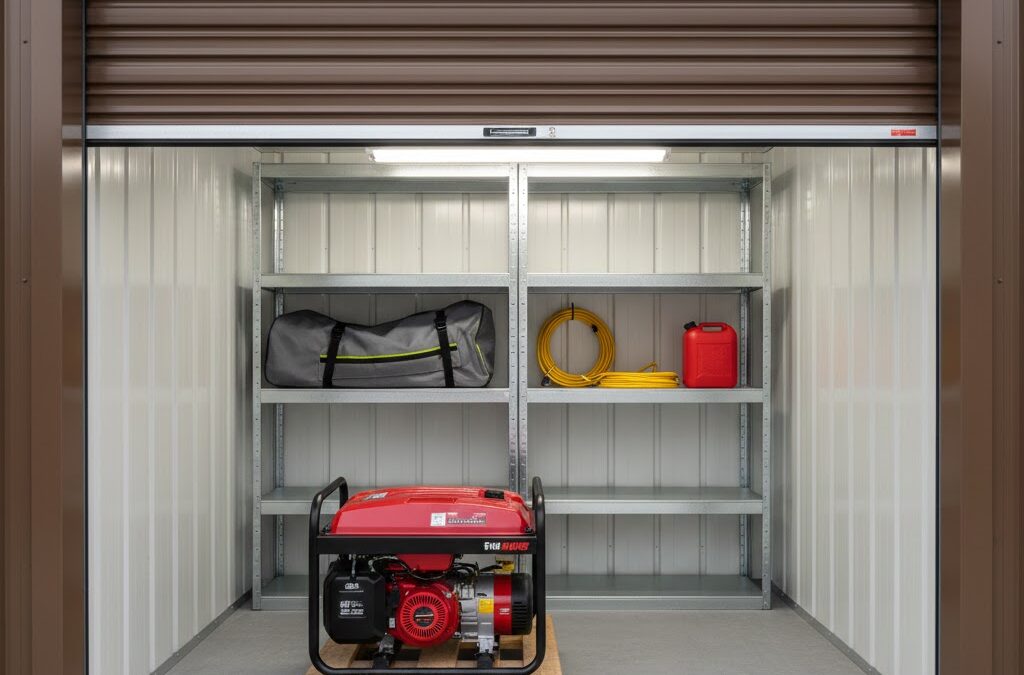
A backup generator is a vital asset, offering homeowners and businesses peace of mind when the UK power grid falters. Having reliable emergency power storage means you’re protected from unexpected outages, but that protection is only as good as the care you give your unit when it’s idle. When these powerful machines aren’t needed, they require specific steps to ensure they remain safe, functional, and ready to deploy at a moment’s notice. For many in Berkshire, learning how to store backup generator equipment is the most practical solution, whether you’re using a dedicated garage space or professional offsite options. This comprehensive guide details the preparations, maintenance, and secure locations you must consider to keep your generator in prime condition for the long term.
Why Thoughtful Generator Storage is Essential for Emergency Readiness
Generators are complex machines, and when idle, they are vulnerable to neglect. Learning how to properly store backup generator units prevents common issues like engine degradation and component failure. Leaving a unit exposed or unprepared can turn a valuable investment into a costly headache, especially when you need it most. Proper storage protects the engine, fuel system, and electrical components from long-term degradation.
Protecting Your Investment from Degradation
Improper storage invites several key risks. The most common issues include fuel varnish in the carburetor and rust on critical engine components due to moisture. You wouldn’t leave a boat in the water all winter without winterising it first, and your generator deserves the same care to prevent failures. This meticulous approach ensures your unit delivers reliable emergency power storage instantly when a crisis hits, saving on future repair costs.
Preparing Your Generator for Long-Term Storage
Preparation is the most critical phase of long-term storage. Before locking the unit away, you must perform checks and protective steps to mitigate the risks associated with sitting idle. These actions are crucial whether you’re storing the generator in a personal shed or a professional offsite facility.
The Importance of Draining or Stabilising Fuel
Fuel stability is the biggest concern for any piece of power equipment. Modern petrol degrades quickly, leaving gummy residue that clogs the carburetor and fuel lines in as little as 30 days. You have two main options: run the engine until the fuel supply is exhausted or add a high-quality fuel stabiliser. If stabilising, run the engine for a few minutes to ensure the product circulates through the entire fuel system.
Oil Change and Spark Plug Inspection
Dormant engine oil can trap moisture and contaminants, causing corrosive damage within the engine block. It’s highly recommended to change the oil and filter before storage so that clean, fresh oil protects the moving parts. Remove the spark plug and pour a small amount of engine oil into the cylinder, gently pulling the starter cord to distribute it before replacing the plug.
This simple measure prevents the cylinder walls from rusting during months of inactivity.
Thorough Cleaning and Rust Prevention
A clean generator is a protected generator. Use a dry cloth or low-pressure air hose to remove all dirt, dust, and debris, paying special attention to cooling fins. Once the unit is completely clean and dry, apply a rust inhibitor, such as a water-displacing spray, to any exposed metal surfaces. This protective layer provides maximum defence against rust and moisture, even for generators stored in less-than-ideal conditions.
Choosing the Ideal Location for Secure Emergency Power Storage
The location where you store backup generator units dictates the level of protection required. While a garage might seem convenient, its fluctuating temperature and humidity levels can be detrimental over months or years, which is why choosing a professional facility is often better. Your priority must be finding a consistently dry and secure environment for the long term.
Best Practices for At-Home Garage or Shed Storage
If you store your generator at home, ensure the space is dry, well-ventilated, and secured against theft. Generators should always be raised off the concrete floor, perhaps using wooden pallets, to prevent cold and dampness from wicking up into the frame. Furthermore, you must never store flammable liquids like petrol alongside the generator indoors due to fire and fume risks; fuel must be kept separately and safely.
Leveraging Offsite Storage for Security and Space
For seasonal storage or when you require exceptional security, an offsite personal storage unit offers a robust solution for homeowners and renters. Facilities like Newbury Self Store offer enhanced security features, including perimeter fencing, 24/7 CCTV monitoring, and individually alarmed units. This choice is popular among homeowners undergoing renovation or individuals needing secure storage for their valuable, seldom-used power equipment.
The Advantages of Container Storage for Large Units
Business owners or those with large industrial-grade generators often find that drive-up container storage is the most practical solution. These units provide easy accessibility for dropping off and collecting large, heavy equipment, often allowing vehicle access right up to the door. This simplifies handling heavy generators or other equipment compared to manoeuvring them through crowded indoor corridors, making it ideal when you need to store backup generator units alongside seasonal business stock.
Maintaining Readiness: Checks During Generator Storage
Once your generator is prepped and placed in long-term storage, the job isn’t finished. A minimal maintenance schedule ensures the internal parts remain lubricated and the unit stays responsive for emergency power storage needs.
Seasonal Maintenance Schedule
If your generator is stored for more than three months, it’s beneficial to start it up periodically. Run the unit for 10–15 minutes under a light load (like a few work lights) every 60–90 days. This essential practice circulates the oil, keeps the seals lubricated, and ensures all internal moving parts avoid seizing up from prolonged idleness.
Battery Care and Trickle Charging
For generators with an electric start, the battery can quickly become a weak point. Batteries naturally discharge over time, and a fully discharged unit may fail permanently. Use a trickle charger or battery maintainer designed for small engines to keep the charge topped up. A well-maintained battery guarantees the unit starts immediately when you need it for emergency power storage.
Protecting Against Pests and Environmental Damage
Small pests like mice and wasps are drawn to the dark, sheltered spaces within a generator’s casing. These creatures can chew wiring, build nests, and block exhaust ports, leading to catastrophic engine damage. Block up any openings with steel wool and consider using safe, non-toxic repellents around the base to protect against unexpected internal damage.
Safety Guidelines for Fuel, Chemicals, and Batteries
Safety is non-negotiable when dealing with internal combustion engines, flammable liquids, and lead-acid batteries. Adherence to these strict safety guidelines protects both you and your property.
Securely Storing Flammable Liquids
All fuel should be stored in approved, robust containers that are clearly labelled and kept away from the generator unit itself, especially if you’re using professional offsite facilities. Remember that most storage facilities have strict rules regarding the storage of flammable materials, so always check your agreement before storing fuel on site.
Imagine business owner Jane, who left a can of old petrol next to her commercial generator in her warehouse. When summer temperatures spiked, the accumulated fumes created a serious safety hazard. A simple check of storage rules and the use of dedicated, certified storage for all flammable liquids would have prevented this unnecessary risk. This also protects valuable business storage spaces for equipment and stock.
Handling and Disposing of Generator Batteries
Generator batteries contain corrosive acid and can emit explosive hydrogen gas during charging. Always handle them wearing protective gloves and eyewear. Never throw old batteries in household waste; they must be disposed of properly at a dedicated recycling centre. This ensures harmful materials are handled responsibly under UK environmental regulations.
Next Steps: Securing Your Generator and Supplies
Taking the time to properly prepare and store backup generator equipment is an act of foresight that pays off handsomely when a crisis hits. By carefully preparing the engine, stabilising the fuel, and choosing the right environment, you ensure your emergency unit is always ready for service when you need reliable emergency power storage most.
We also offer a range of robust packing materials and moving boxes to keep ancillary items tidy and protected. To discuss your options or to request a quote, please feel free to get in touch today. If you’re seeking the most flexible and secure options in Berkshire, professional facilities provide the peace of mind you deserve.