
 01635 581 811
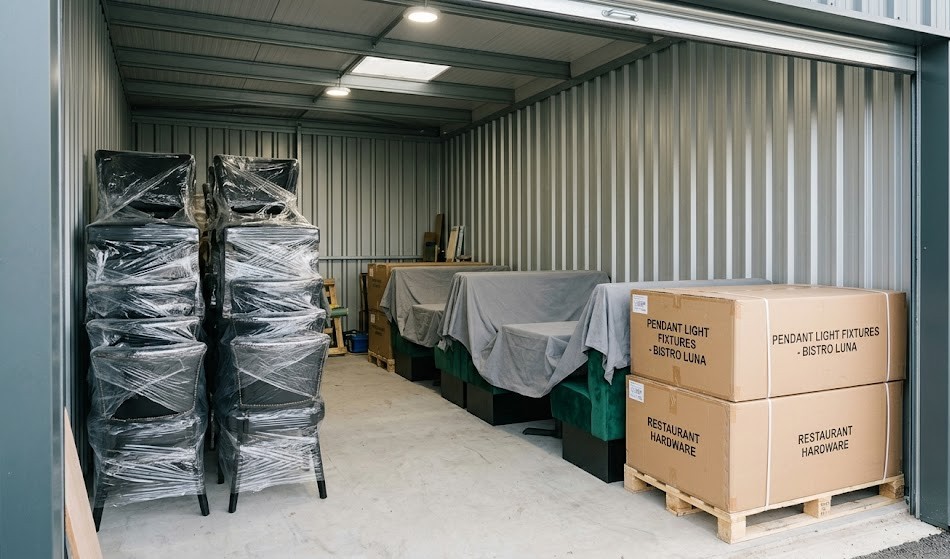
Refurbishing a restaurant doesn’t just mean shutting the doors for a few weeks and hoping for the best. It means protecting thousands of pounds worth of furniture, fixtures, and equipment whilst contractors rip up flooring, repaint walls, and reconfigure your entire layout. One scratched bar top or damaged dining chair can cost you hundreds to replace, and if you’re storing everything on-site during the work, you’re taking a gamble with your biggest assets.
The smartest restaurant owners don’t leave their furniture stacked in a corner covered with dustsheets, hoping builders will work around them carefully. They move everything off-site to proper restaurant refurbishment storage, where dust, paint splatter, and accidental damage can’t reach. It’s the difference between reopening with pristine furniture and reopening with a repair bill that eats into your renovation budget.
Why on-site storage during renovations rarely works
Contractors need space to work efficiently. When your dining tables, chairs, and bar stools are crammed into the back room or stacked along one wall, you’re creating obstacles that slow down the project and increase the risk of damage. Builders need room to manoeuvre equipment, lay materials, and move freely without navigating a maze of furniture.
Dust is another hidden problem. Renovation work generates fine particles that settle on every surface, working their way into upholstery fabric, wood grain, and metal fixtures. Even with protective sheeting, dust finds a way through. You’ll spend hours cleaning everything before you can reopen, and some materials, like velvet or suede upholstery, may never fully recover.
Then there’s accidental damage. A misplaced ladder, a dropped tool, or a careless moment can scratch, dent, or break furniture that’s been squeezed into a corner. Most contractors carry insurance, but claiming for damaged furniture delays your reopening and creates unnecessary hassle. Moving everything to secure business storage eliminates these risks entirely.
What happens when you store furniture properly
Think of proper storage as an insurance policy for your refurbishment. When your furniture and fixtures are safely stored off-site, contractors can work faster, cleaner, and more efficiently. They’re not working around obstacles, and you’re not worrying about whether your new leather banquettes will survive the renovation.
A local bistro owner in Newbury recently refurbished their entire dining area, replacing flooring, repainting walls, and upgrading lighting. They moved all their furniture into a storage unit for six weeks. When the work finished, they brought everything back in pristine condition, ready for reopening night. No cleaning, no repairs, no stress.
Proper storage also gives you time to assess what you actually need. When furniture is out of the space, you can visualise the new layout more clearly. Some owners realise they need fewer tables or different seating arrangements. Having everything in storage gives you flexibility to make those decisions without clutter clouding your judgement.
What to move into storage before work begins
Not everything needs to leave the premises, but anything valuable, fragile, or difficult to replace should go into storage immediately. Here’s what experienced restaurant owners prioritise:
Dining furniture – Tables, chairs, bar stools, and booth seating take up the most space and are most vulnerable to damage. These are your biggest investment and the hardest to replace quickly.
Bar fixtures and equipment – If you’re refurbishing the bar area, move glassware, shelving, and any decorative fixtures. Bar tops and back bars should be protected if they’re staying, but smaller items need proper storage.
Artwork and decorative pieces – Paintings, mirrors, and decorative lighting fixtures are expensive and irreplaceable. Remove them before any work starts.
Soft furnishings – Curtains, cushions, and any fabric items that absorb dust and odours should go into storage. They’re difficult to clean properly once they’ve been exposed to renovation debris.
Kitchen equipment – If your refurbishment includes the kitchen, move out smaller appliances, utensils, and anything not fixed in place. Large equipment like ovens and fridges can stay if they’re properly protected, but portable items should go.
Point-of-sale systems and electronics – Dust and debris can damage electronic equipment. Move POS systems, tablets, and any tech equipment to storage or a secure off-site location.
How to pack restaurant furniture for storage
Packing restaurant furniture isn’t the same as packing household items. Commercial furniture is heavier, bulkier, and often more valuable. You need proper materials and a clear system to keep everything protected and organised.
Start with high-quality packing supplies. Cheap materials won’t protect expensive furniture. Invest in heavy-duty cardboard boxes, bubble wrap, furniture blankets, and strong packing tape. The packaging you choose makes a real difference to how well your items survive storage.
Disassemble what you can. Tables with removable legs, stackable chairs, and modular seating should be broken down to save space and reduce the risk of damage. Wrap each component separately and label everything clearly so you know what goes where when you’re ready to reassemble.
Wrap upholstered furniture properly. Use furniture blankets or moving pads to cover chairs and booth seating. Don’t use plastic sheeting directly on upholstery, as it can trap moisture and cause mould. Fabric needs to breathe, even in storage.
Protect table tops and bar surfaces. Wrap wooden or glass table tops in bubble wrap, then cover with cardboard or furniture blankets. If you’re storing glass shelving or mirrors, sandwich them between layers of cardboard and mark them clearly as fragile.
Label everything. Use a clear labelling system that tells you exactly what’s in each box or what each wrapped item is. When you’re ready to reopen, you don’t want to waste time unwrapping everything to find the right pieces.
Choosing the right storage unit size
Most restaurant owners underestimate how much space they need. A small café might get away with a 100-150 square foot unit, but a full-service restaurant with 30-40 covers will need significantly more. If you’re storing tables, chairs, bar fixtures, and kitchen equipment, you’re looking at 200-300 square feet or more.
The key is to choose a unit that gives you room to organise everything properly. Cramming furniture into a space that’s too small means stacking items dangerously high and making it difficult to access anything if you need it during the refurbishment. A slightly larger unit costs a bit more but saves you hours of frustration.
Drive-up access makes a massive difference when you’re moving heavy commercial furniture. Units with direct vehicle access mean you can load and unload without carrying tables and chairs through corridors or up stairs. If you’re moving a lot of items, container storage offers the easiest access and the most space for large-scale refurbishments.
Climate control isn’t essential for most restaurant furniture, but if you’re storing valuable wooden pieces, upholstered items, or anything sensitive to temperature and humidity changes, it’s worth considering. Leather, velvet, and antique wood can deteriorate in extreme conditions.
Organising your storage unit for easy access
How you arrange your dining furniture storage space determines how easy it is to retrieve items if you need them during the refurbishment. Don’t just pile everything in and hope for the best. A bit of planning at the start saves hours of searching later.
Place items you might need first near the front. If there’s a chance you’ll need to access certain pieces during the renovation, keep them close to the door. Small items like decorative fixtures or spare chairs should be easily reachable.
Stack carefully. Heavier items go on the bottom, lighter items on top. Never stack upholstered furniture under heavy tables or equipment. Use shelving if possible to keep smaller items organised and off the floor.
Create aisles. If you’re storing a lot of furniture, leave narrow walkways so you can reach items at the back without dismantling the entire unit. It’s tempting to fill every inch of space, but accessibility matters.
Keep an inventory. Write down what you’ve stored and where it’s located in the unit. Take photos as you pack so you have a visual record. This makes unpacking faster and helps you spot anything that’s missing or damaged when you retrieve everything.
Timing your storage rental
Most refurbishments take longer than planned. Contractors hit unexpected problems, materials arrive late, or you decide to make changes halfway through. When you’re booking storage, add at least two weeks to your estimated timeline. It’s easier to return furniture early than to scramble for an extension when your unit rental runs out and work isn’t finished.
Flexible rental terms are essential. Choose a storage provider that lets you extend your rental month-to-month without penalties. The last thing you need during a stressful refurbishment is a storage company demanding you remove everything before you’re ready.
If your refurbishment is happening in stages, you might need restaurant refurbishment storage for different periods. For example, if you’re renovating the dining area first and the bar area later, you can return dining furniture whilst keeping bar fixtures in storage. Discuss your timeline with your storage provider so you’re not paying for space you don’t need.
Protecting your investment during the move
Moving restaurant furniture isn’t a job for amateurs. Commercial furniture is heavy, awkward, and expensive to replace if damaged. If you’re moving everything yourself, you need proper equipment: a van or truck with enough space, furniture dollies, and enough people to lift safely.
Hire professionals if you’re moving a lot of furniture. Experienced movers know how to handle commercial pieces without scratching floors, damaging door frames, or injuring themselves. They’ll have the right equipment and insurance to cover any accidents.
Protect your restaurant during the move. Lay down protective sheeting or cardboard on floors to prevent scratches and scuffs. Remove door handles or fixtures that could catch on furniture as you’re moving it out.
Check everything before it goes into storage. Inspect each piece for existing damage and photograph anything valuable. If something gets damaged in storage, you’ll have proof of its condition when it went in.
What to do when the refurbishment finishes
When your refurbishment is complete and you’re ready to bring furniture back, don’t rush. Make sure all the work is finished, cleaned, and fully dry before you move anything in. Paint needs time to cure, flooring adhesives need to set, and any new fixtures should be securely installed.
Clean the space thoroughly first. Even if contractors have cleaned up, there’s always dust and debris left behind. Wipe down all surfaces, vacuum thoroughly, and make sure the air is clear before you bring upholstered furniture back in.
Inspect everything as you unpack. Check each piece for damage as you remove it from storage. If anything is broken or scratched, document it immediately and contact your storage provider if necessary.
Reassemble carefully. If you disassembled tables or seating, take your time putting everything back together. Rushed reassembly leads to wobbly tables and loose fittings that create problems later.
Why Newbury Self Store works for restaurant refurbishments
Restaurant owners need storage they can rely on. You’re juggling contractors, suppliers, staff schedules, and a hundred other details during a refurbishment. Your storage provider should make life easier, not add to your stress.
Newbury Self Store offers flexible rental terms, secure units, and easy access when you need it. Whether you’re storing furniture for a few weeks or several months, you get the space and support you need without complicated contracts or hidden fees. If you’re planning a refurbishment and need to protect your furniture and fixtures properly, contact us to discuss your requirements and find the right storage solution for your business.
Final thoughts on protecting your restaurant during renovations
Refurbishing a restaurant is expensive, disruptive, and stressful. The last thing you need is damaged furniture adding to your costs and delaying your reopening. Proper dining furniture storage isn’t an optional extra; it’s a smart business decision that protects your investment and keeps your refurbishment on track.
When you move furniture and fixtures into secure, off-site restaurant refurbishment storage, you give contractors the space they need to work efficiently. You eliminate the risk of dust, damage, and delays. And when your refurbishment is complete, you bring everything back in the same condition it left, ready to welcome customers into your newly renovated space.
Don’t leave your furniture stacked in a corner hoping for the best. Plan ahead, pack properly, and store everything safely. Your refurbishment will run smoother, your furniture will stay protected, and you’ll reopen with confidence, knowing everything is exactly as it should be.