
 01635 581 811
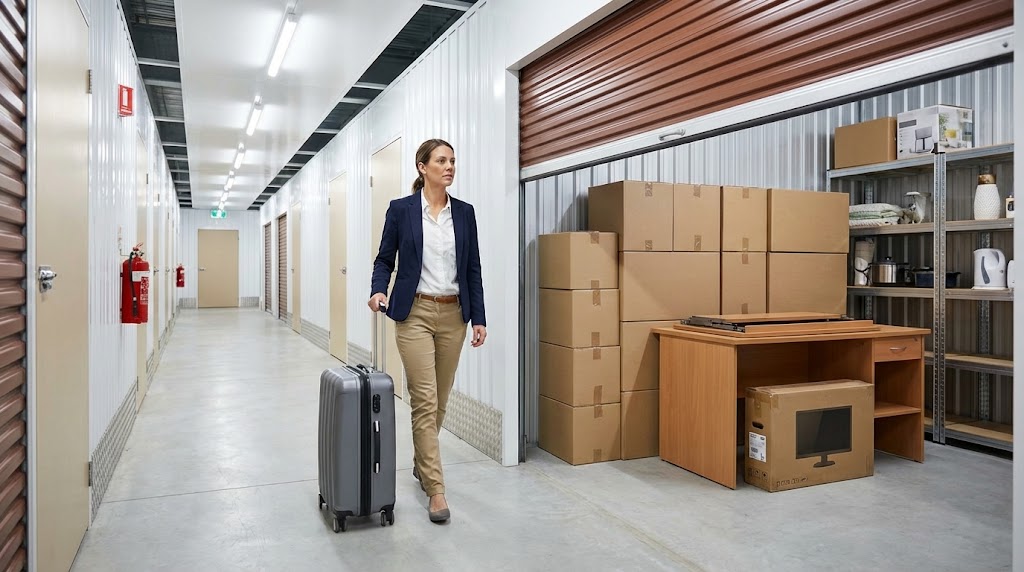
Accepting new job opportunities often means relocating to unfamiliar areas – exciting career advancement complicated by exhausting logistics. You’re coordinating property sales or lease terminations, searching for new accommodation, managing removals, and simultaneously starting demanding new roles. Relocation storage solutions eliminate the pressure of coordinating everything simultaneously, giving you secure space for belongings whilst you navigate transitions at manageable paces.
Corporate relocation help increasingly includes temporary storage as standard benefits recognising that moving timelines rarely align perfectly. Your job starts immediately. Your ideal permanent accommodation takes months to find. Your previous property hasn’t sold yet. Storage bridges these timing mismatches, preventing rushed decisions about where to live or what to keep under deadline pressure.
This practical infrastructure transforms potentially overwhelming relocations into manageable staged processes where you handle one challenge at a time rather than everything simultaneously.
Why Storage Proves Essential During Work Moves
Job relocations force juggling multiple major life changes concurrently. New careers demand focus and energy. Finding suitable permanent accommodation requires time and research. Managing property transitions involves complex coordination. Attempting all this simultaneously whilst possessions sit in removal vans creates unnecessary stress.
Professional storage provides secure holding space that decouples these interlinked challenges. Your belongings stay safe whilst you focus on establishing yourself professionally. You can search for ideal permanent homes without accepting first available options because removal trucks are waiting. You can stage moves in phases rather than exhausting single-day marathons.
Think of storage like a pause button for the physical aspects of relocation. It gives you time to handle each challenge properly rather than compromising everything through rushed coordination.
Phased Moving Strategies
Relocation storage solutions enable systematic phased approaches rather than chaotic single moves. This strategy provides enormous practical and psychological benefits during already stressful transitions.
Initial Phase – Essential Items Only
Move immediately needed items – clothing, basic kitchen equipment, electronics, work materials – into temporary accommodation. Everything else goes into secure storage. This approach means you’re living comfortably in temporary lodgings without cramming entire households into inappropriate spaces.
Temporary accommodation becomes actually liveable rather than obstacle courses of stacked boxes and furniture. You can function normally whilst searching for permanent homes rather than camping amongst your possessions.
Middle Phase – Establishing Your Career
Focus entirely on new roles without distraction. Those first three months are crucial for establishing professional credibility and understanding new workplace cultures. The last thing you need is coordinating furniture deliveries, unpacking boxes, or dealing with removal complications.
Your belongings remain secure and accessible. You can retrieve specific items when needed without maintaining entire households in unsuitable temporary spaces. This separation lets you prioritise career establishment without sacrificing belongings.
Final Phase – Settled Relocation
Once you’ve found ideal permanent accommodation and established yourself professionally, coordinate final moves from storage to new homes at convenient times. You’re making decisions calmly about furniture placement and organisation rather than rushing because removal companies charge by the hour.
This phased approach dramatically reduces stress compared to attempting everything simultaneously under rigid deadlines.
Strategic Decluttering Opportunities
Relocations provide excellent opportunities for thoughtful decluttering. You’re assessing every possession anyway – might as well be strategic about what actually accompanies new chapters.
Presenting Previous Properties Optimally
If selling or renting previous properties, removing excess belongings makes spaces appear larger, cleaner, and more appealing. Estate agents consistently report that decluttered properties sell faster and command better prices than cluttered equivalents.
Personal storage solutions provide temporary homes for possessions during property marketing. You present properties in best possible light whilst preserving everything you want keeping for future homes. Once properties sell, you coordinate moves from storage directly to new permanent addresses.
Fresh Starts Without Regret
Moving provides natural moments to reassess possessions. Do you genuinely need everything accumulated over years? Some items definitely accompany you. Others clearly deserve discarding or donating. Many fall into uncertain categories – worth keeping but not immediately needed.
Storage accommodates this middle category perfectly. Items go into secure facilities whilst you settle into new locations. After some months, you’ll have clearer perspectives on what you actually miss versus what you’ve managed perfectly well without. This measured approach prevents hasty disposal decisions you’ll later regret.
Selecting Appropriate Storage Sizes
Choosing correct unit sizes ensures cost efficiency without compromising accessibility. Oversized units waste money on empty space. Undersized units force awkward cramming that damages possessions and prevents accessing items.
Practical Size Guidelines
25 sq ft units accommodate boxes and small furniture from studio flats or single bedrooms. These suit minimalist professionals moving with limited possessions.
50 sq ft spaces hold contents from one-bedroom flats comfortably. Furniture from main living areas plus boxes fit without excessive cramming.
100 sq ft units accommodate two-bedroom flat contents including substantial furniture collections. These suit couples or small families relocating.
200 sq ft spaces hold three-bedroom house contents or substantial business equipment and archives. These suit larger families or professionals moving extensive home offices.
Most facilities provide detailed size guides comparing unit dimensions to familiar room sizes. This visualisation helps estimate requirements accurately before committing to specific sizes.
Container Versus Internal Units
For particularly bulky items – construction equipment, large furniture collections, substantial business inventory – container storage options offer drive-up access simplifying loading heavy items without navigating corridors or lifts.
Standard household goods typically benefit from internal units providing enhanced dust and weather protection. Climate-controlled internal spaces particularly suit sensitive items like electronics, documents, or antiques vulnerable to temperature fluctuations.
Packing for Extended Storage
Proper packing determines whether stored possessions survive moves in excellent condition or suffer preventable damage requiring expensive repairs or replacement.
Essential Protection Measures
Use quality materials. Cheap boxes collapse under stacking weight. Inadequate wrapping scratches furniture. Poor sealing allows dust infiltration. Invest properly in sturdy boxes, furniture covers, bubble wrap, and strong tape.
Disassemble furniture appropriately. Bed frames, table legs, and shelving units pack more efficiently dismantled. This saves space and prevents damage to assembled pieces during handling. Keep all screws, bolts, and assembly instructions together in clearly labelled bags attached to relevant furniture.
Wrap fragile items individually. Glasses, electronics, ornaments, and similar delicate possessions require individual bubble wrap layers. Don’t skimp on protection – replacement costs far exceed proper wrapping materials.
Label comprehensively. Mark boxes clearly on multiple sides with detailed contents and destination rooms. “Kitchen – Everyday Dishes and Glassware” proves far more useful than vague “Kitchen Box” labels when searching for specific items months later.
You can source quality protective materials – moving boxes, furniture covers, bubble wrap, and sealing supplies – from the packaging shop ensuring proper protection throughout storage periods.
Digital Inventory Creation
Create detailed inventories listing everything stored. Include photographs of valuable items showing condition at storage time. This documentation proves invaluable for insurance purposes and helps verify everything’s present when eventually retrieving possessions.
Maintain inventories digitally in cloud storage accessible from anywhere. When you suddenly need specific items whilst in new locations, you can check whether they’re in storage, which box, and where that box is positioned within units.
Maximising Storage Efficiency
Strategic organisation within units determines how easily you can retrieve specific items without unpacking everything. Poor organisation means frustrating searches through dozens of similar boxes. Proper systems mean locating individual items within minutes.
Layout Planning
Leave narrow access paths between stacked items. This allows reaching boxes at back without dismantling entire units. Place frequently needed items near entrances at convenient heights. Rarely accessed items can occupy back corners or high positions.
Stack strategically with heavier, sturdier boxes creating stable bases. Lighter boxes and oddly shaped items sit on top. Use full vertical space – storage units typically offer good ceiling heights that many people underutilise.
Think of organisation like warehouse management. Everything has designated positions. You can locate specific items quickly because systematic arrangement makes finding things straightforward rather than chaotic.
Security Standards for Work Relocations
Professional relocations often involve valuable possessions accumulated over years plus work equipment, documents, and materials that cannot be easily replaced. Comprehensive security proves essential.
Essential Protection Features
24/7 CCTV monitoring provides constant surveillance across all facility areas. Every movement gets recorded, creating accountability and deterring potential problems.
Perimeter fencing with electronic gate access prevents unauthorised entry. Only individuals with proper access codes can enter facilities.
Individual unit alarms protect specific storage spaces. Even if someone bypassed perimeter security, they cannot access your particular unit without triggering alerts.
On-site staff during operational hours provide immediate assistance and maintain secure managed environments.
Newbury Self Store implements these security measures as standard features, understanding that relocation possessions often carry significance beyond simple financial value.
Contract Flexibility Requirements
Job relocations involve inherent uncertainty. Your temporary accommodation might last three months or stretch to six. Your property sale might complete quickly or face delays. Your ideal permanent home might appear immediately or take extended searching.
Rigid long-term storage contracts don’t accommodate this unpredictability. Month-by-month rolling agreements provide genuine flexibility. You’re not locked into fixed terms that might not suit actual circumstances. You can extend, reduce, or terminate arrangements as situations develop.
This flexibility proves particularly valuable for corporate relocation help packages where employers cover storage costs temporarily. Clear monthly terms simplify expense reporting compared to complex long-term contracts requiring amendments.
Real-World Success Stories
Consider James’s experience. His company transferred him from Manchester to Reading with three weeks’ notice. His flat lease ended two months later. He hadn’t found permanent accommodation yet. Professional storage meant he could accept the promotion without declining due to impractical logistics.
He moved essential items into temporary corporate accommodation. Everything else went into secure storage. He spent his first three months establishing himself professionally without distraction. Once he’d identified ideal areas to live and found suitable properties, he coordinated final moves from storage to his new home calmly and systematically.
Without storage, he would have either declined the promotion or accepted inappropriate permanent accommodation under pressure. Storage gave him time to handle everything properly.
Business Equipment Considerations
Professional relocations often involve substantial business equipment – home office setups, client files, reference materials, inventory samples. This equipment cannot simply be discarded but might not fit temporary accommodation appropriately.
Business storage solutions provide secure space for professional materials whilst you establish new workspaces. Climate-controlled units protect sensitive electronics and documents. Flexible access means you can retrieve specific files or equipment when needed without maintaining complete offices in unsuitable temporary spaces.
Making Relocation Manageable
Relocation storage solutions transform potentially overwhelming job moves into systematic processes managed at comfortable paces. Rather than coordinating everything simultaneously under impossible deadlines, you handle challenges sequentially with proper attention to each aspect.
Your belongings stay secure. You focus on professional establishment. You search for ideal permanent accommodation without pressure. You make thoughtful decisions about possessions rather than rushing under deadline stress. This systematic approach dramatically improves relocation success rates and reduces associated stress.
Professional storage isn’t added expense – it’s essential infrastructure that makes successful work relocations practical. The modest monthly costs prove trivial compared to the benefits of managing transitions properly rather than compromising everything through rushed coordination.
Ready to make your work relocation manageable rather than overwhelming? Contact the team for straightforward advice about unit sizes, security features, and flexible arrangements supporting successful career relocations.