
 01635 581 811
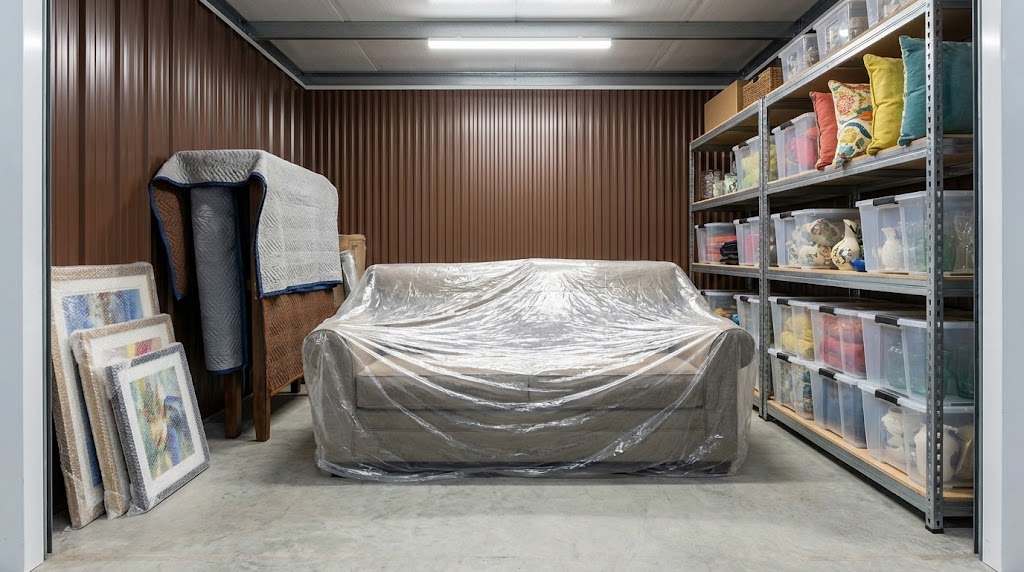
Renovating your home is an exciting endeavour. However, during the chaos, protecting your valuable furniture and décor must be a top priority. Taking time to plan for effective remodeling furniture storage ensures everything emerges safe, clean, and ready to enjoy in your transformed home.
Strategic Planning for a Seamless Renovation
Preparation is your best defence against delays and damage during any home improvement project. Don’t wait until the last minute to decide where to store furniture during renovation. A well-thought-out plan prevents stressful scrambles and ensures a smooth transition. Start by inventorying everything to determine what needs secure storage and what might be sold or donated.
Determining What Stays and What Goes
Walk through each room being renovated and make a clear list of items that must be moved. Focus particularly on precious or bulky items, such as antique cabinets, large sofas, and fragile wall art. For major renovations, it’s safer to assume all non-essential items should be relocated to a dedicated, secure off-site space. Items remaining nearby still need robust protection from dust, paint, and unexpected impacts.
Budgeting for Secure, Flexible Storage
Storage is an essential part of your renovation budget that must be factored in early. Consider your renovation timeline; a short refit differs greatly from a six-month remodel. Look for providers that offer flexible contracts and transparent pricing. A small investment in quality storage now saves the much greater cost of replacing damaged goods later.
Choosing the Best Temporary Home for Your Valuables
Deciding where to temporarily house your belongings depends entirely on the scope of work and the amount of space you need to clear. There are generally two options, and each comes with trade-offs regarding accessibility and protection.
Evaluating On-Site Versus Off-Site Options
On-site storage, like a spare room, is convenient but risks constant exposure to renovation hazards. This includes fine dust, accidental knocks, and temperature changes. For major structural work or storing the contents of several rooms, a professional, off-site unit is undoubtedly the superior choice for protection.
Off-site storage provides a dedicated, protected environment away from building site dust and disruption. This is ideal when choosing remodeling furniture storage for valuable pieces. You can explore secure domestic storage solutions through personal storage options to find a unit size that fits your precise needs. For large-scale projects or managing stock during a business relocation, long-term container storage provides large capacity and drive-up access. This space is also useful for versatile business storage of equipment and records.
Essential Preparation Steps Before Packing
Don’t just drag your belongings out of the room and hope the dust sheets hold up; proper preparation is crucial to preventing long-term damage when you store furniture during renovation. Cleaning and disassembly are key steps you shouldn’t skip. Just like you wouldn’t head out into a winter storm without a coat, you shouldn’t put furniture into storage without protective wrapping.
Cleaning and Conditioning Furniture
Ensure all wooden or upholstered furniture is thoroughly cleaned and conditioned before storage. Fine renovation dust causes friction and permanent marks in wood grain and fabric. Polish items and vacuum upholstery, allowing them to air dry completely. This prevents dirt from damaging finishes and guards against mildew.
Disassembly and Hardware Management
Disassemble furniture that can safely be taken apart, such as beds and tables, to save space and reduce the risk of breakage during transport. Place all hardware – screws, bolts, and small fixtures – into a sealable plastic bag. Firmly tape this bag to a main component of the furniture item it belongs to. Imagine the Harrison family: Mr. Harrison taped the dining table hardware to the underside of the tabletop, ensuring zero wasted time searching for fittings when the renovation finished.
Professional Techniques for Packing Delicate Décor
Décor items, like glassware and framed art, are often the most fragile you own, demanding systematic packing methods. Packing them like a pro requires sturdy materials and systematic methods to ensure they remain cushioned and protected from movement.
Selecting Appropriate Moving Boxes and Wraps
Always use high-quality, double-walled boxes, opting for smaller ones for fragile contents. Never underestimate the importance of professional packaging supplies; you’ll need bubble wrap, acid-free paper, and strong tape. A full inventory of quality boxes and protective materials is available. Treat each décor item individually with multiple layers of cushioning. Use crumpled paper to fill all empty space within the box, eliminating movement and creating a protective cocoon around the contents.
Labelling for Stress-Free Retrieval
Clear, concise labelling is the secret to an effortless unpacking process. Mark each box clearly on two sides with its contents, the room it belongs in, and the word “FRAGILE” if needed. This organisation prevents breakages and helps you prioritise which items to retrieve first.
Maximising Protection Within Your Storage Unit
The way you arrange your belongings inside the unit is just as important as how you pack them. An organised unit provides protection, allows air circulation, and ensures you can access essential tools if your renovation schedule changes unexpectedly.
Creating an Optimal Layout for Circulation and Access
Stack the heaviest, largest items at the back or along the sides of the unit. Leave a small gap between the walls and your possessions to allow air to circulate freely and prevent moisture build-up. Following these steps when you store furniture during renovation ensures the integrity of your belongings. Never place boxes or furniture directly on the concrete floor. Use wooden pallets or planks to elevate your items by a few inches, which acts as a barrier against ground moisture and pests.
When to Choose a Climate-Controlled Environment
Items sensitive to temperature and humidity require extra care. If storing wooden antiques, fine art, leather furniture, or musical instruments, a climate-controlled unit is highly recommended. These units maintain consistent temperature and humidity, mitigating the risk of warping, cracking, and mildew caused by weather changes. You can find out more about the variety of secure, flexible options available.
Ensuring Trustworthiness and Security for Total Peace of Mind
The best packing won’t matter if your belongings aren’t secured in a trustworthy facility. Security and insurance are the two pillars of true peace of mind during a long renovation project.
First, always verify the security credentials of your chosen provider. Look for multi-layered protection, including robust perimeter fencing and round-the-clock 24/7 CCTV monitoring. Security measures are paramount for protecting your contents. Review your insurance coverage, as your homeowner’s policy might not cover off-site storage. If needed, purchasing specialised storage insurance offers crucial financial protection. If you wish to request a quote, contact us to speak directly with experts today.
The Triumphant Return: Unpacking and Settling In
Your renovation is finally complete – time for the satisfying phase of moving back in. Plan where each piece of furniture will sit to prevent unnecessary lifting. Use your labelled boxes to unpack essentials first. Take your time to inspect, clean, and enjoy the pristine condition of your protected belongings.
Key Takeaways
- Plan Strategically: Inventory your possessions and factor storage costs into your overall renovation budget from the start.
- Prepare Carefully: Clean and disassemble furniture, securing all hardware, before wrapping items individually.
- Prioritise Security: Choose a facility with multi-layered security and ensure you have appropriate insurance coverage for your stored items.
- Maximise Unit Protection: Elevate items off the floor and leave aisles for ventilation and easy access inside the unit.