
 01635 581 811
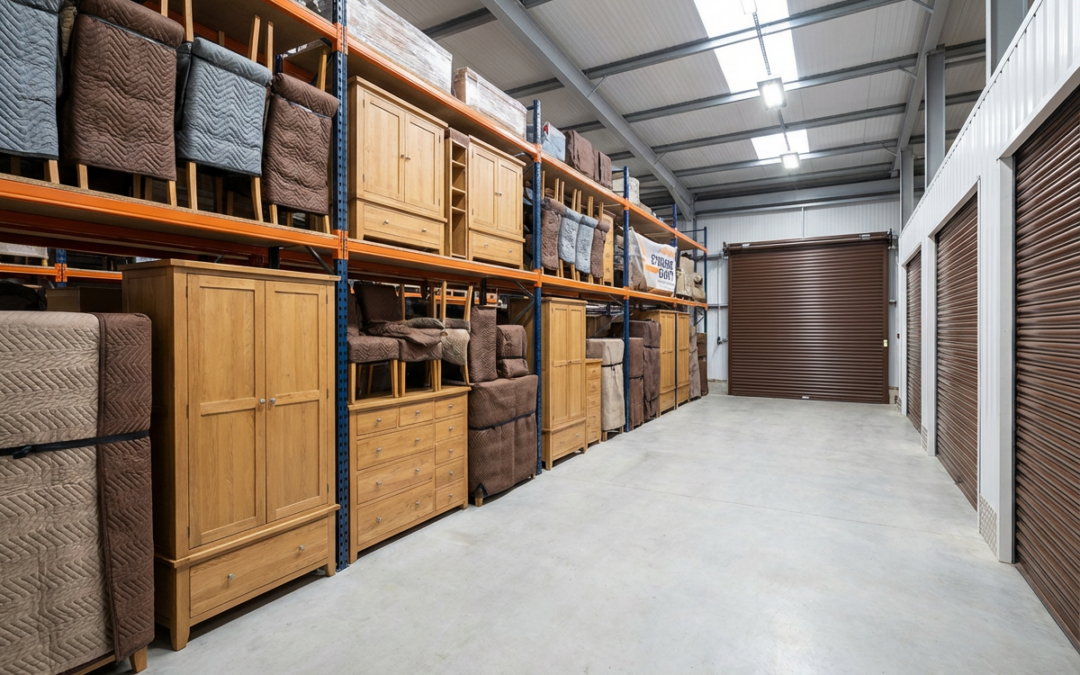
Home renovations – the dust, the disruption, the sheer excitement of transforming your space! Or perhaps it’s a big move, a fresh start in a new location. Both scenarios bring a whirlwind of activity, and right in the middle of it all sits your beloved furniture. That comfy sofa you sink into after a long day, the antique dresser that’s been in the family for yonks, the dining table that’s hosted countless happy meals. These pieces are part of your home’s heart, and the last thing you want is for them to become casualties of chaos. This is where a solid plan for Storing Furniture becomes absolutely essential, especially when considering Furniture Renovation Storage.
It’s tempting to just throw a dust sheet over everything and hope for the best, or to hastily shove items into the back of a removal van. But a little foresight and proper preparation can save you a world of heartache (and expense!) down the line. Let’s walk through how to keep your furniture safe and sound, whether you’re navigating a building site at home or relocating to pastures new, and how Newbury Self Store can be your ace in the hole.
Understand the Enemy: What Dangers Lurk for Your Furniture?
Before we jump into solutions, let’s be clear about what we’re up against. During renovations or moves, your furniture faces a barrage of potential threats.
During Renovations: The Dust Bowl and Danger Zone
- Dust, Dust, Everywhere: Renovation dust isn’t just a bit of fluff. It’s fine, gritty, and gets everywhere. It can settle into upholstery, scratch delicate finishes, and clog up the mechanisms of items like recliner chairs or extendable tables.
- Paint Splatters and Spills: No matter how careful your contractors are (or you are, if it’s a DIY job), paint, varnish, and solvents have a nasty habit of ending up where they shouldn’t.
- Impact Damage: Tools get dropped, ladders get manoeuvred, and building materials get carried through rooms. Scratches, dents, chips, and gouges are all too common.
- Water Damage: From plumbing work to accidental spills, water can wreak havoc, causing wood to warp, upholstery to stain, and mould to grow.
During Moves: The Trials of Transit
- Bumps and Bruises: Navigating doorways, stairs, and the inside of a removal van is an obstacle course for furniture. Corners get knocked, legs get scuffed.
- Stacking Stress: Improperly stacked items in a van can put immense pressure on furniture, leading to cracks or breaks.
- Shifting Shenanigans: If not secured properly, items can slide around during transit, causing friction damage or more serious impact.
- Weather Woes: Loading or unloading in the rain? Not ideal. Even a short exposure to moisture can be problematic for certain materials.
Recognising these risks is the first step to effective Storing Furniture. It’s not about being pessimistic; it’s about being prepared.
Lay the Groundwork: Prepping Your Furniture for Protection
Before you wrap a single item or book a storage unit, a bit of prep work will make the whole process smoother and safer.
Step One: Declutter and Decide
Renovations and moves are perfect opportunities to declutter. Go through your furniture piece by piece:
- Keep, Sell, Donate, or Discard? Be honest. Is that wobbly old bookshelf really going to make the cut in your newly renovated living room? Could someone else get more use out of that spare armchair?
- Measure Up: For items you’re keeping, especially if moving or planning new room layouts, measure them. Note down dimensions. This will be invaluable for space planning later.
Step Two: Clean Everything Thoroughly
Storing dirty furniture is a recipe for problems.
- Upholstery: Vacuum sofas and chairs thoroughly, using crevice tools to get into all the nooks and crannies. Consider a professional clean for items that are heavily soiled or if you want them to be pristine when they come out of storage.
- Wood Furniture: Dust and then wipe down with a suitable wood cleaner. Ensure it’s completely dry before covering.
- Glass and Metal: Clean with appropriate products.
- Empty It Out: Remove all contents from drawers, cupboards, and display cabinets. This makes items lighter and prevents things from rattling around and causing damage. Pack these contents separately.
Step Three: Disassemble (Where Sensible)
Many larger furniture items can be partially or fully disassembled.
- Beds: Bed frames can usually be taken apart.
- Tables: Legs can often be removed from dining tables or coffee tables.
- Modular Units: Shelving units or modular sofas can be broken down into smaller sections.
- Keep it Together! This is crucial: place all screws, bolts, and small hardware into a labelled plastic bag and tape it securely to the largest component of the item it belongs to. You’ll thank yourself profusely during reassembly! Taking a few photos during disassembly can also be a lifesaver later.
Step Four: Create an Inventory
If you’re moving a lot of furniture or using off-site storage, an inventory list is your best friend.
- List each item.
- Note its condition before packing/moving (take photos of any existing damage for your records).
- If using multiple boxes for parts of one item, note this down.
This list is invaluable for keeping track of everything and for any insurance purposes.
Wrap It Like You Mean It: Essential Packing Materials and Techniques
This is where the real protection happens. Don’t skimp on good quality packing materials – they are a small investment compared to the cost of repairing or replacing damaged furniture. You can find a comprehensive range of packaging supplies at Newbury Self Store.
Your Packing Toolkit:
- Furniture Blankets/Moving Pads: These are thick, padded blankets designed to protect furniture from scratches, dents, and dust. Essential for any move and highly recommended for Furniture Renovation Storage.
- Bubble Wrap: Great for protecting delicate parts, corners, and fragile items like glass tabletops or mirrors. Use generously.
- Stretch Wrap/Plastic Furniture Covers: Useful for holding blankets in place, protecting against dust and moisture, and keeping drawers and doors secure. Ensure furniture is completely dry before using plastic wrap to avoid trapping moisture.
- Corrugated Cardboard Sheets: Can be used to protect large flat surfaces (like tabletops or artwork) or to create custom protection for corners.
- Packing Tape: Good quality stuff that will stick properly.
- Mattress Bags: Essential for keeping mattresses clean and protected from rips or moisture.
- Sofa and Armchair Covers: Purpose-made covers offer a good level of protection.
Techniques for Top-Notch Protection:
- Wooden Furniture (Tables, Chairs, Dressers, Cabinets):
- Protect corners with bubble wrap or cardboard.
- Wrap legs individually with bubble wrap or blankets.
- Cover the entire piece with moving blankets, securing them with stretch wrap or tape (tape to the blanket, not directly to the furniture finish if possible).
- Upholstered Furniture (Sofas, Armchairs):
- Use fitted sofa/armchair covers or wrap well with moving blankets.
- Pay special attention to arms and corners.
- Consider shrink-wrapping over the blankets for extra dust and moisture protection, especially for long-term Storing Furniture.
- Mattresses and Box Springs:
- Use dedicated mattress bags. Ensure they are sealed well.
- Glass Tabletops, Mirrors, and Artwork:
- Cover the entire surface with cardboard.
- Wrap generously in bubble wrap.
- Use mirror boxes or custom-make a sturdy cardboard casing. Mark clearly as “FRAGILE.”
- Appliances (if being stored):
- Clean thoroughly (defrost fridges/freezers completely).
- Secure doors with tape or stretch wrap.
- Protect surfaces with blankets.
Decide Your Storage Strategy: On-Site or Off-Site?
Once everything is prepped and packed, where will it live during the renovation or move?
Option 1: Storing Furniture On-Site (At Home)
If the renovation is minor or confined to one area, or if you have a spare room, garage, or shed, you might consider storing furniture at home.
- Pros: No transport costs, items are immediately accessible if needed.
- Cons:
- Space is often limited, leading to cramped conditions and difficulty accessing items.
- Risk of dust and damage from ongoing renovation work is still high, even if items are covered.
- Items can get in the way of contractors.
- Garages and sheds may not offer adequate protection from temperature fluctuations, humidity, or pests.
- If you choose this option:
- Select a room as far away from the renovation zone as possible.
- Cover doorways with plastic sheeting to minimise dust ingress.
- Ensure items are thoroughly covered and protected.
- Try to elevate furniture off the floor slightly, especially in garages or basements.
Option 2: Off-Site Self-Storage – The Smart Choice for Peace of Mind
For extensive renovations, entire house moves, or if you simply lack suitable space at home, using a self-storage unit is often the best solution for Storing Furniture, particularly for effective Furniture Renovation Storage.
- Pros:
- Protection: Your furniture is removed from the dusty, chaotic environment of a renovation site or the risks of multiple loading/unloading events during a complex move.
- Security: Reputable facilities like Newbury Self Store offer secure units with CCTV and controlled access.
- Space: You can choose a unit size that comfortably accommodates your furniture, allowing for proper arrangement and access.
- Climate Control (Often Available): This is a huge plus for valuable or sensitive furniture (antiques, wood, leather). Climate-controlled units maintain stable temperature and humidity, preventing warping, cracking, and mould.
- Convenience: Frees up your home entirely for contractors or makes the moving process less cluttered.
- Cons: Cost (though often less than repairing or replacing damaged furniture), and you need to transport items to the facility.
Given the potential for damage during renovations or moves, investing in a Personal Storage unit at Newbury Self Store can be a very wise decision.
Maximise Your Self-Storage Unit for Furniture
If you opt for self-storage, a little planning goes a long way in making the most of your unit.
Selecting the Right Unit:
- Size Matters: Don’t just guess. Use an online space estimator or talk to the staff at Newbury Self Store. You want enough space to store items without cramming them, and ideally, to leave a walkway for access.
- Climate Control – Yes or No? For antique wooden furniture, leather items, musical instruments, or anything of significant sentimental or monetary value, climate control is highly recommended. It mitigates the risk of damage from temperature and humidity swings.
- Accessibility: Consider how often you might need to access items. Check the facility’s access hours.
Packing the Unit Like a Pro:
- Create a Plan: Before you start loading, have a rough idea of where larger items will go.
- Heavy Items at the Back and Bottom: Place your heaviest and sturdiest items at the back of the unit and on the floor.
- Protect the Floor: Consider putting down plastic sheeting or dust sheets on the unit floor before loading, especially for longer-term storage.
- Utilise Vertical Space: Disassembled items like bed frames or table tops can often be stored vertically along walls (ensure they are stable). Shelving units can be great for storing boxes and smaller items.
- Leave a Walkway: If possible, leave an aisle down the centre or along one side of the unit so you can access items at the back without having to unpack everything.
- Don’t Overstack: Avoid stacking too many heavy items on top of each other, especially on more delicate furniture.
- Cover Everything: Even in a clean storage unit, it’s a good idea to keep furniture covered with dust sheets or light blankets for added protection during Storing Furniture.
- Sofas and Mattresses: Store sofas on their feet if possible. Mattresses are best stored flat, or if space is tight, on their long edge, well-supported.
- Appliance Care: Leave fridge and freezer doors slightly ajar to prevent mould and odours.
For very large house moves or extensive Furniture Renovation Storage needs where you might have a mix of very robust and more delicate items, you could even explore options like Container Storage for the bulkier, less sensitive items, while keeping your prized pieces in a smaller, perhaps climate-controlled, internal unit.
The Journey Itself: Safe Transportation
Whether moving items to a storage unit or your new home, careful transportation is key.
- Rent the Right Vehicle: Choose a van or truck that’s large enough to hold your items without them being squashed. Covered vehicles are essential to protect against weather.
- Use Proper Lifting Techniques: Bend your knees, keep your back straight, and lift with your legs. Get help for heavy or awkward items – don’t be a hero!
- Secure Items in the Vehicle: Use ropes or ratchet straps to secure large furniture items and prevent them from shifting during transit. Place padding between items.
- Take it Slow and Steady: Drive carefully, especially over bumps or around corners.
The Grand Return: Reintroducing Furniture to Its Space
Once the renovations are complete or you’re settled in your new home, it’s time to bring your furniture back.
- Clean the Space First: Ensure the area where the furniture will go is clean and dust-free.
- Inspect Furniture: As you unwrap items, check them for any damage that might have occurred.
- Reassemble Carefully: Refer to your notes and photos if you disassembled items. Don’t force anything.
- Allow Items to Acclimatise: If furniture has been in a very different temperature or humidity environment (e.g., non-climate-controlled storage in winter), allow it to acclimatise to the room conditions for a day or two before placing it in its final position, especially for wood items.
Breathe Easy: Your Furniture, Safe and Sound
Protecting and Storing Furniture during the upheaval of a home renovation or move might seem like another daunting task on an already long list. But by taking these steps, you’re investing in the longevity and beauty of your belongings. You’re ensuring that when the dust settles, or the last moving box is unpacked, your cherished furniture is ready to welcome you home, unscathed and ready for many more years of enjoyment.
At Newbury Self Store, we’re passionate about helping you keep your belongings safe. From providing top-notch packaging supplies to offering a range of secure Personal Storage units, including climate-controlled options, we’re here to make your Furniture Renovation Storage or moving experience as stress-free as possible.
Got a renovation planned or a move on the horizon? Don’t leave your furniture to chance. Contact Newbury Self Storage today, and let’s chat about how we can help you protect your pieces.