
 01635 581 811
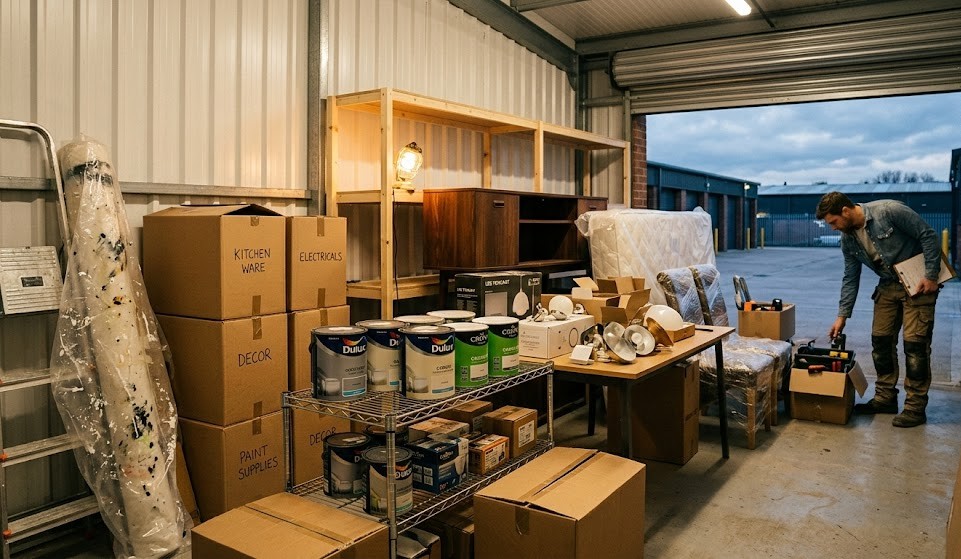
Refurbishment projects represent one of the most profitable yet logistically complex aspects of property portfolio expansion. When you’re juggling contractors, timelines, and tenant expectations, the last thing you need is furniture blocking access to walls that need replastering or kitchen units sitting in rooms scheduled for rewiring. Yet that’s exactly what happens when landlords and property developers underestimate the space requirements of a proper renovation.
The difference between a refurbishment that finishes on time and one that drags on for months often comes down to a single factor: whether you’ve created enough clear working space for trades to do their jobs efficiently. Refurbishment storage solutions aren’t an optional extra for property professionals – they’re a fundamental part of project management that directly impacts your bottom line.
Why clear working space accelerates refurbishment timelines
Contractors price jobs based on how long they’ll take. When they arrive to find furniture piled in corners, white goods blocking doorways, or carpets still rolled up in hallways, those estimates go out the window. A plasterer who quoted three days for a living room might need five if they’re constantly moving sofas and navigating obstacles.
Consider a typical two-bedroom flat refurbishment. You’re replacing the kitchen, updating the bathroom, repainting throughout, and fitting new carpets. If you leave the existing furniture in situ, here’s what actually happens: the kitchen fitters can’t work efficiently because they’re manoeuvring around a dining table. The decorators need extra time protecting furniture rather than painting. The carpet fitters can’t lay properly because they’re working around wardrobes that should have been removed.
Each delay compounds. The kitchen runs over by two days, pushing back the decorators. The decorators overrun, delaying the carpet fitters. What should have been a three-week project stretches to five. That’s two extra weeks without rental income.
The true cost of keeping contents on-site
Property professionals often focus on the upfront cost of storage without calculating what staying on-site actually costs them. Let’s break down the real numbers.
For a rental property generating £1,200 per month, every week of delay costs you £276 in lost income. If inadequate working space adds just two weeks to your refurbishment timeline, that’s £552 – easily enough to cover several months of renovation project storage for the property contents.
Then there’s the damage factor. Furniture left on-site during building work doesn’t emerge unscathed. Dust from sanding, paint splatter, accidental knocks from ladders – even with dust sheets, items get damaged. Replace one sofa or repair one scratched dining table and you’ve spent more than professional storage would have cost.
The hidden cost nobody talks about? Contractor relationships. Trades remember properties where they had proper working space versus ones where they spent half their time moving obstacles. When you’re expanding your portfolio and need reliable contractors quickly, that reputation matters.
Strategic storage planning for different refurbishment scales
Not every refurbishment requires the same storage approach. A cosmetic update needs different planning than a full gut renovation. Understanding which refurbishment storage solutions match your project scope ensures you’re neither overspending nor creating bottlenecks.
Light Refurbishment (Decoration and Minor Updates)
For properties needing just painting, flooring, and minor bathroom or kitchen updates, you can often get away with centralising furniture in one room and working around it. But here’s where landlords make mistakes: they assume “light” means “manageable with everything on-site.”
Even decorating benefits enormously from empty rooms. Painters work twice as fast in clear spaces. You’ll get better finish quality when they’re not edging around furniture. For properties where you’re trying to achieve a quick turnaround between tenants, removing contents to storage for even two weeks can cut your void period significantly.
Medium Refurbishment (Full Kitchen/Bathroom Replacement Plus Decoration)
This is where storage becomes non-negotiable. Kitchen and bathroom fitters need complete access. Plumbers and electricians need to work without restrictions. You’re looking at 4-6 weeks of intensive work where furniture on-site actively hinders progress.
For a typical two-bedroom property, you’ll need renovation project storage for: living room furniture (sofa, chairs, TV unit, coffee table), bedroom furniture (beds, wardrobes, bedside tables), white goods if you’re keeping them, and any items from cupboards and storage areas that need clearing.
Heavy Refurbishment (Structural Changes, Extensions, Full Renovation)
When you’re moving walls, adding extensions, or conducting full renovations, everything must go. There’s no scenario where keeping contents on-site makes sense. You’re looking at 8-12 weeks minimum, potentially longer. At this scale, container storage often provides the most cost-effective solution, particularly if you’re emptying multiple properties simultaneously.
Protecting different asset types during storage
Property portfolio contents aren’t all equal. Some items require specific handling and storage conditions to maintain their value.
Furniture and Soft Furnishings
Upholstered furniture attracts moisture and odours if stored incorrectly. Leather sofas need breathing room – wrapping them completely in plastic creates condensation. Instead, use breathable furniture covers. Fabric sofas should be cleaned before storage; any stains left untreated for months become permanent.
Mattresses must be stored flat, never on their side for extended periods. That king-size memory foam mattress might seem easier to store upright, but you’ll return to find it’s lost its shape. Dining chairs stack, but place cardboard between them to prevent scratching.
White Goods and Kitchen Equipment
Fridges and freezers need defrosting 24 hours before storage, with doors left slightly ajar to prevent mould. Washing machines need water drained from hoses – any remaining water can freeze in winter storage, cracking internal components.
Ovens should be cleaned thoroughly. Baked-on grease doesn’t improve with time. If you’re storing integrated appliances, photograph how they were installed. You’d be surprised how often property developers forget which way round a particular unit fitted.
Electronics and Small Appliances
TVs, microwaves, and other electronics should be packed in their original boxes if possible. If not, wrap them in bubble wrap and mark boxes as fragile. Remove batteries from remote controls and small appliances – they leak over time.
Here’s something most landlords don’t consider: take photos of how entertainment systems were wired. When you’re refitting a property, knowing which cable went where saves hours of frustration.
Inventory management for multiple properties
When you’re expanding a portfolio, you might be refurbishing several properties simultaneously. Keeping track of which furniture belongs to which property becomes crucial.
Create a simple coding system. Property A gets red labels, Property B gets blue, and so on. Label every item before it goes into storage. Use a spreadsheet tracking exactly what’s stored for each property, including photos. This sounds tedious until the day you need to restock three properties in one week and you’re trying to remember which property had the oak dining table versus the pine one.
Think of it like packing for a long trip – you wouldn’t throw everything into a suitcase without some organisation. The same principle applies here, just scaled up. We’ve seen property developers lose hours searching through storage units because they didn’t spend twenty minutes labelling items properly at the start.
Timing storage release with project milestones
Don’t retrieve everything from storage the moment contractors finish. Phased return of contents prevents chaos and protects newly decorated spaces.
Phase One: Essential Items First
Once decorating is complete and carpets are down, retrieve only essential furniture: beds for bedrooms, one sofa for the living room, kitchen table and chairs. This allows you to stage the property for photographs and viewings while protecting it from the wear of moving everything back at once.
Phase Two: Secondary Items
After initial viewings or once a tenant is confirmed, bring back remaining furniture. This staged approach means you’re not scratching new floors or marking fresh paint by moving everything in one chaotic day.
For properties going straight back on the rental market, consider whether you actually need to return everything. That extra chest of drawers nobody used? The redundant bookshelf? Portfolio expansion is an excellent opportunity to declutter and upgrade your furnishing package.
Coordinating storage with contractor schedules
The most efficient refurbishments synchronise storage removal with the start of works and return with project completion. This requires coordination.
Book your renovation project storage removal for the day before contractors start. Not the same day – you need that buffer. Contractors arriving to find a removal team still packing creates tension and delays. Similarly, schedule furniture return for two days after the projected completion date. Projects overrun; that’s construction reality. Building in buffer time prevents you paying removal teams to wait around.
Share your storage timeline with your project manager or lead contractor. They need to know the property will be completely clear from day one. This isn’t micromanagement – it’s setting clear expectations that allow trades to price and schedule accurately.
Cost-benefit analysis: storage investment versus project delays
Let’s run the numbers on a real-world scenario. You’re refurbishing a three-bedroom house currently rented at £1,500 per month. The refurbishment should take six weeks with clear working space, but your contractor estimates eight weeks if furniture stays on-site.
Storage cost for six weeks: approximately £300-400 for a medium-sized unit. Lost rental income from two extra weeks: £692. Potential damage to furniture left on-site: £200-500 minimum. Total saving by using storage: £592-792.
That’s the straightforward calculation. The less obvious benefits include: better quality finish from contractors working in clear spaces, reduced stress managing the project, maintained relationships with reliable trades, and faster turnaround to rental income. Investing in proper refurbishment storage solutions delivers returns that extend far beyond the immediate project.
Selecting the right storage solution for property projects
Not all storage facilities suit property refurbishment projects equally well. You need specific features that support renovation project storage requirements.
Flexible Access
Property projects don’t run 9-5, Monday to Friday. You might need to retrieve items at 7pm on a Thursday because your tenant’s moving in Saturday and the kitchen units arrived early. Look for facilities offering extended or 24/7 access. Paying slightly more for flexibility saves you when timelines shift unexpectedly.
Drive-Up Access
When you’re moving entire property contents, you don’t want to be carrying sofas up stairs or along corridors. Drive-up access means your removal van parks directly outside your unit. You’re in and out in an hour rather than half a day.
Security Features
You’re storing potentially thousands of pounds worth of furniture and appliances. Individual unit alarms, CCTV coverage, and secure perimeter fencing aren’t luxury features – they’re essential. Check whether the facility’s insurance covers stored contents or whether you need separate cover.
Protecting items during the storage period
Proper packing prevents you returning to find your carefully stored furniture damaged or deteriorated. You wouldn’t store important documents in a damp shed; the same principle applies to property contents.
Disassemble furniture where practical. Beds, dining tables with removable legs, and wardrobes that come apart all store more efficiently disassembled. Bag and label all screws and fixings – tape them to the relevant furniture piece. You’ll thank yourself when you’re reassembling.
Clean everything before storage. Dirt and grime left on surfaces for weeks become harder to remove. Fabric items should be completely dry before storage; any dampness creates mould. For properties where you’re keeping quality furniture as part of the rental package, this maintenance protects your investment.
Create an aisle through your storage unit. Stack items strategically so you can access things at the back if needed. Place items you might need to retrieve early near the front. It’s like organising a cupboard – most-used items at the front, least-used at the back.
Quality packaging materials make a genuine difference here. Proper mattress covers, furniture blankets, and sturdy boxes protect items far better than old bedsheets and salvaged cardboard. When you’re protecting assets worth thousands, spending £50 on proper packaging materials isn’t extravagance.
Managing tenant expectations during refurbishment
If you’re refurbishing between tenancies, storage logistics are entirely your concern. But sometimes you’re upgrading while a tenant is in situ – perhaps replacing a kitchen or bathroom as part of ongoing maintenance.
Clear communication prevents problems. Explain exactly how long their belongings will be in storage and where. Provide them with contact details for the storage facility. If possible, give them access to visit their stored items, though most tenants won’t need this if you’ve communicated well.
Document everything going into storage with photos and a detailed inventory, signed by both parties. This protects you both. When items return, check them together before the tenant signs off. This level of care might seem excessive, but it prevents disputes and maintains good tenant relationships.
Scaling storage solutions as your portfolio grows
Your first refurbishment project might involve one small storage unit. By your tenth property, you need a more systematic approach.
Consider negotiating rates with a storage facility for ongoing use. When you’re consistently storing contents from multiple properties, you become a valuable customer. Many facilities offer discounted rates for long-term or multiple-unit customers seeking reliable refurbishment storage solutions.
Develop standard operating procedures. Create checklists for what gets stored, how items should be packed, and how they’re labelled. Train anyone helping with removals on these procedures. Consistency across projects saves time and prevents mistakes.
Build relationships with reliable removal companies who understand property refurbishment timelines. They’ll work with your schedule, store items carefully, and won’t damage newly decorated properties when returning furniture.
Conclusion
Refurbishment storage isn’t an optional extra for serious property portfolio expansion – it’s fundamental project infrastructure that determines whether your renovations finish on time and on budget. The properties that achieve the fastest turnarounds and highest quality finishes are invariably those where contents were properly stored off-site, giving contractors the clear working space they need to do their jobs efficiently.
The mathematics are straightforward: a few hundred pounds spent on professional renovation project storage saves you thousands in extended void periods, contractor delays, and damaged contents. More importantly, it transforms refurbishment from a chaotic juggling act into a manageable, predictable process.
Whether you’re undertaking your first buy-to-let renovation or managing your twentieth property upgrade, the principle remains the same. Clear working space accelerates timelines, improves quality, and reduces stress. For property professionals serious about portfolio growth, contact us to discuss storage solutions that support your refurbishment schedule rather than complicating it. Your contractors will work faster, your properties will finish sooner, and your rental income will resume weeks earlier – that’s the genuine return on investment that professional storage delivers.